The best pet-friendly rug materials are solution-dyed polypropylene and nylon, followed by low-pile or flat-weave wool. Choose a low, tightly woven construction, a pattern that forgives a little shedding, and a backing you can clean or replace. Do that, and a rug can be as beautiful as it is hardworking.
A home with pets asks more of its textiles. Fur, muddy paws, the occasional accident and the daily patrol from sofa to water bowl all land on the floor. The good news is that the choice is not between style and survival. It is a matter of knowing which fibers earn their place and which only look the part in a showroom.
TL;DR
- Best all-rounders: low-pile, solution-dyed polypropylene or nylon. Polypropylene resists moisture and stains, and nylon brings resilience.
- Wool is not the enemy. Low-pile or flat-weave wool is resilient, but it needs gentler cleaning than synthetics.
- Skip viscose, rayon, jute, sisal and high-pile shag. They absorb liquid, stain permanently or snag.
- The backing and pad matter as much as the surface. Plan to replace the pad regularly.
- No rug is truly stain proof, so choose a forgiving pattern and decide how you will handle accidents before they happen.
Table of Contents
- What “pet friendly” really means for a rug
- Pet-friendly rug materials compared
- Materials to avoid in a home with pets
- Pile height and weave: the quiet hero
- The hidden failure point: backing and pad
- Matching the rug to your pet
- Styling a pet-friendly rug so it still looks designed
- Our perspective
- A realistic cleaning plan
- Find your next rug with us
- FAQ
- Sources
What “pet friendly” really means for a rug
The phrase appears on nearly every product page, yet it has no regulated definition. In practice, a rug earns it when it does four things well: it resists moisture, it releases hair with a single vacuum pass, it will not snag on claws, and it keeps its color after repeated spot cleaning.
There is a fifth, less glamorous test. A rug should still look composed on day 400. Pet-friendly is a state of active management rather than a passive feature, and the sooner you accept that, the better your choices become. A smart material buys you time between cleanings. It does not abolish them.
Pet-friendly rug materials compared
Here is how the main options stack up for a typical household with dogs, cats or both.
| Material | Strengths | Watch out for | Best for |
|---|---|---|---|
| Solution-dyed polypropylene | Moisture-impervious, stain resistant, colorfast | Can feel less plush underfoot; avoid chlorine and solvent cleaners | Puppies, senior pets, dining rooms, entryways |
| Solution-dyed nylon | Excellent resilience and durability, colorfast | Usually costs more than polypropylene | Busy living rooms, heavy daily traffic |
| Low-pile or flat-weave wool | Naturally resilient, warm look and feel | Needs gentle cleaning, can absorb liquid if left | Living rooms, bedrooms, calm households |
| Washable polyester or recycled PET | Machine-washable, easy to refresh | Medium-to-high pile can mat and show traffic patterns | Cats, small dogs, apartments |
| Viscose, rayon, jute, sisal | Beautiful texture | Stain permanently, snag, absorb accidents | Rooms where pets do not go |
Solution-dyed polypropylene: the practical workhorse
Polypropylene is naturally moisture-impervious, which makes it a reliable barrier against urine and other liquids. Solution-dyed nylon and polypropylene are both UV-stable and colorfast, because the color is built into the fiber rather than applied to the surface. That is why they tolerate firm spot cleaning without fading.
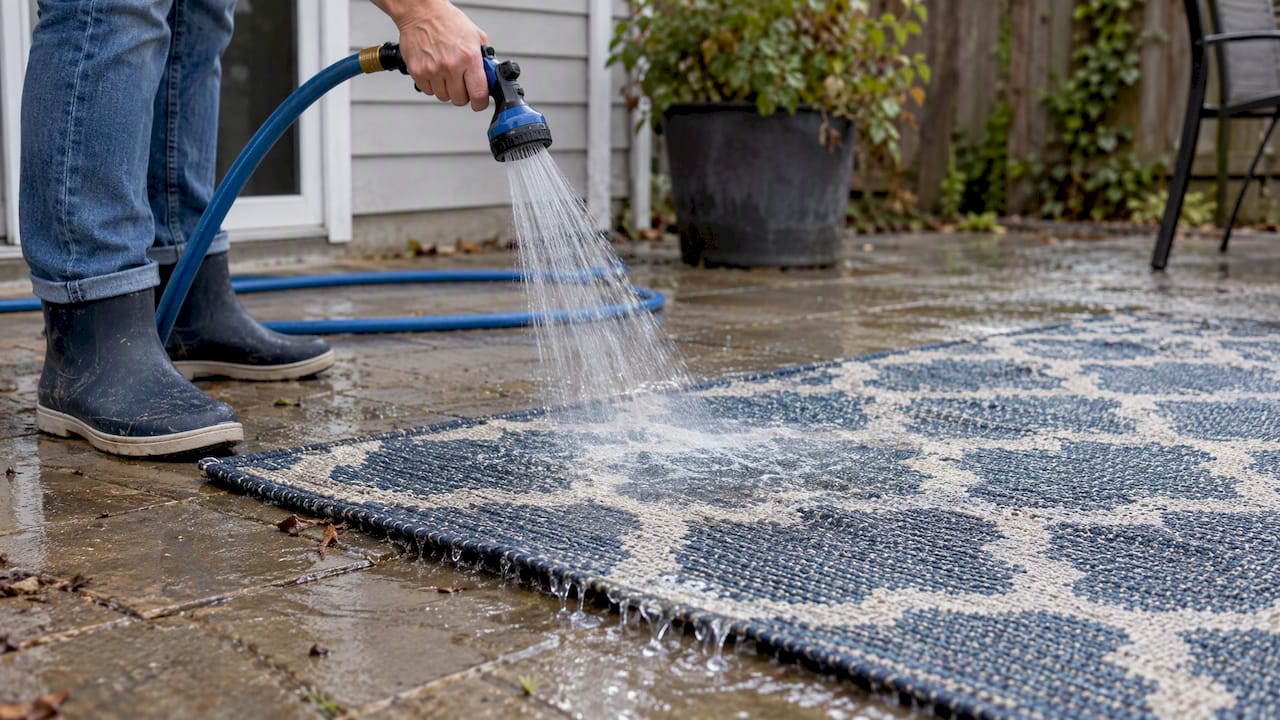
Indoor-outdoor versions go further. According to one European manufacturer’s material guide, polypropylene rugs are water-repellent and mildew-resistant, and can be cleaned with a garden hose and mild soapy water, though they should not meet chlorine-based or solvent-based cleaners. For a household in the thick of puppy house-training, that is a real comfort.
The aesthetic worry is outdated. High-density, machine-woven polypropylene can mimic the detailed patterns of traditional heritage rugs while delivering the stain resistance a busy home needs.
Nylon: resilience with staying power
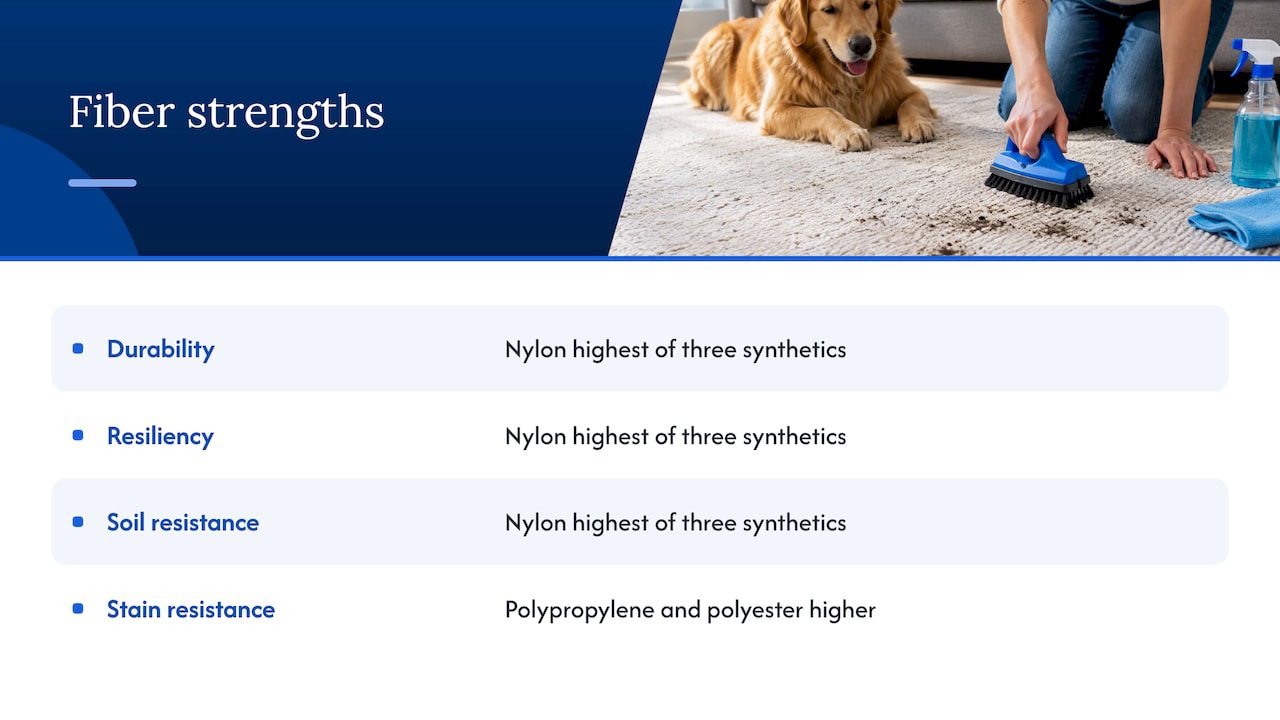
Nylon is the fiber that bounces back. In a side-by-side fiber comparison, it rates highest of the three synthetics for durability, resiliency and soil resistance, while polypropylene and polyester score higher on stain resistance. One way to read that: nylon handles the wear, polypropylene handles the spills. If your dog is a pacer and your floors see constant traffic, solution-dyed nylon deserves a look.
Wool: more capable than its reputation
Common advice says to avoid wool entirely. We think that is too blunt. Low-pile or hand-knotted wool is remarkably resilient, and flat-weave wool is among the most dependable constructions for daily pet life. Its natural irregularities also hide small marks beautifully.
The catch is cleaning. Wool is a natural fiber, so harsh products and improper use of enzymatic cleaners can damage it. Blot promptly, test any cleaner in a hidden corner and call a professional for anything substantial. Wool suits calm living rooms and bedrooms better than a puppy’s first-year hangout.
Washable and recycled PET rugs
Machine-washable rugs have become a category of their own, and for good reason. Their appeal is hygiene: you can toss the cover in the wash after a muddy week. A tester at The Independent notes that machine washability is a real plus in households with pets, though that review covers UK products, so check availability and care labels for your own market.
Two cautions. Thin washable rugs can slide, so use a grip layer. And medium-to-high-pile polyester tends to compress and show visible traffic patterns within a year, so keep to low pile.
Materials to avoid in a home with pets
Some fibers look wonderful and fail quietly. Real Simple’s editors advise skipping viscose, rayon (sometimes sold as bamboo or banana silk), jute and sisal where pets live. These cellulose fibers are highly absorbent, prone to permanent staining from liquid accidents, and easy for claws to shred or snag.
High-pile shag belongs on the same list. It harbors hair, traps allergens and resists thorough vacuuming. If you love the plush look, keep it in a guest room or a bedroom the pet cannot enter.
A design reading of the same advice: natural, matte, nubby textures are lovely, but in a pet’s path they need to be protected, not exposed. If you want the organic look, our guide to modern organic decor shows how to get it through accessories, planters and ceramics, while the rug does the heavy lifting in a tougher fiber.
Pile height and weave: the quiet hero
Surface fiber gets the attention, but pile height does much of the real work. Floor care experts note that any pile higher than half an inch becomes a trap for dander, fur and debris that standard vacuums struggle to reach, and it increases the snag risk for nails.
Low-pile and flat-weave rugs offer what we like to call visual rest: tightly woven, calm textures that look sophisticated and perform like workhorses. Loops deserve special mention. Cat claws catch in looped construction, so choose cut-pile or flat-weave for cats, as Ruggable’s cat guidance also suggests with its low-pile, loop-free approach.
Pattern is the other half of the equation. A subtle heather, an all-over geometric or a muted traditional motif camouflages hair and everyday wear between cleanings. A solid cream rug under a black Labrador is a daily negotiation.
The hidden failure point: backing and pad
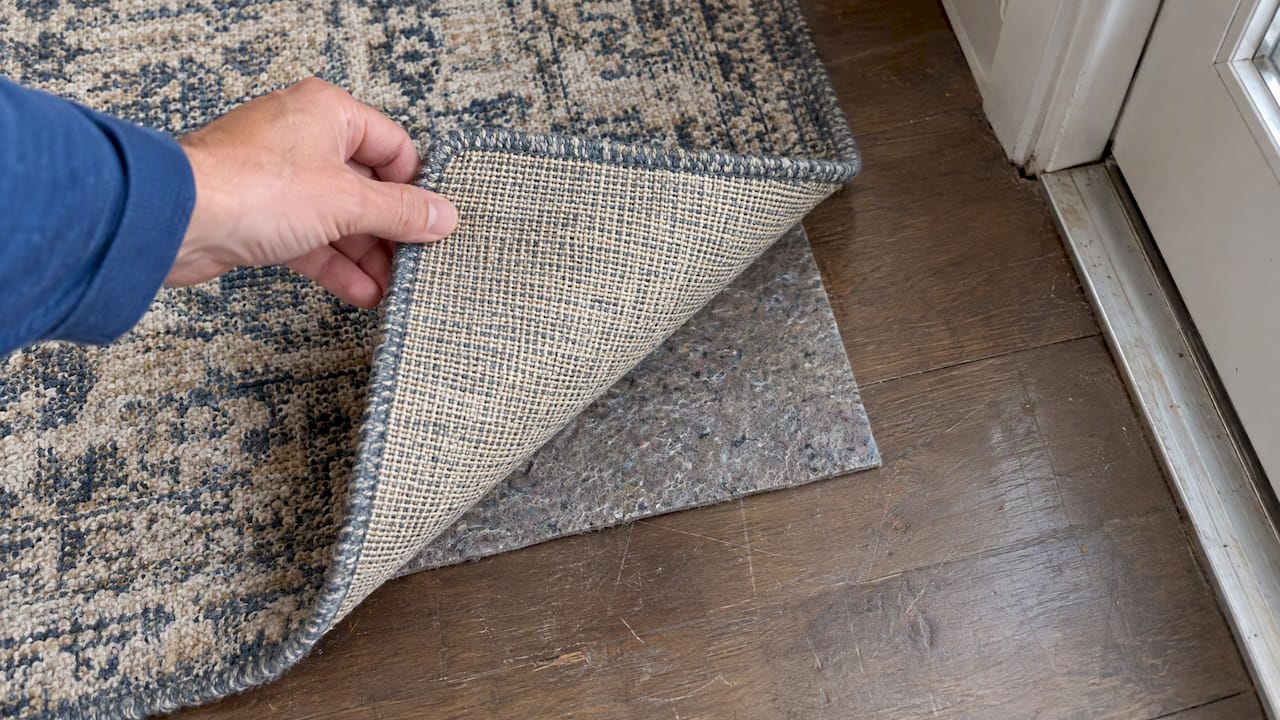
Most owners think only about the visible surface. Yet liquid frequently passes through the rug into the pad below. That layer becomes a hidden reservoir for odor that even professional cleaning cannot fully extract, so experts suggest replacing rug pads annually in a home with pets.
When you shop, look at the underside. Rubber and jute backings can hold onto liquid, while a water-resistant or washable construction is easier to keep fresh. For a rug you adore but cannot wash, choose a thin, replaceable pad and lift the corner now and then to check.
Matching the rug to your pet
Large dogs
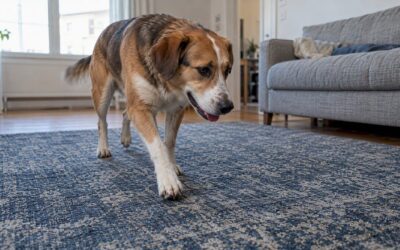
For dogs over 80 pounds, weight rather than claws is usually what wears a rug out. Practitioners suggest high-density, low-pile polypropylene or flat-weave wool to withstand constant compression. Avoid plush synthetics that flatten into a visible path from the door to the couch.
Puppies and senior pets
Accidents are a matter of when. Choose polypropylene, indoor-outdoor if you like, and place it where accidents are most likely. If you are working through house-training, this vet-backed potty training schedule can shorten the rug-risk window considerably.
Cats
Cats care about texture underfoot. Tight, low, flat-woven constructions without loops are the safest choice for claws, and a darker or patterned rug hides litter scatter. Hair collects in any cat household, so a rug that vacuums in a single pass is worth its weight.
Mixed households and rentals
If you share a space with several animals and a landlord, a washable, low-pile polypropylene or polyester rug is the sensible default. It protects the floor, lifts out for cleaning and does not demand heartbreak when something goes wrong.
Styling a pet-friendly rug so it still looks designed
Practical does not have to mean plain. A few principles keep the room feeling curated:
- Choose color in the mid-range. Oatmeal, warm gray, sage and terracotta forgive more than white or jet black.
- Favor pattern with a quiet rhythm. Tone-on-tone motifs and vintage-inspired designs hide wear gracefully.
- Size generously. A larger rug anchors the room and keeps paws off hard floors. Our guide to the right rug size for a living room walks through the proportions.
- Layer texture elsewhere. Let a bouclé pillow or a woven basket add softness so the rug can stay tough.
- Pick a palette first. Start from a living room color palette you love, then find a pet-proof fiber in those tones.
If you want to see what is shaping the category right now, our area rug trends roundup covers colors, patterns and weaves, and our rug-led home makeover feature shows how designers build rooms around them. Read the same advice for fabric furniture in our velvet sofa care guide, because the sofa faces the same pets.
For the broader question of how durable rugs shape a room, this short essay on area rugs in home decor is a useful companion read.
Our perspective
At Art in Lifestyle, we think of texture as the quiet hero of a warm room, and a rug is the largest textural statement on the floor. The temptation in a pet household is to retreat into beige and plastic-feeling fabrics. We would rather see you choose a dense, low-pile weave in a color you truly love, and let pattern do the camouflage.
We also believe in honesty about maintenance. No fiber makes a home pet-proof. What a good rug gives you is time and forgiveness: time to reach the spill, forgiveness for the occasional slip. Think of the right material as a textural amplifier that makes the rest of the room feel calm, even when the household is anything but.
Our rule of thumb is simple. Put the toughest fiber where the pets live most, put the most delicate textures where they rarely go, and keep your styling flexible enough to change when a new puppy arrives.
— Nealda
A realistic cleaning plan
Choosing the right material only gets you halfway. How you clean decides whether the rug lasts.
- Blot immediately. Pressing with paper towels lifts liquid before it reaches the pad. Rubbing spreads it.
- Use an enzymatic cleaner on pet accidents, and check the label for your fiber. Wool needs particular care.
- Skip steam on fresh accidents. Heat can bond the proteins in pet messes into fibers and set stains and odors. Animal shelters give the same advice: avoid using a steam cleaner on urine, because it can spread the stain and push it deeper.
- Vacuum a few times a week on low-pile rugs, which release hair in a single pass.
- Rotate the rug every few months so wear spreads evenly.
- Replace the pad annually in a pet household.
For deeper routines, this guide to cleaning with pets from a Dublin cleaning company covers odor control and everyday habits in practical detail. Its services are Irish, so for professional rug cleaning, look for a local certified cleaner near you who is comfortable with your rug’s fiber. For persistent urine odor in a wool or hand-knotted rug, ask a specialist before you try a product yourself.
If you also want to keep the room smelling lovely, a flame-free option is worth considering. This look at pet-friendly wax melts explains how to scent a home thoughtfully, and you should still check with your veterinarian about any fragrance product around birds, cats and small animals.
Find your next rug with us
When you are ready to shop, our Store Finds page gathers curated home picks that suit the way you live, from textiles to decor. Use the guidance above as a filter: low pile, tight weave, a forgiving pattern and a fiber you can clean. We also publish new design guidance regularly, so you can build the rest of the room with the same care.
FAQ
What is the best rug material for dogs?
For most households, low-pile solution-dyed polypropylene or nylon is the best choice. Polypropylene resists moisture and stains, while nylon is more resilient under heavy traffic. Low-pile or flat-weave wool is a good alternative if you prefer a natural fiber and can clean gently.
Are washable rugs a good option for pets?
Yes, particularly for cats, small dogs and apartments, because you can launder them after messes. Choose a low pile, since medium-to-high-pile polyester can compress and show traffic patterns within a year. Add a non-slip layer so the rug stays put.
Is wool safe for homes with pets?
Wool is a resilient option when it is low-pile, flat-woven or hand-knotted. The main risk is cleaning: harsh or incorrectly used products can damage natural fibers, and heat can set stains. Blot fast and consult a rug cleaning professional for serious accidents.
Which rugs should I avoid with a dog or cat?
Avoid viscose, rayon, jute, sisal and high-pile shag. They absorb liquid, stain permanently, trap hair or snag on claws. Looped constructions are also a poor match for cats.
What does pet friendly mean for a rug?
It is a marketing term, not a regulated standard. In practice, it describes a rug that resists moisture and stains, releases hair easily, will not snag claws and can be cleaned repeatedly without fading. Even then, it still needs prompt cleanup and a good pad.
Sources
- What Is the Best Area Rug for Dogs and Pets? | Giant Floor
- Outdoor Rugs material information | Sieger
- Pets and Rugs: What Actually Survives | Stylish Rugs
- Nylon, Polyester & Polypropylene: Which fiber is best?
- Best washable rugs for 2026 | The Independent
- The Best Area Rugs, According to Our Editors | Real Simple
- The best pet-friendly fabrics and finishes | Spokesman-Review
- Removing Pet Stains and Odors | Humane Society of Southern Arizona