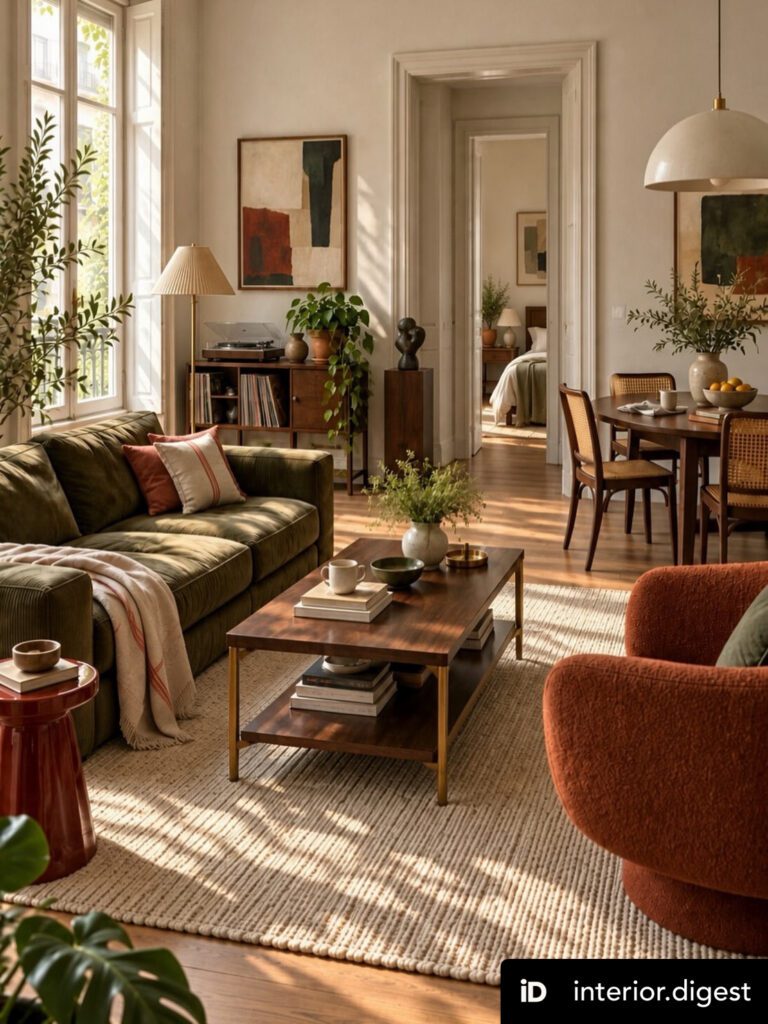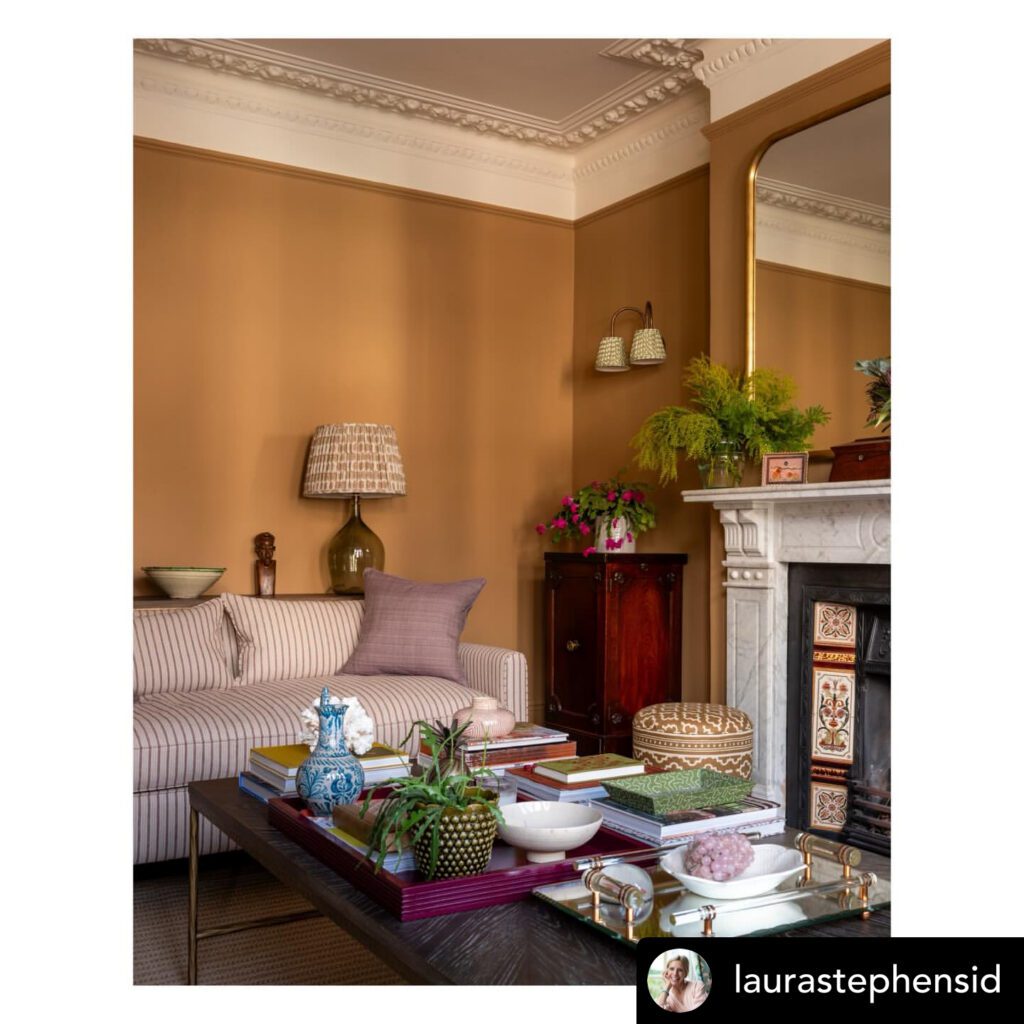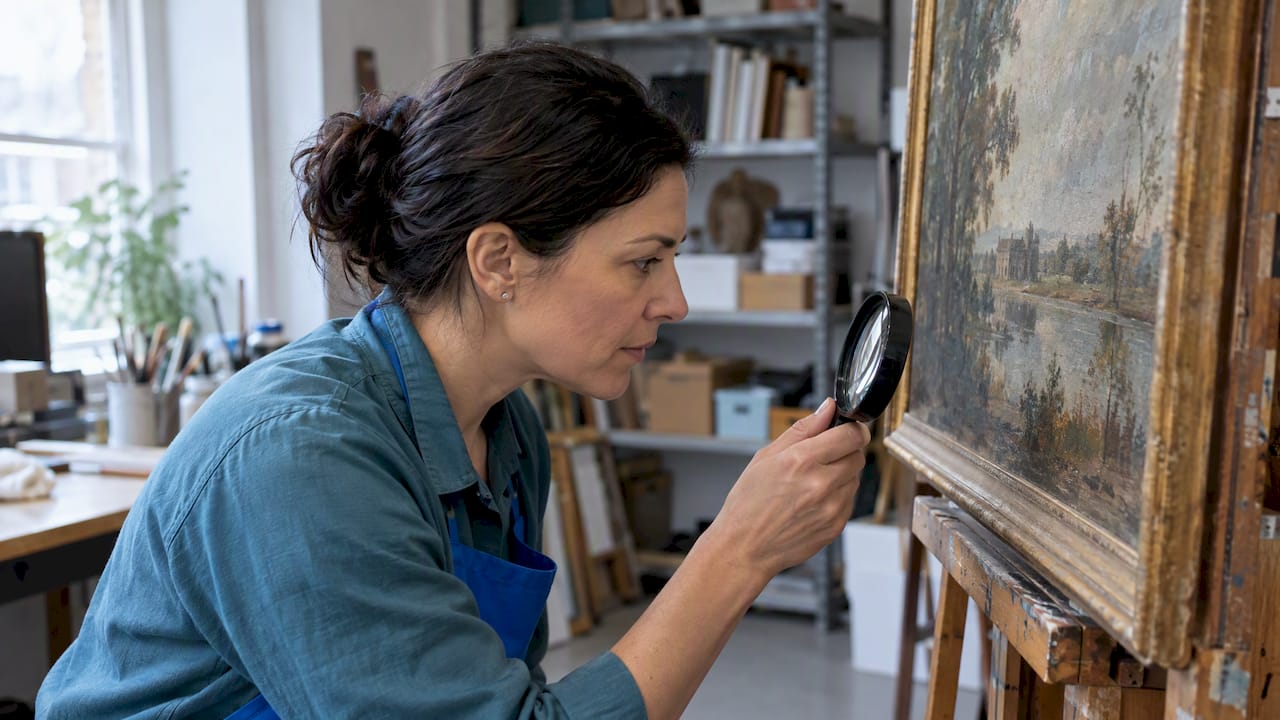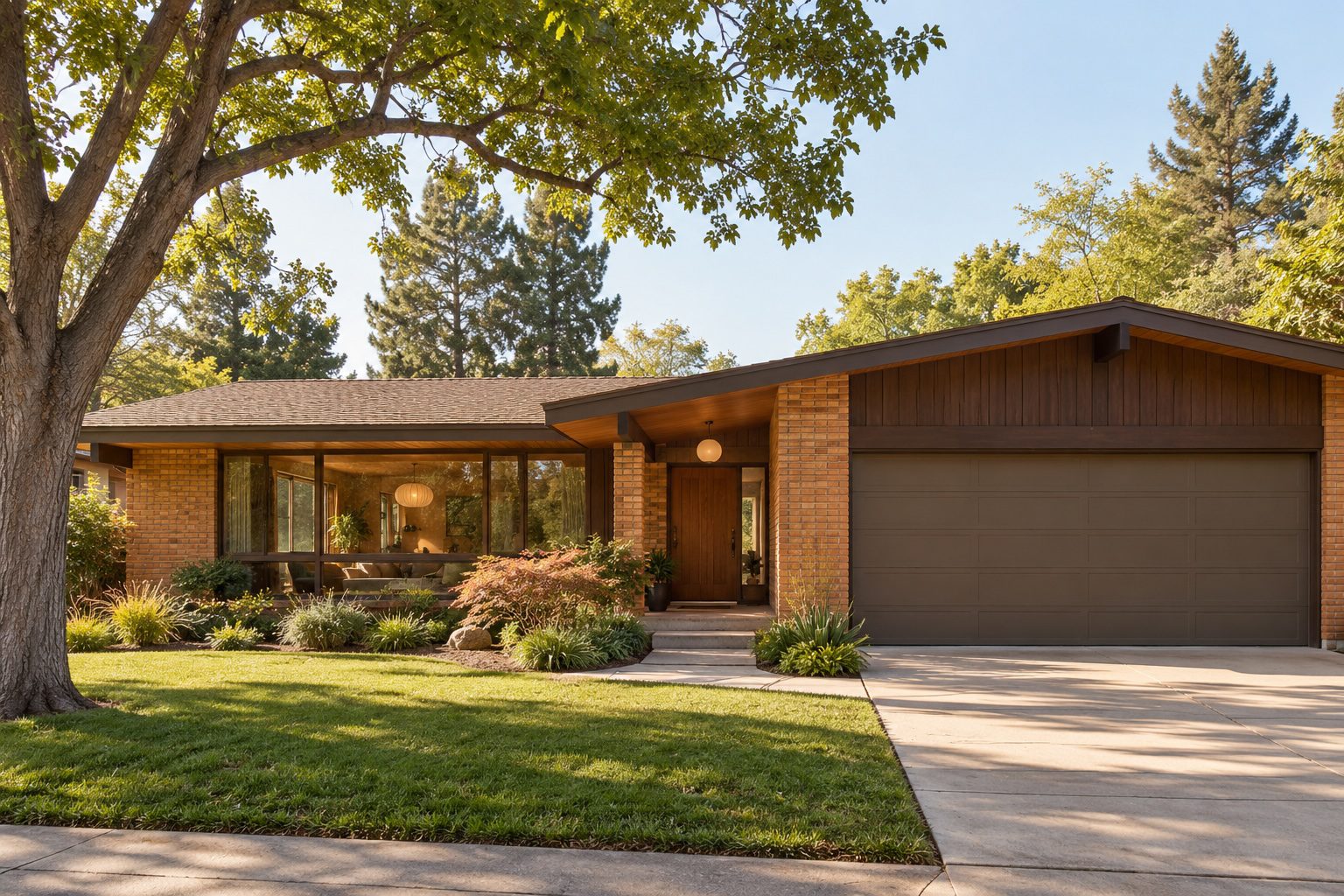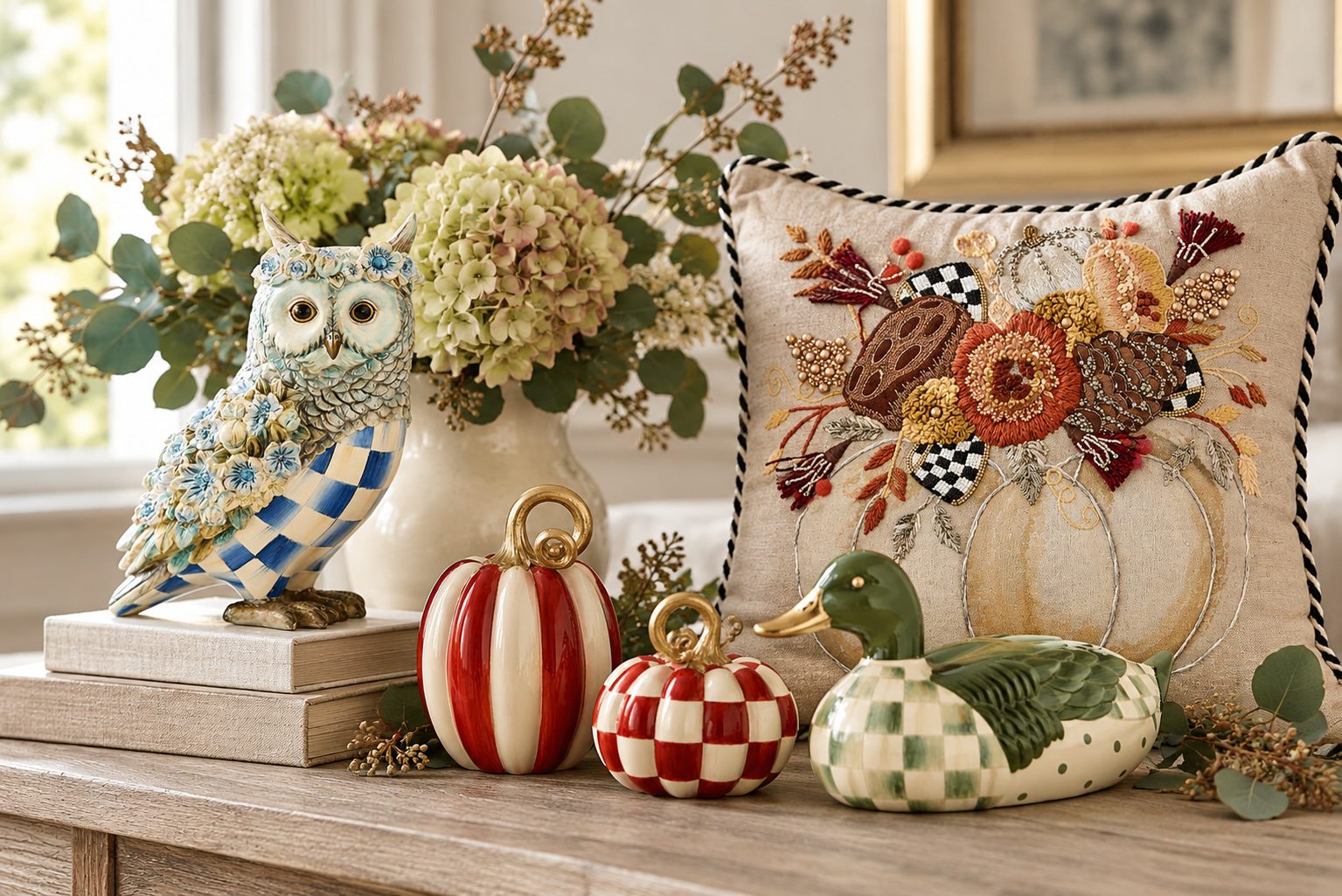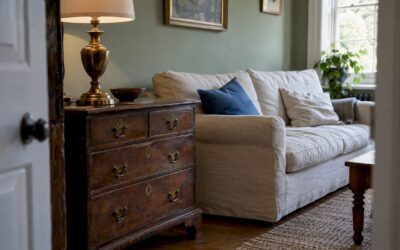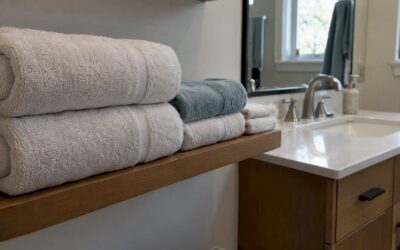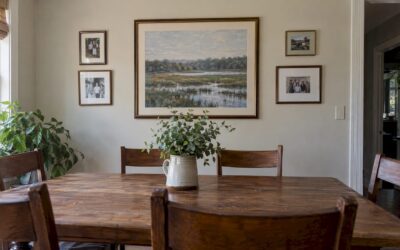
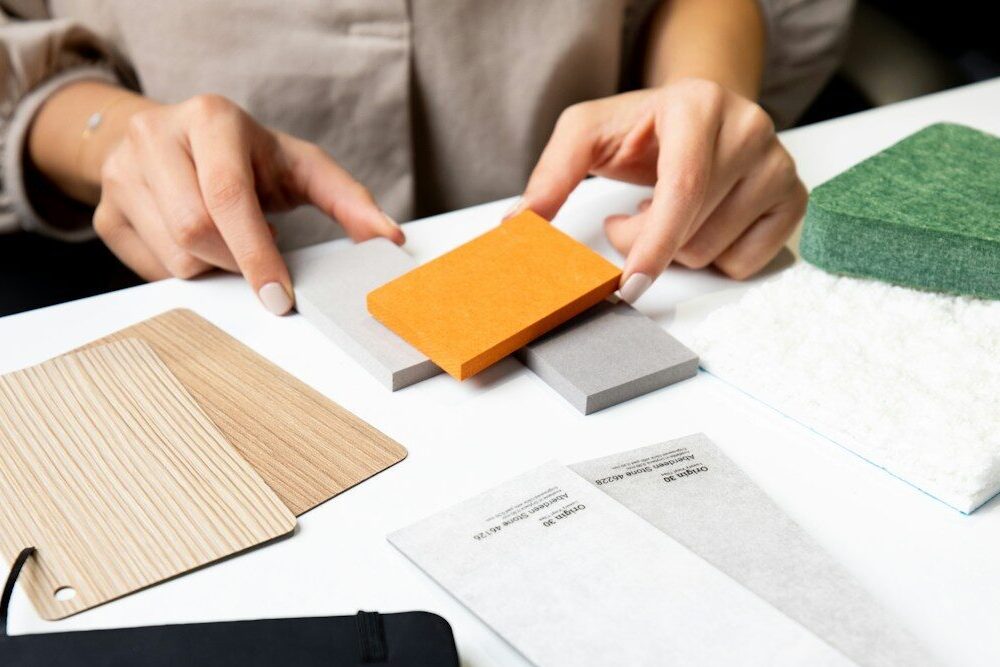
The most defining shift in 2026 home trends interior design is not a single color or furniture style. It is a mood: warm, layered, and deeply personal. Homeowners are turning away from the sterile, algorithm-friendly spaces that dominated the last decade and moving toward interiors that feel genuinely lived in, collected over time, and rich with tactile character.
Here is what that looks like in practice across the major trends shaping homes right now:
- Warm earth tones replacing cool grays and stark whites, with rust searches up 178%, chocolate brown up 153%, and mushroom tones up 69%
- Biophilic design as the most searched emerging category on Houzz, with a 112% year-over-year increase in related searches
- Curved furniture and rounded architectural forms softening rooms that once felt boxy and rigid
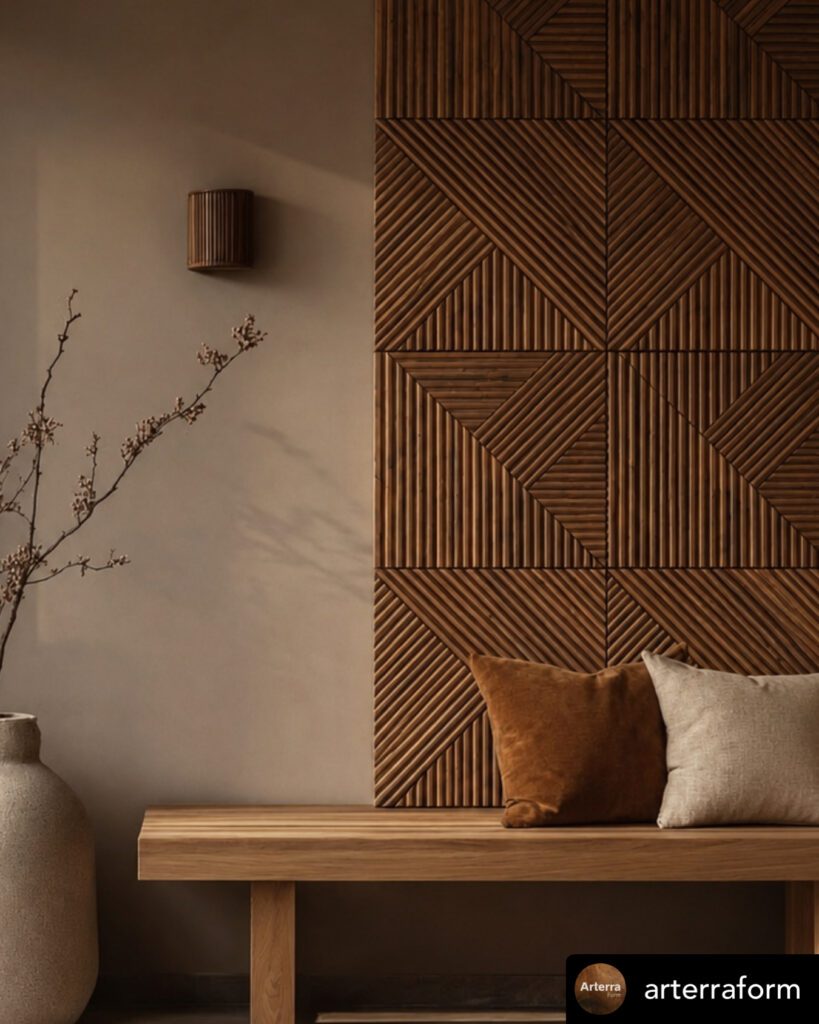
- Mixed wood tones with visible grain, fluted millwork, and handcrafted textures layering warmth into every surface
- Vintage revival and artisan craftsmanship favoring hand-blown glass, forged metals, and heirloom-quality pieces over mass production
- Wellness-focused features including spa-style bathrooms, rainfall showers, soaking tubs, and heated floors
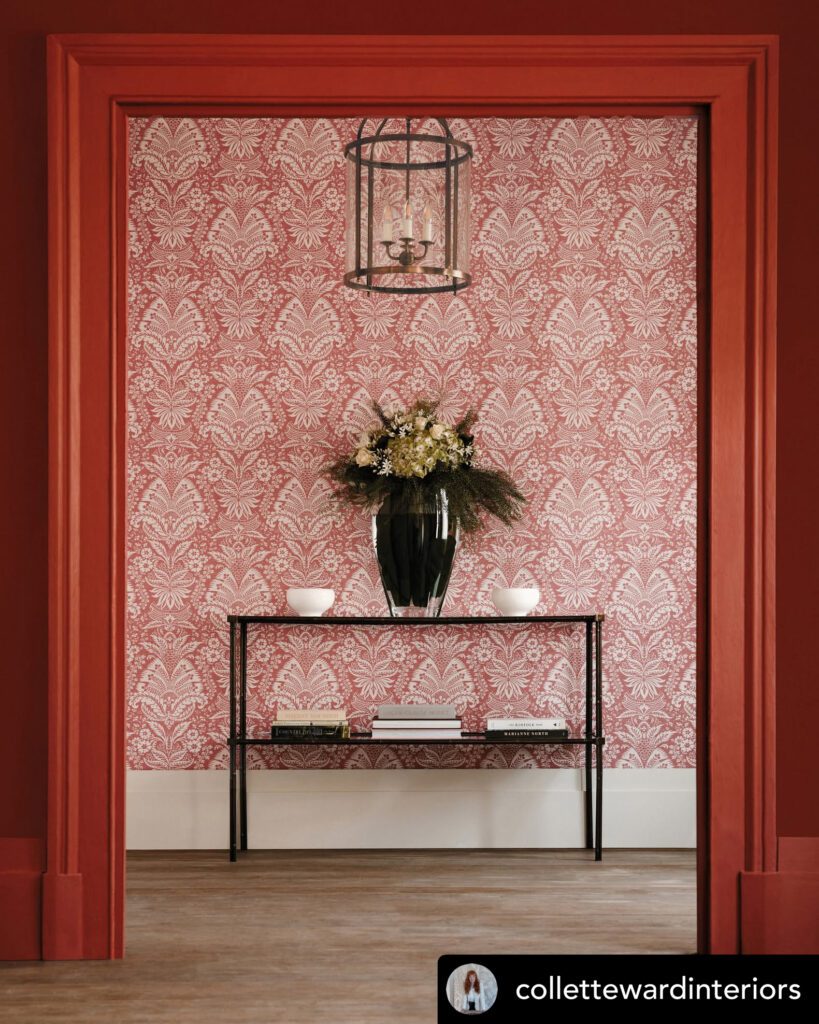
- Wallpaper renaissance with hand-painted and embroidered designs replacing flat, forgettable walls
- Technology as a quiet assistant in the design process, supporting visualization without overriding human creativity
- Sustainable materials woven into everyday choices, from reclaimed wood to bio-based fabrics
- Multifunctional furniture and defined rooms replacing the open-plan layouts that once felt so modern
The thread connecting all of these directions is a desire for homes that feel human. Not staged, not photographed, not optimized for a scroll. Just warm, considered, and worth coming home to.
2026 home trends interior design: the major styles shaping rooms and furniture
1. Modern heritage style and warm wood tones
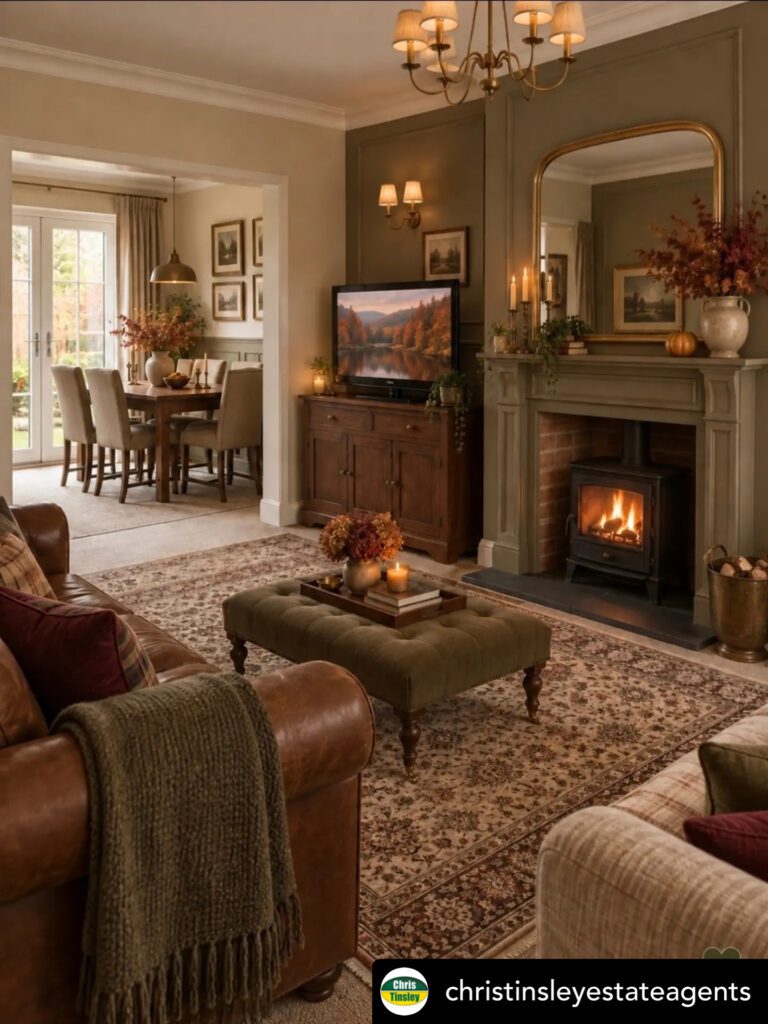
Traditional style is back, but it has shed its formal stiffness. Today’s version draws from English country and modern Tudor influences, arriving in kitchens as inset cabinetry, plate racks, arched range hoods, and richly stained woods. According to the 2025 U.S. Houzz Kitchen Trends Study, the share of homeowners choosing traditional style rose 5 percentage points compared with the previous year, a clear signal that comfort and craftsmanship are winning over novelty.
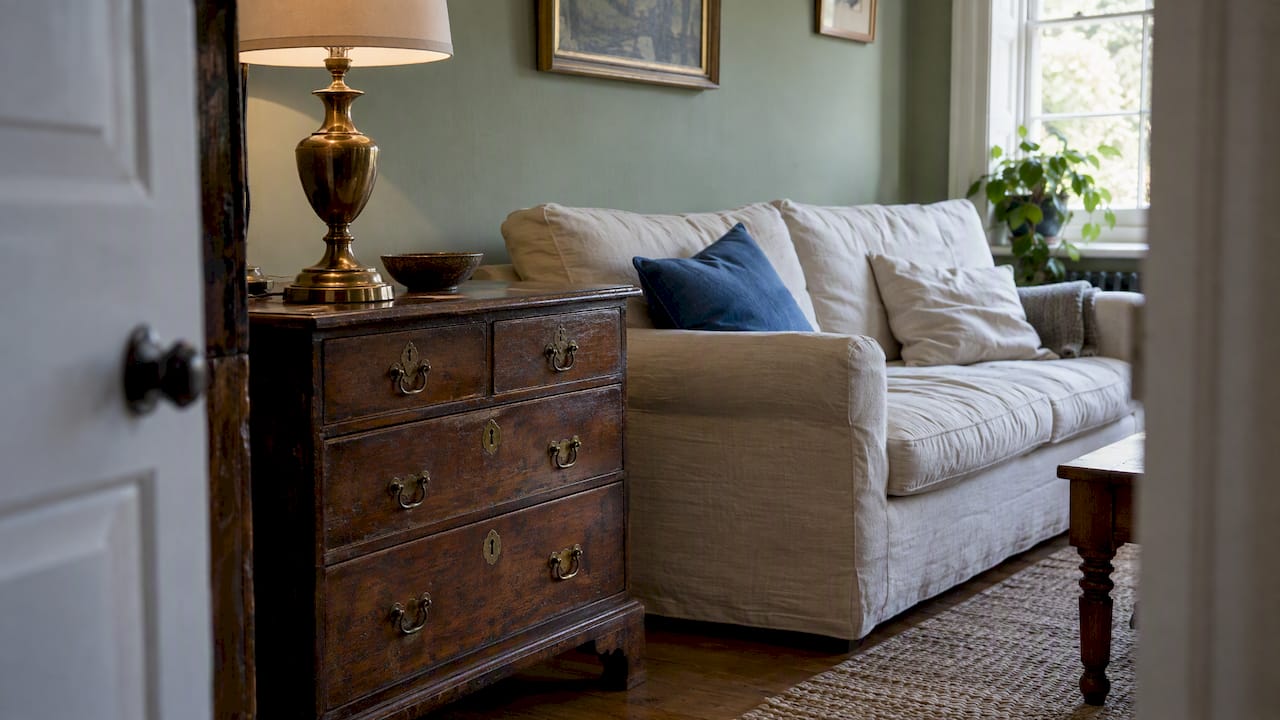
Darker wood tones are central to this revival. Walnut, cherry, cerused oak, and smoked finishes are replacing the pale, bleached surfaces that dominated the 2010s. The key is character: reclaimed pieces, burl styles, visible grain, and well-worn vintage plinths all contribute to that layered, personal feeling that defines the best 2026 interiors. Pair dark cabinetry with soft neutrals or subtly veined marble, and the result feels grounded without being heavy.
Pro Tip: Mix two wood tones in the same room rather than matching every surface. A walnut island paired with white oak open shelving creates depth that a single-wood kitchen simply cannot achieve.
2. Warm minimalism and organic luxe

Minimalism is not dead, but its cold, clinical version has run its course. What is replacing it is warmer and more sensory: rooms built on a tight material palette of three or fewer families, textiles with visible weave and weight, and furniture with clean profiles that invite touch rather than admiration from a distance. Designers are calling this “quiet luxury,” and it shows up in unlacquered brass, reclaimed oak, honed limestone, and plaster walls in warm bone and clay tones.
The distinction from earlier minimalism is tactility. A room can be spare and still feel rich if every surface has physical presence. Limewash plaster reads differently in morning versus afternoon light. A linen sofa in oatmeal tones carries more warmth than a white leather one ever could. Organic luxe is the art of restraint applied to materials that earn their place through texture and depth rather than ornamentation.
3. Sculptural and organic furniture forms
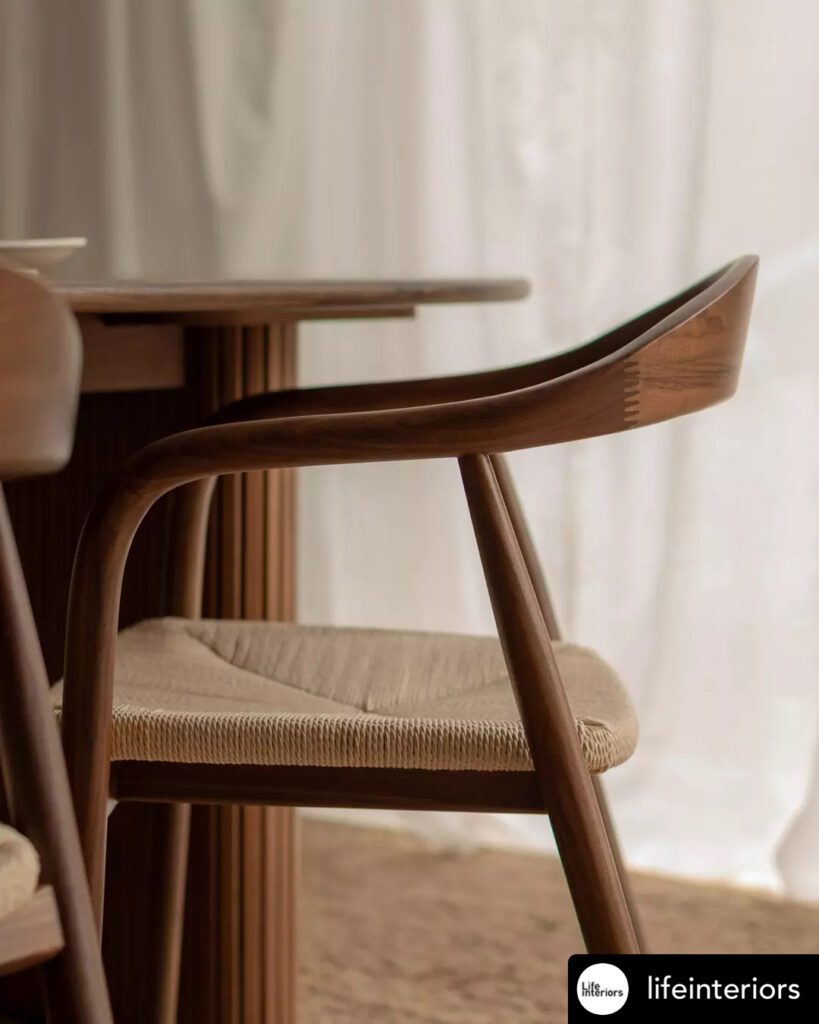
Curved sofas, rounded coffee tables, arched doorways, and sculptural accent chairs are becoming staples in American homes because they do something rigid furniture cannot: they make rooms feel relaxed. Interior designer Stacy Garcia describes the shift as moving “away from rigid, boxy silhouettes toward pieces with curves, flow, and a sense of ease,” noting that these reimagined classics arrive in earthy tones, plush fabrics, and tactile materials rather than the cool, sleek finishes of earlier decades.

Curved furniture also solves a practical problem. It softens open floor plans, improves flow in smaller apartments, and balances the boxy architecture common in suburban new builds. A curved sectional in a square room does not just look better. It actually makes the space easier to move through and more inviting to sit in.
4. The wallpaper renaissance
Flat, painted walls are losing ground to surfaces with story. Hand-painted and embroidered silk and linen wallcoverings are arriving in rooms that would have been plain white just three years ago, and the effect is transformative. As Gil Walsh, principal at Gil Walsh Interiors, puts it: “Wallpaper has come a long way. Today’s designs are stunning and offer such a wide range, for every taste and design. I love intricate hand-painted and embroidered silk and linen wallcoverings. They elevate a room to an entirely new level.”
The revival extends to textured plaster finishes as well. Limewash, Venetian plaster, and troweled clay are replacing flat drywall in living rooms, bedrooms, and even kitchens. These finishes breathe, shift with the light, and carry the unmistakable quality of a human hand, which is precisely what makes them feel so right for 2026.
5. Vintage revival and the anti-algorithm aesthetic
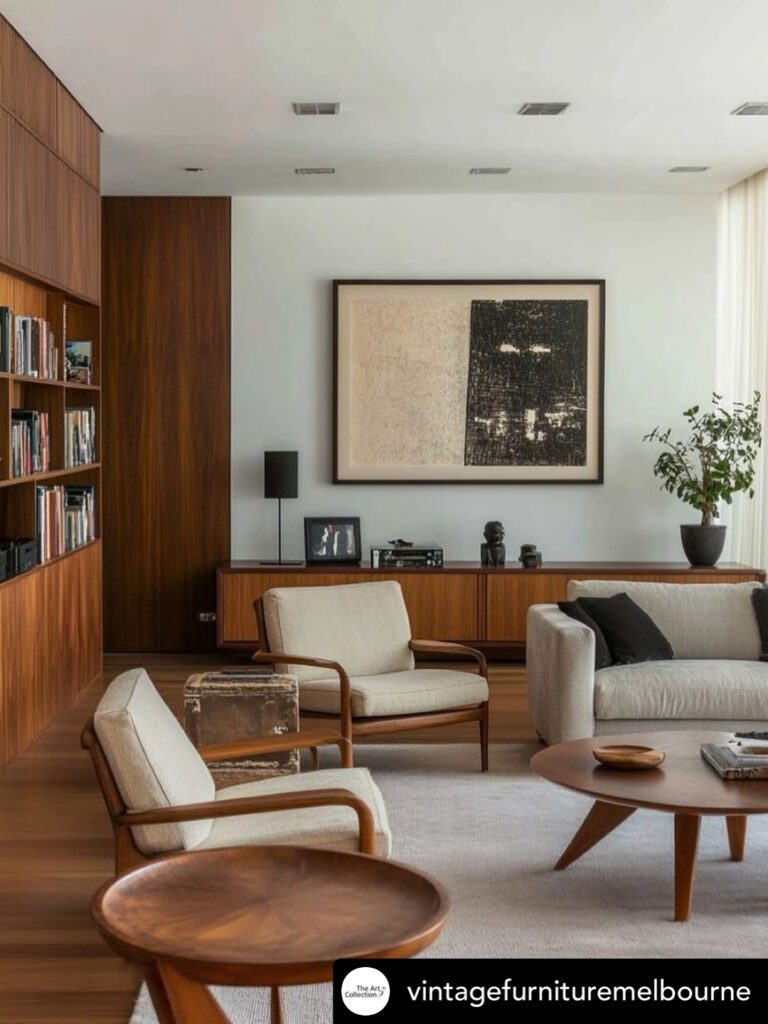
“I think we’re entering an anti-algorithm era. Social media encouraged a kind of aesthetic convergence, where everyone’s inspiration came from the same handful of images and homes began to look increasingly alike. Now, clients are choosing things that are stranger, more personal, and, frankly, a little quirky in the best possible way.” — Sarah Lederman, via Vogue
The shift toward lived-in interiors is a direct reaction to the mass-produced aesthetic that social media amplified. Homeowners are layering vintage or antique furniture with new, high-quality pieces to create spaces that feel collected over time rather than purchased in a single afternoon. Mixing periods, materials, and finishes creates the kind of layered narrative that no algorithm can replicate.
Pro Tip: Invest in one or two pieces that hold personal meaning, whether discovered while traveling or inherited, and build the room around them. Those anchor pieces are what make a space feel genuinely yours.
6. Fluted and reeded millwork
Fluting has moved from a niche detail to a defining surface treatment. Fluted fronts on kitchen islands, reeded panels on bathroom vanities, and ribbed cabinetry in living rooms all contribute to that tactile, handcrafted quality that 2026 interiors prize. The effect is subtle but powerful: a flat-front cabinet and a fluted one in the same wood tone read entirely differently, with the fluted version carrying far more visual warmth and depth.
This millwork trend pairs naturally with the broader move toward artisan craftsmanship. Woven rattan inserts, carved panels, and visible grain finishes all belong to the same family of details that make furniture feel made rather than manufactured.
7. Elevated door styles and architectural personality
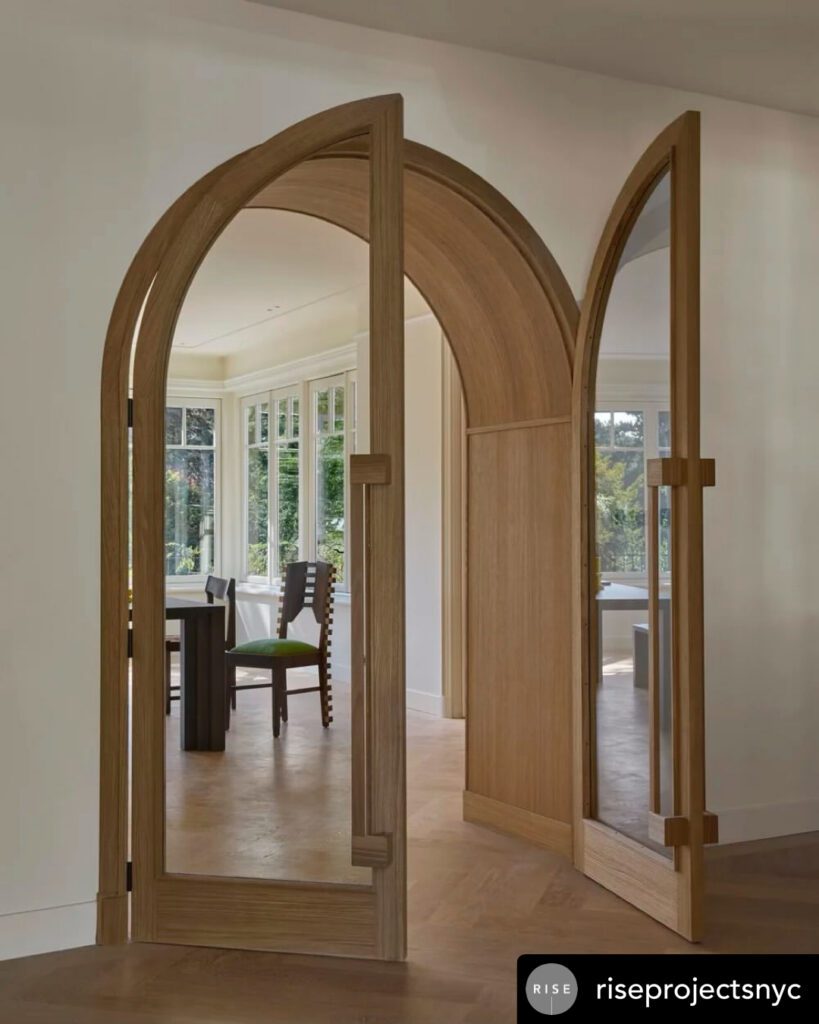
Doors are getting their moment. Arched doorways, paneled doors with deep reveals, and lacquered finishes in rich colors are replacing the hollow-core, flat-panel doors that builders have defaulted to for decades. An arched doorway between a kitchen and a dining room does not just look beautiful. It reinforces the return of defined rooms that the Houzz 2026 Emerging Trends Report identifies as one of the year’s most significant layout shifts.
The open floor plan craze is genuinely winding down. Homeowners are reclaiming libraries, sitting rooms, and proper dining rooms, creating spaces built for particular uses throughout the day. Defined rooms feel more intimate, more functional, and more personal than the vast, undifferentiated living areas that dominated new construction for the past two decades.
| Feature | Trending in 2026 | Fading Out |
|---|---|---|
| Wall finish | Limewash, textured plaster | Flat white drywall |
| Wood tone | Walnut, dark oak, cerused finishes | Bleached, pale oak |
| Cabinetry style | Inset, fluted, arched details | Waterfall edges, flat slab |
| Color palette | Rust, chocolate brown, deep green | Cool gray, stark white |
| Furniture silhouette | Curved, sculptural, organic | Rigid, boxy, angular |
| Floor plan | Defined, zoned rooms | Open-concept everything |
How decor accessories reinforce the 2026 aesthetic
The right accessories do not just fill space. They complete the story a room is trying to tell. In 2026, that story is one of warmth, character, and quiet individuality, and the details that carry it are more specific than ever.
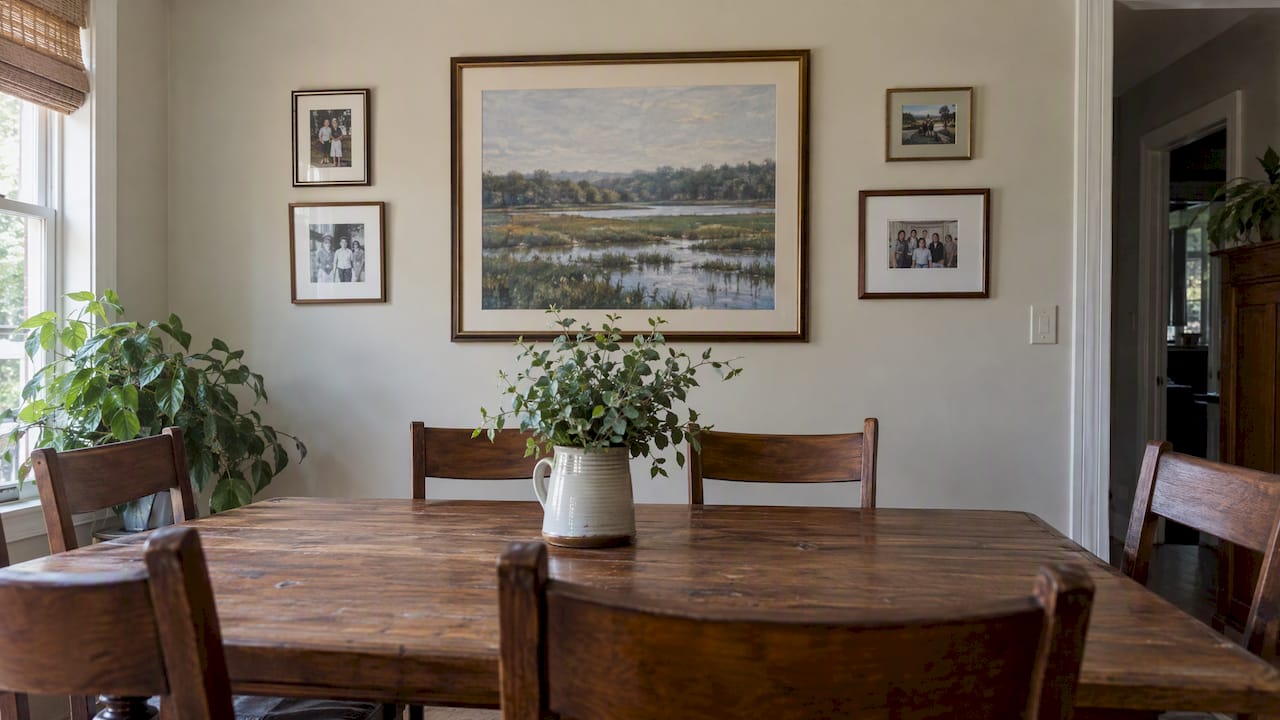
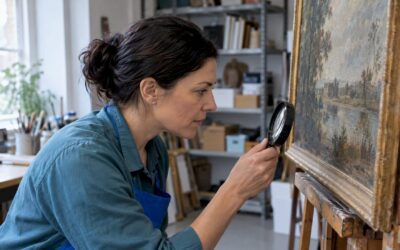
Frames and wall art are getting bolder. Thick, matted frames in dark wood or aged gold bring a gallery-like weight to photography and prints, turning a single image into a genuine focal point. Large-scale photographs and oversized artwork replace the gallery walls of tiny, uniform prints that felt so current five years ago.
Textiles are where the warmth lives. Heirloom-quality fabrics, including embroidered linens, woven wool throws, and velvet cushions in deep jewel tones, layer sensory richness into a room without demanding a renovation. Swan motifs, botanical prints, and geometric patterns drawn from global craft traditions are all appearing on upholstery and soft furnishings, each one a small act of personal expression.
- Bamboo blinds and natural woven shades filter light softly while reinforcing the biophilic connection to natural materials
- Drapes in heavyweight linen or silk add architectural drama, especially when pooled slightly on the floor
- Tin accents and wall plates introduce a patinated, artisanal quality to kitchens and entryways
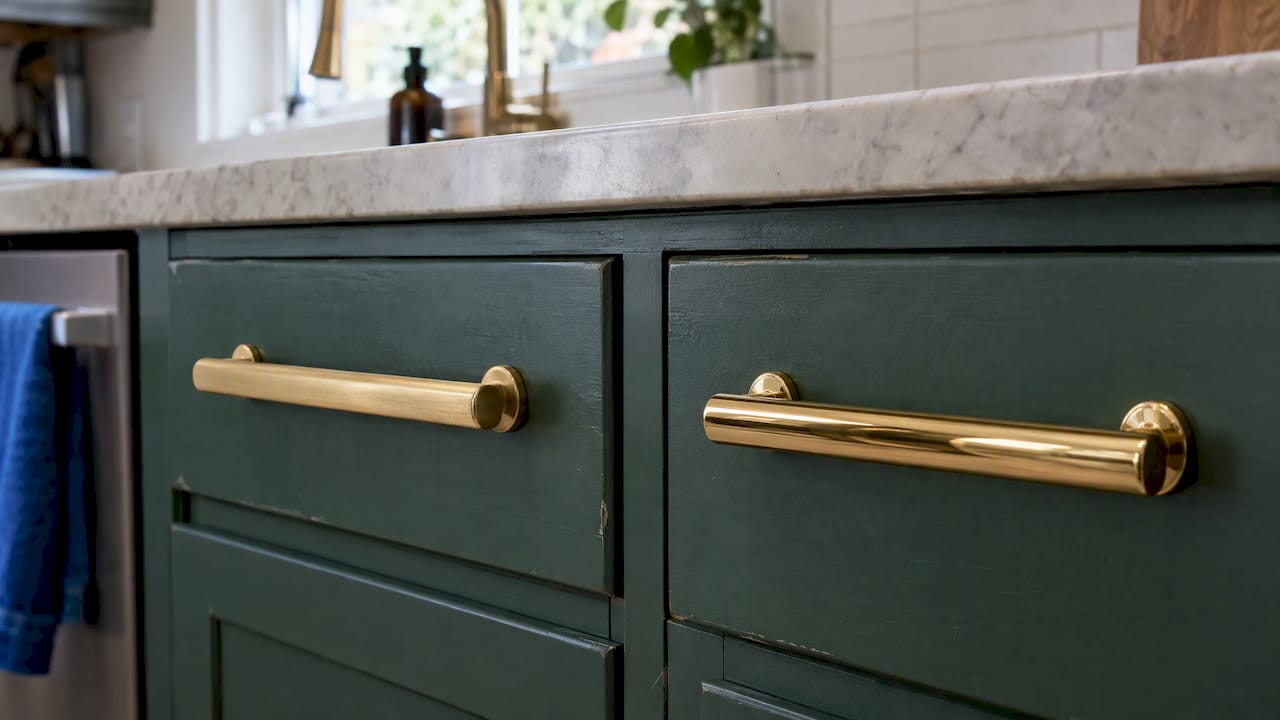
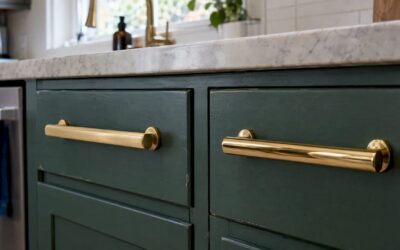
- Square knobs and cup pulls in unlacquered brass or aged bronze replace the ubiquitous brushed nickel of the previous decade
- Lacquered pieces in deep greens, oxblood, or navy add a layer of sophistication that painted furniture rarely achieves
- Western-themed art and folk motifs are appearing in living rooms as a counterpoint to the European-influenced heritage aesthetic
Pro Tip: Layer metals rather than matching them. Unlacquered brass on cabinet hardware, aged bronze on a pendant light, and matte black on a faucet create a collected, jewelry-like quality that all-matching finishes never achieve.
Mixing vintage and modern within the same room is the technique that ties all of these elements together. A Roger Capron vintage coffee table alongside a contemporary curved sofa is a perfect example: the contrast between old and new creates tension and interest that a matched set simply cannot produce.
Color psychology and wellness features defining 2026 spaces
The warm earth tone palette
The numbers behind 2026’s color story are striking. Rust searches on Houzz are up 178%, chocolate brown up 153%, and mushroom tones up 69%, replacing the cool gray and white palettes that ruled American interiors for the better part of a decade. These are not accent colors anymore. They are primary palettes, anchoring entire rooms in tones that feel grounded, warm, and emotionally resonant.
“Color stories reflect emotion rather than trend, with deeper tones that ebb and flow with your moods — calm mornings, moody afternoons, sensual evenings.” — Interior designer Anngelica Mohabir, via The Spruce
Deep greens are equally dominant. Sage, olive, forest, and dark emerald are functioning as neutrals in kitchens, bathrooms, and living rooms, often paired with handmade tile, deeply veined marble, and warm wood tones. Ashley Banbury, color marketing manager at HGTV Home by Sherwin-Williams, points to specific shades gaining momentum: khaki tones as warm alternatives to white, watery sage greens like Still Water (HGSW6223) for their calming, nature-connected quality, and earthy reds like Cordovan (HGSW6027) for their grounded, muted warmth.
| Color | Mood effect | Best pairing |
|---|---|---|
| Rust and terracotta | Energizing, grounding | Dark walnut, cream linen |
| Chocolate brown | Cocooning, sophisticated | Pale blue, aged brass |
| Mushroom and warm taupe | Calming, timeless | Natural stone, matte black |
| Deep forest green | Restorative, organic | Marble, warm oak |
| Dusty blue | Serene, airy | Chocolate brown, unlacquered brass |
Wellness-focused home features
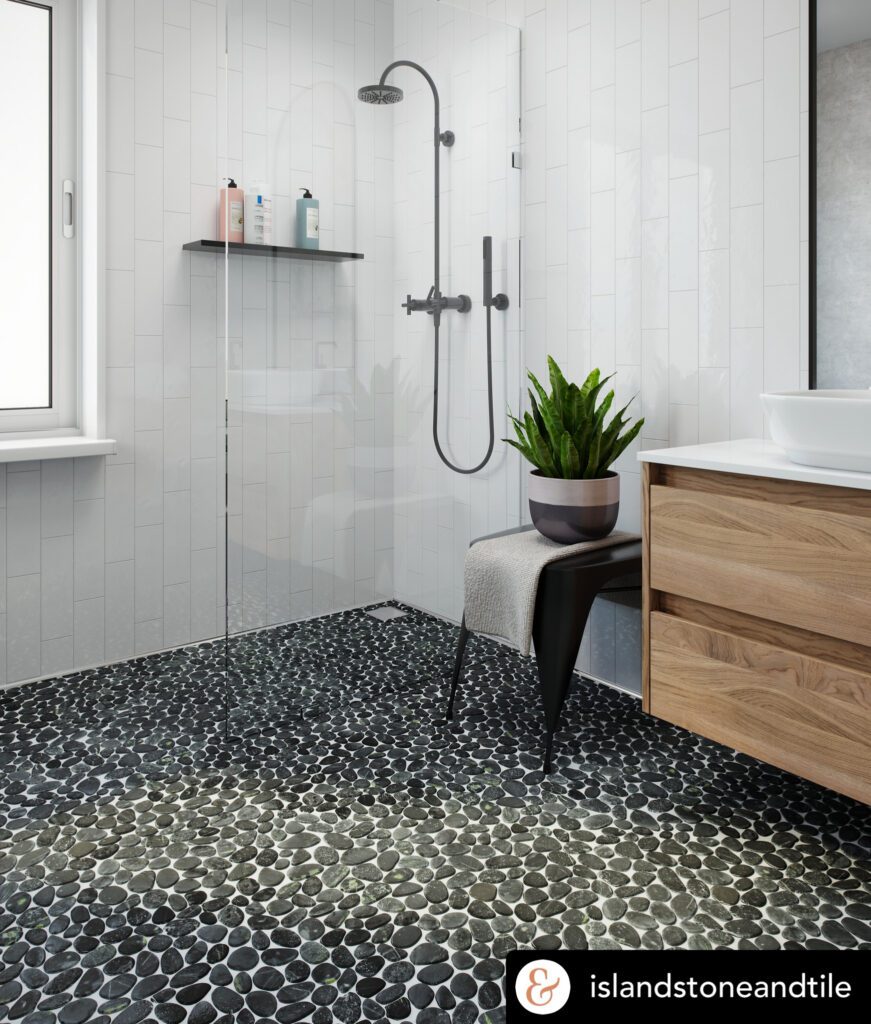
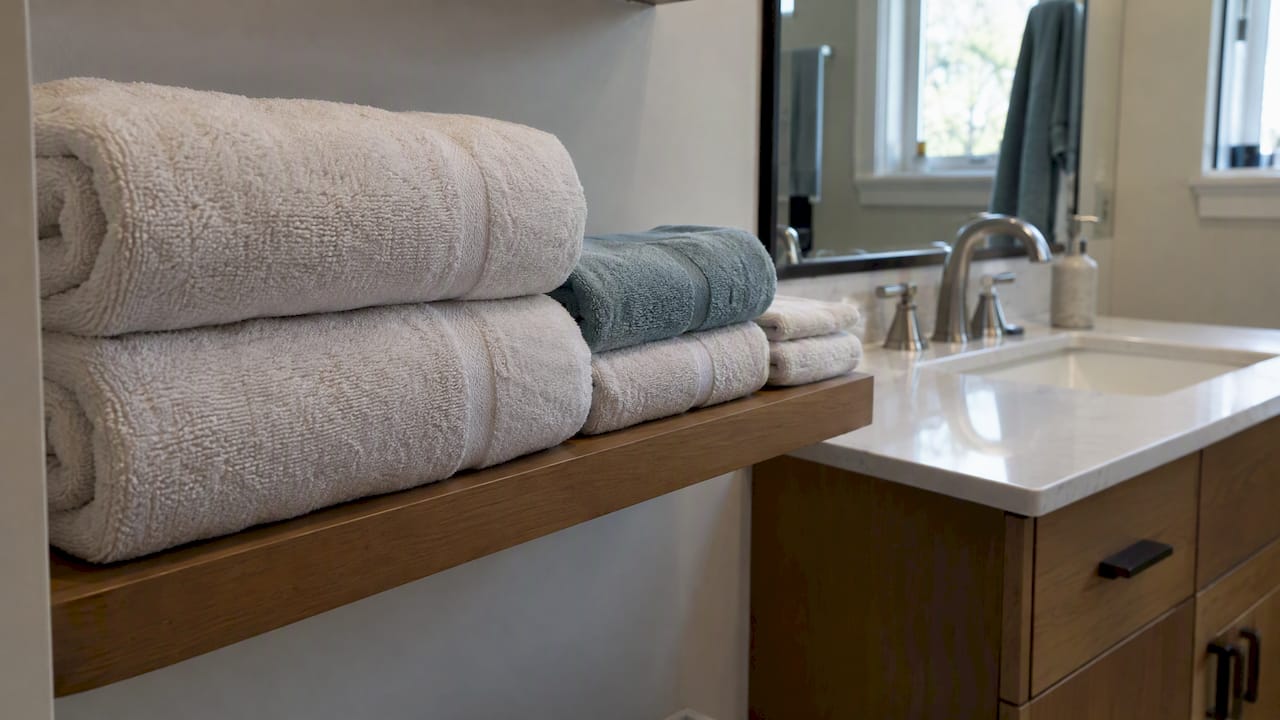
Wellness features including spa-inspired bathrooms, rainfall showers, deep soaking tubs, and heated floors are up 33% in 2026. The bathroom has become the room homeowners most want to feel like a retreat, and the design decisions reflect that shift: walk-in showers with large rain heads and bench seating, curbless entries, and natural stone surfaces are replacing the standard tub-and-tile combinations that dominated American bathrooms for decades.
Heated floors deserve particular attention. Once considered a luxury reserved for high-end renovations, radiant floor heating is appearing in mid-range bathroom remodels as homeowners prioritize sensory comfort alongside aesthetics. The same logic applies to soaking tubs: freestanding tubs in matte stone or cast iron are returning not as decorative objects but as genuinely used wellness features.
Pro Tip: When planning a bathroom refresh, prioritize the shower experience first. A rainfall showerhead and a curbless entry deliver the most immediate sensory impact for the investment, and both align with the accessibility-forward design principles that aging-in-place planning increasingly demands.
Sustainability runs through all of these choices. Reclaimed wood, recycled-glass tiles, low-VOC paints, bio-based fabrics, and natural stone are the materials homeowners are reaching for, not because they are fashionable but because they last. Nearly two-thirds of renovating homeowners expect to stay in their homes for 11 years or more, which makes the case for durable, responsibly sourced materials far more compelling than any trend cycle.
How technology and AI tools are supporting design in 2026
Technology’s role in interior design has clarified considerably. AI-powered tools are now used by design professionals for visualization and concept iteration, helping clients see how a specific trend would look in their actual room before any commitments are made. The shift is compressing the gap between inspiration and decision, making the design process more collaborative and less reliant on imagination alone.
“CGI and 3D visualization tools allow designers and clients to explore material combinations, spatial arrangements, and lighting scenarios with a level of accuracy that hand-drawn sketches simply cannot match. The result is fewer surprises during installation and more confident decision-making throughout the process.”
The critical distinction is that technology assists rather than authors. AI tools generate options and iterate concepts faster, but the creative authority remains with the designer and the homeowner. The most authentic 2026 interiors are not the ones that an algorithm assembled. They are the ones where a person made deliberate, personal choices, and technology simply helped them see those choices more clearly before committing.
Smart home integration is evolving along similar lines. IoT devices for climate control, lighting automation, and energy monitoring are being embedded into millwork and surfaces rather than displayed as gadgets. Concealed cove lighting, illuminated niches, hidden charging stations, and panel-ready appliances all serve the same goal: technology that supports daily life without announcing itself.
Pro Tip: Before beginning any renovation, use a CGI visualization service to render your room in two or three different material palettes. Seeing walnut versus cerused oak versus painted cabinetry in your actual space eliminates the guesswork that leads to expensive regrets.
Textile innovations: sustainable and tactile fabrics
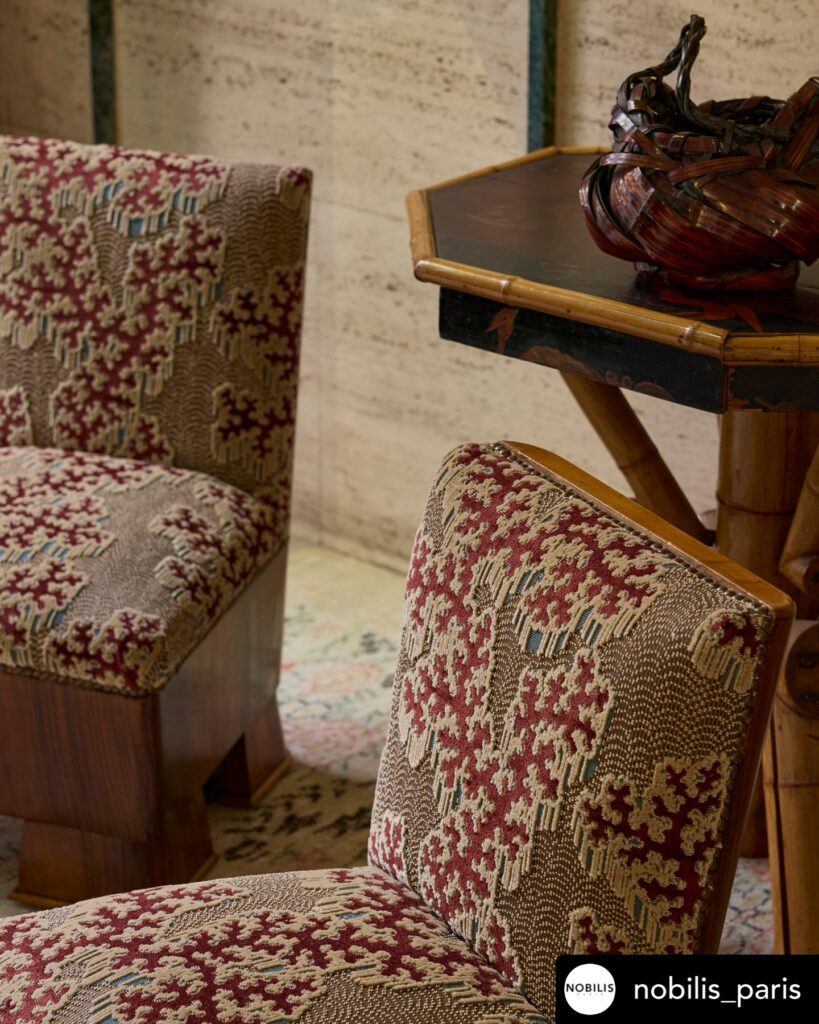
Fabric is having a genuinely interesting moment in 2026. The shift away from smooth, glossy surfaces has created an appetite for textiles that reward touch as much as sight, and the materials responding to that appetite are both more tactile and more responsibly made than what came before.
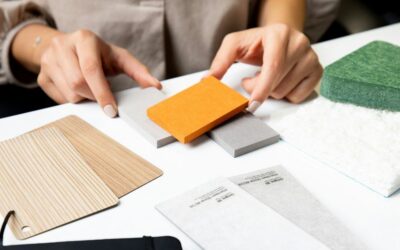
Chenille, velvet, and bouclé are the textures appearing most frequently in living rooms and bedrooms, each one carrying a sensory warmth that flat weaves and polyester blends cannot replicate. Linen remains the workhorse of the natural fabric world, valued for its visible texture, its breathability, and its ability to age gracefully. Wool, whether in rugs, throws, or upholstery, adds acoustic softness alongside visual depth.
The sustainability dimension is equally significant. Bio-based fabrics made from plant fibers, recycled-content textiles, and naturally dyed materials are moving from specialty suppliers into mainstream availability. Homeowners are choosing fewer, higher-quality textiles rather than layering fast-fashion equivalents that fade and pill within a season. A well-made linen curtain or a hand-woven wool rug carries the same “collected over time” quality that the best 2026 furniture does.
Patterned upholstery is also returning with confidence. Geometric patterns, botanical prints, and global craft-inspired motifs are appearing on chairs, ottomans, and bed frames, each one functioning as a small piece of art within the room. Dramatic drapery is following suit: heavyweight fabrics used as space dividers, ceiling canopies, and soft wall coverings are adding movement and architectural presence that paint simply cannot achieve.
Multifunctional furniture for flexible living spaces
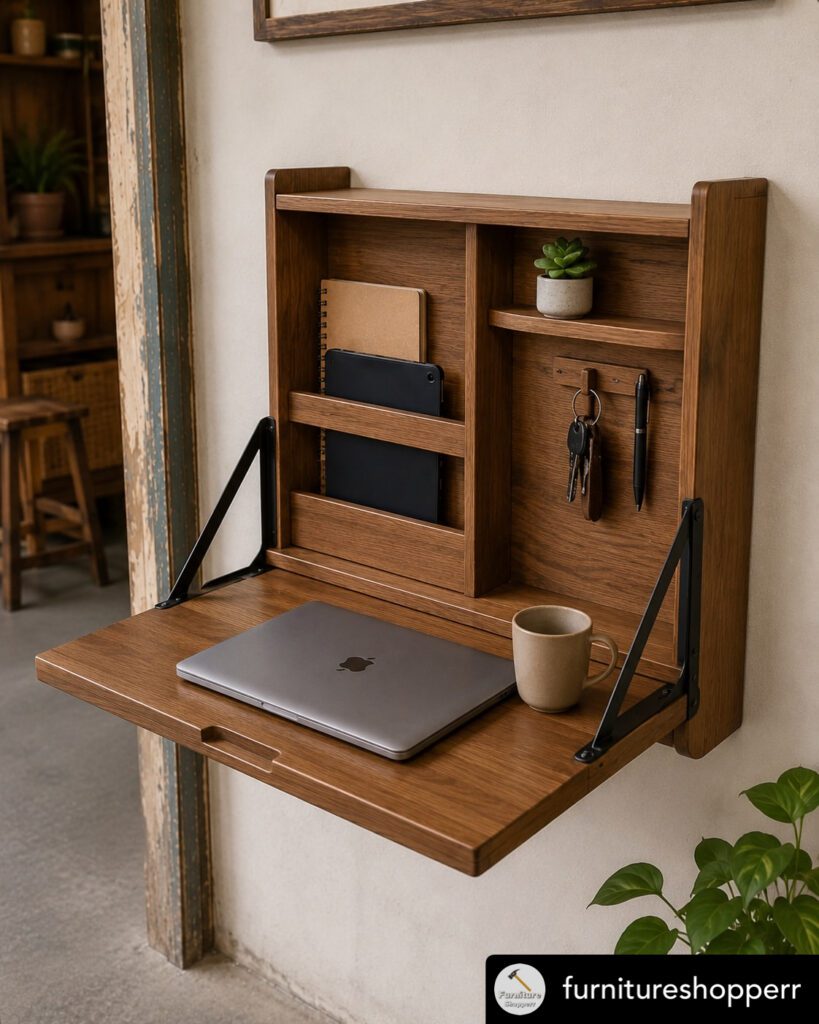
The return of defined rooms does not mean every room serves only one purpose. It means each space is designed with intention, and the furniture within it earns its place by doing more than one thing well. This is where multifunctional design becomes genuinely interesting rather than merely practical.
Multifunctional built-in wall units are transforming living rooms into organized, stylish hubs. These cabinetry walls combine zoned areas for televisions, fireplaces, open and closed storage, and even bars into a single cohesive feature, reducing the need for additional furniture while maximizing wall space. Custom shelving displays curated decor while closed cabinetry keeps daily essentials out of sight.
For flexible living spaces, the most useful furniture tends to share a few qualities:
- Generous proportions with smart storage built in, such as bed frames with integrated drawers or ottomans that open to reveal hidden compartments
- Modular sectionals that reconfigure for movie nights, work-from-home setups, or entertaining without requiring a second sofa
- Extendable dining tables in warm wood tones that serve as everyday surfaces and occasional gathering tables
- Nesting side tables in mixed materials that stack away when not needed and spread out when guests arrive
- Bedroom storage furniture that addresses the real friction points: where to charge devices, where to store everyday items, and how to keep a room feeling calm
The deeper logic here connects to how Americans are actually living now. Hybrid work, multigenerational households, and the desire for quieter, more purposeful rooms all point toward furniture that adapts rather than furniture that simply fills space. A well-chosen piece that serves two functions and looks beautiful doing both is worth far more than two mediocre pieces that each do one thing adequately.
Lighting trends that enhance natural light and add warmth
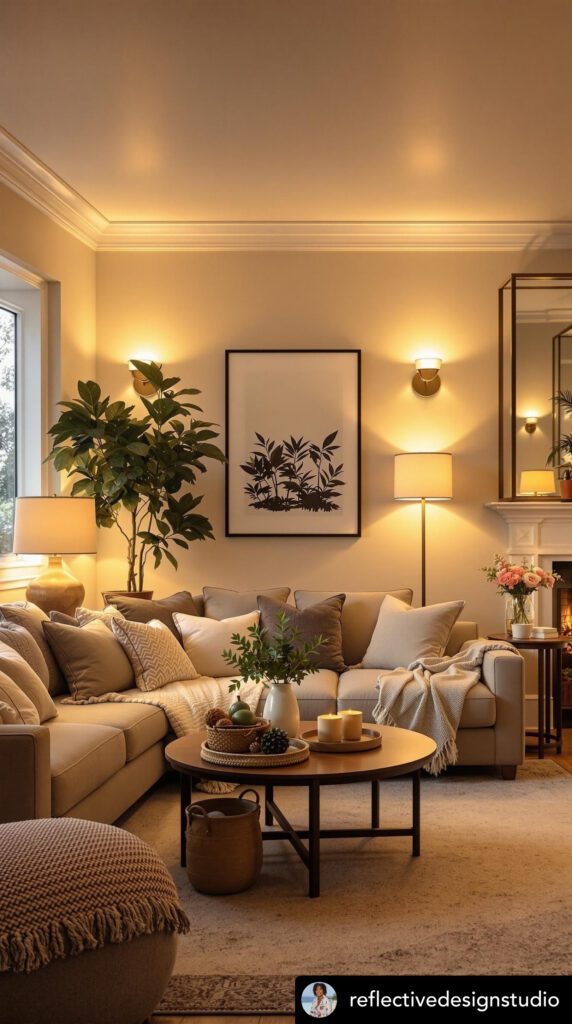
Lighting is the element that makes every other 2026 trend work better or worse. The shift away from recessed grids and cold overhead fixtures toward layered, warm, and architecturally integrated lighting is one of the most impactful changes a homeowner can make without touching a single wall.
Natural light enhancement is the starting point. Larger windows, skylights, and the strategic removal of heavy window treatments are all part of the biophilic design approach that has seen such dramatic search growth this year. Where natural light is limited, the goal is to mimic its quality: warm color temperatures, diffused sources, and fixtures that cast light in multiple directions rather than straight down.
Statement fixtures are replacing the recessed can lights that dominated American homes for two decades. Sculptural pendants in hand-blown glass, aged brass, or ceramic are appearing over kitchen islands, dining tables, and in entryways, each one functioning as a piece of art as much as a light source. Wall sconces are returning to bedrooms and hallways, adding the layered, intimate quality that a single overhead fixture can never achieve.

Concealed lighting is equally important. Cove lighting embedded in millwork, illuminated niches, and under-cabinet strips in warm tones all contribute to the ambient depth that makes a room feel considered rather than simply lit. The goal is a room that glows rather than one that is merely bright, and achieving that requires thinking about light sources the way a set designer would: from multiple angles, at multiple heights, and with warmth as the primary criterion.
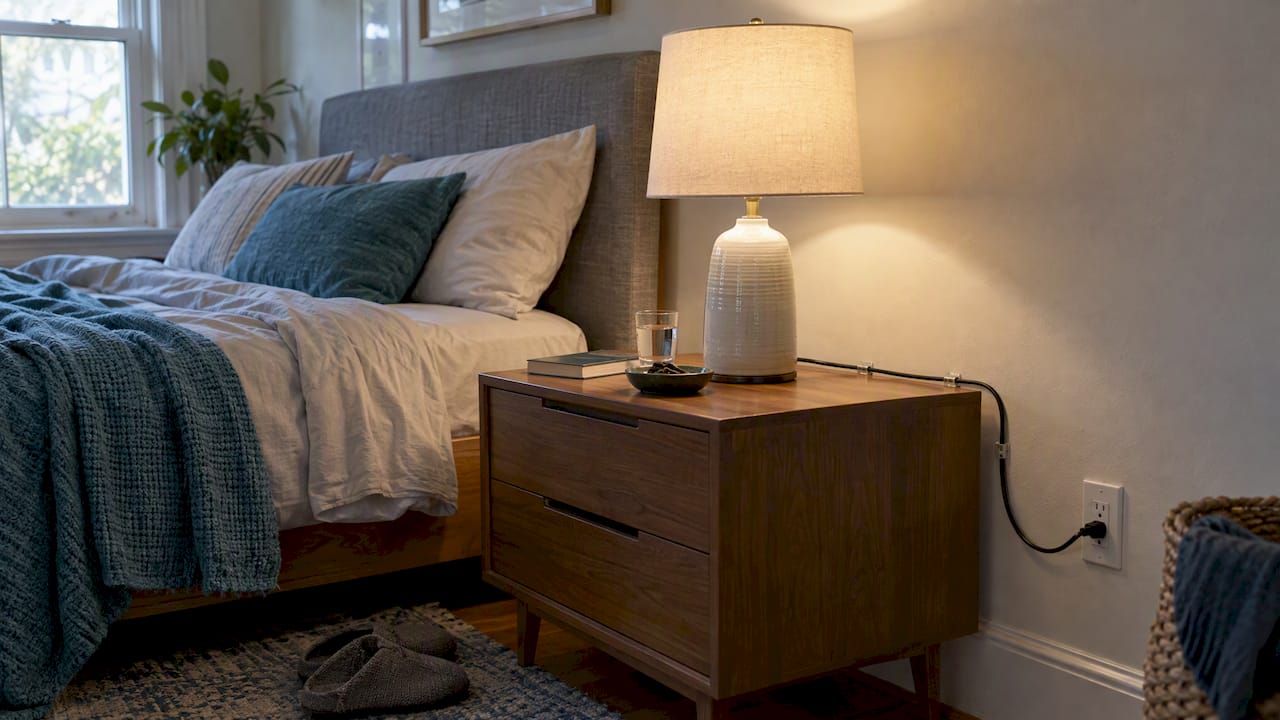
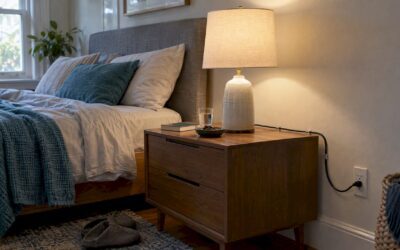
For 2026 bedroom design, lighting deserves particular attention. Bedside sconces free up nightstand surface space, create a more intimate reading environment, and reinforce the spa-like quality that wellness-focused design demands. Dimmable fixtures throughout the bedroom allow the space to shift from functional morning light to the soft, cocooning warmth that supports genuine rest.
Key Takeaways
The defining direction of 2026 interior design is warmth, authenticity, and sensory richness, with data-backed shifts in color, material, and spatial planning all pointing toward homes that feel genuinely personal rather than algorithmically assembled.
| Point | Details |
|---|---|
| Earth tones dominate color choices | Rust searches rose 178%, chocolate brown 153%, and mushroom 69%, replacing cool grays as the primary palette. |
| Biophilic design leads search growth | Houzz reports a 112% year-over-year increase in biophilic design searches, making it the top emerging category. |
| Wellness features are rising fast | Wellness features like heated floors, rainfall showers, and spa-inspired bathrooms are up 33%. |
| Vintage and artisan pieces anchor rooms | Layering antique or handcrafted pieces with new furniture creates the “collected over time” quality that defines 2026 interiors. |
| Technology assists, not replaces | AI and 3D visualization tools support planning and client collaboration without substituting for personal creative choices. |
Discover more at Artinlifestyle

The trends shaping 2026 interiors reward homeowners who invest in quality, character, and personal meaning over novelty. Whether you are refreshing a single room or planning a full renovation, the most lasting choices will be the ones that reflect how you actually live. Artinlifestyle covers the full spectrum of these shifts, from curated art for modern interiors to practical home decor ideas that bring 2026’s warmth and authenticity into any space.