
Upholstered beds are defined by their fabric-covered frames and headboards, and yes, they do get dirty through ordinary, nightly use. Dust, body oils, skin cells, pet hair, and the occasional spill all find their way into soft fabric surfaces far more readily than they settle on wood or metal frames. The good news is that with the right upholstered bed maintenance tips, keeping your bed looking and feeling fresh is far less demanding than most homeowners expect. This guide covers what accumulates, how often to clean, and the best cleaning methods for upholstered beds, so you can protect your investment without guesswork.
Do upholstered beds get dirty faster than other bed types?
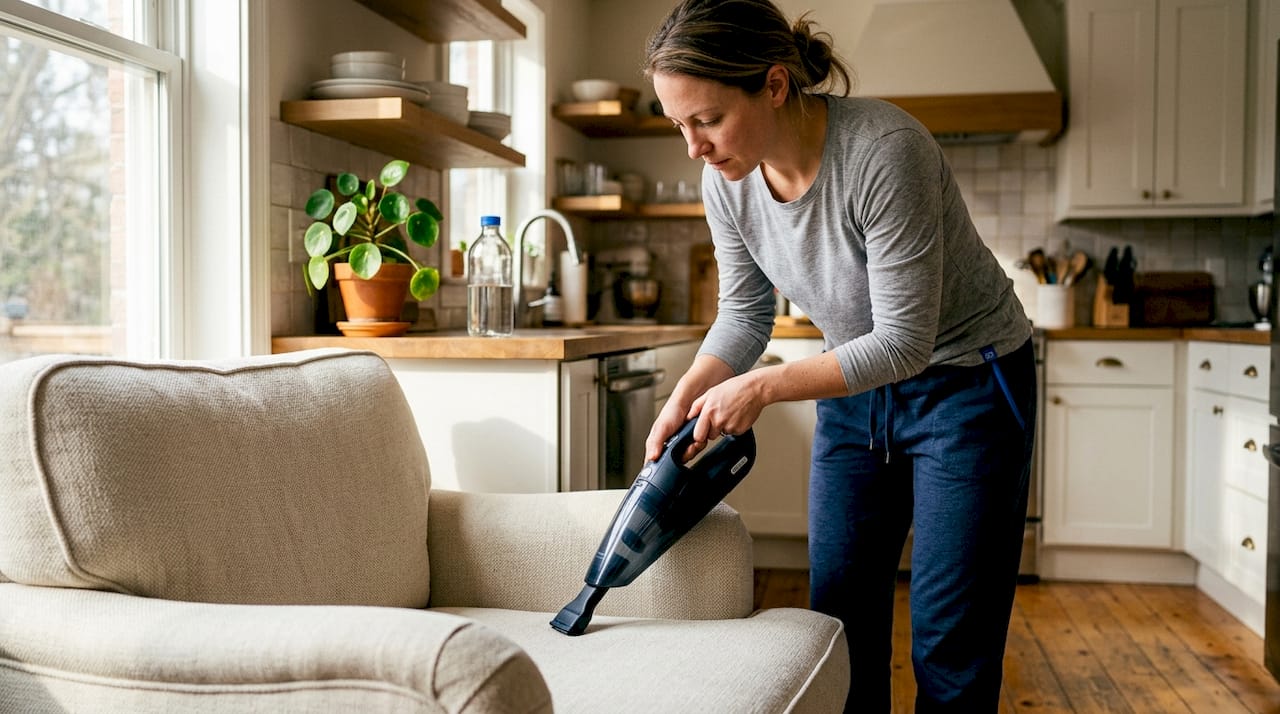
Fabric surfaces are natural collectors. Where a wooden frame can be wiped clean in seconds, upholstery traps particles deep within its fibers, making contamination invisible until it has already caused dulling or discoloration. Experts recommend a weekly vacuuming routine using a soft brush attachment to prevent dust and oils from embedding into the weave. That single habit alone separates beds that age gracefully from those that look worn within a year or two.
The fabric surface also acts as a quiet reservoir for allergens. Dust mites thrive in soft furnishings, and upholstered headboards harbor more bacteria than many homeowners realize, simply because of their close contact with skin and hair during sleep. Understanding this is the first step toward doing something about it.
What kinds of dirt and stains commonly affect fabric beds?
Fabric beds face a wide cast of contaminants, each with its own behavior and risk level.
- Body oils and skin cells transfer during sleep every single night. Over weeks, they build a subtle film that dulls fabric color and creates an environment where bacteria multiply.
- Dust and pet hair settle on every horizontal surface, but upholstery holds them in place rather than letting them slide off. Homes with pets see this buildup accelerate noticeably.
- Food and drink spills are the most visually dramatic threat. A coffee splash left untreated for even a few hours begins to oxidize and bond with fibers, making removal significantly harder.
- Moisture and humidity create conditions for mold growth, particularly in poorly ventilated bedrooms. Mold not only damages fabric but poses genuine health risks.
- Sweat and body heat soften adhesives and weaken fabric backing over time, especially in warmer climates or for those who sleep hot.
The combination of these contaminants means that do fabric beds stain easily is less a question of “if” and more a question of “when.” The fabric type determines how quickly stains set and how difficult they become to remove.
How often should you clean your upholstered bed?
Cleaning frequency should be based on contamination level, not just visible dirt. A bed that looks clean may still carry weeks of accumulated oils and allergens. A structured schedule prevents that invisible buildup from becoming a permanent problem.
- Weekly: Vacuum the entire frame, headboard, and seams using a soft brush attachment. Pay extra attention to tufted areas and crevices where dust concentrates.
- Monthly or bi-monthly: Spot treat any marks or discoloration with a mild soap solution. Deodorize with baking soda, letting it sit for 2–3 hours before vacuuming it away.
- Seasonally: Perform a full deep clean, including steam cleaning where the fabric code allows. This addresses embedded grime and odors that lighter maintenance misses.
- Immediately after spills: Blot, do not rub. Speed is the single most important factor in stain removal.
Regular preventive cleaning is more effective than reactive deep cleaning. Routine upkeep is less effort than removing deep-set grime later, and it keeps the fabric looking vibrant season after season.
Pro Tip: Keep a small spray bottle of diluted mild dish soap and a stack of white microfiber cloths on your nightstand shelf. Immediate access means you will actually use them when a spill happens.
Proper care can keep upholstery looking fresh for over 10 years. That longevity depends almost entirely on consistency rather than any single heroic cleaning session.
What are the best cleaning methods for upholstered beds?
The single most important step before cleaning any upholstered bed is reading the care label. Cleaning codes W, S, WS, and X dictate which products are safe to use. W means water-based cleaning is safe. S means solvent-based cleaners only. WS allows either. X means vacuum only, no liquids at all. Ignoring these codes risks irreversible shrinkage or discoloration.
Fabric-specific guidance
Cotton and linen (usually coded W or WS) tolerate mild soap and water well. Use a damp white microfiber cloth and work in small sections, avoiding saturation. White or light-colored microfiber cloths prevent dye transfer that can permanently stain upholstery during wet cleaning.
Velvet requires the most caution. Its pile crushes easily when wet, and rubbing in the wrong direction leaves permanent marks. A dry brush or low-suction vacuum is the safest daily tool. Steam cleaning velvet carries real risk and should only be attempted by someone familiar with the fabric’s behavior.
Leather and faux leather respond well to a damp cloth and a dedicated leather conditioner applied monthly. Avoid soap-based solutions, which strip natural oils and cause cracking over time.
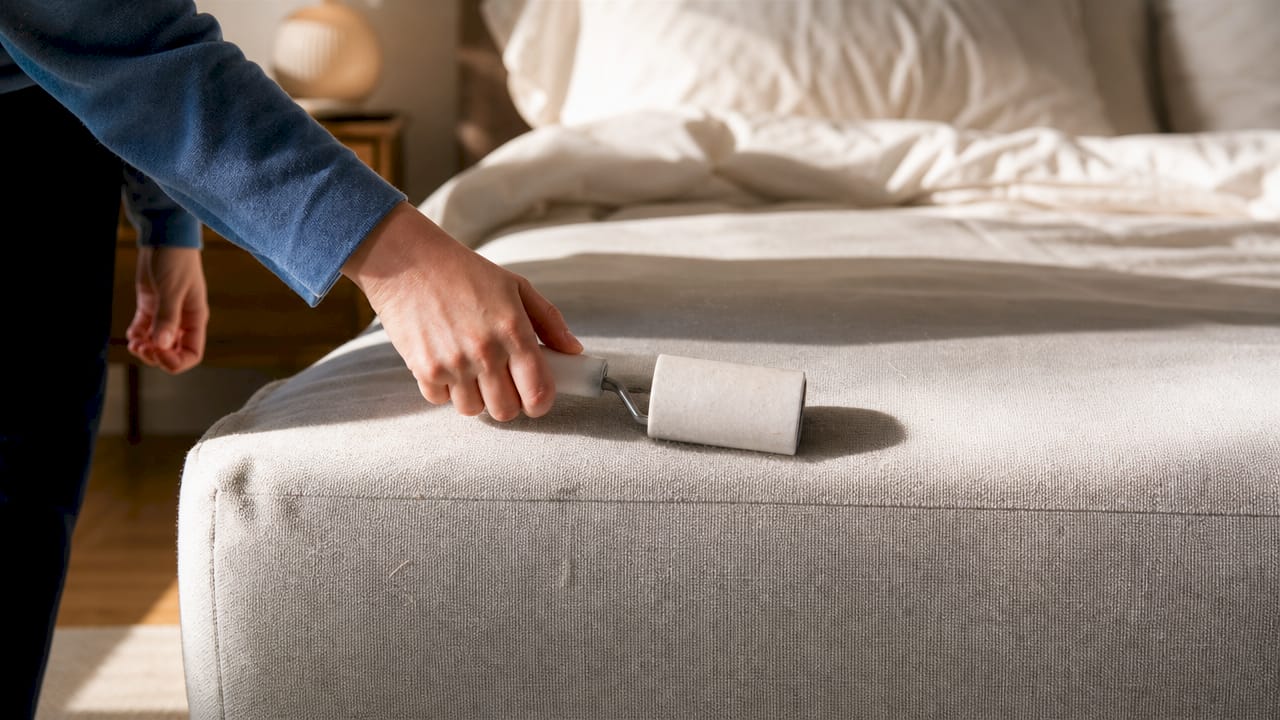
Bouclé and textured weaves trap debris in their loops and are best maintained with a lint roller and gentle vacuuming. Steam cleaning is effective for some fabrics but risks damage for velvet and bouclé if done improperly.
Pro Tip: Always test any cleaning product on an inconspicuous area, such as the underside of the frame, and wait 10 minutes before proceeding. This one step prevents the most common cleaning disasters.
| Fabric type | Code | Recommended method |
|---|---|---|
| Cotton / linen | W or WS | Mild soap solution, white microfiber cloth |
| Velvet | S or X | Dry brush or low-suction vacuum only |
| Leather / faux leather | WS | Damp cloth plus leather conditioner |
| Bouclé / textured weave | S or X | Lint roller and gentle vacuuming |
| Polyester blend | W or WS | Mild soap solution, allow full air dry |
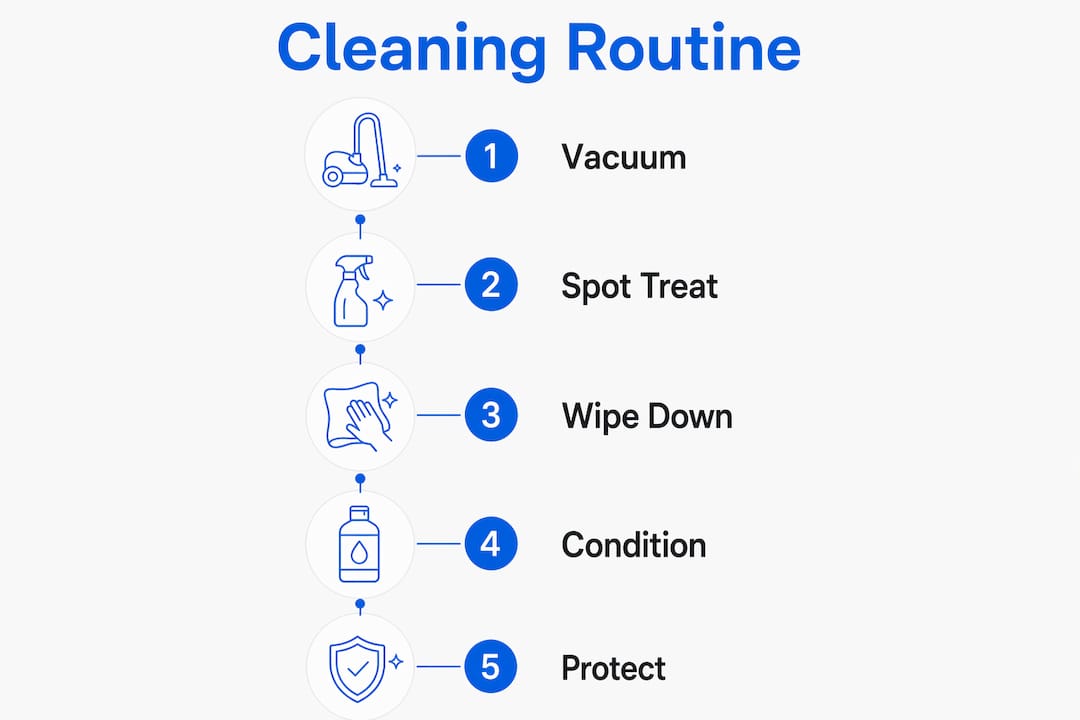
Step-by-step routine to keep your upholstered bed clean
A reliable upholstered bed care guide works in layers, from the lightest daily habits to the deeper seasonal reset.
Weekly vacuuming:
- Attach the soft brush tool to your vacuum.
- Work from the top of the headboard downward in overlapping strokes.
- Pay extra attention to seams, tufting buttons, and the base of the frame where debris collects.
- Finish with the mattress platform if it is fabric-covered.
Immediate spill response:
- Blot the spill with a clean white cloth, pressing firmly without rubbing.
- Work from the outer edge of the stain inward to avoid spreading.
- Apply a small amount of mild dish soap diluted in cool water using a fresh cloth.
- Blot stains gently rather than rubbing to prevent spreading and deep embedding into fibers. Stains that are rubbed can become permanent within 24 hours.
Monthly deodorizing:
- Lightly sprinkle baking soda across the headboard and frame surfaces.
- Leave baking soda on the fabric for 2–3 hours to absorb moisture and odors.
- Vacuum thoroughly using the brush attachment.
Seasonal deep clean:
- Complete the full vacuuming and spot treatment routine first.
- For W or WS coded fabrics, use a handheld steam cleaner held 6–8 inches from the surface, moving constantly.
- Allow 4–6 hours of air drying before replacing bedding. Open windows or use a fan to speed drying and prevent mold.
Keeping the bed away from direct sunlight also protects fabric color over time. UV exposure fades upholstery faster than almost any other environmental factor.
Common mistakes that damage upholstered beds
Are upholstered beds hard to clean? Not inherently. But the wrong approach makes them much harder to recover.
- Rubbing stains instead of blotting is the most damaging reflex. Rubbing pushes the stain deeper into the fiber structure and spreads it outward.
- Using bleach or harsh solvents on W-coded fabrics causes immediate discoloration. Over-cleaning or improper product use is the most common cause of upholstered bed damage.
- Ignoring care codes on the manufacturer’s label leads to shrinkage, pile crushing, or permanent color change.
- Delaying stain treatment allows oxidation to bond the stain to the fibers. After 24 hours, many stains become permanent.
- Over-wetting the fabric during cleaning creates the ideal conditions for mold growth inside the padding, which is far harder to address than a surface stain.
Pro Tip: Photograph your care label when you first buy the bed and save it to your phone. You will always have it on hand, even years later when the physical label has faded.
Key takeaways
Upholstered beds accumulate dirt, oils, and allergens through daily use, and consistent light maintenance is the most effective strategy for keeping them clean and extending their life.
| Point | Details |
|---|---|
| Fabric traps more than hard frames | Upholstery holds dust, oils, and allergens that wipe-clean surfaces shed easily. |
| Check care codes before cleaning | W, S, WS, and X codes determine which products are safe for your specific fabric. |
| Blot spills immediately | Stains treated within minutes are far easier to remove than those left for hours. |
| Weekly vacuuming prevents buildup | A soft brush attachment used weekly stops particles from embedding and dulling the fabric. |
| Consistent care extends bed life | Proper upholstery maintenance can keep a fabric bed looking fresh for over 10 years. |
What I have learned from years of watching upholstered beds age
The honest truth about upholstered beds is that most damage is self-inflicted, not inevitable. I have seen beautiful linen headboards destroyed by a single well-meaning but aggressive scrub with the wrong cleaner. I have also seen budget fabric frames that still look pristine after eight years because their owners vacuumed weekly and blotted spills within minutes.
The insight that changed how I think about fabric furniture is this: the fabric is not fragile, but it is unforgiving of impatience. Rushing a stain removal, skipping the care code check, or letting a spill sit overnight because it is late and you are tired. Those are the moments that cost you.
What actually works is building tiny habits rather than relying on occasional heroic cleaning sessions. A lint roller pass on Monday. A baking soda treatment on the first Saturday of the month. A steam clean in march and september. None of these take more than 20 minutes, and together they do more for a bed’s longevity than any deep clean performed once a year in a panic.
The other thing worth saying plainly: understanding your fabric type is not optional. Velvet and cotton require completely different approaches, and treating them the same way is where most people go wrong. Spend five minutes with your care label when you first buy the bed, and you will save yourself hours of regret later.
— Nealda
A bedroom worth caring for
A well-maintained upholstered bed is the quiet anchor of a bedroom that feels genuinely considered. Once the practical care is in place, the rest of the room can rise to meet it.

Artinlifestyle curates ideas for homeowners who want their spaces to feel as good as they look. From gallery wall inspiration that gives a bedroom real character, to texture-led interior ideas that make a room feel warm and layered, the collections here are built for people who take their living spaces seriously. A clean, beautiful bed deserves a room that matches its care.
FAQ
Do upholstered beds get dirty quickly?
Yes. Fabric surfaces trap dust, body oils, skin cells, and pet hair through everyday use, making them accumulate contamination faster than wood or metal frames. Weekly vacuuming is the most effective way to slow that buildup.
Can you wash upholstered bed covers at home?
Some removable covers can be machine washed, but always check the care label first. Covers coded S or X require professional or dry cleaning only, and machine washing them causes irreversible damage.
How do you remove stains from a fabric bed?
Blot the stain immediately with a clean white microfiber cloth, then apply a mild dish soap solution and blot again. Never rub, as rubbing spreads the stain and embeds it deeper into the fibers.
Are upholstered beds hard to clean compared to wooden frames?
Upholstered beds require more structured maintenance than wooden frames, but they are not difficult to clean when you follow the fabric’s care code and maintain a regular schedule. The challenge comes from neglect, not the material itself.
How do I stop my upholstered bed from smelling?
Apply baking soda across the fabric surface and leave it for 2–3 hours before vacuuming it away. This neutralizes odors safely across all fabric types and works as a monthly maintenance step.