The defining shift in 2026 bedroom trends is a decisive move away from cold minimalism toward warm, character-rich spaces that feel genuinely lived in. Earthy palettes built on taupe, clay, and sage slate are replacing the flat whites and cool grays that dominated the past decade. Layered lighting, sculptural furniture, and natural materials like linen, rattan, and solid wood are now the building blocks of bedroom design ideas 2026 homeowners are actually excited to adopt. Artinlifestyle has tracked this shift closely, and the message is clear: the bedroom is no longer just a place to sleep. It is a personal sanctuary, and it deserves to look like one.
What colour palettes define 2026 bedroom trends?
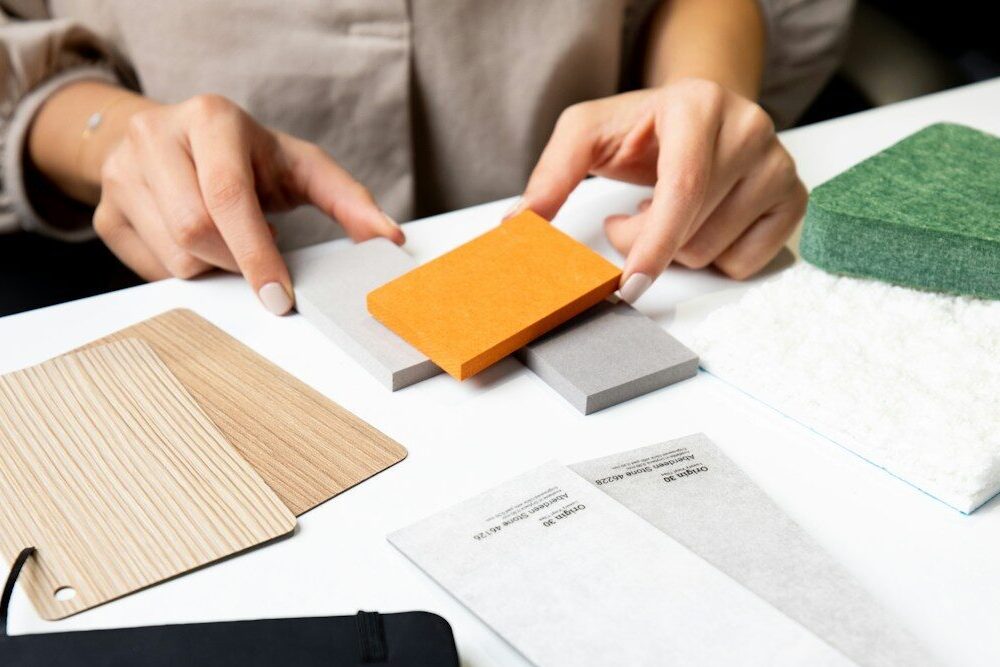
The 2026 colour shift is the most visible break from recent design history. Warm, layered neutrals including greige, sandy tones, and buttery yellows are replacing flat whites and cool grays to create bedrooms with real visual depth. This is not a subtle update. It is a full recalibration of what “neutral” means in a bedroom.
The most popular trending bedroom colours for 2026 include:
- Taupe and greige: Grounding, versatile, and flattering in both natural and artificial light
- Sage slate: A muted green with gray undertones that reads as calm and organic
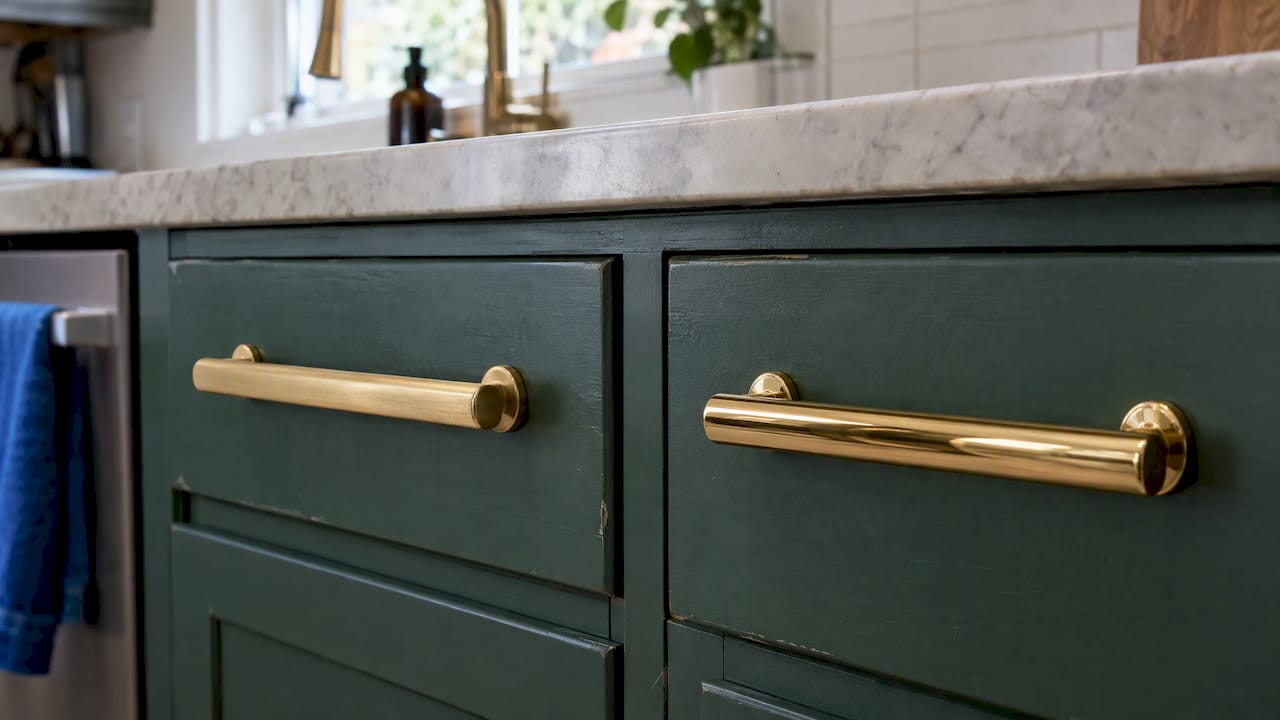
- Terracotta and clay: Warm, earthy, and rich without feeling heavy
- Muted plum and olive: Deeper accent options that add drama without overwhelming
- Buttery yellow: A soft warmth multiplier that works beautifully on a single feature wall
Warm earthy tones create a cozy, grounding atmosphere that actively supports relaxation. That psychological effect is exactly why designers are reaching for them over the cooler, more clinical palettes of the past.
Room orientation matters when choosing your palette. North-facing rooms benefit most from warmer tones like terracotta and clay, which compensate for limited natural light. South-facing rooms can carry deeper shades like muted plum or olive without feeling closed in. Balancing a dark accent wall against lighter creams or off-whites keeps the space feeling open while still adding character.
Pro Tip: Test paint colours at three different times of day before committing. Bedroom lighting shifts dramatically from morning to evening, and a shade that reads as warm at noon can turn cool and flat by lamplight.
Artinlifestyle’s coverage of earthy colour palettes shows how these tones translate across seasons, making them a genuinely lasting investment rather than a fleeting trend.
How is furniture evolving in 2026 bedrooms?
Master bedroom design in 2026 moves decisively away from matching furniture sets toward character-driven pieces with sculptural presence and personal meaning. The catalogue bedroom is over. What replaces it is more considered, more individual, and more interesting.
The four furniture shifts defining 2026 master bedroom trends are:
- Oversized, sculptural headboards: Velvet, bouclé, rattan, and glazed tile headboards now serve as the room’s primary focal point. They replace the need for heavy artwork above the bed and add immediate tactile depth.
- Floor-to-ceiling built-in wardrobes: Built-in wardrobes increase storage by 30–40% compared to freestanding units. They also eliminate the dust gaps above standard wardrobes and visually lift ceiling height, making rooms feel taller without any structural work.
- Multifunctional furniture: Gas-lift ottoman beds and concealed workspaces are the practical answer to smaller urban bedrooms. They maximize function while keeping the aesthetic clean and uncluttered.
- Discreet technology integration: Automated shades, hidden charging points, and minimal visible electronics keep the bedroom feeling like a retreat rather than an extension of the home office.
The contrast between old and new furniture thinking is significant:
| Old approach | 2026 approach |
|---|---|
| Matching bedroom sets | Individual, character-driven pieces |
| Freestanding wardrobes | Floor-to-ceiling built-ins |
| Decorative headboards | Sculptural, oversized statement headboards |
| Visible tech and cables | Concealed, integrated technology |
| Single-purpose furniture | Multifunctional, space-saving designs |
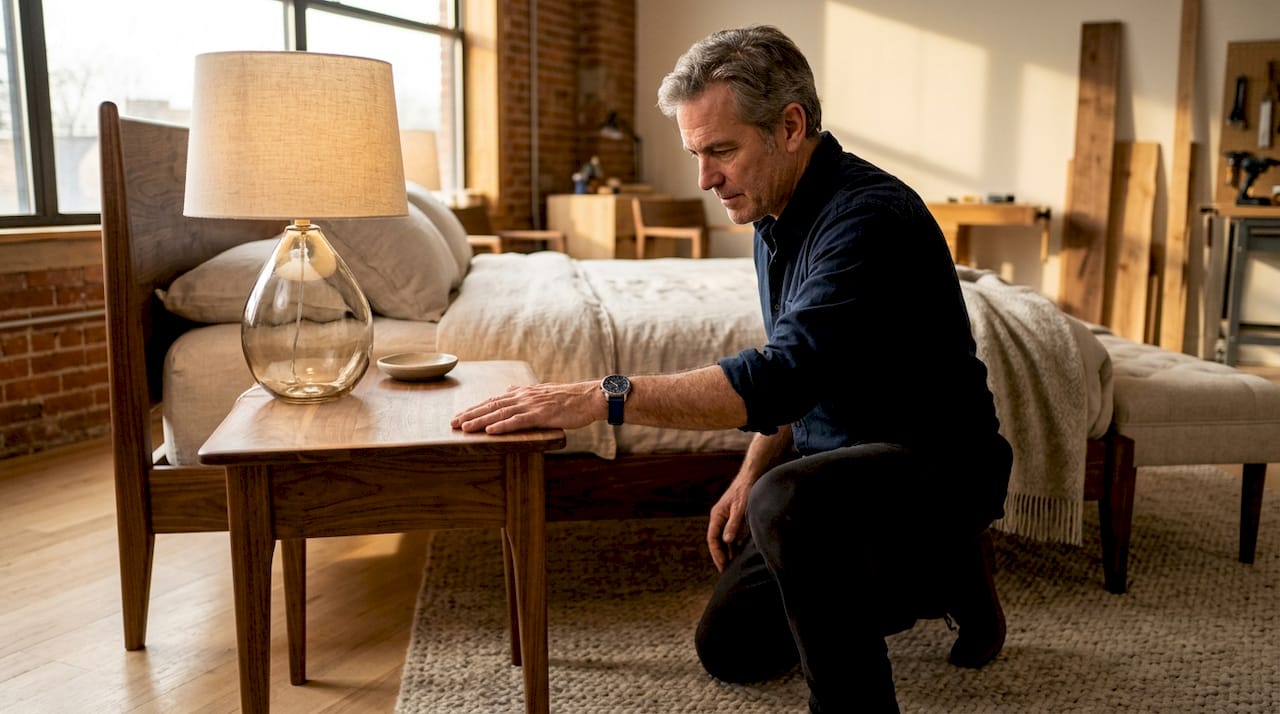
Pro Tip: When choosing a statement headboard, treat it as you would a piece of art. Select a material and form that genuinely excites you, because it will anchor the entire room’s personality for years.
For homeowners who want to maximize both style and storage, Artinlifestyle’s guide to space-saving decor offers practical ideas that align directly with this furniture evolution.
What lighting techniques create the ideal bedroom atmosphere in 2026?
Layered lighting is the single most impactful upgrade a bedroom can receive. Relying on a single central light source is a recognized design pitfall. Multiple light sources at varied heights not only improve the quality of illumination but also enhance room acoustics and create a soft, hotel-like atmosphere that a single overhead fixture simply cannot achieve.
The three-layer standard for bedroom lighting includes:
- Ambient lighting: The room’s base layer, ideally from recessed fixtures or a central pendant on a dimmer
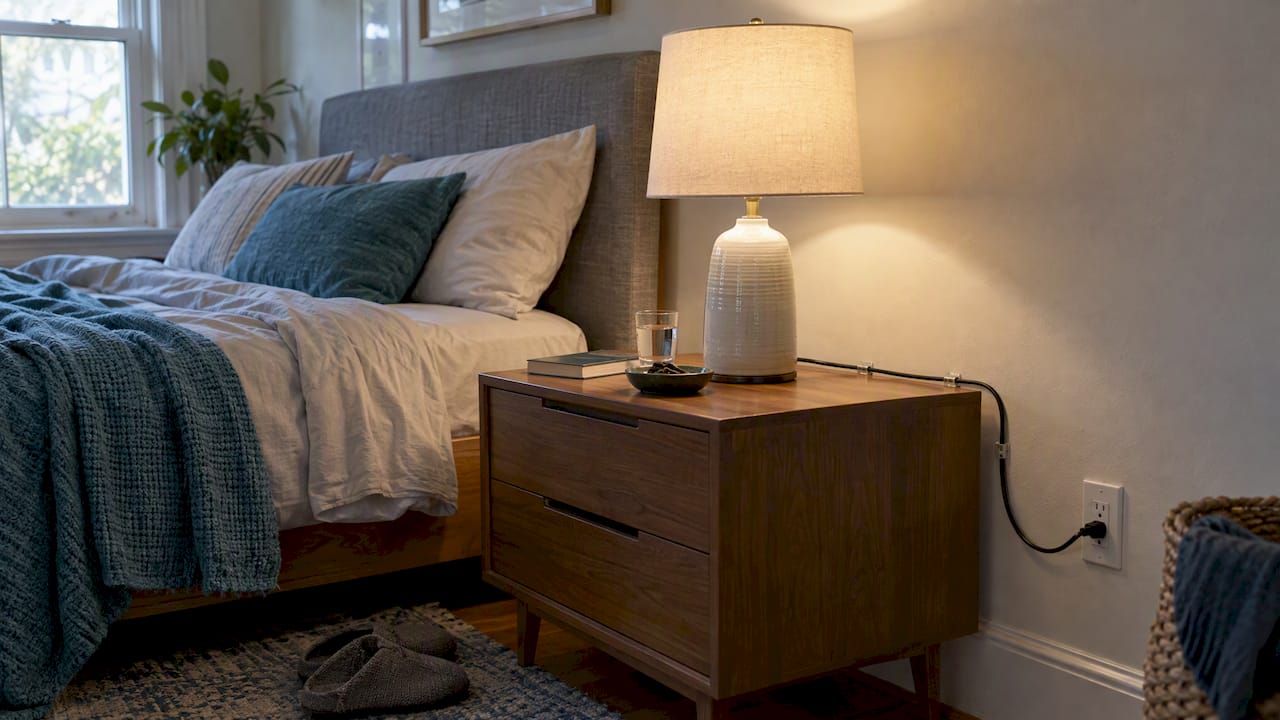
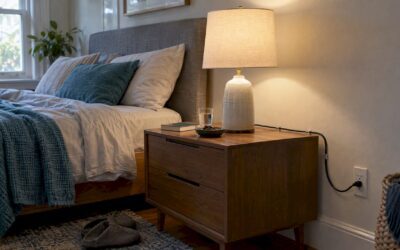
- Task lighting: Bedside reading lamps or wall-mounted sconces positioned at shoulder height when seated
- Accent lighting: Strip lighting behind headboards, picture lights, or floor-level lighting that adds warmth and visual dimension
Warm white LED bulbs in the 2700K–3000K colour temperature range produce the most flattering and restful light for bedrooms. Cooler bulbs above 4000K create an alerting effect that works against the bedroom’s purpose as a recovery space. Cocoon-inspired bedrooms with layered warm-dim lighting reflect a broader desire for sanctuary spaces that actively support rest.
Independent lighting circuits are worth the investment. Being able to control each layer separately means the room can shift from bright and functional in the morning to deeply atmospheric at night without compromise.
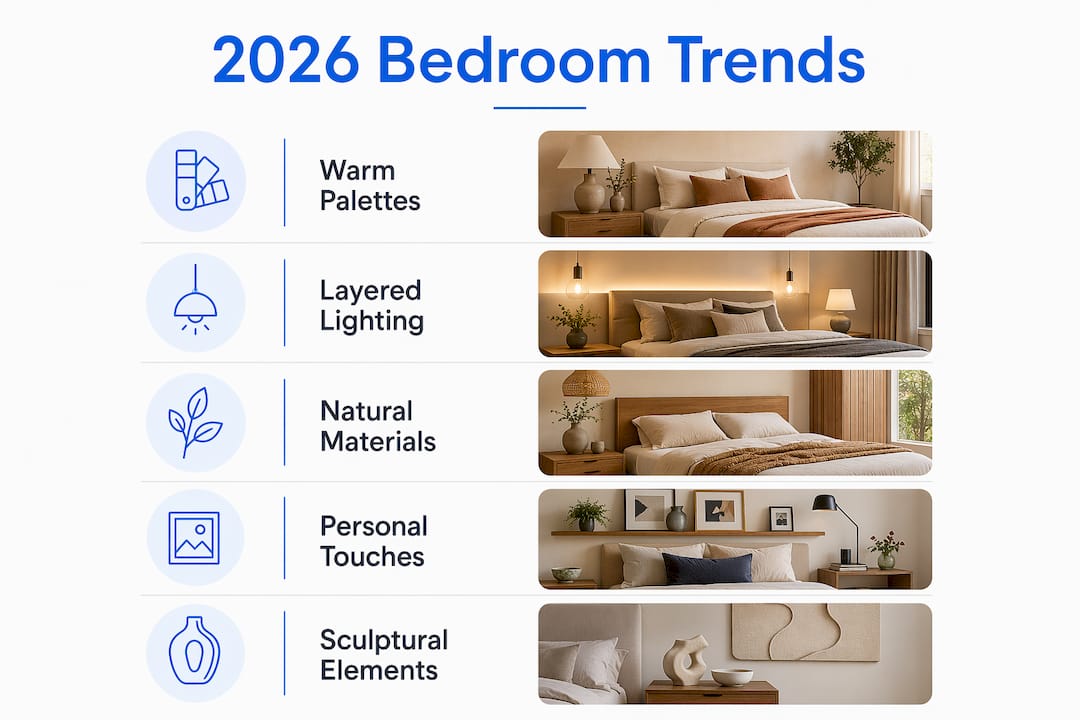
Pro Tip: Install dimmers on every circuit, not just the main overhead. The ability to drop ambient light to 20% while keeping a bedside lamp at full brightness gives you genuine control over the room’s mood.
Sculptural lamp choices double as design features. A ceramic table lamp with an organic form or a rattan pendant adds texture and visual interest even when switched off, functioning as a quiet design element in its own right.
How do natural materials and textures influence bedroom design in 2026?
Natural materials are the quiet heroes of 2026 bedroom design trends. They add tactile richness that synthetic alternatives simply cannot replicate, and they age in ways that make a room feel more personal over time rather than tired.
The materials defining this shift include:
- Solid wood: Oak, walnut, and ash bring warmth and grain variation that grounds a room visually
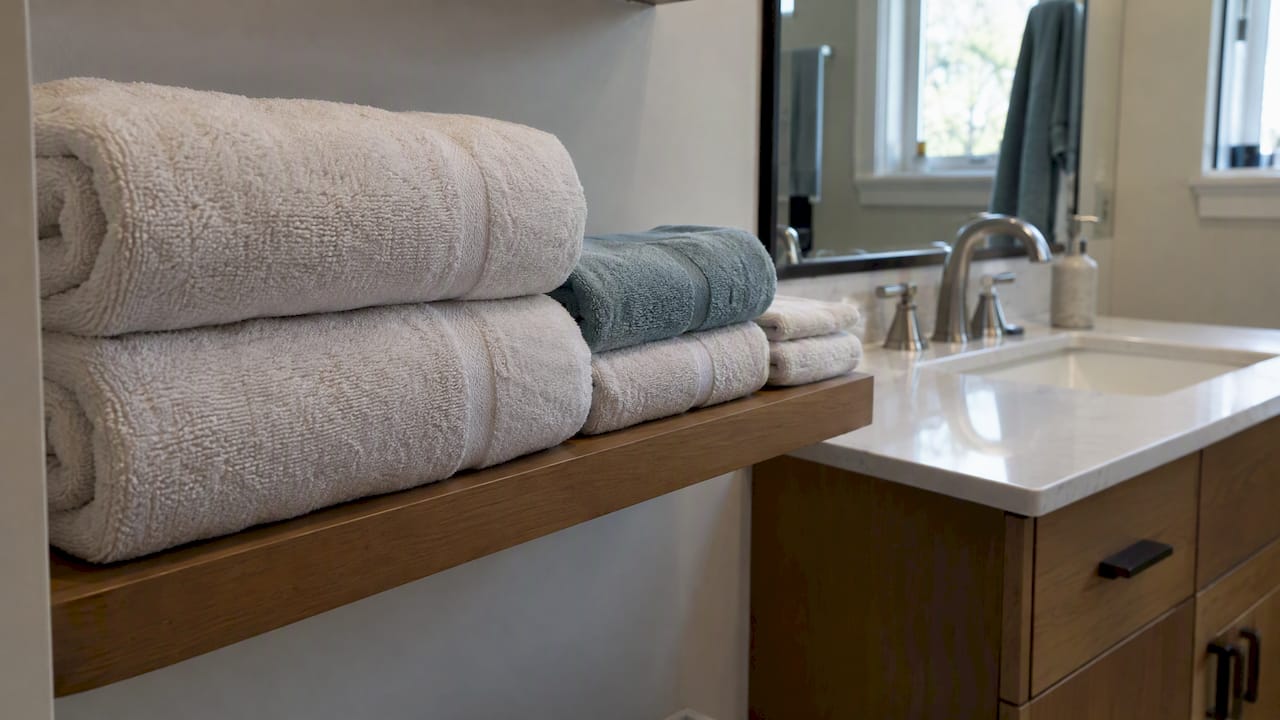
- Linen and cotton: Breathable, textured bedding in natural weaves that soften the overall palette
- Wool textiles: Throws and rugs that add acoustic softness alongside visual warmth
- Rattan and jute: Woven textures that introduce organic irregularity without adding visual weight
- Stone accents: Marble or travertine on bedside surfaces that add cool contrast to warm textiles
Natural materials like solid wood, linen, and wool age gracefully and contribute both sustainability and timelessness to a bedroom. That combination of longevity and character is precisely why they are displacing the synthetic, flat-surface aesthetic of previous modern bedroom styles.
Biophilic design, the practice of connecting interior spaces to the natural world, plays a significant role here. Plants, natural light, and organic materials work together to create a calming indoor environment. The effect is not decorative. Research in environmental psychology consistently links exposure to natural materials and greenery with reduced stress and improved sleep quality.
Combining textures requires restraint. The goal is layered depth, not visual clutter. A linen duvet, a wool throw, a jute rug, and a solid wood nightstand create a rich sensory environment without competing for attention. Artinlifestyle’s guide on using texture in interiors explores this balance in detail.
What practical tips help homeowners personalize their 2026 bedrooms?
Personalization is the thread that runs through every 2026 bedroom design trend. Vintage rugs, layered patterns, and curated pillows create expressive yet balanced bedrooms that reflect the homeowner’s personality rather than a showroom floor. The move is toward what designers call “warm modernism”: a lived-in, cozy feel that still reads as considered and intentional.
Practical steps for bringing these trends into a real home:
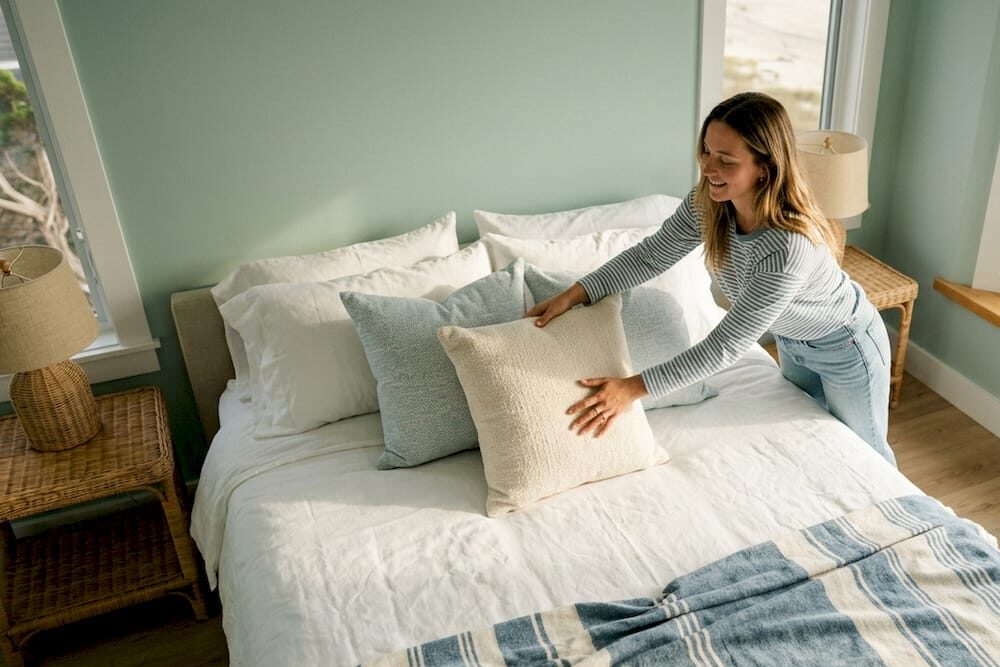
- Layer your bedding: Quality linen or cotton sheets, a textured duvet, and at least one throw create the layered look that defines bedding trends 2026. Treat the bed as the room’s focal point.
- Create a reading nook: A single armchair, a floor lamp, and a small side table in a corner transforms unused space into a genuinely useful retreat within a retreat.
- Maximize storage intelligently: Under-bed storage and built-in solutions keep the floor clear, which is the single most effective way to make a bedroom feel calm and spacious.
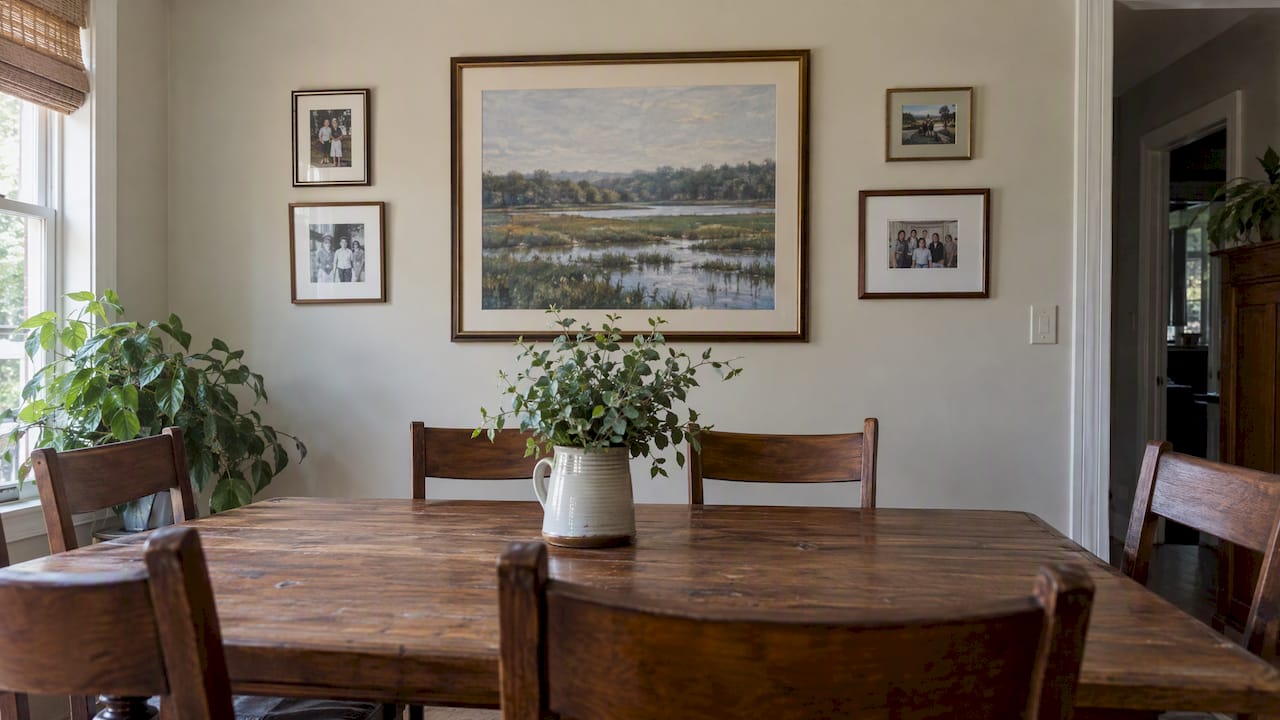
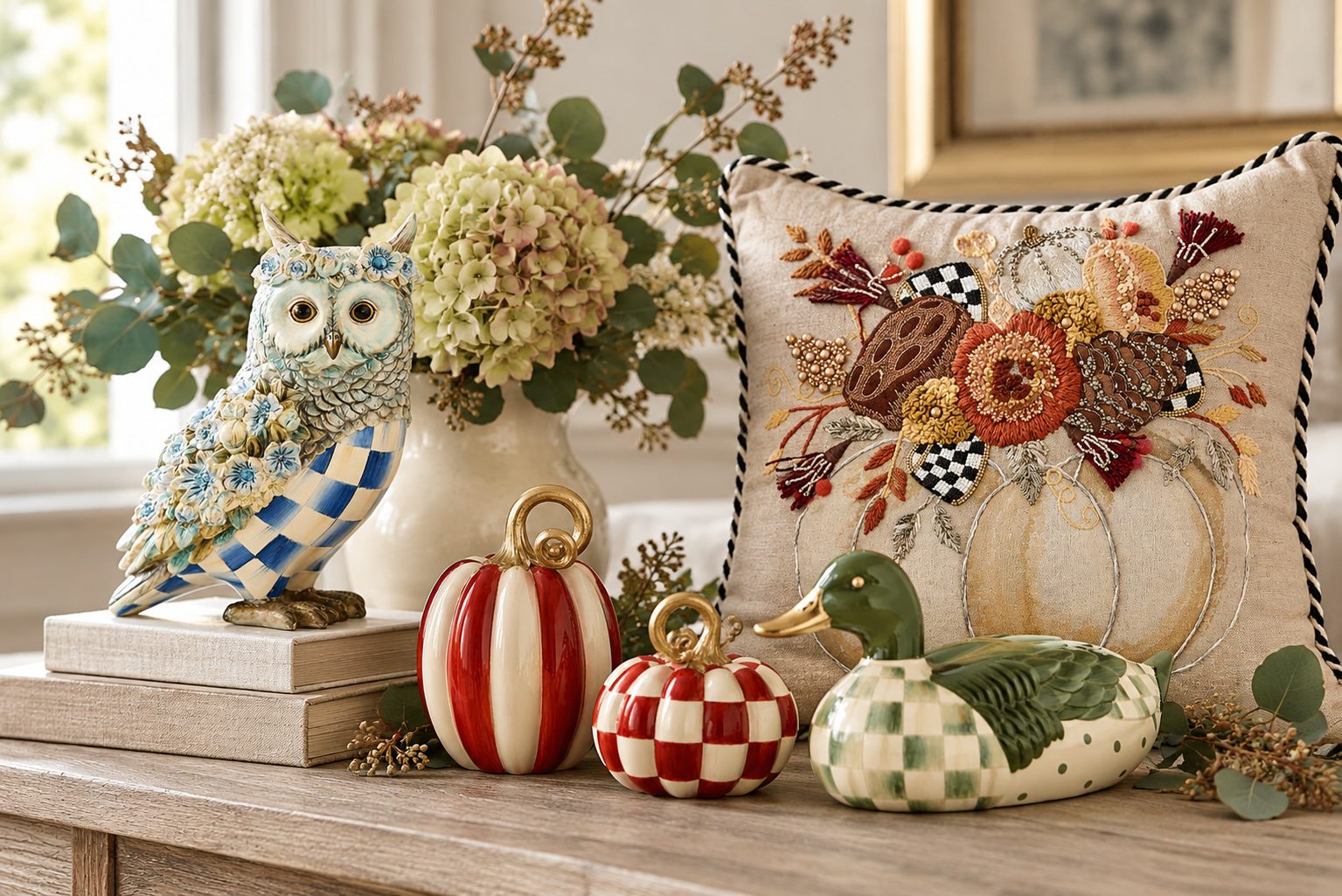
- Curate your accents: One vintage rug, two or three meaningful objects, and a plant do more for a room’s personality than a full set of matching accessories.
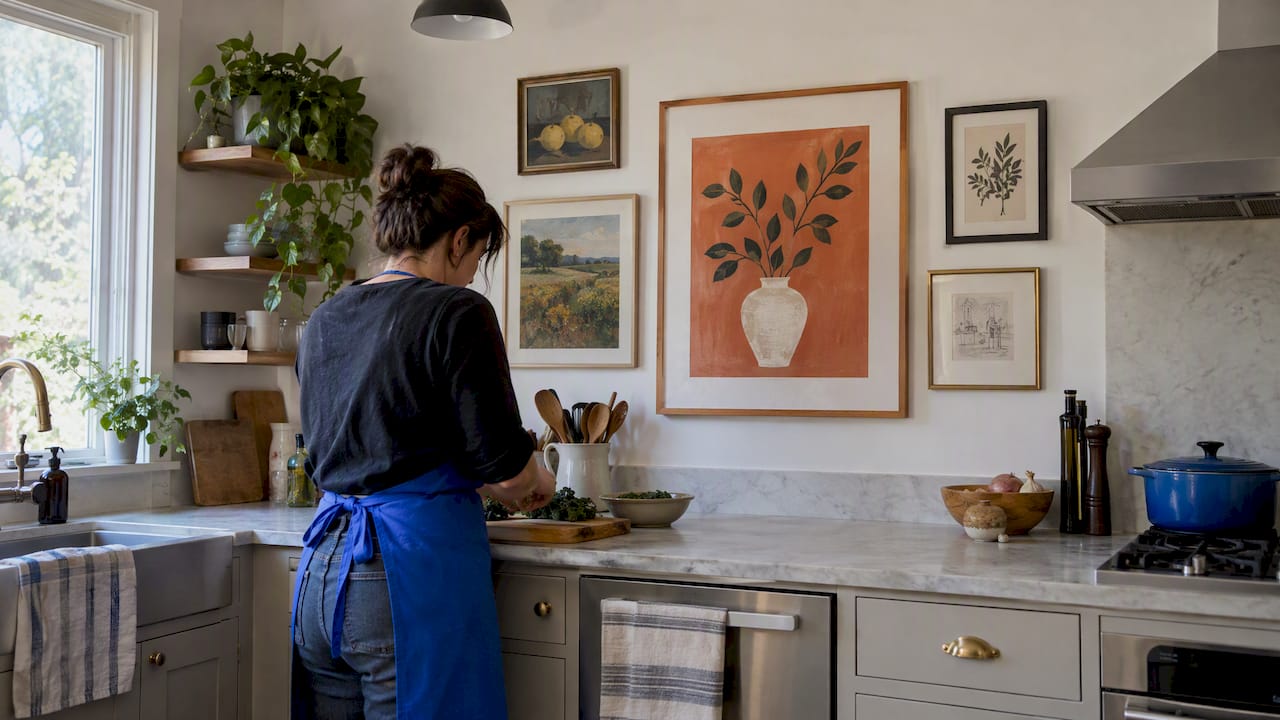
- Use art intentionally: A single large-format piece above the bed or a small gallery wall on a side wall adds character without requiring a renovation.
Pro Tip: Resist the urge to buy everything at once. The most personal and interesting bedrooms are built gradually, with pieces added as they are found rather than purchased in a single shopping session.
The warm modernism approach works because it prioritizes comfort and character over perfection. A room that looks slightly imperfect but feels deeply comfortable will always outperform a room that looks polished but feels cold.
Key Takeaways
The most effective approach to 2026 bedroom design combines warm earthy palettes, layered lighting, natural materials, and character-driven furniture to create spaces that are both beautiful and genuinely restful.
| Point | Details |
|---|---|
| Warm palettes replace cool grays | Taupe, clay, sage slate, and terracotta create grounding, relaxing bedrooms. |
| Layered lighting is non-negotiable | Three independent light sources at varied heights produce a hotel-quality atmosphere. |
| Built-ins maximize space | Floor-to-ceiling wardrobes add 30–40% more storage and visually lift ceiling height. |
| Natural materials age with character | Solid wood, linen, wool, and rattan add tactile richness that synthetic materials cannot match. |
| Personalization defines the trend | Curated accents, vintage pieces, and layered bedding reflect personality over catalogue uniformity. |
The cold, spare bedrooms that dominated design media for years looked beautiful in photographs and felt uncomfortable to actually live in. Flat white walls, bare surfaces, and a single pendant light created rooms that photographed well but offered no real warmth. Homeowners sensed this mismatch, even if they could not always name it.
The shift toward warm neutrals, tactile materials, and layered lighting addresses something real: the bedroom should be the most restorative room in the house. When it is designed with that purpose at the center, the aesthetic choices follow naturally. Earthy colours calm the nervous system. Natural materials engage the senses without overstimulating them. Layered lighting gives you control over the room’s mood in a way that a single overhead fixture never can.
Resist chasing every element of the trend simultaneously. Pick the one change that will make the biggest difference in how your bedroom feels, whether that is the lighting, the palette, or the bedding, and start there. A room built slowly and intentionally will always feel more personal than one assembled in a weekend.
FAQ
What are the dominant colours in 2026 bedroom design?
Warm earthy tones including taupe, sage slate, terracotta, clay, and muted greens are the defining palette for 2026. These replace the cool grays and stark whites that characterized the previous decade’s bedroom aesthetic.
How do I add layered lighting to an existing bedroom?
Add bedside table lamps or wall-mounted sconces as task lighting, then introduce a floor lamp or accent strip light as a third layer. Use warm white bulbs in the 2700K–3000K range and put every circuit on a dimmer.
Are built-in wardrobes worth the investment for a 2026 bedroom?
Floor-to-ceiling built-in wardrobes increase usable storage by 30–40% compared to freestanding units and visually lift the ceiling height. For most homeowners, the functional and aesthetic return justifies the upfront cost.
What natural materials work best in a 2026 bedroom?
Solid wood, linen, wool, rattan, and jute are the core materials of 2026 bedroom design. They add tactile warmth, age gracefully, and align with the broader shift toward biophilic and sustainable interiors.
How do I personalize a bedroom without making it feel cluttered?
Focus on a small number of meaningful accents: one vintage rug, a curated selection of pillows, a plant, and a single piece of art. Layered bedding in natural textiles adds richness without visual noise.