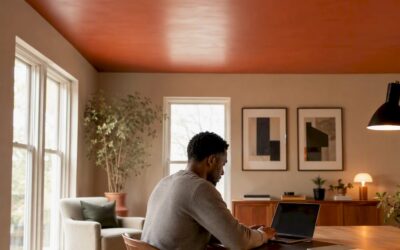
Modern interiors often focus on clean lines, neutral palettes, and simplified forms. Yet even the most beautiful room can feel flat without texture, which adds warmth, depth, and emotional resonance. Texture acts as the quiet hero of modern interior design, often perceived before it is consciously noticed.
We experience it through touch by feeling materials such as wool, linen, timber, and stone. Texture can also be perceived through sight by observing grains, weaves, sheen, and natural irregularities. This is called visual texture. Together, they soften modern spaces and make them more inviting.
Minimalist modern interiors can sometimes feel cold. That is why thoughtfully layered textures reintroduce warmth and create an engaging and sensory-rich environment. Warmth emerges not only from colour or decor, but also from layered textures that appeal to touch and sight.
By carefully combining textures, a space gains depth without clutter, making interiors comforting not just visually, but also through tactile experience.
The Emotional Power of Texture
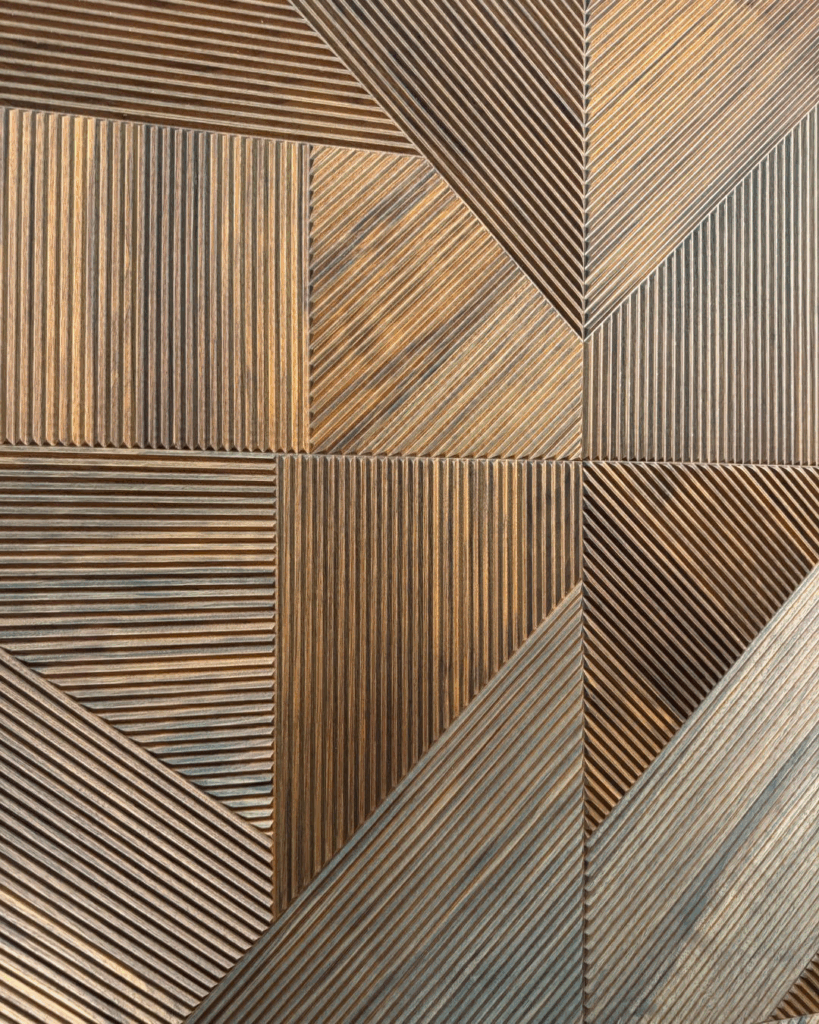
Design psychology shows that texture influences our emotional response even before colour does. Biophilic design principles focus on human's inherent need to connect with nature. This explains why natural interior textures feel instinctively calming.
Too much gloss or uniform smoothness can feel unsettling. This is because the eye relaxes only when it encounters natural variation. It is an essential principle of texture in interior design.
Variation feels familiar and calming as it mimics natural environments, while overly polished surfaces can appear artificial and visually overstimulating. Natural materials with visible imperfections create what designers call “visual rest.”
Examples include knots in wood grain, the weave of handwoven textiles, and the irregular surface of artisan ceramics. These subtle variations mirror the natural world, helping the mind to relax. Learning how to use texture in interior design helps balance or intensify colour.
This layering of natural textures is why hotels and restaurants use them strategically. Texture reduces visual monotony and creates environments that feel comforting and secure.
The Visual Science: How Texture Creates Depth
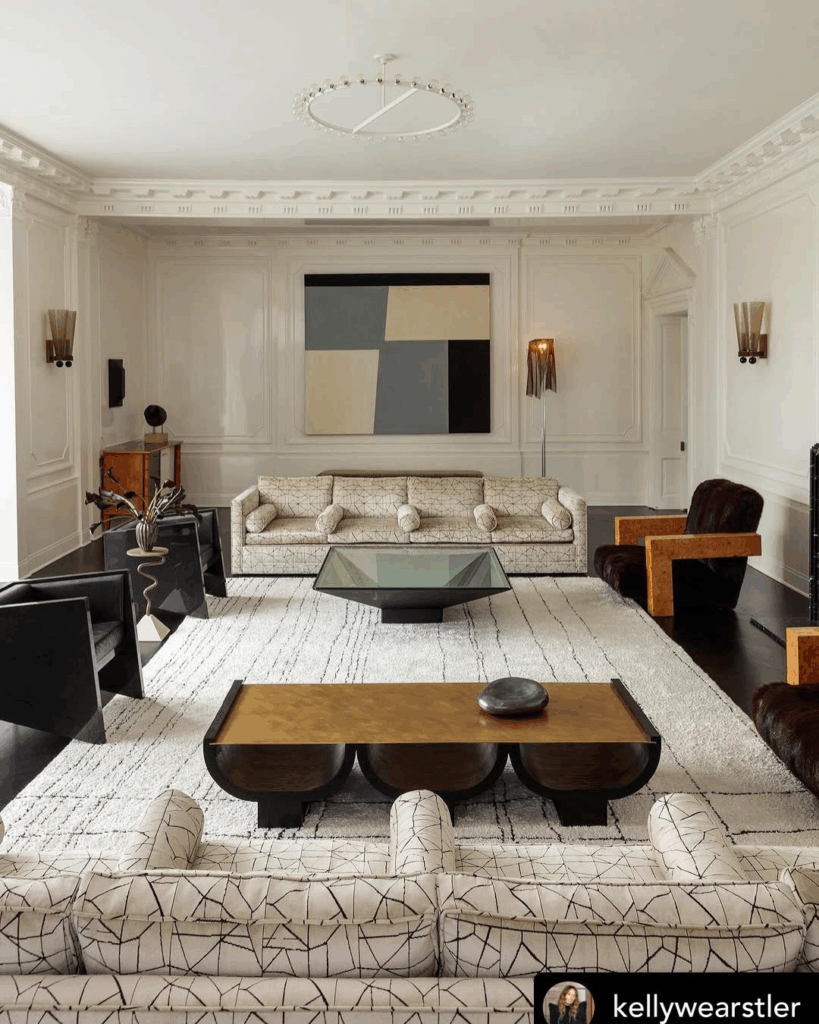
In design, depth is not only visual. It also conveys a sense of spatial emotion. Rough, light-absorbing materials draw the eye inward, creating intimacy, while smooth, reflective surfaces extend boundaries outward, making spaces feel larger.
Matte surfaces absorb light, grounding a room in calm, whereas glossy finishes reflect light, adding visual energy. Visual weight works similarly, rough textures such as exposed brick, raw concrete, or heavily grained wood anchor a room, while smoother materials create airiness.
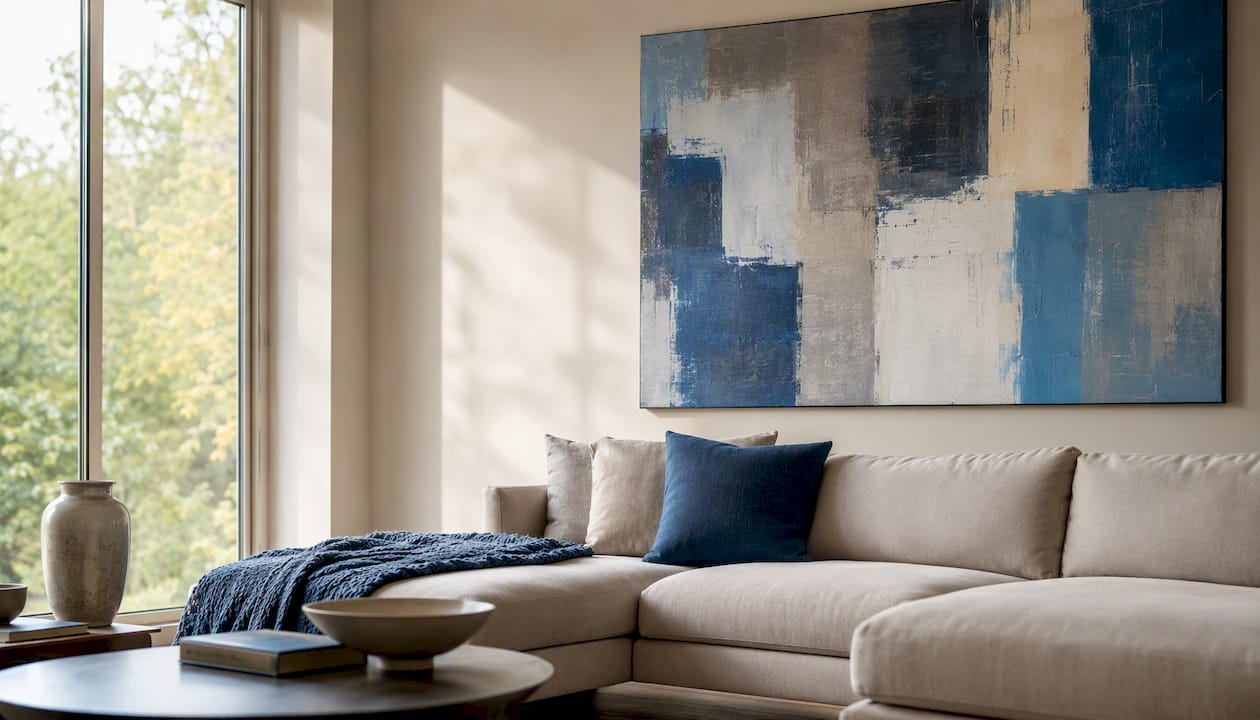
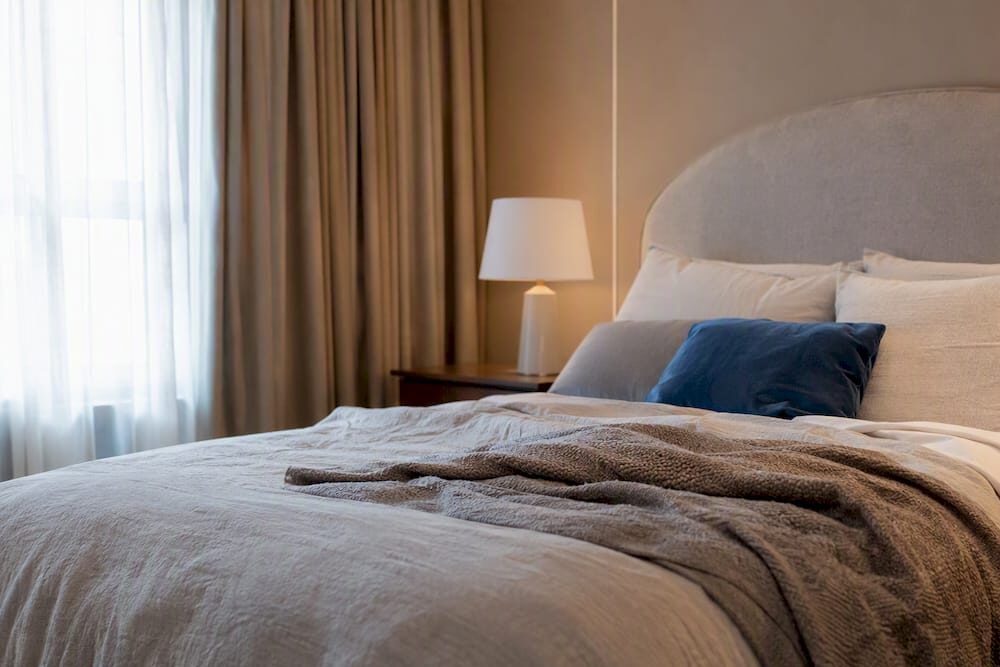
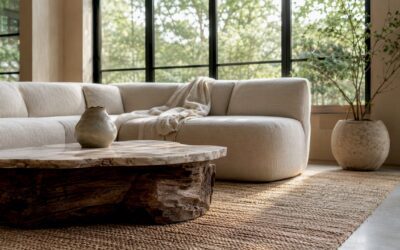
Layering textures within the same colour palette enhances richness without causing clutter. For example, a monochromatic cream room gains depth through a sisal rug, linen upholstery, velvet cushions, and a chunky knit throw.
Subtle variations in tone-on-tone textures add dimension. This proves that depth can be achieved through thoughtful material selection rather than relying solely on contrasting colours.
Types of Texture in Interior Design
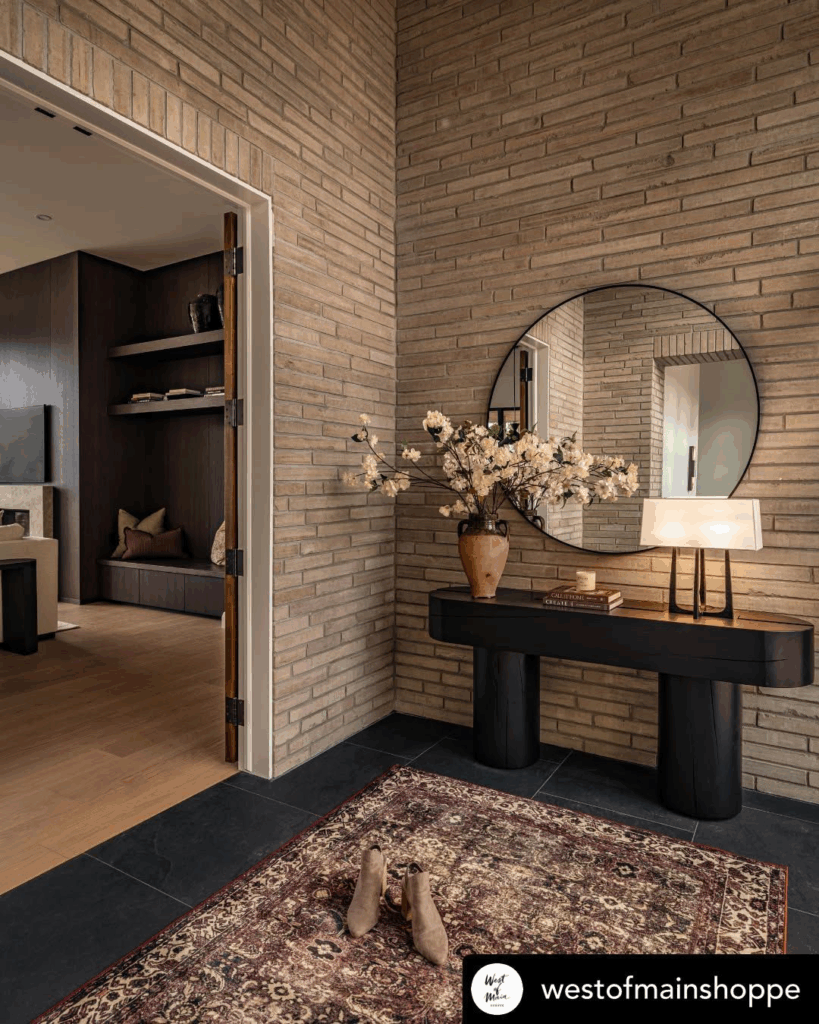
Knowing the four main categories of texture helps create intentional, layered interiors:
- Hard Textures form the architectural backbone of modern interior design, including wood grain, exposed brick, stone tiles, concrete, and metal frames. These elements provide visual weight and permanence. However, they must be balanced with soft textures to prevent a space from feeling overly industrial.
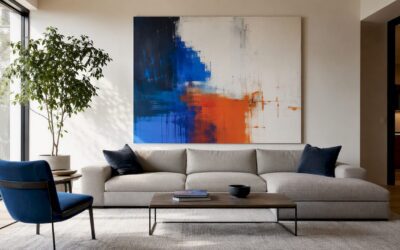
- Soft Textures act as warmth multipliers. Bouclé, velvet, linen, and chenille turn functional furniture into tactile experiences. For instance, mixing a linen sofa with velvet cushions and a wool throw illustrates how layered textures bring depth and comfort to a living space.
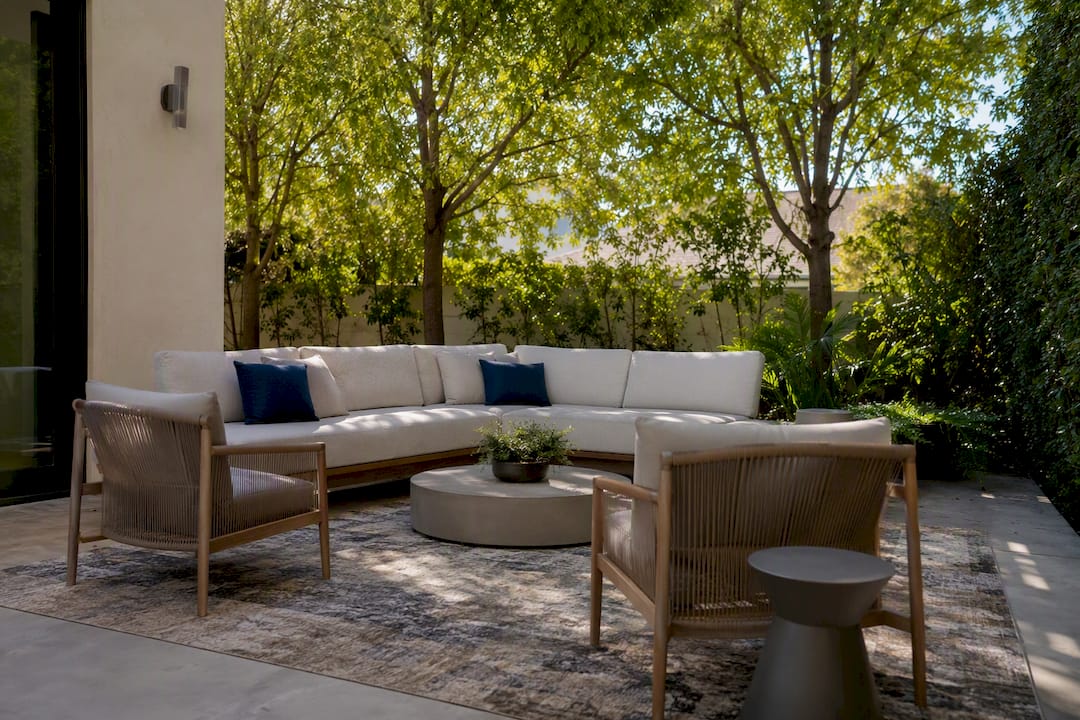
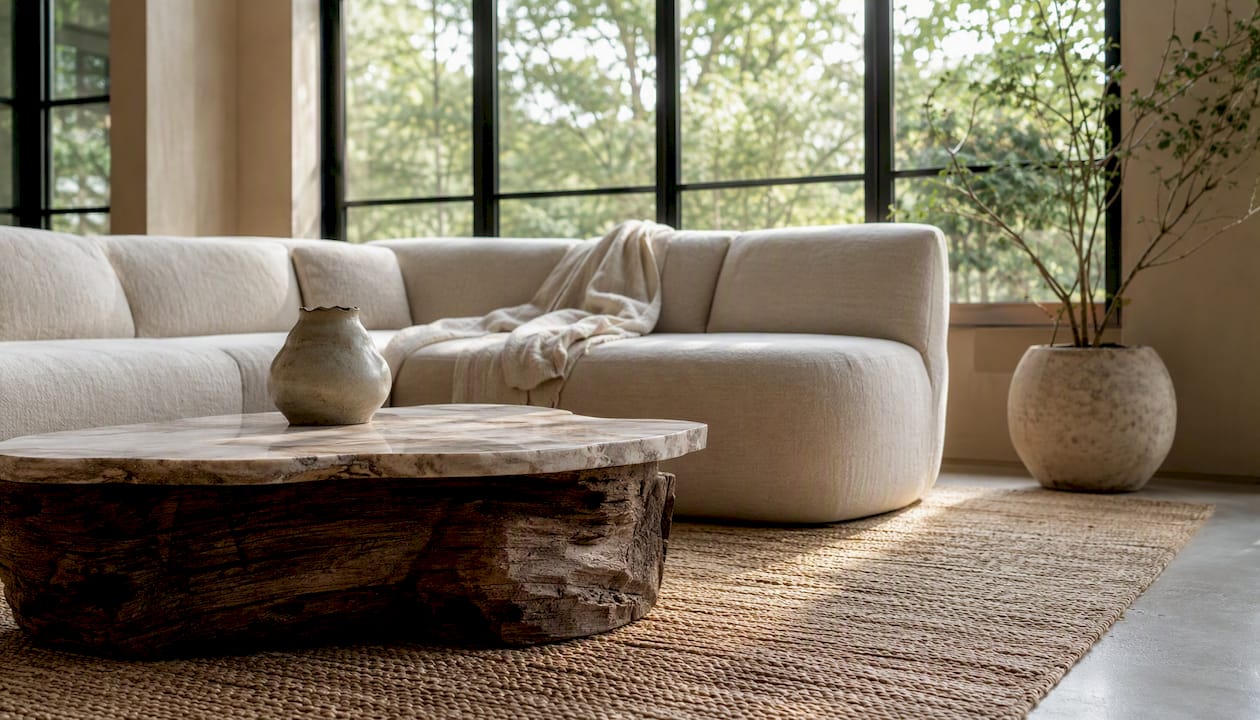
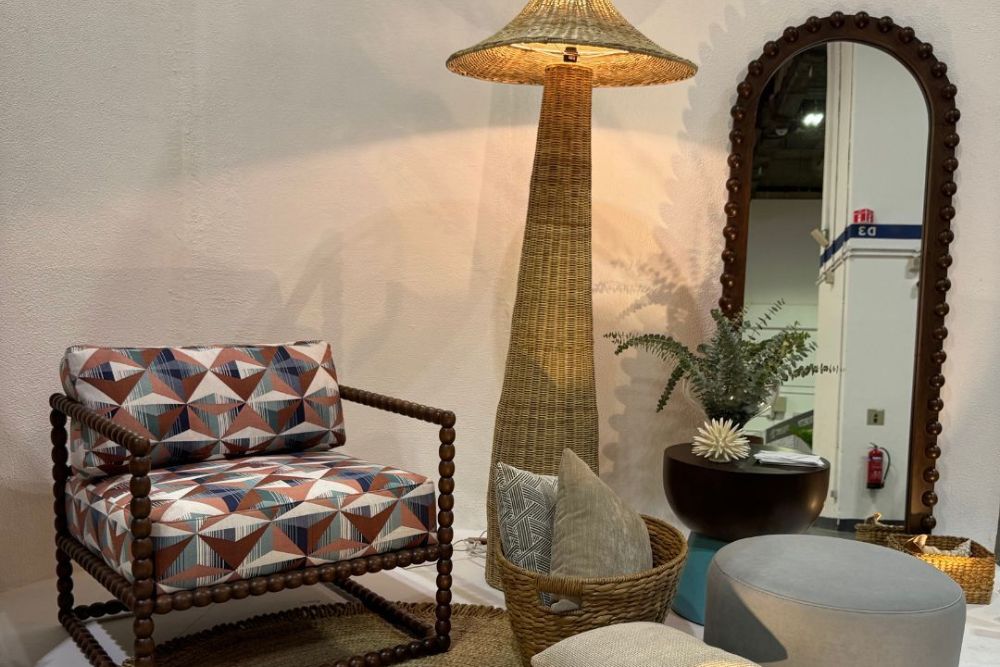
- Natural and Organic Textures such as rattan, seagrass, jute, clay, and ceramics, introduce irregularities that humanise spaces. These materials mirror natural imperfections, offering visual rest that manufactured materials cannot. For eco-conscious homeowners, natural fibres also represent sustainable choices that age gracefully.
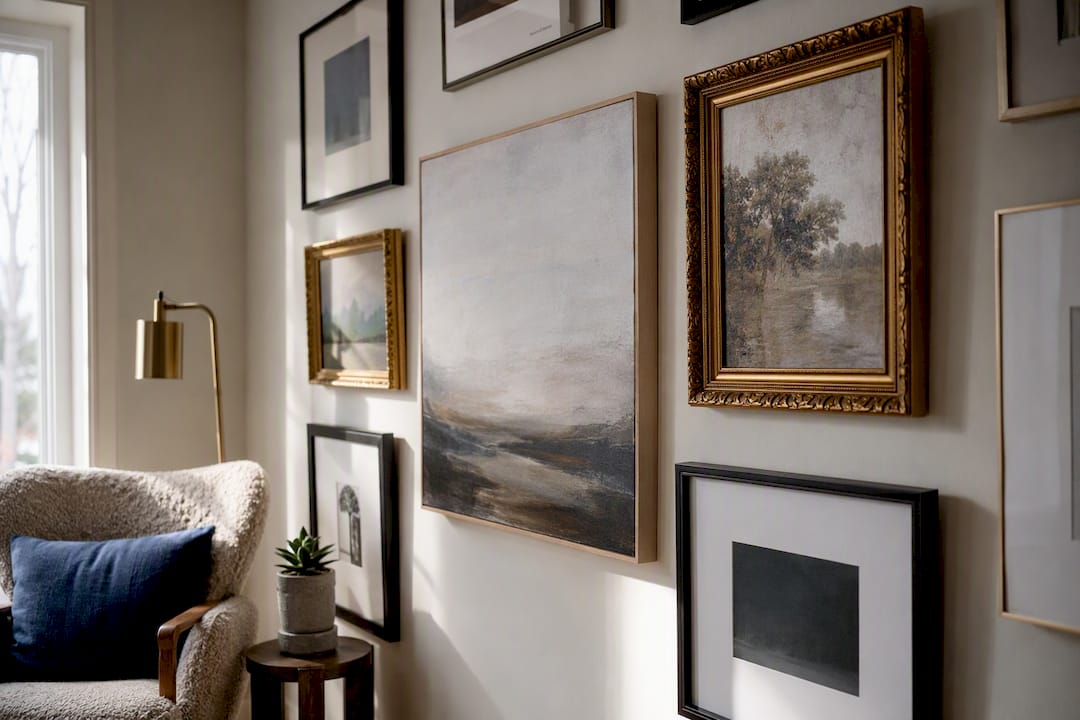
- Decorative Textures are added through art and accessories that complete a room’s layered texture and enhance interior wall texture for visual interest. Textured wall art, sculptural ceramics, 3D wall panels, and woven wall hangings introduce subtle drama without overwhelming minimalist interiors.
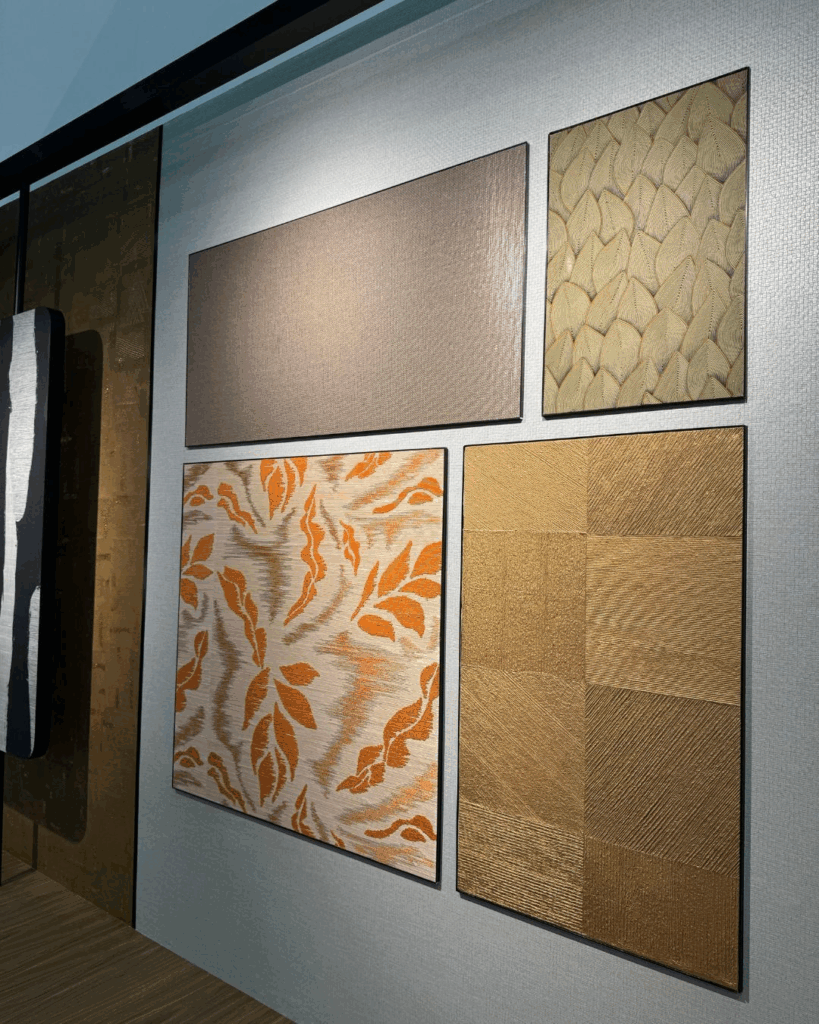
Plants introduce organic irregularity that changes with light and season, while metallic finishes such as brass, chrome, and bronze contribute gleam and contrast. Patterned wallpapers or woven panels add visual texture that engages the eye even without touch.
How to Layer Texture Like a Designer
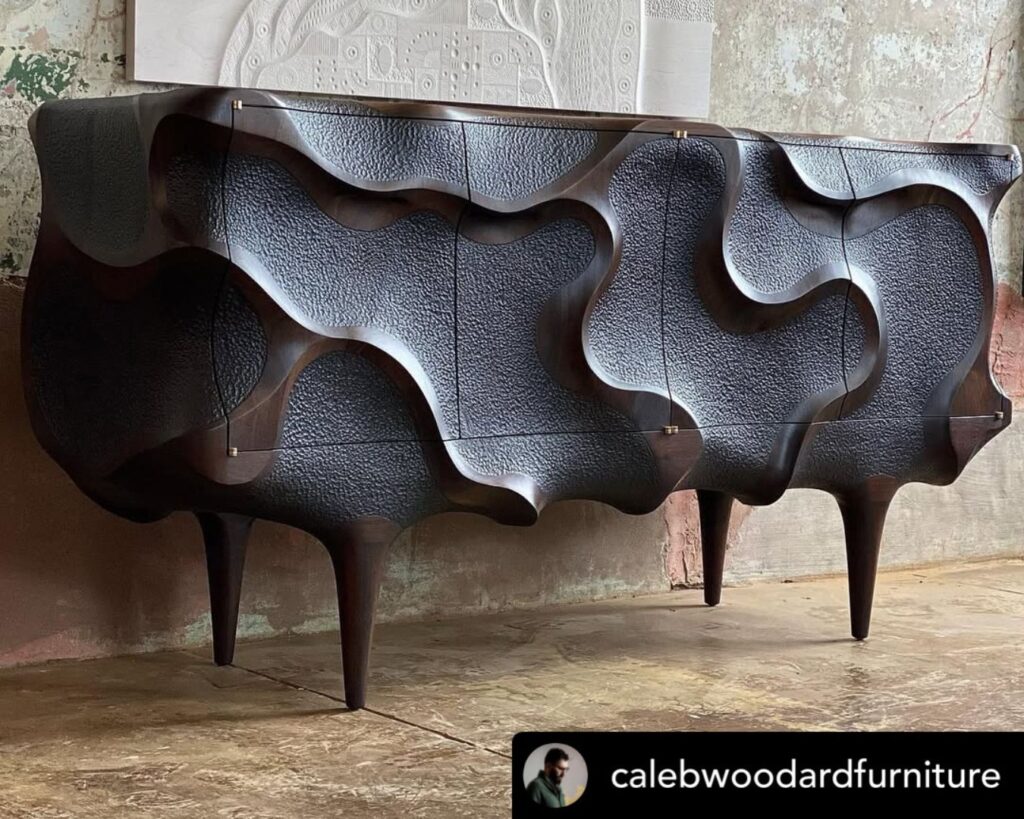
Layering texture is about intentional composition, not simply adding materials at random. Each surface should serve a purpose. Wool softens wood, marble steadies fabric, and metal accents highlight velvet, creating rhythm rather than mere repetition.
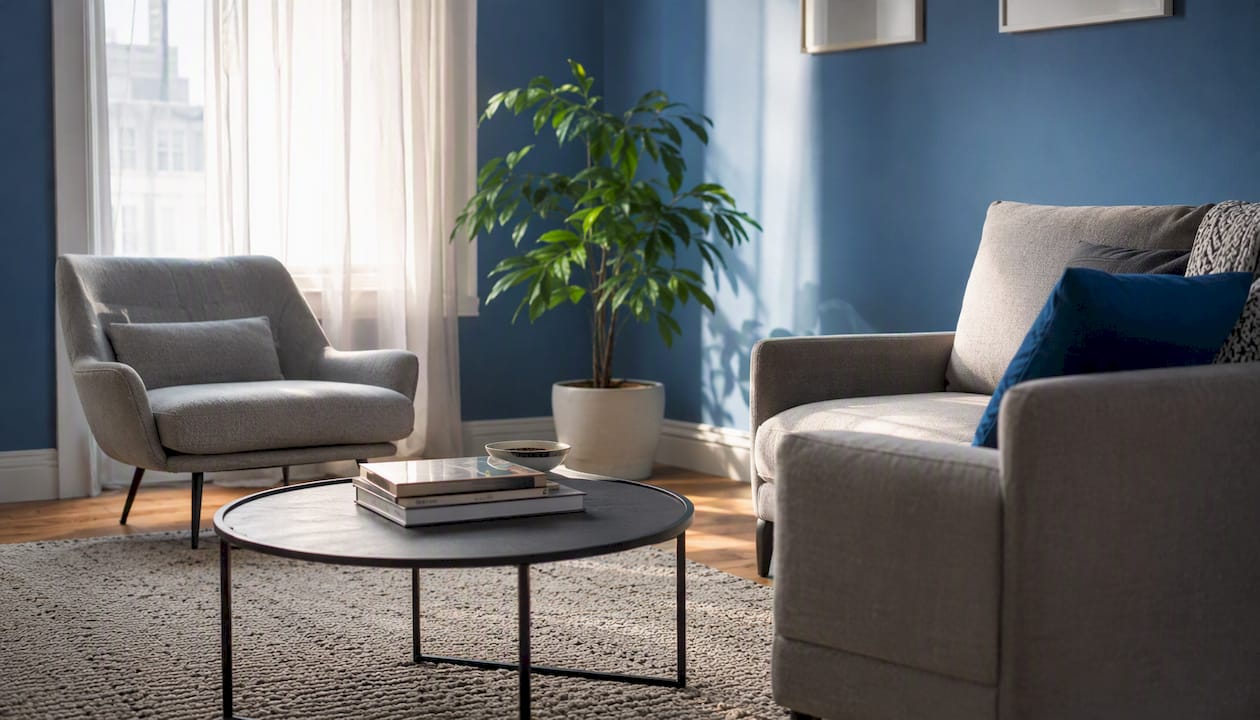
To understand how to use texture in interior design, start with a neutral base, flooring, walls, and major furniture, and strategically layer three distinct textures. For example, in a living room, leather or tufted chairs provide the main upholstered layer.
A plush ottoman offers soft contrast, while a marble-topped coffee table adds cool smoothness. A neutral ribbed rug grounds the space. Throw pillows inject personality, while wall art or sculptural pieces contribute architectural detail and enrich interior wall texture.
The key is pairing opposites, rough with smooth, hard with soft, matte with subtle sheen.
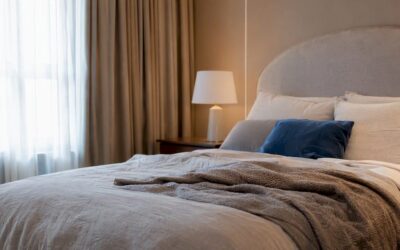
Scale is crucial, as proportion determines how textures are perceived. In smaller spaces, select one or two statement pieces, such as a tufted headboard or chunky knit throw.
Larger rooms allow more complexity, but restraint ensures cohesion. The old designer maxim applies: if a room looks complete but feels flat, add one rough texture and one plush texture.
When Art Enhances Texture
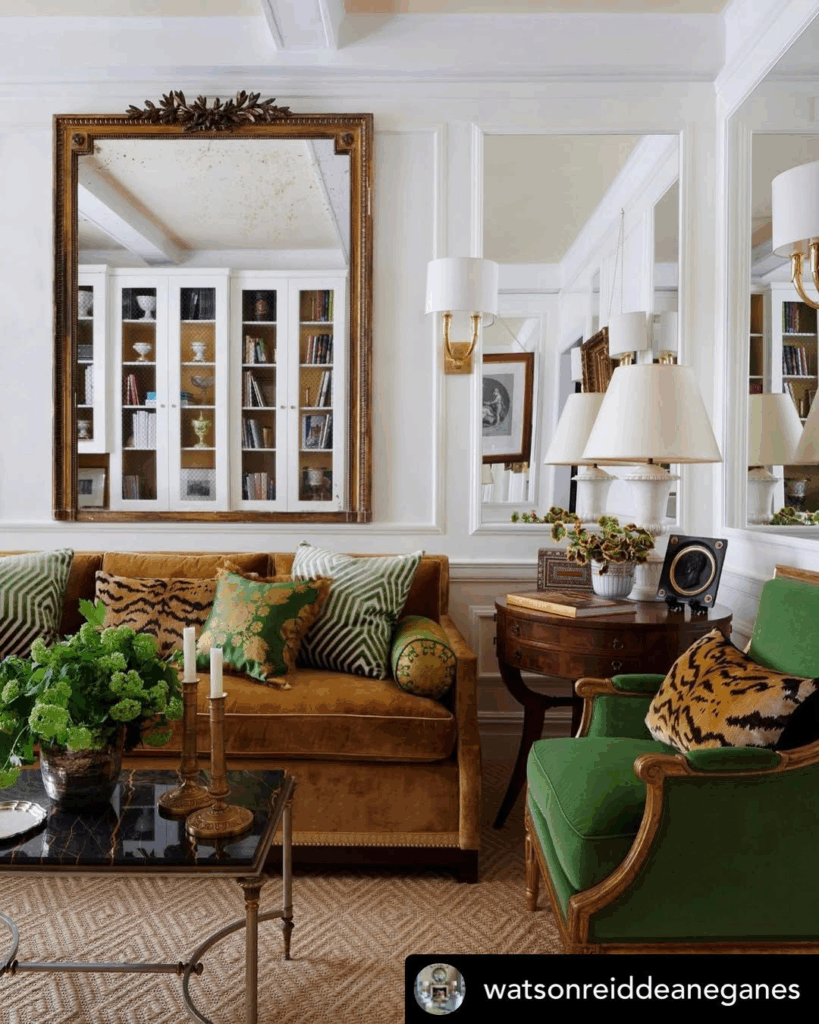
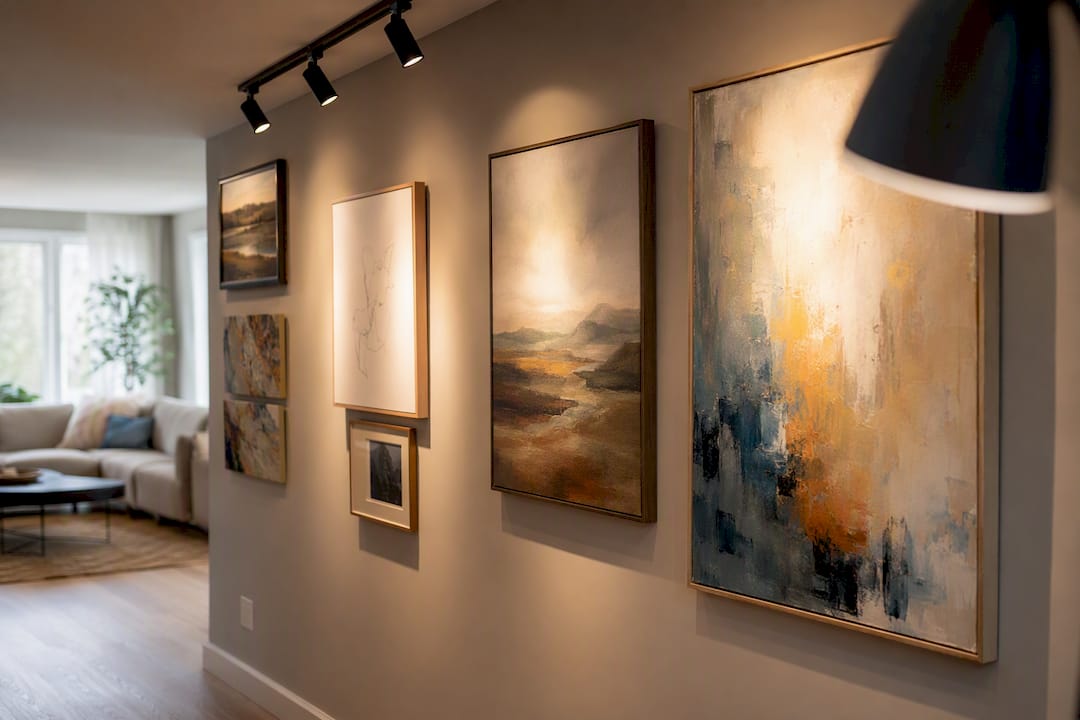
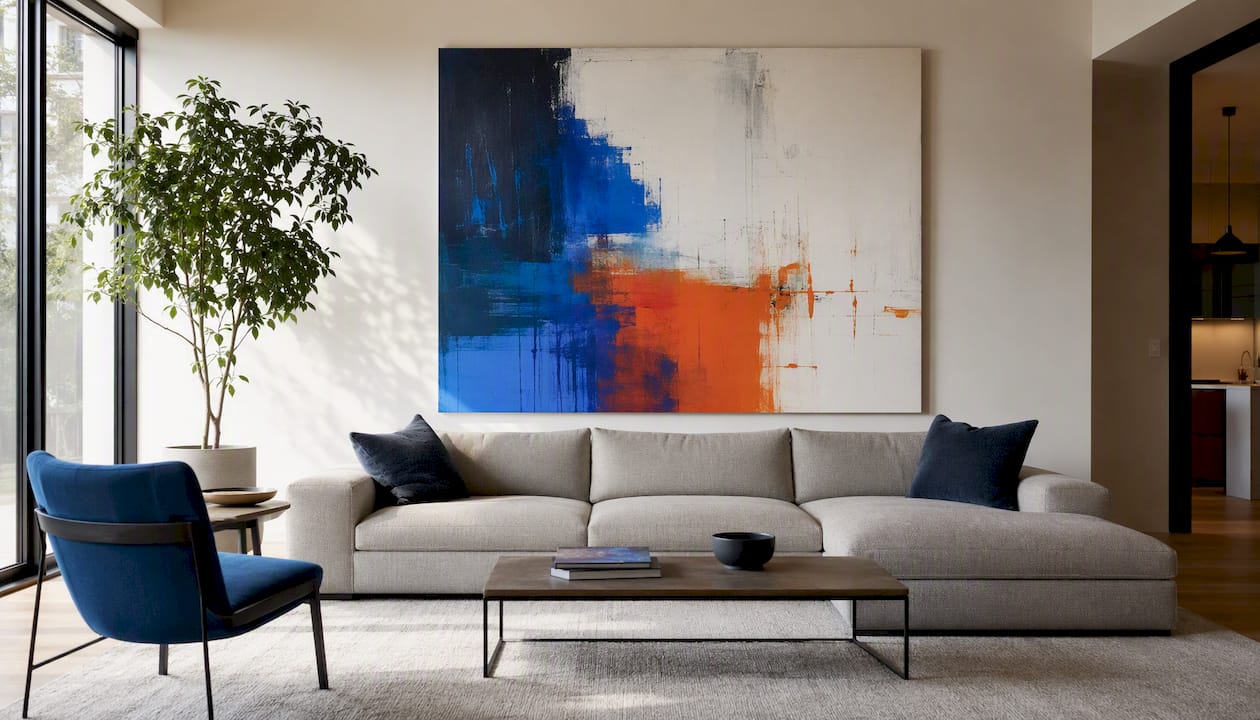
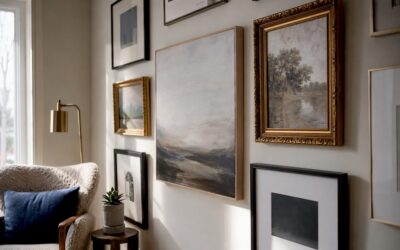
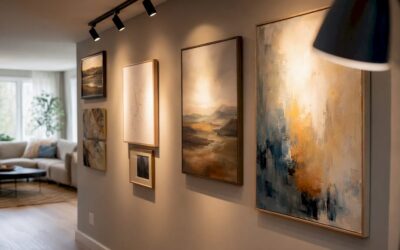
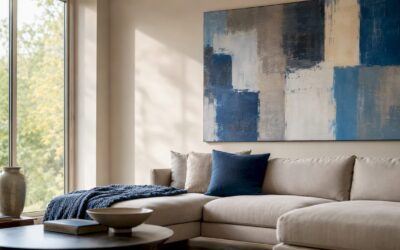
Art often carries one of the richest textures in a room, serving as both a focal point and a textural amplifier. Paintings with raised brushstrokes create physical dimension that shifts with changing light. Mixed-media canvases incorporate fabric, metal, or natural materials, inviting the eye to linger.
Three-dimensional wall sculptures transform flat surfaces into topographical landscapes, casting shadows that enhance visual interest.
Woven wall hangings and fibre art introduce warmth to hard surfaces. Their soft, irregular surfaces absorb sound and add tactile appeal. The beauty lies in imperfection; hand-woven elements carry subtle variations that suggest a human touch.
Common Texture Mistakes and How to Avoid Them
Texture requires balance. Too much or too little can weaken a room’s design. Overmatching materials creates monotony instead of harmony. Pairing complementary opposites produces a more dynamic and inviting space.
Texture overload is another subtle pitfall. Too many competing materials make a room feel visually restless. Scale is also important. Heavy, coarse textures can overwhelm small rooms, while subtle ones may disappear in larger layouts.
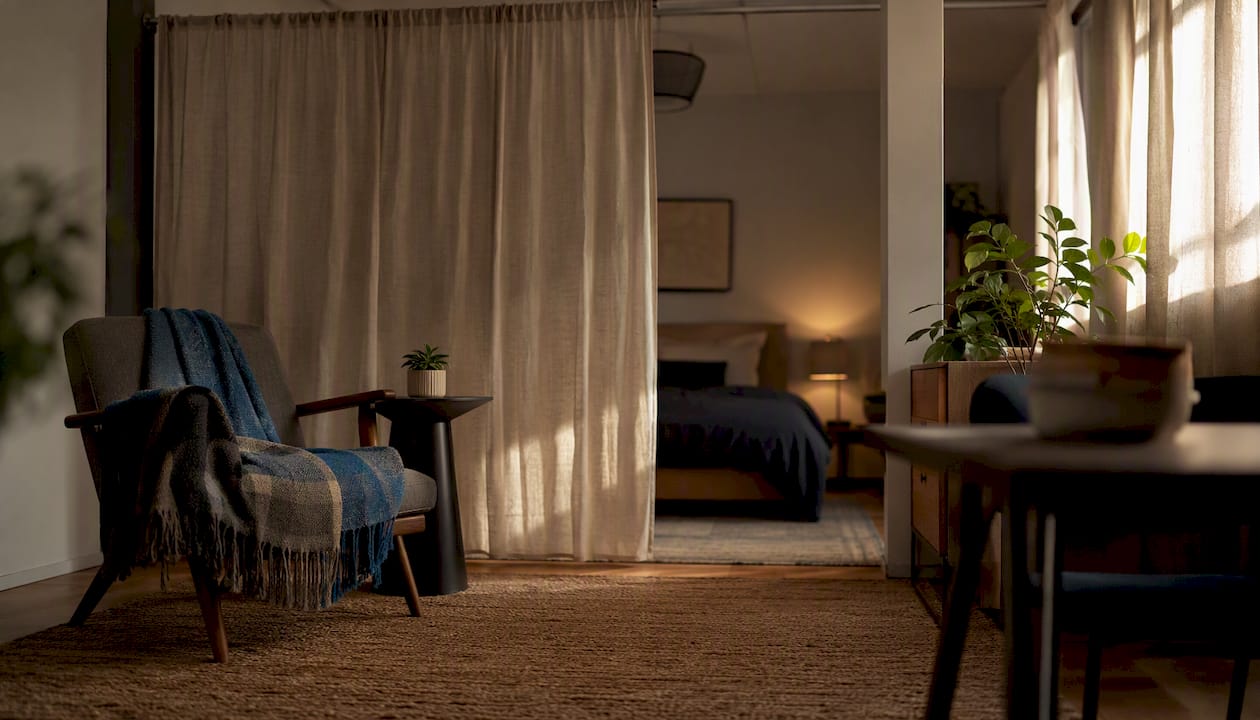
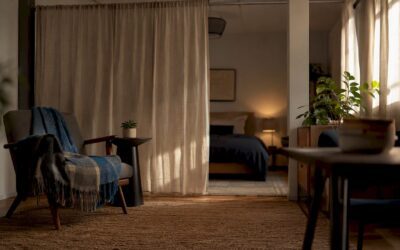
Ignoring floor and window treatments represents a missed opportunity. Smooth hardwood floors benefit from textured rugs, heavy linen drapes add warmth and weight, and lightweight sheers provide ethereal softness.
Cold surfaces like metal and glass require warm counterpoints, such as wood, wool, or leather, to avoid a clinical feel.
Lighting is crucial. Too many dark, matte surfaces in a poorly lit room absorb light and create heaviness. Balance dark textures with reflective elements or provide adequate lighting to reveal textural detail.
The Texture That Warms Modern Living
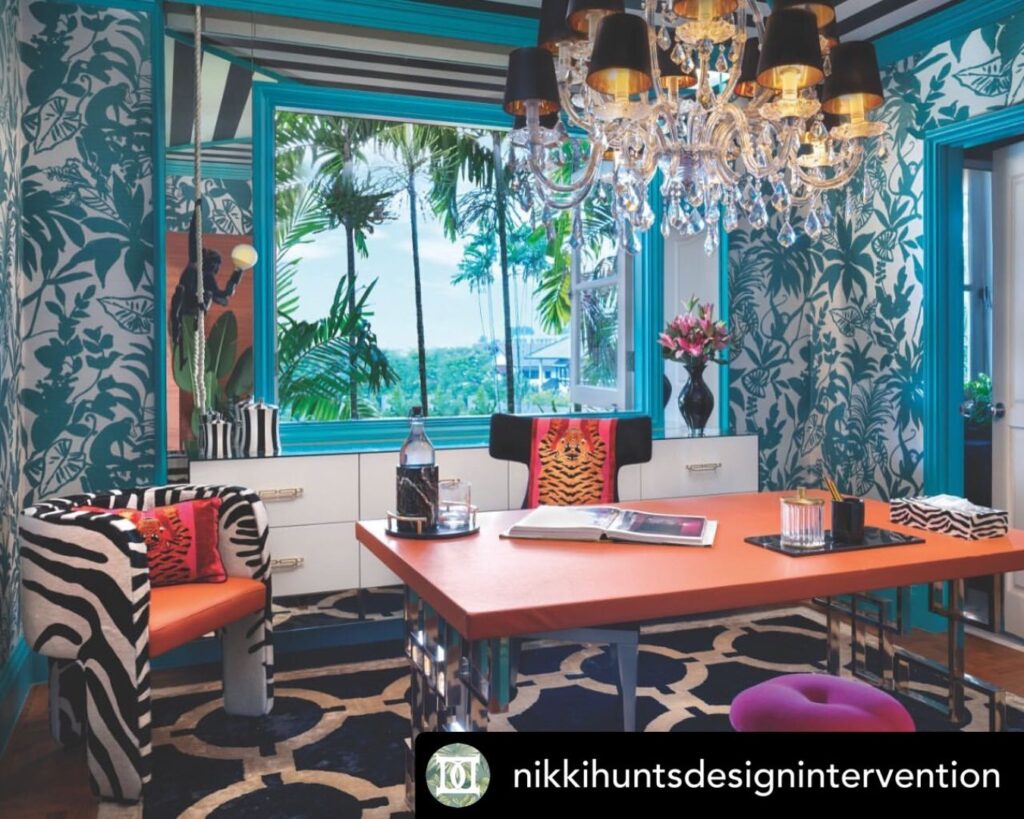
A well-designed space should do more than look polished. It must feel lived-in, and texture is the element that provides this subtle sense of comfort. Skilled use of texture in interior design ensures that a visually polished room also feels welcoming and comfortably lived-in.
Warmth in contemporary design does not come from colour alone. It emerges from layered textures that engage both sight and touch, adding depth and gentle character without creating clutter.
Ultimately, it is not colour alone that makes a home feel warm. It is the interplay of interior textures that engages both hand and eye.
Texture does more than decorate. It restores the human warmth that can be overlooked in minimalist modern interior design.