DIY ideas for home decor are creative, budget-friendly projects that transform your living space with personal style and minimal investment. The best results come from combining high-impact techniques: textile swaps, upcycled furniture, layered lighting, and handmade wall art. According to 2026 interior design guides, homeowners can fully transform a living room for $150–$500, with throw pillow covers alone costing just $5–$12 each. Personalized, handmade decor is the defining aesthetic of 2026, moving decisively away from catalog-perfect interiors toward spaces that feel genuinely lived in and curated.
1. Which DIY projects offer the best value and style impact?
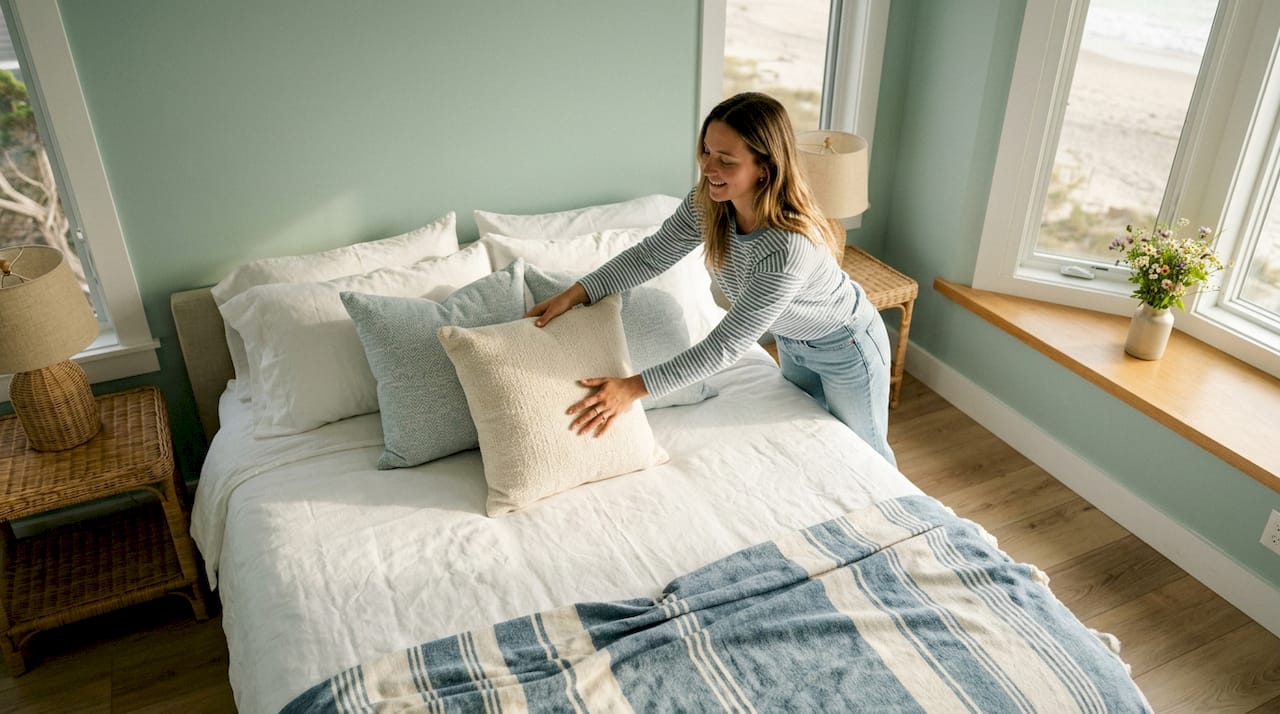
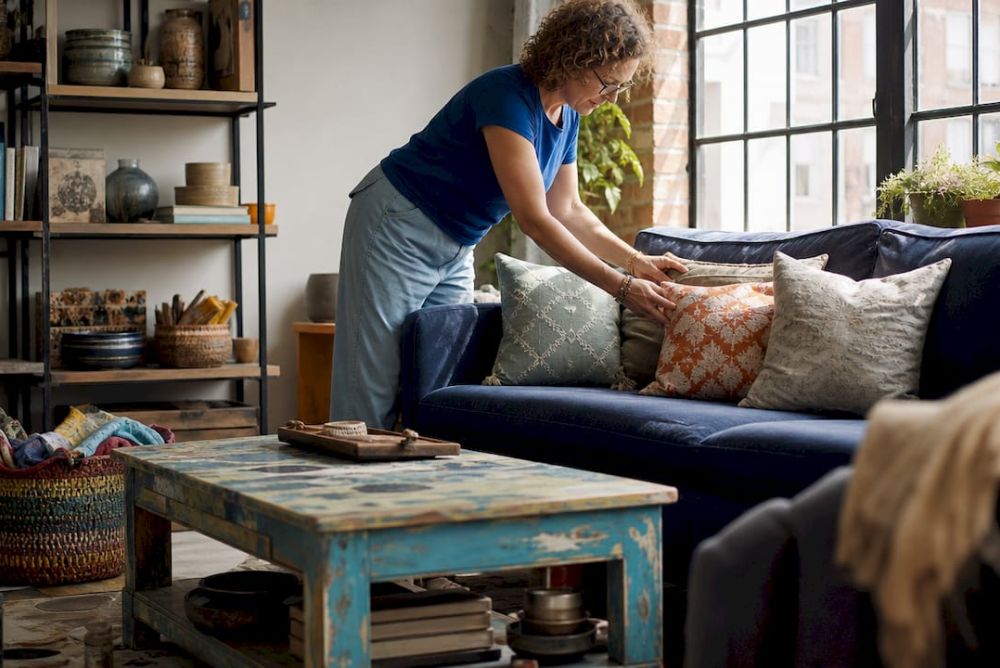
The highest-return DIY home decor projects focus on textiles, paint, and hardware. These three categories cost the least and change the most. A sofa draped in new throw pillow covers and a chunky knit blanket reads as an entirely different piece of furniture. The visual shift is immediate, and the investment stays well under $50.
Painting is the single most dramatic room upgrade available to a homeowner. A fresh coat on walls, a piece of flat-pack furniture, or even a dated fireplace surround resets the entire color story of a room. Chalk-painted furniture with a proper finishing wax coat stays chip-free for years, making the effort genuinely worthwhile.
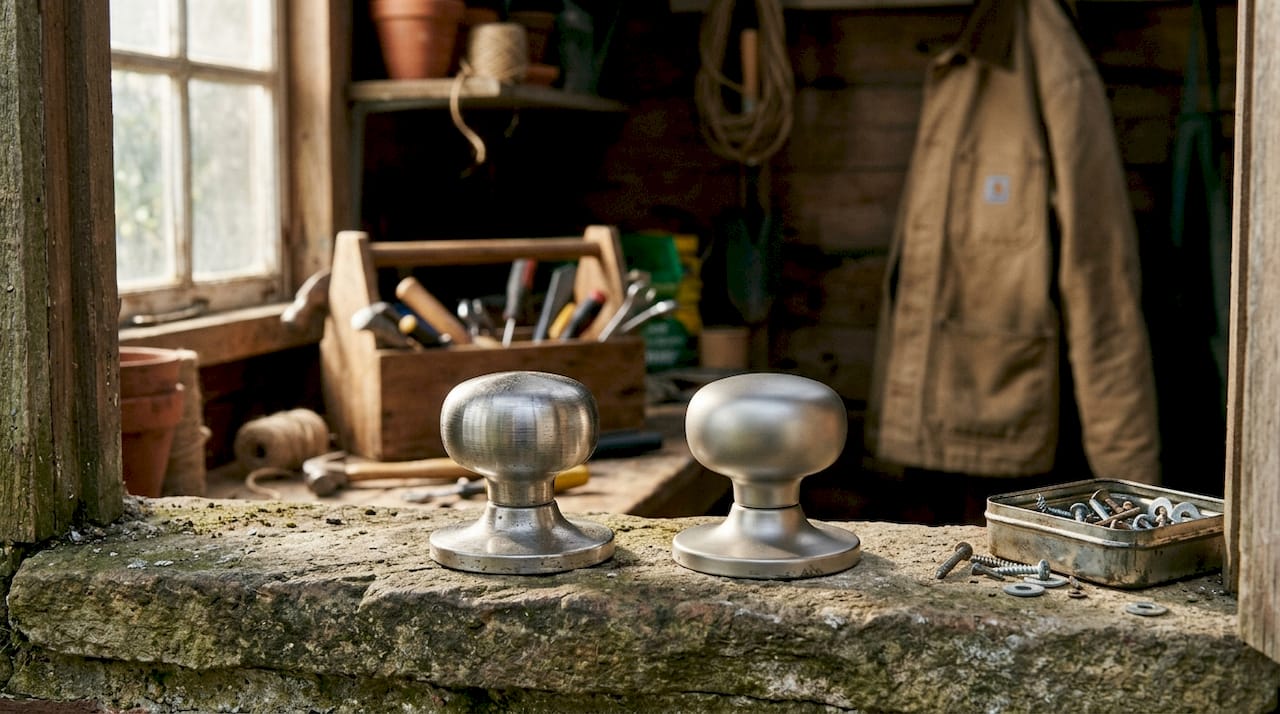
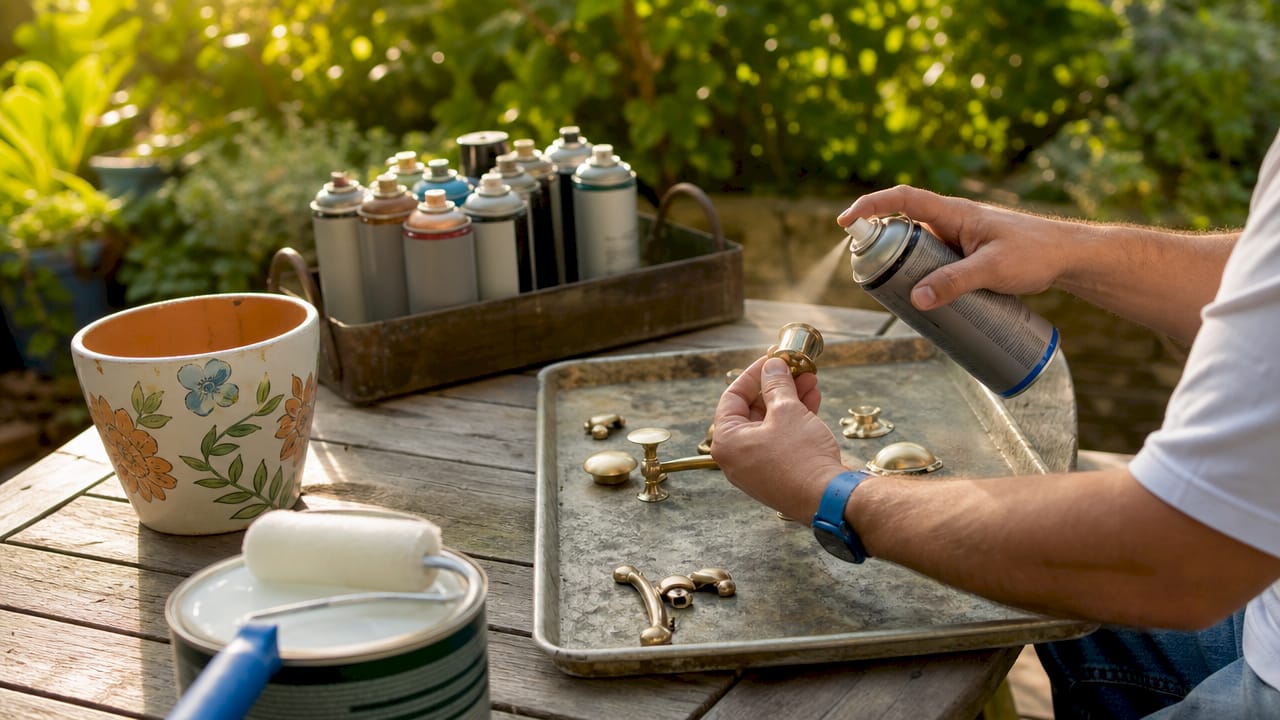
Hardware replacement is the quiet hero of furniture upgrades. Matte black drawer pulls cost $1.50–$3 per handle and make a $40 dresser look intentional and considered. Thrift stores are the best source for wood frames, glass vases, and wicker baskets that respond beautifully to spray paint, producing a high-end finish at a fraction of retail cost.
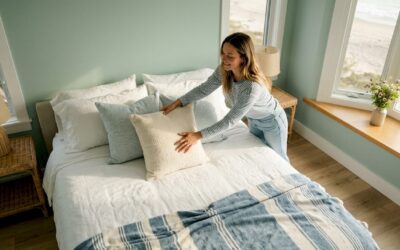
- Swap throw pillow covers and bedding ($5–$30 per piece) for instant textile refresh
- Paint walls or furniture with chalk paint and seal with finishing wax for durability
- Replace cabinet and drawer hardware with matte black or brushed brass pulls
- Hunt thrift stores for wood frames, baskets, and glass vases to spray-paint
- Add floating shelves to create functional display zones and visual focal points
Pro Tip: Group thrifted objects by material or finish before spray-painting. A unified coat of warm white or matte black across mismatched pieces creates a collected, intentional look rather than a random assortment.
2. How to incorporate texture and natural elements in DIY decor
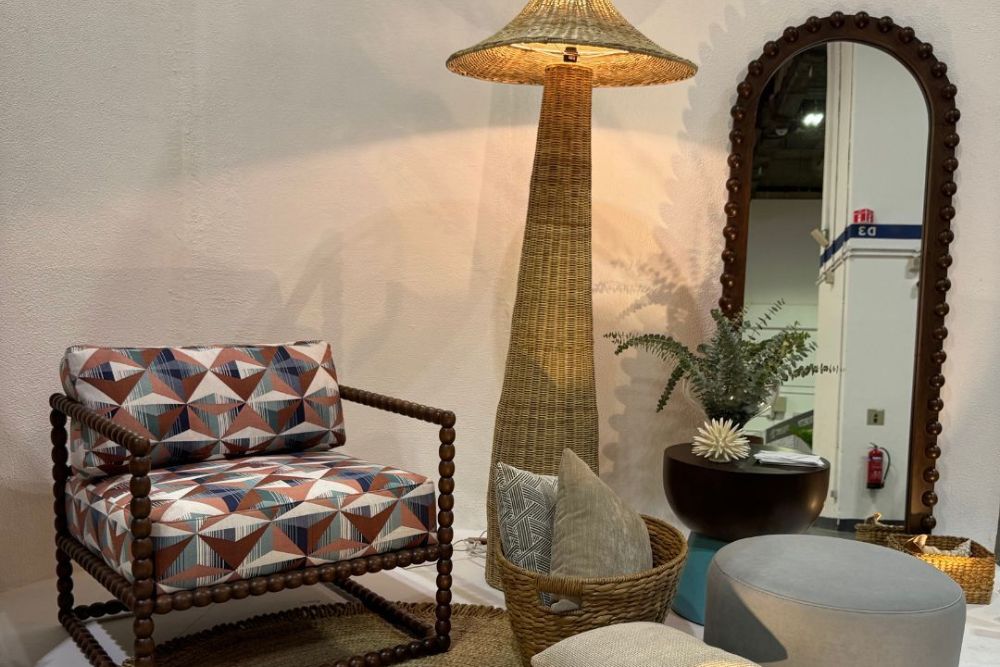
Texture is the quiet hero of any well-designed room. It adds depth that paint alone cannot achieve, and it makes a space feel warm rather than merely decorated. The use of woven baskets, knitted throws, and rope-wrapped fixtures introduces tactile interest that draws the eye and invites touch.
Plants are the most effective biophilic design element available at any budget. Live greenery adds movement, oxygen, and natural irregularity that no manufactured object replicates. For renters or those without a green thumb, high-quality faux stems in ceramic matte pots read as convincingly real when placed in natural light.
Handmade wall art is a 2026 trend with real staying power. Personalized, handmade decor using pressed flowers, air-dry clay, and woven fiber creates pieces that carry personal meaning and cannot be replicated by mass production. These objects become conversation starters and genuine focal points.
Texture is not decoration layered on top of a room. It is the foundation that makes every other element feel grounded. Linen curtains, a jute rug, and a ceramic lamp base do more for warmth than any paint color alone.
- Woven baskets and rattan trays for storage that doubles as decor
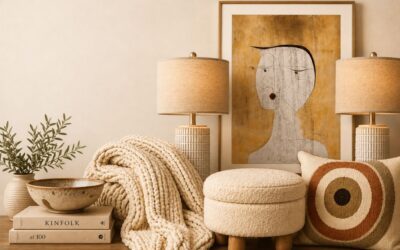
- Knitted or chunky-woven throws draped over sofas and chairs
- Rope-wrapped pendant lights or vase necks for organic texture
- Live plants in terracotta or matte ceramic pots for biophilic warmth
- Pressed flower frames, clay wall discs, and fiber wall hangings for handmade art
Linen textiles and raw wood surfaces work as warmth multipliers. They absorb light softly rather than reflecting it harshly, which makes a room feel settled and calm. Pairing a linen-upholstered chair with a reclaimed wood side table creates a textural conversation that feels curated rather than assembled.
3. Budget-friendly hacks for renters and small-space dwellers
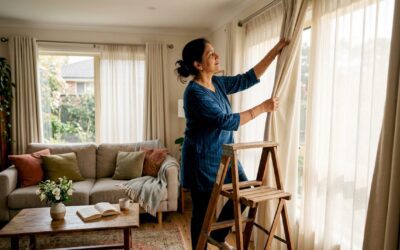
Renters face a specific design constraint: no permanent changes. The good news is that the most effective renter-friendly upgrades require no drilling, no paint, and no landlord approval. Peel-and-stick wallpaper creates a full accent wall in an afternoon and removes cleanly when the lease ends.
Lighting is the most overlooked design element in rental spaces. Most renters assume good lighting requires hardwiring. Battery-operated puck lights and LED sconce conversion kits deliver high-end ambient light without any electrical work. Replacing a harsh overhead bulb with a warm 2700K lamp from a thrift store ($5–$15) transforms the entire mood of a room.
Small spaces benefit most from furniture that earns its footprint. Every piece should serve at least two purposes: a storage ottoman replaces a coffee table, a ladder shelf replaces a bookcase and a side table. Space-saving decor that doubles as art removes the need to choose between function and beauty.
- Apply peel-and-stick wallpaper to one wall for a bold, removable accent
- Use battery-operated puck lights or warm-bulb table lamps for layered lighting
- Install floating shelves with removable adhesive strips for display and storage
- Hang art and textiles with Command strips rated for the frame weight
- Rearrange existing furniture to improve traffic flow before buying anything new
- Use a large area rug to define zones in open-plan or studio layouts
Pro Tip: A rug placed under the front legs of a sofa anchors the seating area and makes a small room feel intentionally designed. It costs nothing if you already own the rug.
4. What styling principles make DIY decor look professionally done?
The difference between DIY decor that looks polished and DIY decor that looks cluttered comes down to three principles: scale, repetition, and restraint. Most home decorators buy too many small objects. One large-scale piece creates more visual impact than five small ones competing for attention.
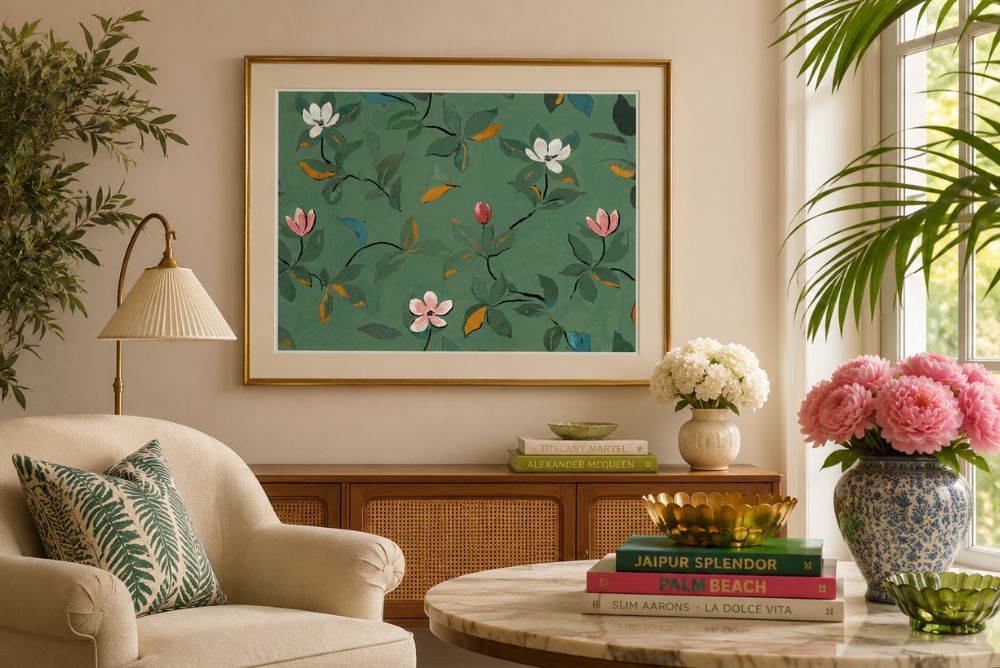
Designers recommend that wall art fills approximately 66% of the available wall space above furniture. A piece hung too small floats awkwardly and makes the furniture beneath it look undersized. For gallery walls, Artinlifestyle’s gallery wall guide offers tested arrangements that maintain this balance across multiple frames.
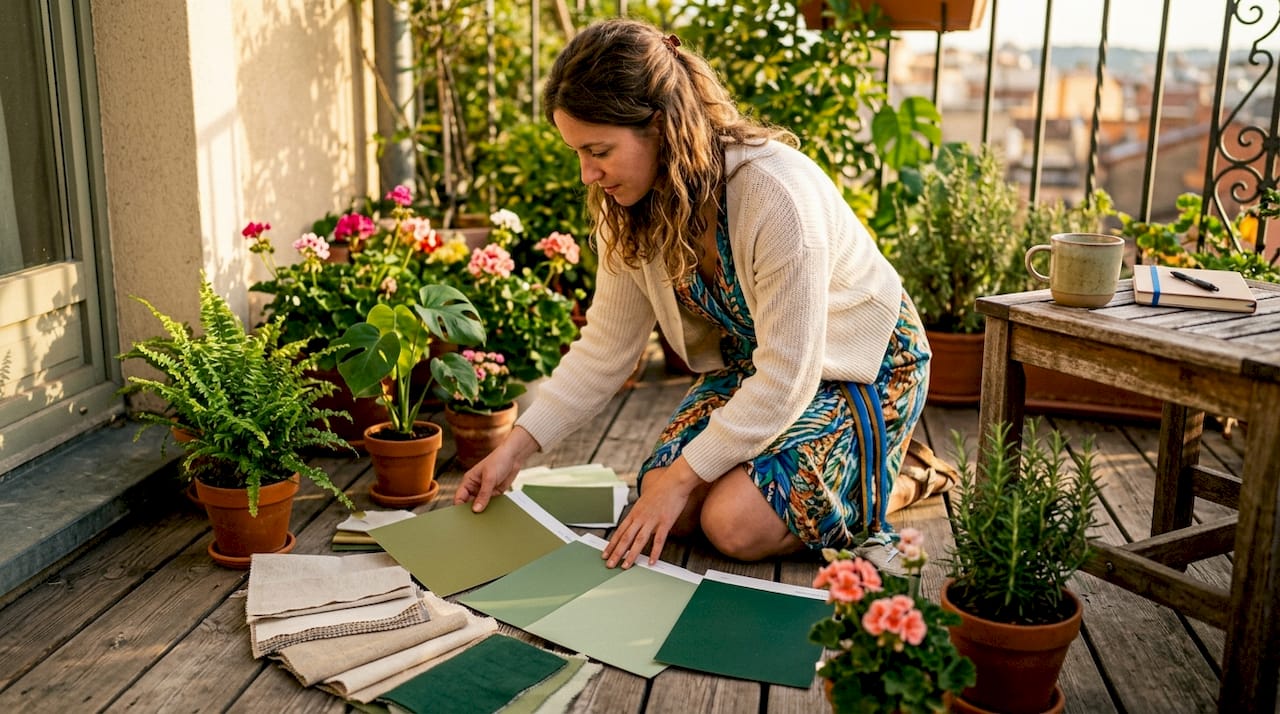
Color repetition is the fastest way to create cohesion across a room. Choosing 3–5 colors and repeating each one at least twice prevents a space from feeling random. A terracotta pillow, a terracotta candle, and a terracotta pot create a color thread that ties unrelated objects together.
| Styling principle | What it does | How to apply it |
|---|---|---|
| Rule of three | Creates visual rhythm | Group objects in sets of 3 or 5, vary heights |
| 66% wall fill | Prevents art from floating | Size art to two-thirds of furniture width |
| Color repetition | Builds cohesion | Repeat each accent color at least twice |
| Negative space | Reduces clutter | Leave one-third of shelf space empty |
| Scale variation | Adds depth | Mix one large piece with smaller supporting objects |
- Group accessories in odd numbers (3 or 5) to create intentional visual rhythm
- Vary heights within each grouping: tall, medium, and low objects together
- Edit ruthlessly: remove anything that does not earn its place in the arrangement
- Repeat one material (wood, ceramic, brass) across multiple objects to unify a shelf
Negative space is not empty space. It is visual rest, and it makes the objects around it more noticeable. A shelf filled to capacity reads as clutter. The same shelf with one-third left open reads as curated.
Key takeaways
The most effective DIY home decor approach combines high-impact, low-cost projects like textile swaps and hardware upgrades with deliberate styling principles that make handmade results look professionally finished.
| Point | Details |
|---|---|
| Textiles deliver the fastest ROI | Throw pillow covers at $5–$12 each transform a room for under $50. |
| Hardware upgrades punch above their price | Matte black pulls at $1.50–$3 each make flat-pack furniture look intentional. |
| Texture adds warmth paint cannot | Woven, linen, and ceramic materials create depth that flat surfaces lack. |
| Renters have more options than they think | Peel-and-stick wallpaper and battery-operated lighting require no permanent changes. |
| Styling rules prevent clutter | The 66% wall-fill rule and odd-number groupings make DIY decor look designed. |
What I have learned from years of DIY decorating
The most common mistake I see is buying before editing. Homeowners and renters fill their spaces with objects before they have decided what the room is actually for. The result is a collection of things rather than a designed space. My advice: remove half of what is on your shelves before adding anything new. What remains will surprise you.
Thrift stores changed how I think about spending. One quality anchor piece, say a solid wood side table or a large ceramic lamp, paired with thrifted accents creates a more polished room than a cart full of inexpensive new items. Intentional spending on one or two pieces and hunting for the rest produces interiors that feel collected over time rather than assembled in an afternoon.
Imperfection is not a flaw in DIY work. It is the signature. A hand-painted frame, a slightly uneven clay dish, a pressed flower arrangement with asymmetric stems: these are the details that make a home feel genuinely human. No catalog can replicate them, and no algorithm can generate them. That is the real value of making things yourself.
The flexibility this approach gives renters is underrated. You are not locked into a style, a color, or a layout. Peel-and-stick panels come down. Command strips release. Furniture rearranges. Your home can evolve as you do, without a renovation budget or a landlord’s permission.
— Nealda
Artinlifestyle’s curated resources for your next creative project
Artinlifestyle brings together the design thinking and artistic inspiration that makes DIY projects feel considered rather than improvised. Whether you are building a gallery wall or sourcing a statement art piece to anchor a handmade room, the magazine’s curated features connect creative home projects to the broader world of contemporary art and interior design.
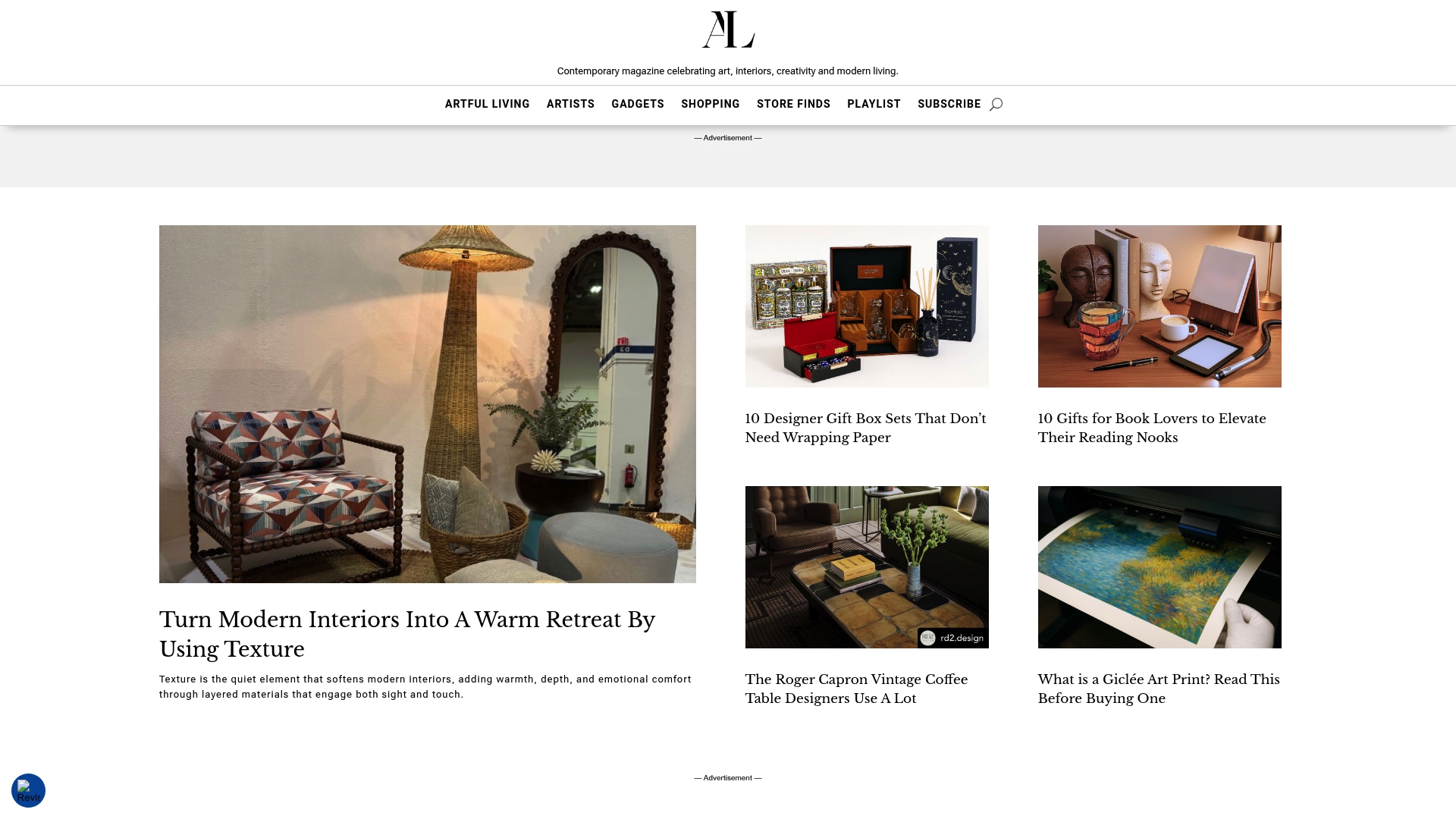
For readers drawn to the intersection of fine art and personal decor, Artinlifestyle’s feature on abstract line art explores how original works bring stillness and motion into a room in ways that printed reproductions cannot. The gallery wall ideas collection offers tested arrangements for blank walls of every size, giving your handmade frames a professional framework to live within. Artinlifestyle covers the full range from weekend craft projects to investment art, so every reader finds their entry point.
FAQ
What are the cheapest DIY home decor projects with the most impact?
Textile swaps deliver the highest impact for the lowest cost. Throw pillow covers at $5–$12 each and thrifted lamps on warm bulbs can transform a living room for under $100.
Can renters do DIY home decor without losing their deposit?
Renters can use peel-and-stick wallpaper, Command strips, and battery-operated lighting to personalize their space without permanent changes or landlord approval.
How do I make DIY decor look expensive rather than homemade?
Apply the 66% wall-fill rule for art placement, group objects in odd numbers, and repeat 3–5 colors across the room to create cohesion and visual intention.
What is the best weekend DIY project for a beginner?
Painting a piece of furniture with chalk paint and finishing wax is the most beginner-friendly project with a dramatic result. The process takes one weekend and the finish lasts for years.
How many colors should I use in a DIY-decorated room?
Designers recommend limiting a room to 3–5 colors and repeating each one at least twice. This repetition creates cohesion without requiring expensive matching furniture sets.