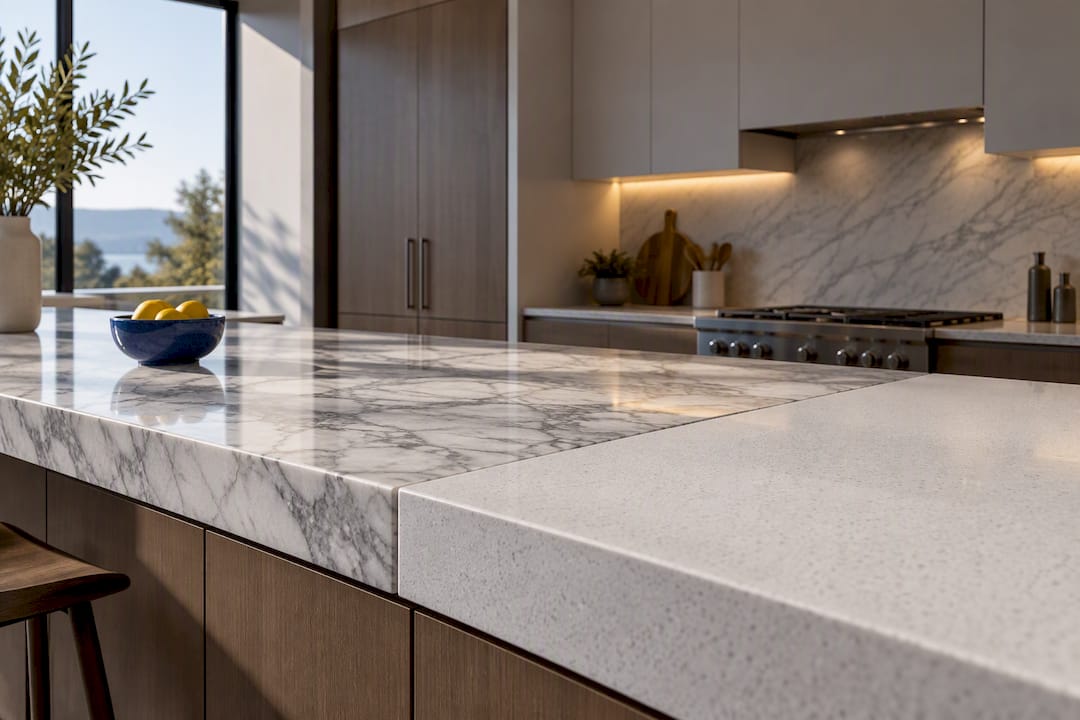
For most kitchens, quartz is the smarter everyday choice: it resists stains and scratches with little upkeep, while marble remains the material of choice for anyone chasing a one-of-a-kind, luxury look in lower-traffic spaces. The tradeoffs come down to three things: how much maintenance you’re willing to do, how much stain or etch risk feels acceptable, and whether a chip or scratch can be repaired without drama. What follows breaks down the evidence behind that verdict, room by room and dollar by dollar.
TL;DR:
- Quartz is less vulnerable to stains and scratches, making it ideal for high-traffic kitchens with kids or pets, while marble is better suited for lower-traffic, luxury-focused spaces.
- Deep chips in quartz usually require full slab replacement, whereas marble chips can often be refashioned by a professional, but both materials are sensitive to heat.
- Quartz requires no sealing and resists staining better overall, but harsh cleaners can damage it and void warranties; marble needs regular sealing to prevent stains but can often be buffed for etch marks.
- Matching marble veining varies naturally, requiring in-person selection for seams, while engineered quartz offers consistent patterns that simplify installation and matching.
- Long-term costs favor quartz in resale value and maintenance, although marble’s natural value appeals to luxury buyers, especially in smaller or less-used areas.
Table of Contents
- At-a-glance comparison of quartz and marble
- Appearance and design: veining, color, and consistency
- Durability: scratches, chips, heat, and etching
- Maintenance and cleaning: sealing, stains, and safe cleaners
- Cost and long-term value: price and resale
- Best uses and design recommendations by room
- How to choose: a checklist for fabricators and installers
- Art in Lifestyle’s perspective and practical takeaways
- A design editor’s take on choosing between them
- Sources
- FAQ
At-a-glance comparison of quartz and marble
Quartz and marble solve different problems, and the right answer depends on how a space actually gets used, not just what looks best in a showroom.
- Quartz resists stains and scratches with minimal care, comes in a wide color range, and suits busy kitchens with kids or pets.
- Quartz cannot be fully repaired if it chips deeply, and its surface, while consistent, lacks the organic movement of real stone.
- Marble offers unmatched natural veining and a cool, polished surface that bakers and formal entertainers love.
- Marble etches when acidic foods touch it and needs regular sealing to guard against stains.
Busy family kitchens and rental properties tend to favor quartz, while dedicated bakers and homeowners building a formal powder room or bath often choose marble for its character. Whichever material you land on, ask for the manufacturer’s written care and warranty terms before installation. Warranty language often hinges on how the surface was cleaned and sealed, and that detail rarely comes up until something goes wrong.
Appearance and design: veining, color, and consistency
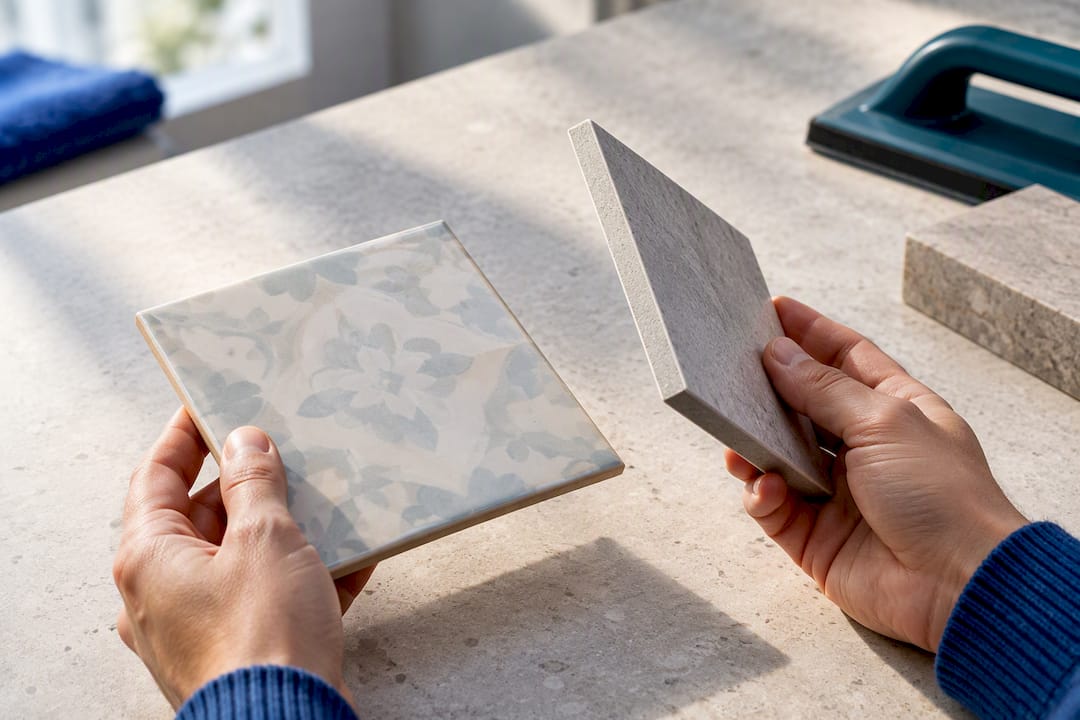
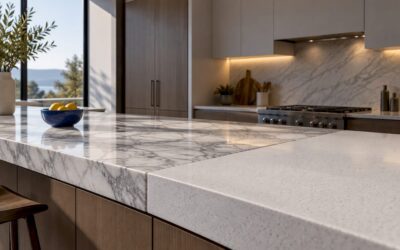
Marble’s appeal starts with the fact that no two slabs are alike. Veining runs in soft, unpredictable paths, and a polished finish reflects light in a way that makes small kitchens feel more open, while a honed finish mutes the shine for a quieter, more matte look. Because each slab is unique, matching veining across a seam takes careful selection at the stone yard, something worth seeing in person before you commit. For inspiration on how those natural patterns read in a finished room, this marble coffee table guide shows the material’s range beyond countertops.
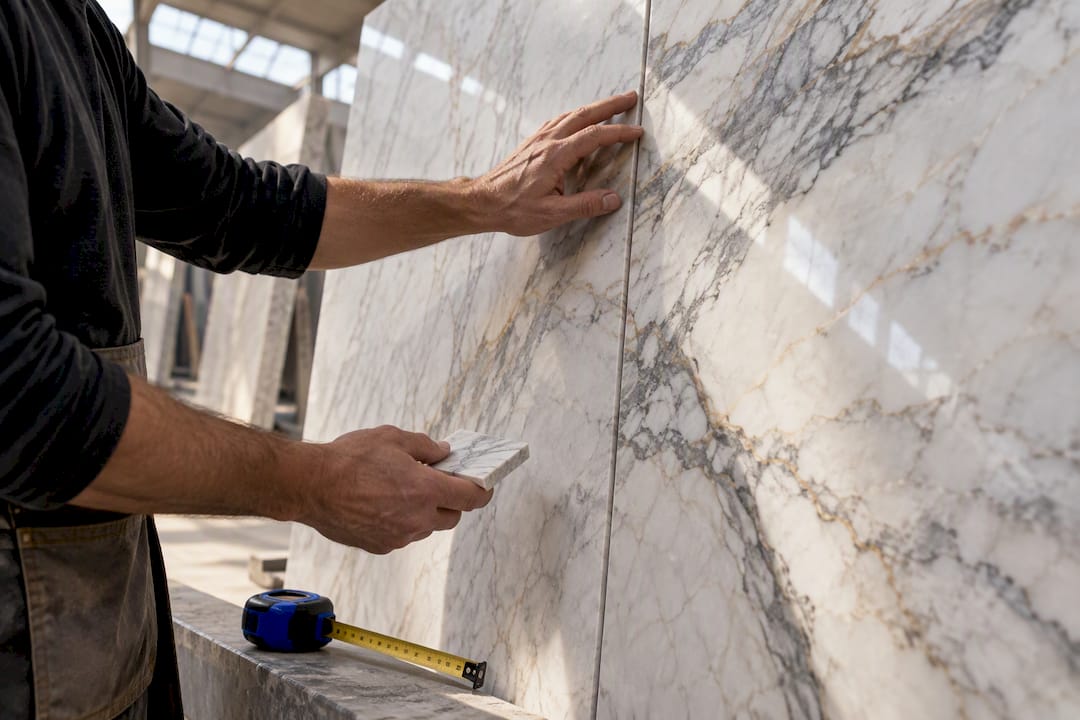
Quartz takes the opposite approach: engineered slabs repeat their pattern with precision, which makes seam matching far easier and color consistent from one batch to the next. Many lines now mimic marble’s veining convincingly, giving you that look without the variation. When pairing either material with cabinetry or a statement backsplash, let the busier surface lead and keep the other simple.
Durability: scratches, chips, heat, and etching
Marble is a relatively soft stone, which means everyday knife nicks, dropped pans, and acidic splashes from lemon juice or wine can leave lasting marks. Quartz, being engineered from ground quartz and resin, resists scratching and staining far better, though a heavy, sharp impact can still chip its edge.
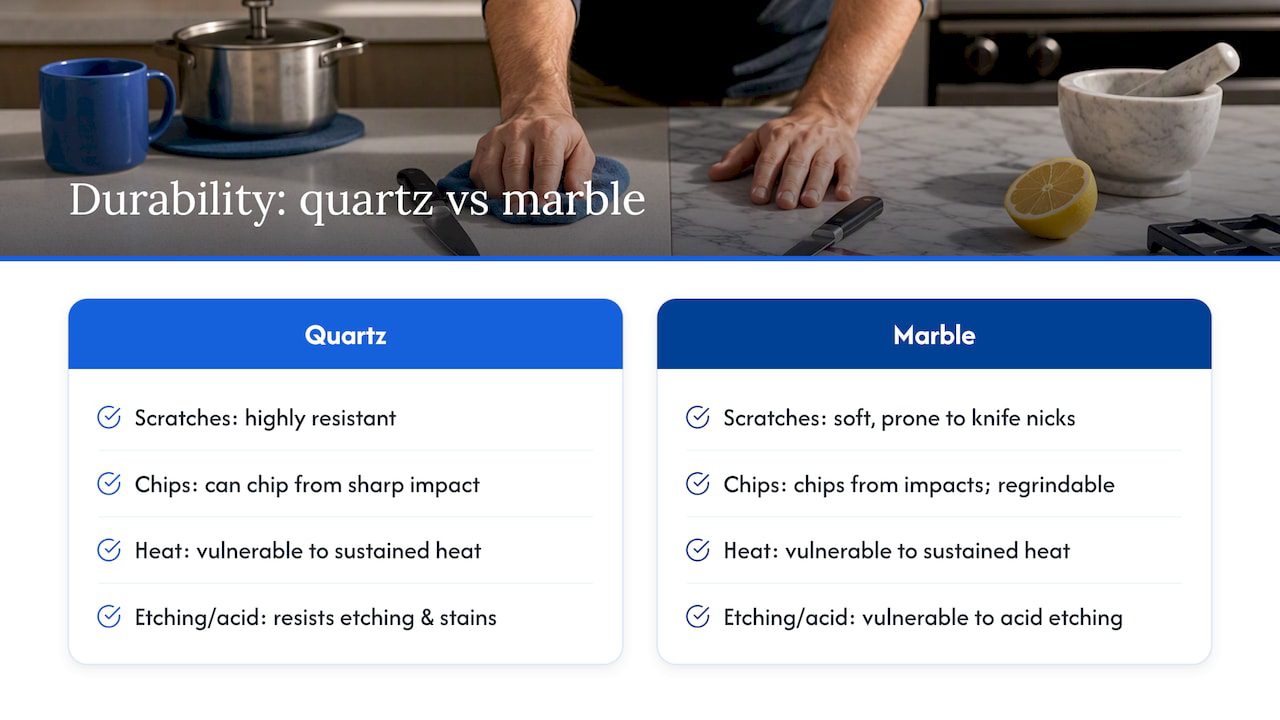
Independent testing backs this up. Consumer Reports found that engineered quartz performs very well on staining and abrasion resistance, while marble rates poorly for etching and impact damage due to its calcite content.
Heat is a shared vulnerability. Both materials can be marked by direct, sustained contact with a hot pan, so a trivet is worth the habit no matter which surface sits under your stove. Chip repair also differs in practice: a marble edge can often be reground and repolished by a stone restorer, while a chipped quartz edge frequently requires a full slab replacement in that section since the resin-based surface does not take a color-matched patch as cleanly.
Maintenance and cleaning: sealing, stains, and safe cleaners
Marble typically needs sealing to slow moisture and stain absorption, since the stone itself is porous. According to the Natural Stone Institute, a quality penetrating sealer can last ten to fifteen years, though sealing reduces staining risk rather than eliminating it. It does nothing to prevent etching, which happens when acid reacts with the stone’s calcite.
Quartz skips sealing altogether since its resin binder makes it nonporous from the start. That said, both materials have real cleaner limits.
- Etch marks on marble can often be buffed out with marble polishing powder, though deep marks may need professional refinishing.
- Harsh products like concentrated bleach, oven cleaners, and drain cleaners can discolor quartz and, per Clorox’s own guidance, may void the manufacturer’s warranty.
Pro Tip: Keep a mild dish soap and soft cloth on hand for daily wipe-downs, and save the disinfectant wipes for the counter’s edge, never the center where you prep food. For quartz owners looking for a quick daily routine, this flooring retailer’s maintenance guide outlines a simple two-minute habit worth adopting.
Cost and long-term value: price and resale
Both materials span a wide price range depending on slab quality, edge profile, and region, so getting quotes from local fabricators remains the only reliable way to budget accurately. Beyond the installed price, factor in what happens over the following decade: marble needs periodic resealing and occasional professional polishing to stay looking its best, while quartz’s main ongoing cost is simply avoiding the wrong cleaner.
On resale, buyer preference currently tilts toward quartz. Industry trend reporting points to quartz’s popularity in modern remodels, and that broad appeal can work in a seller’s favor. Marble still carries its own draw for buyers specifically shopping in the luxury segment, where a natural stone slab signals a different kind of investment entirely.
Best uses and design recommendations by room
Quartz earns its keep in kitchens that see real daily traffic: households with kids, pets, or anyone who cooks often will appreciate not thinking twice about a splash of tomato sauce or a dropped knife.
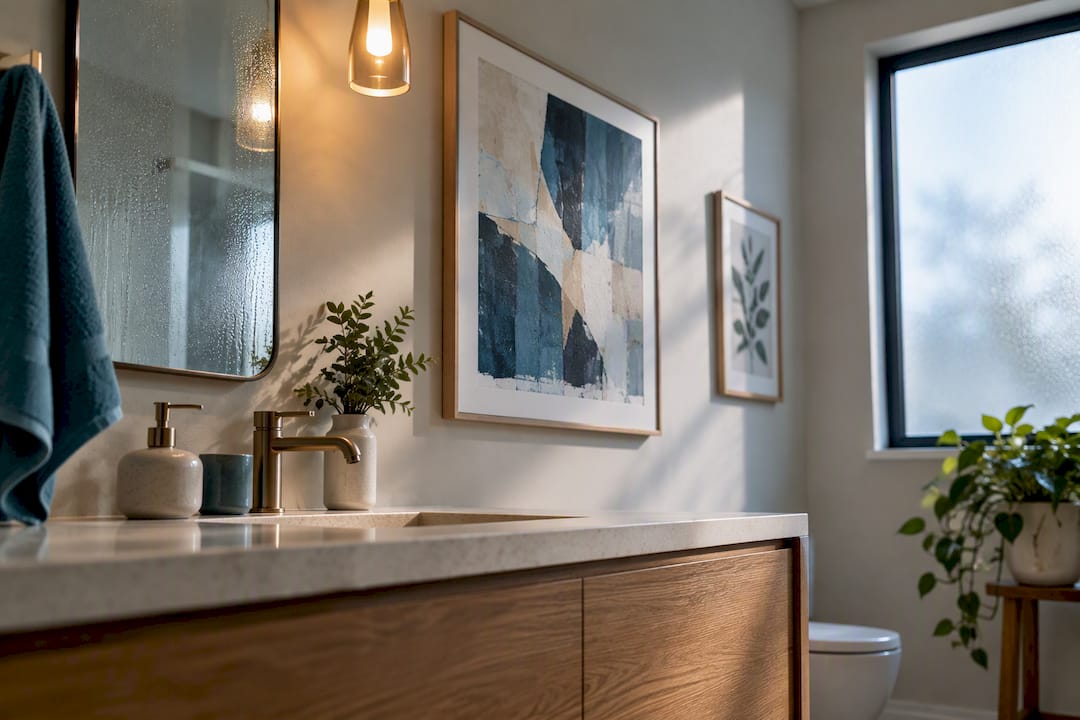
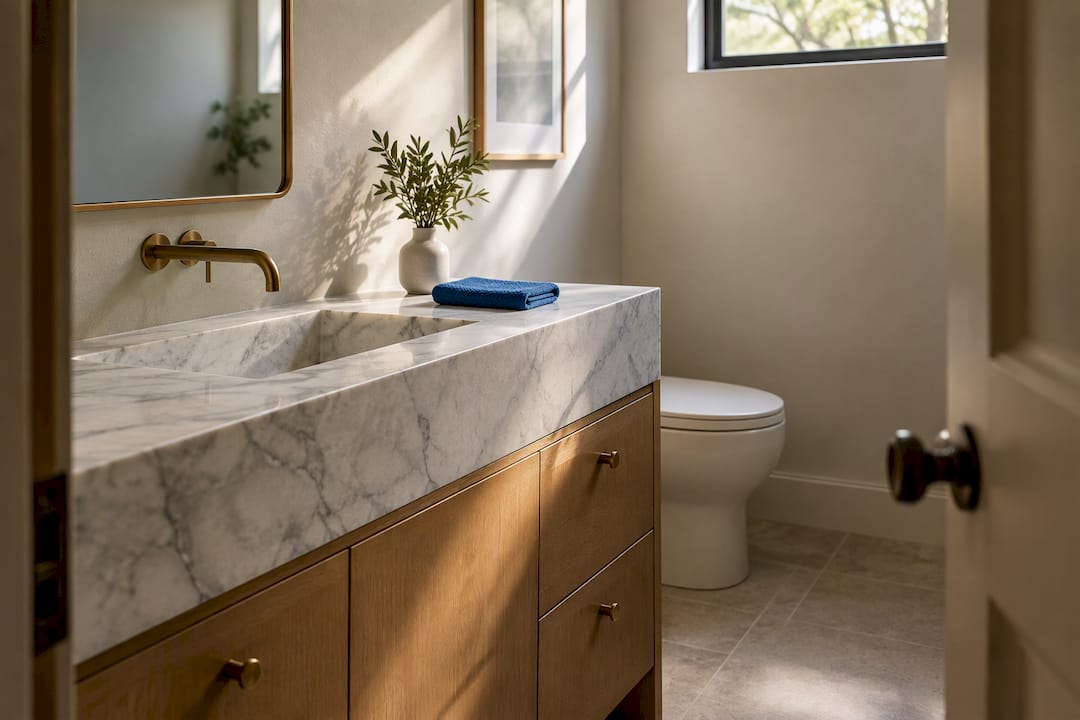
Marble, meanwhile, shines in lower-use settings where its look matters more than its wear resistance. A powder room vanity, a formal bathroom, or a small island accent lets the veining take center stage without daily abuse. When browsing full kitchen concepts, this kitchen trends and remodel guide covers material pairing alongside layout, while luxury kitchen design ideas show marble working well against warm wood cabinetry and brass fixtures.
How to choose: a checklist for fabricators and installers
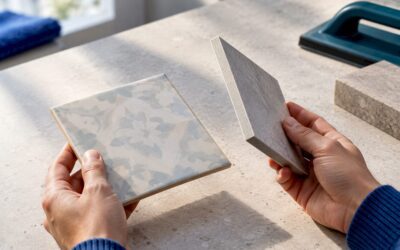
Before signing a contract, walk through a short checklist: confirm your daily habits match the material’s durability profile, see full slabs in person rather than a small sample chip, and ask exactly where seams will fall on your layout.
- What warranty do you offer, and what voids it?
- How will you match veining or pattern across seams?
- What is the expected timeline from template to install?
- Do you recommend sealing, and if so, how often?
- What happens if a chip or crack appears within the first year?
Watch for quotes that leave out edge profile, seam count, or removal of the old countertop. Those omissions tend to surface later as change orders.
Art in Lifestyle’s perspective and practical takeaways
We approach countertop choices the way we approach any interior decision: aesthetics and daily life have to agree with each other. For quartz, pair a warm, veined pattern with matte black fixtures for contrast. For marble, let a honed finish and simple cabinetry keep the stone as the room’s focal point. Browse our curated Store Finds for finishing pieces that complement either surface.
A design editor’s take on choosing between them
Choose the material that fits how you actually live in your kitchen, not the one that photographs best on day one. The counter you stop worrying about is the one you’ll love longest.
— Nealda
Sources
- How to clean quartz countertops | Clorox
- Sealing natural stone countertops | Natural Stone Institute
- Remove stains and treat etch marks | Natural Stone Institute
- Quartz vs. granite: which kitchen countertop is better? | Consumer Reports
FAQ
Which is more expensive, quartz or marble?
Both materials span a wide price range depending on slab quality and region, so neither is uniformly cheaper. Getting quotes from local fabricators is the most reliable way to compare costs for your specific project.
What are the disadvantages of quartz?
Quartz can chip under a heavy, sharp impact, and a damaged section often needs full replacement rather than a simple repair. It also lacks the organic, one-of-a-kind veining that natural marble offers.
Should you use Clorox wipes on quartz?
Manufacturers generally advise against harsh chemicals like concentrated bleach or oven cleaners on quartz, since Clorox’s own guidance notes these can cause discoloration and may void the warranty. Stick to mild dish soap for daily cleaning and check your specific brand’s care instructions first.
Which stone is best for countertops?
There is no single best stone: quartz suits busy kitchens that need low maintenance and stain resistance, while marble suits lower-traffic spaces where natural veining and luxury appeal matter more. The right choice depends on daily habits as much as looks.