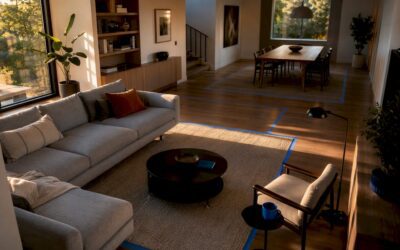
A dining room earns the word luxurious when sculptural lighting, premium materials, and a table scaled to the space come together with deliberate layering — not when any single expensive piece stands alone. The effect is cumulative, sensory, and deeply personal.
The core elements that define the look:
- Statement lighting (chandelier or sculptural pendant, layered with dimmers)
- Table and seating scale (proportioned to the room, not the catalog page)
- Premium textures and materials (marble, velvet, brass, solid wood, linen)
- Wall and ceiling treatment (paint, wallpaper, grasscloth, coffers, or beams)
- Flooring and rug (anchoring the table with correct sizing)
- Acoustics (soft textiles to absorb sound in hard-surface rooms)
- Artwork and accessories (curated, not collected)
- Storage and display (sideboards, built-ins, glass-front cabinets)
Scan the ten ideas below, choose two or three that match your room’s bones, and use the micro-steps to start.
10 Luxury Dining Room Ideas Designers Actually Use
1. Hang a chandelier that commands the room
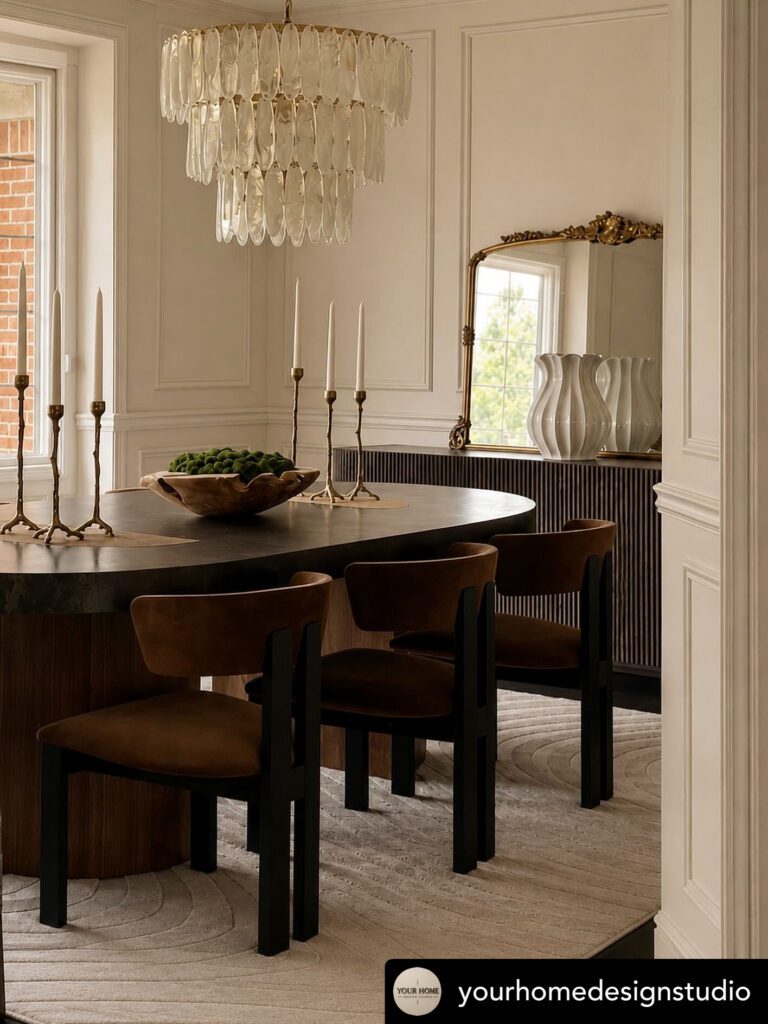
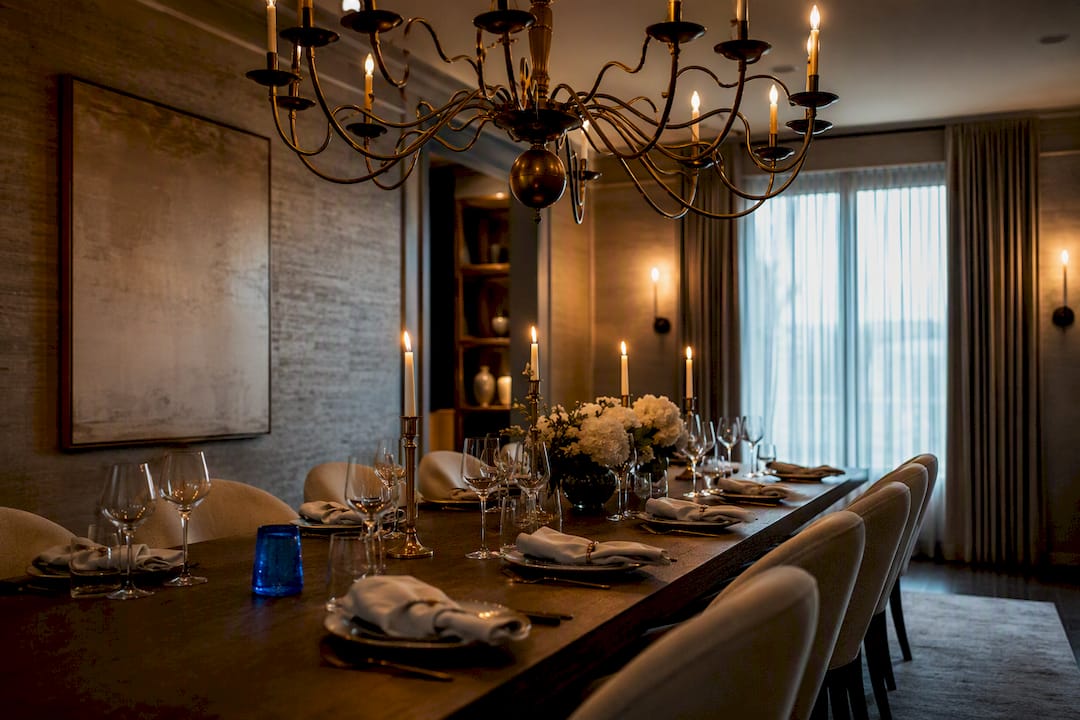
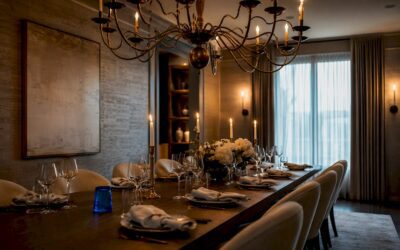
Oversized lighting is the single fastest way to shift a dining room from pleasant to memorable. Designer portfolios consistently show that an oversized chandelier, hung correctly, anchors the entire composition.
- Size the fixture to roughly half the table’s width.
- Center it 30–36 inches above the tabletop for a standard 8-foot ceiling; raise it 3 inches for every additional foot of ceiling height.
- Install a dimmer — warm 2700K bulbs at low intensity transform the mood for evening entertaining.
West Elm’s sculptural pendant collection starts around $200; Design Within Reach carries architectural fixtures from $600 upward. For a wider range of statement lighting options, Artinlifestyle’s lighting guide covers pieces that translate beautifully into refined dining rooms.
2. Choose a table that earns its place
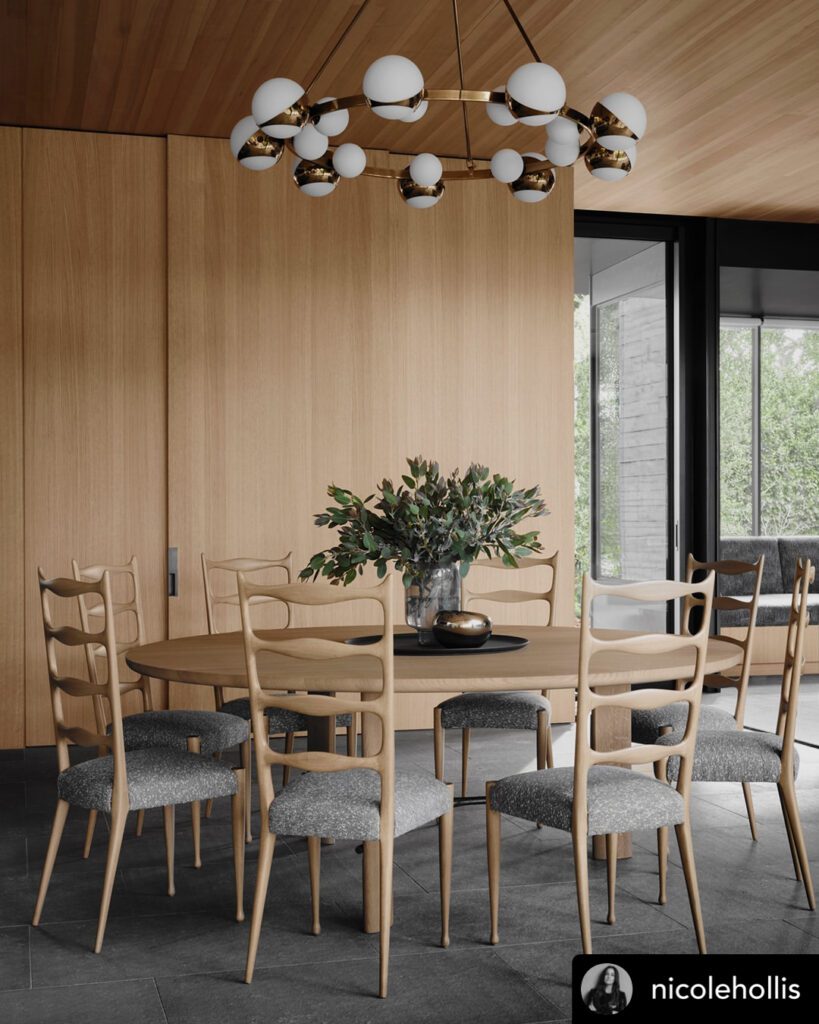
The dining table is the room’s gravitational center. A round or oval table softens a boxy space and encourages conversation; a long rectangular slab reads as formal and theatrical. Architectural Digest editors consistently point to nontraditional table shapes as one of the most reliable ways to make a room feel bespoke.
- Allow 36 inches of clearance on all sides for comfortable traffic flow.
- Choose solid wood, stone-topped, or lacquered finishes over veneer for tactile richness.
- Room & Board offers well-scaled solid-wood tables from around $1,500; a marble-top option from a stone fabricator adds material weight at a higher price point.
3. Layer your seating with mixed chair styles
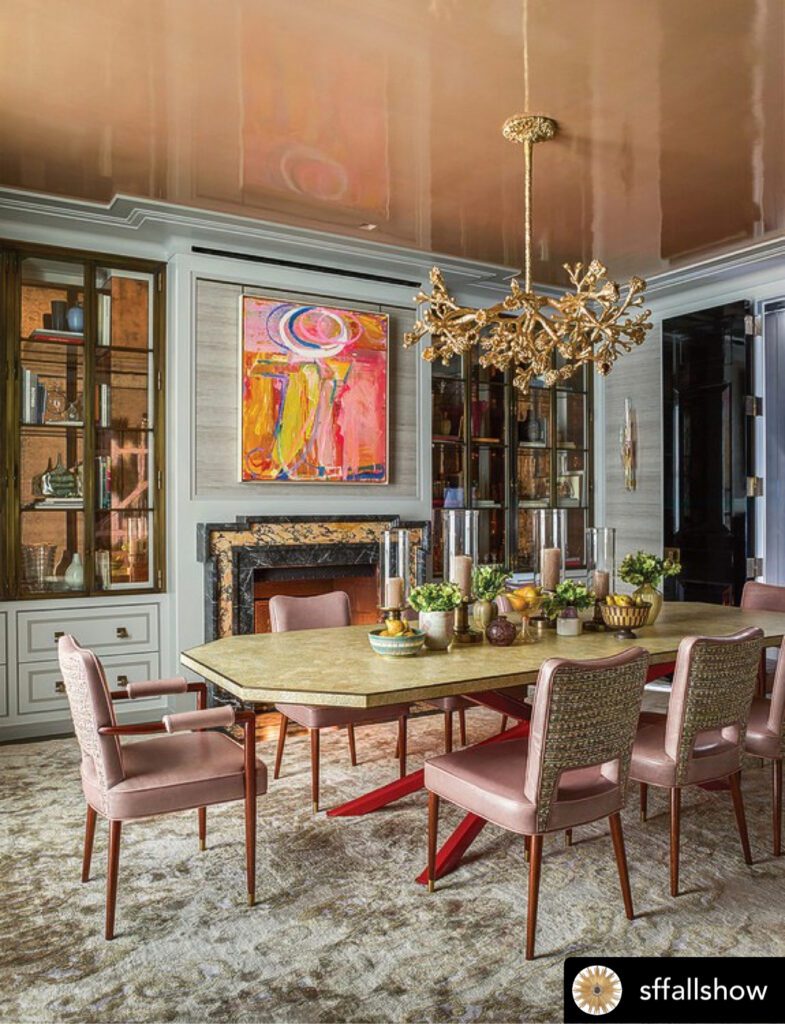
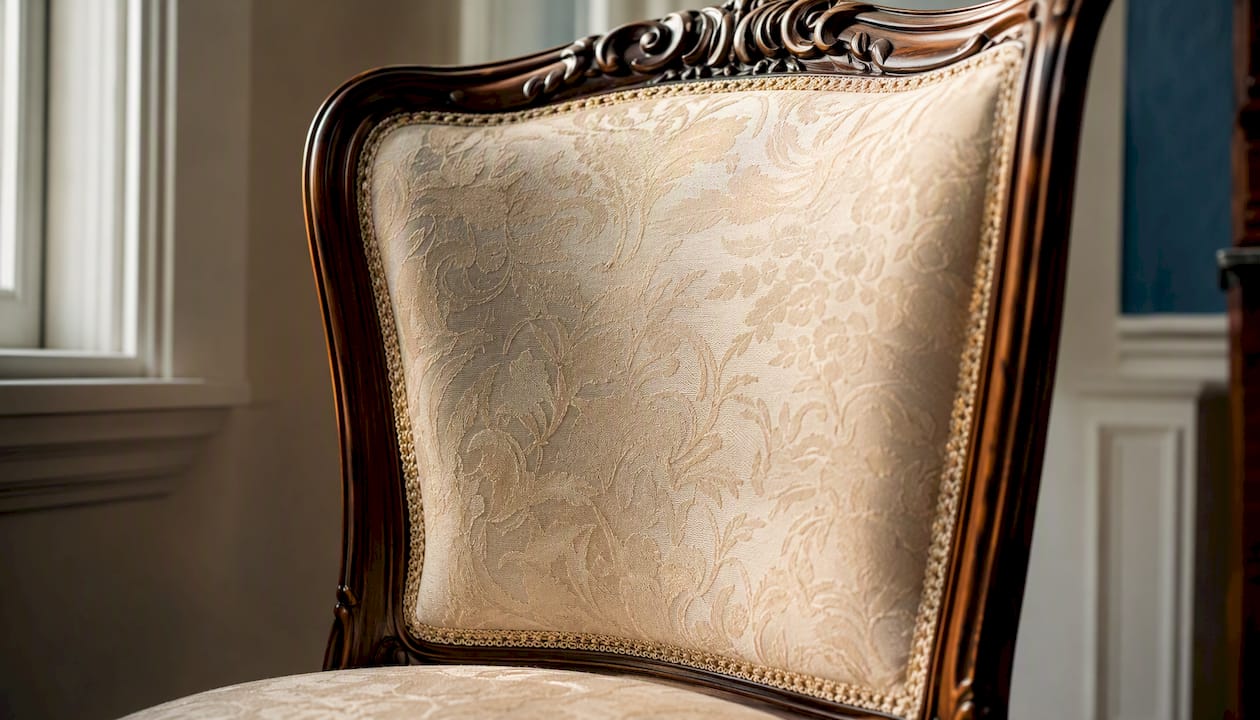
Matching chair sets read as showroom, not home. Mixing an upholstered host chair at each end with side chairs in a contrasting material — say, cane or leather — creates the collected, layered quality that reads as authentic luxury. The Spruce’s guidance on formal dining rooms specifically recommends pairing heirlooms with contemporary seating to modernize the look without erasing character.
- Keep one material or finish consistent across all chairs (leg color, fabric tone) to unify the mix.
- Velvet upholstery adds warmth and absorbs sound — a quiet functional benefit in hard-surface rooms.
- Design Within Reach’s side chairs start around $400 each; vintage host chairs sourced from estate sales often cost less and carry more personality.
Pro Tip: A banquette along one wall seats more guests than individual chairs, frees floor space, and adds an architectural built-in quality that reads as high-end even in modest budgets.
4. Treat the walls as a design surface
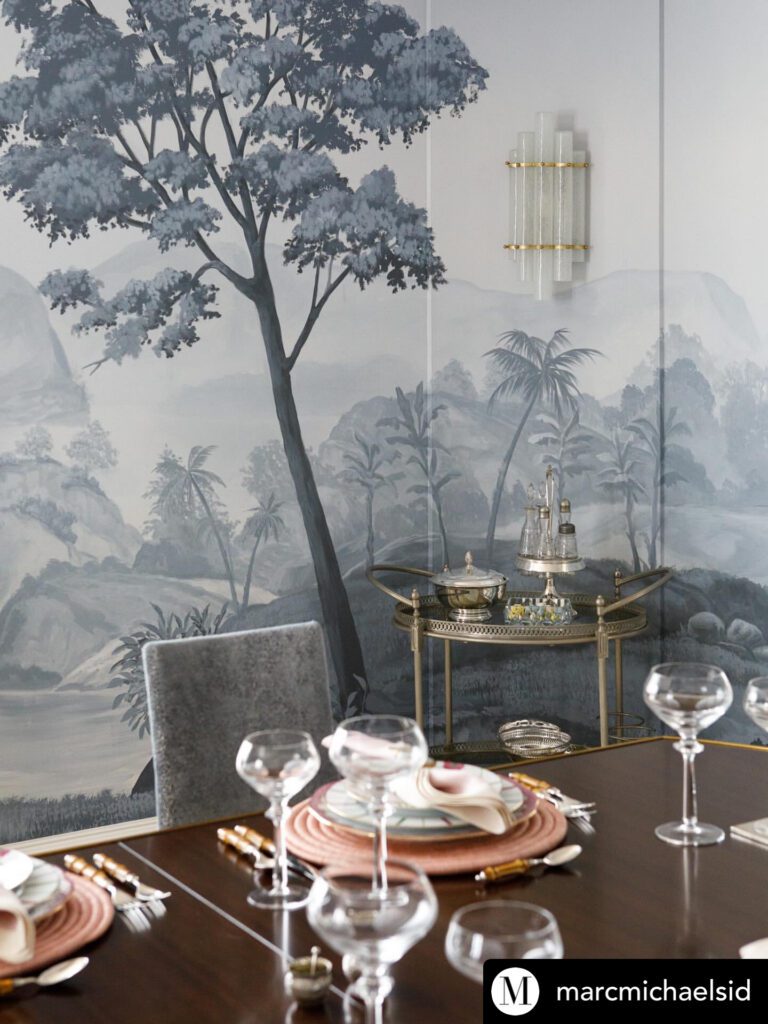
Bare painted walls are the default. Luxury dining rooms treat the wall as a fourth material. Architectural Digest’s gallery of dining room ideas highlights statement wallcoverings — grasscloth, hand-painted de Gournay-style murals, lacquered panels, or bold geometric wallpaper — as recurring tactics in bespoke rooms.
- Apply wallcovering to all four walls for immersion, or use a single feature wall behind the sideboard.
- Benjamin Moore’s “Decorator’s White” (used in the Georgetown remodel documented by Remodelista) shows how unified paint across walls and trim creates a clean, gallery-like backdrop.
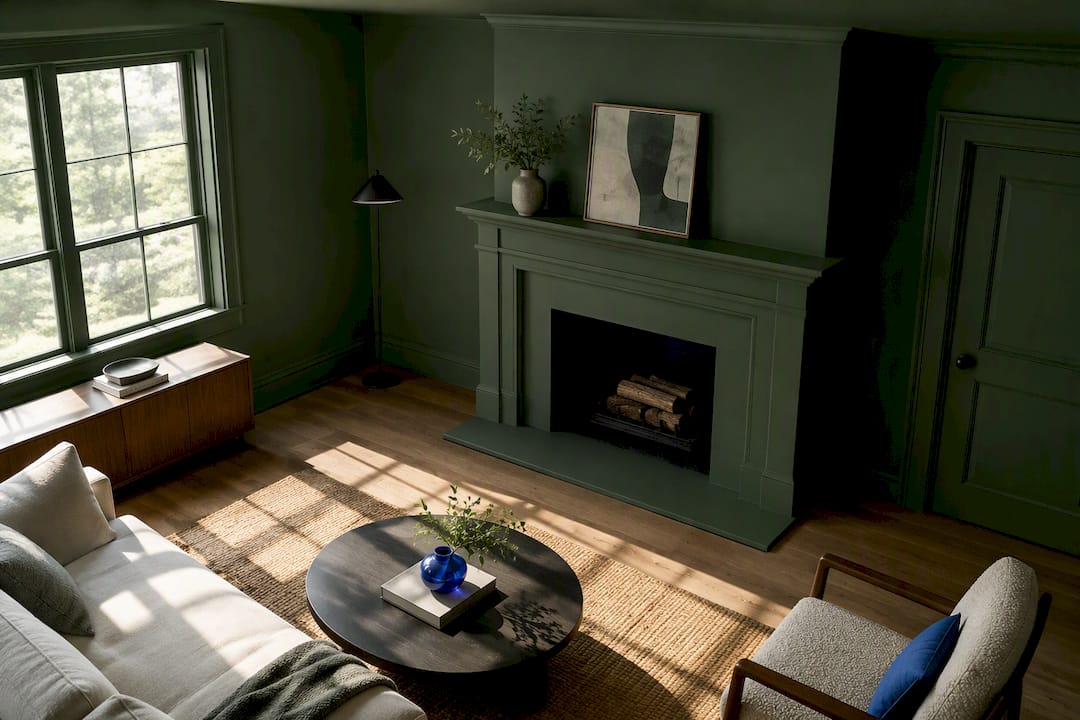
- For color direction, rich jewel tones — deep teal, forest green, aubergine — read as more luxurious than pale neutrals in a dining room because the enclosed space rewards depth.
For color pairing ideas that work with green-based palettes, Artinlifestyle’s room-by-room color guide is a useful starting point.
5. Size the rug correctly — or skip it entirely
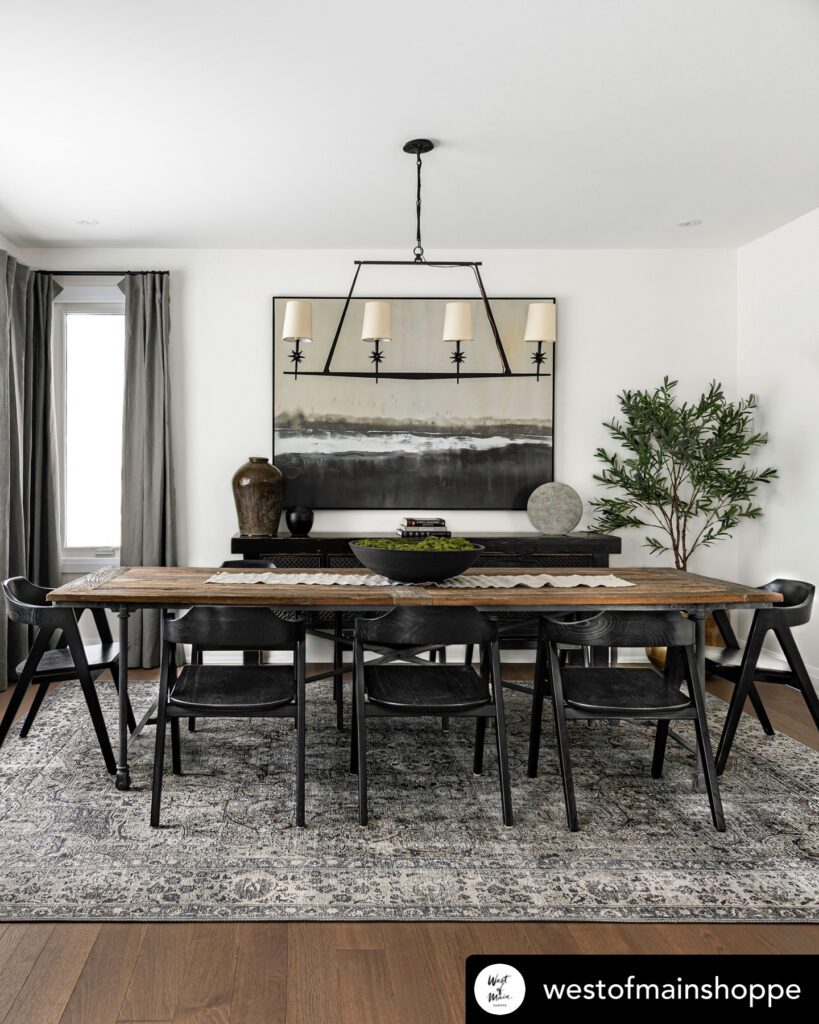
A rug that’s too small is worse than no rug. HGTV’s designer portfolio roundup establishes the standard: a rug should extend at least 24 inches beyond the table edge on all sides, and preferably 30 inches when chairs are large, so chairs remain on the rug when pulled out.
- For a standard 6-person rectangular table, a 9×12-foot rug is usually the minimum.
- Natural fibers — jute, sisal, or a flat-weave wool — layer well under upholstered chairs and add texture without competing with the table.
- A layered rug approach (a natural fiber base with a smaller patterned rug on top) adds depth and visual interest.
Pro Tip: Dense rugs and upholstered chairs do more acoustic work than most homeowners realize. In a room with stone floors and plaster walls, a substantial rug and fabric seating can meaningfully reduce echo — Veranda’s coverage of sophisticated dining rooms flags this as a practical concern designers address from the start of a brief.
6. Design the ceiling as a fifth wall
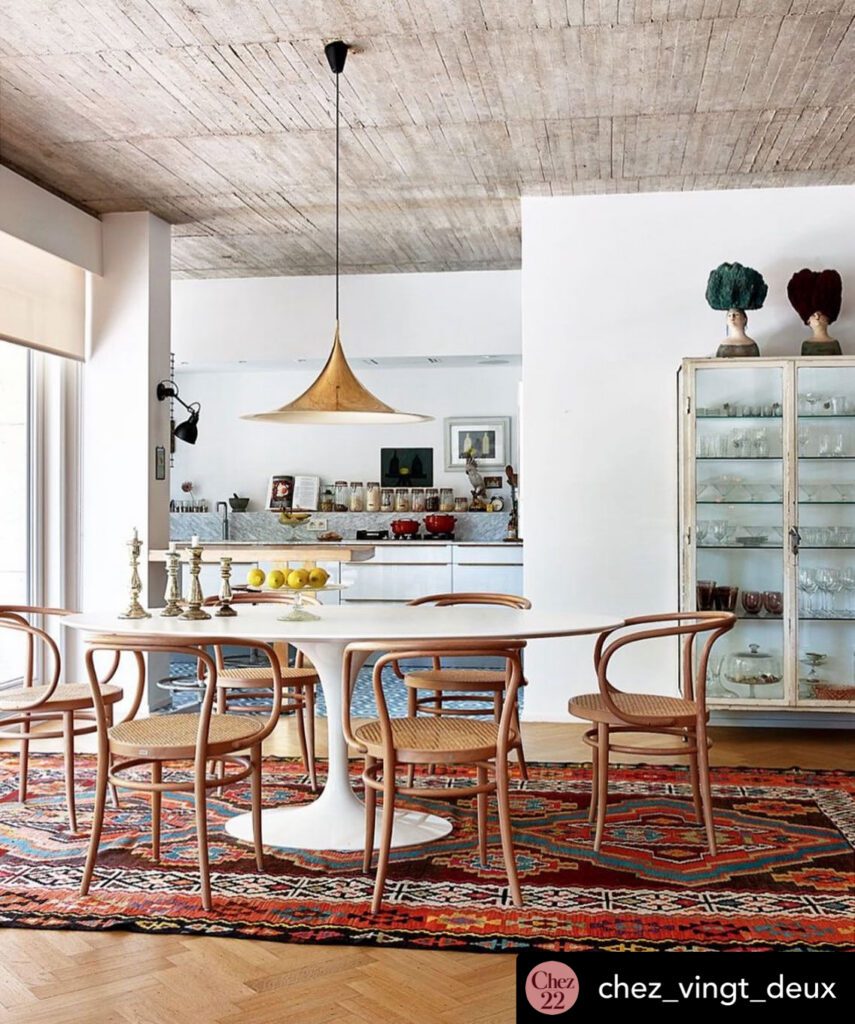
Coffered ceilings, painted beams, a bold color applied only to the ceiling plane, or even a dramatic wallpaper overhead — these details signal craftsmanship and intention. Most homeowners overlook the ceiling entirely, which is exactly why addressing it reads as a designer move.
- A coffered grid painted two shades darker than the walls adds architectural weight without structural work.
- Exposed beams in a warm wood tone lower the perceived ceiling height and create intimacy — useful in rooms with soaring ceilings that feel cold.
- Wallpaper on the ceiling of a small dining room creates an enveloping, jewel-box effect that photographs beautifully and feels genuinely immersive.
7. Mix eras rather than matching sets
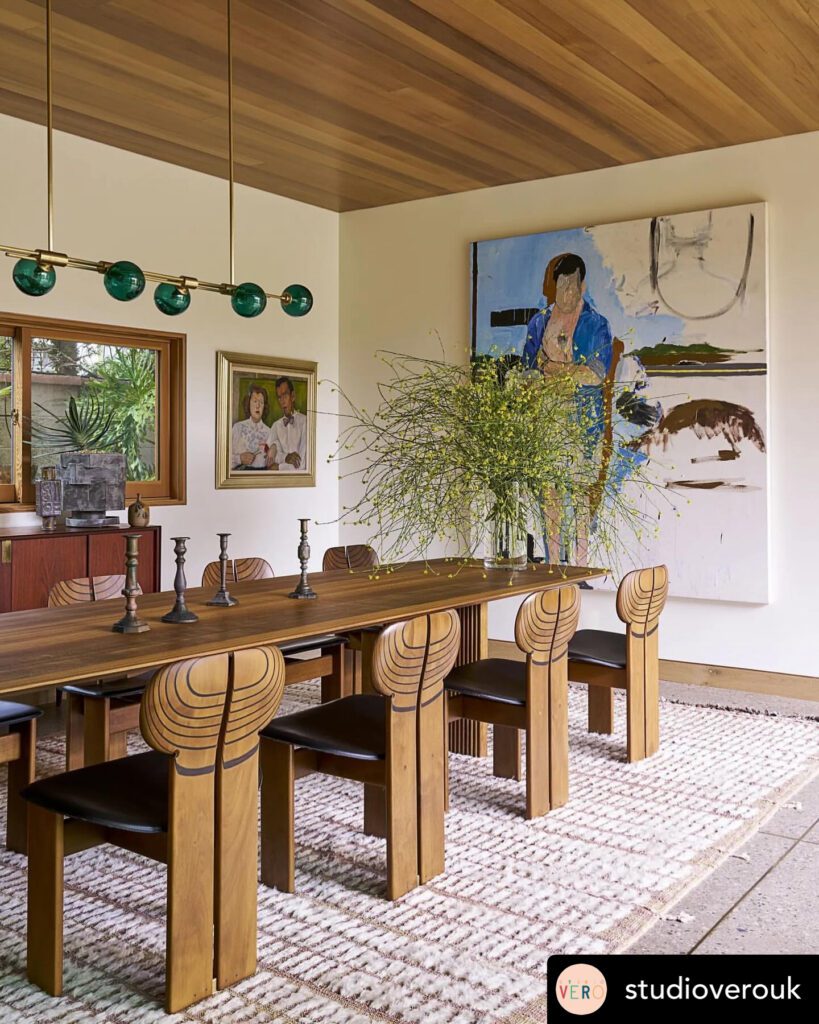
The most enduring luxury dining rooms feel collected over time, not purchased in a single afternoon. The Spruce’s guide to timeless dining room decor frames this directly: blending contemporary furnishings with vintage antiques and heirlooms creates a layered, authentic look that no single-era scheme can replicate.
- Anchor the room with one significant antique or heirloom piece — a sideboard, a mirror, or a set of chairs.
- Repeat a single material or finish (brass hardware, dark walnut, aged linen) across both old and new pieces to create visual continuity.
- Balance scale: a heavy antique table pairs naturally with lighter contemporary chairs; a sleek modern table gains warmth from an aged wood sideboard.
8. Add a sideboard for display and function
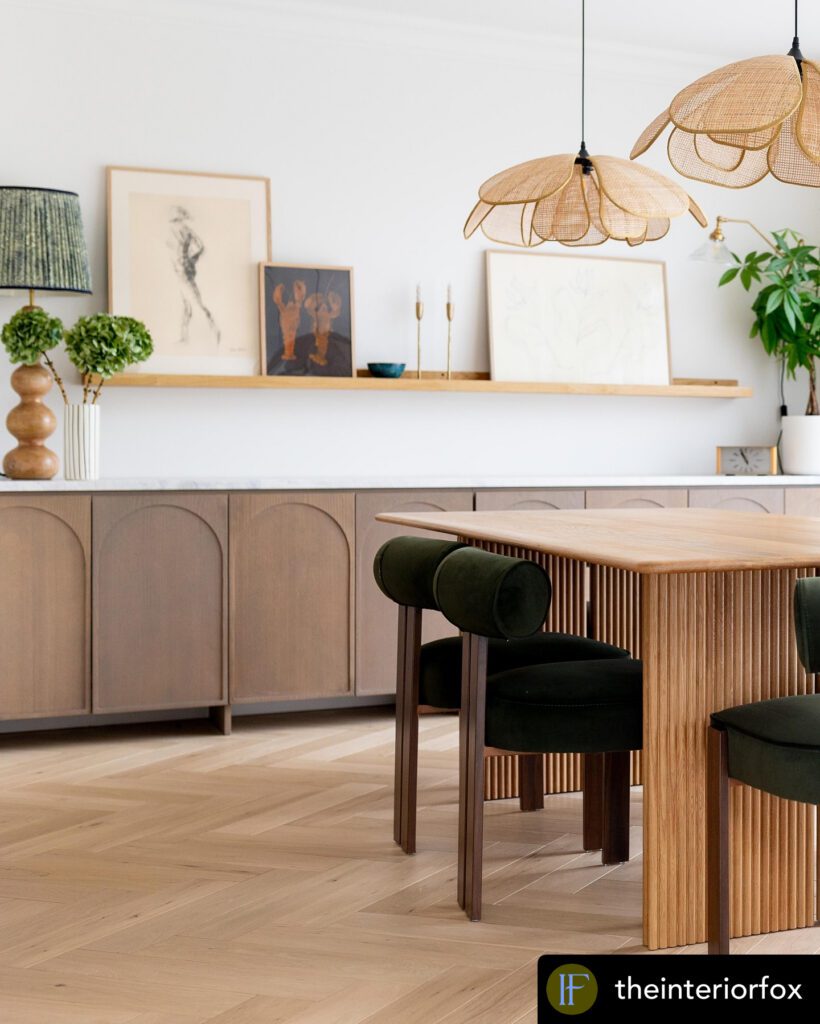
A sideboard or credenza does two things simultaneously: it provides serving surface during meals and a display platform year-round. The Rockwell Group’s work for Artemest demonstrates how objects used as art — sculptural vessels, stacked books, a single large ceramic — transform a functional surface into a narrative one.
- Choose a sideboard at least two-thirds the length of the dining table for visual proportion.
- Style it with a large mirror or artwork above to extend the vertical line and add reflected light.
- Glass-front cabinets flanking the sideboard display glassware and add a built-in quality that raises the room’s perceived finish level.
For gallery wall approaches above a sideboard, Artinlifestyle’s guide covers hanging strategies that work in dining rooms used as display spaces.
9. Dress the table for every occasion
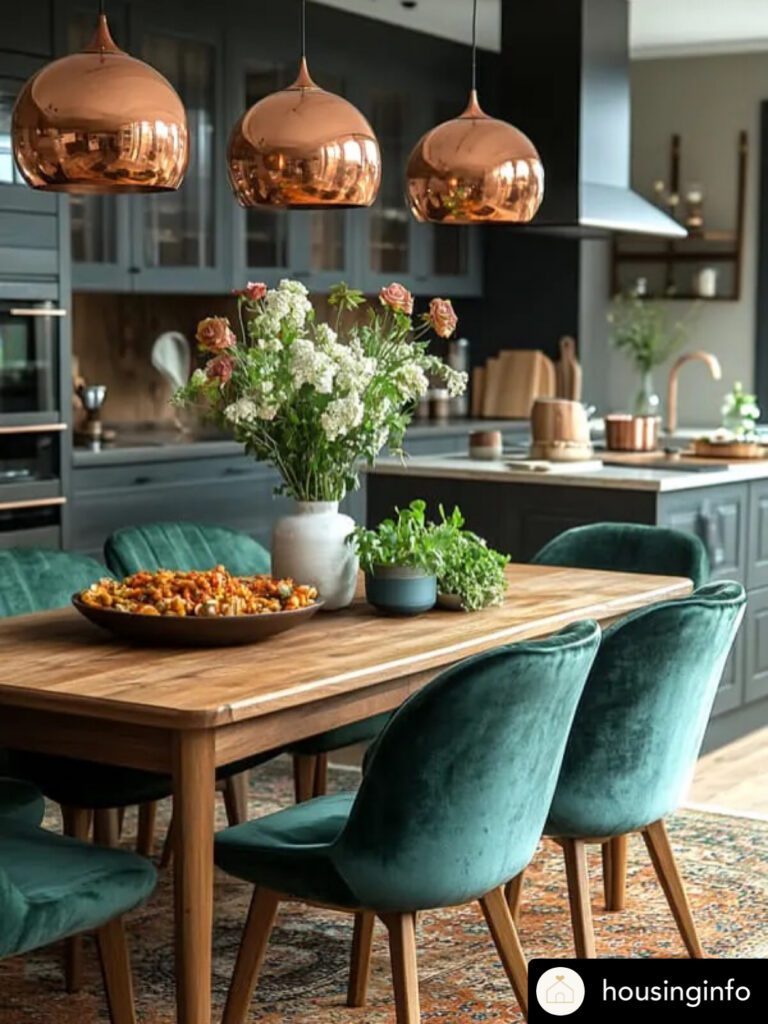
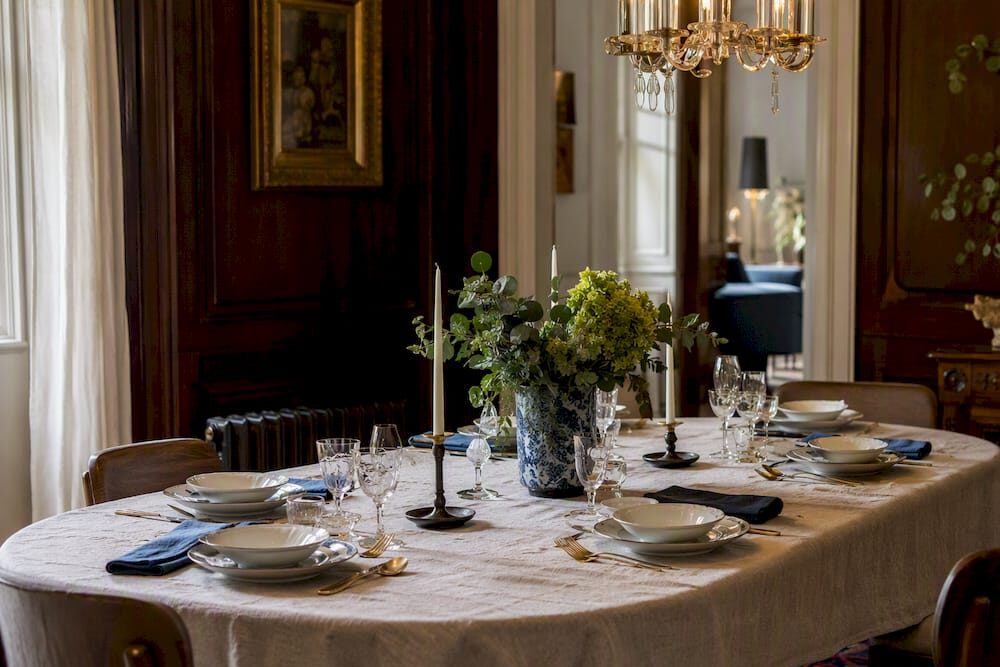
A bare table between meals signals that the room is underused. A dressed table — even a simple one with a linen runner, a low arrangement of candles, and a few textural objects — communicates that the space is alive. Luxurious table settings rely on layering: a charger under a dinner plate, cloth napkins folded with intention, glassware at multiple heights.
- Keep a “base layer” of table linens and a low centerpiece in place permanently; swap the centerpiece seasonally.
- Candlelight at table height, combined with a dimmed overhead fixture, creates the warmest possible atmosphere for entertaining.
- West Elm and Room & Board both carry table linens and serveware in the $30–$150 range that photograph as high-end.
10. Integrate technology without showing it
Smart lighting control, discreet in-ceiling speakers, and motorized window shades are the invisible infrastructure of a truly modern luxury dining space. The goal is to make the technology disappear into the architecture. Boca do Lobo’s 2026 trend report frames this as part of the broader comfort-first direction: luxury now means a room that performs as beautifully as it looks.
- Install a Lutron or similar smart dimmer system during any renovation; retrofitting costs more later.
- Conceal speakers in the ceiling or behind wall panels rather than placing visible units on shelves.
- Motorized linen shades on a timer manage natural light through the day without requiring manual adjustment.
Why Mixing Eras Is the Hallmark of Timeless Luxury
The most photographed dining rooms in design publications share one quality: they look as though they were assembled over decades, not ordered from a single catalog. Timeless luxury dining design relies on mixing eras rather than adhering to a single style — a principle that separates rooms that feel genuinely curated from those that feel merely expensive.
The Georgetown remodel documented by Remodelista illustrates this at a practical level: widened openings, unified Benjamin Moore paint, and joined tables created a room that felt both historic and current. The key was not the budget but the deliberate layering of old bones with new choices.
How to implement the mixed-era approach:
- Start with one anchor piece. Choose a single antique, heirloom, or vintage item — a sideboard, a set of chairs, a mirror — and build the room around it rather than adding it as an afterthought.
- Repeat a material or finish. Brass hardware on both a vintage cabinet and a contemporary light fixture creates continuity without matching. Dark walnut on both the table legs and the antique frame does the same.
- Balance visual weight. A heavy, ornate antique reads best against clean-lined modern pieces. Pairing two ornate pieces in the same sightline creates visual noise.
- Use textiles to unify. A single linen or velvet tone running through chair upholstery, drapery, and table linens ties disparate eras together more effectively than any paint color.
Before: A room with a matched dining set, bare walls, and a single overhead fixture reads as functional but flat.
After: The same room with an inherited sideboard, two upholstered host chairs replacing the matched set, a statement pendant, and a grasscloth wall treatment reads as layered, personal, and genuinely luxurious.
Pro Tip: Family heirlooms are among the most effective anchors for a mixed-era scheme — not because they are expensive, but because they carry a visual authenticity that no new purchase can replicate. If a piece needs reupholstering or refinishing to work in the room, that investment is almost always worth it.
How to Make Your Dining Room Look More Expensive
The single most effective upgrade is lighting combined with scale: a correctly sized chandelier on a dimmer, hung at the right height, transforms a room’s perceived quality before anything else changes. Everything below builds on that foundation.
- Swap the chandelier for a larger one. Most dining rooms are under-lit with fixtures too small for the space. A fixture 12 inches wider than the current one, at the same price point, reads as a significant upgrade.
- Layer the lighting. Add a pair of wall sconces or a buffet lamp on the sideboard. Multiple light sources at different heights create depth; a single overhead fixture creates flatness.
- Upgrade the hardware. Replacing cabinet pulls and door handles with solid brass or unlacquered bronze costs $50–$200 and adds material richness that reads as intentional.
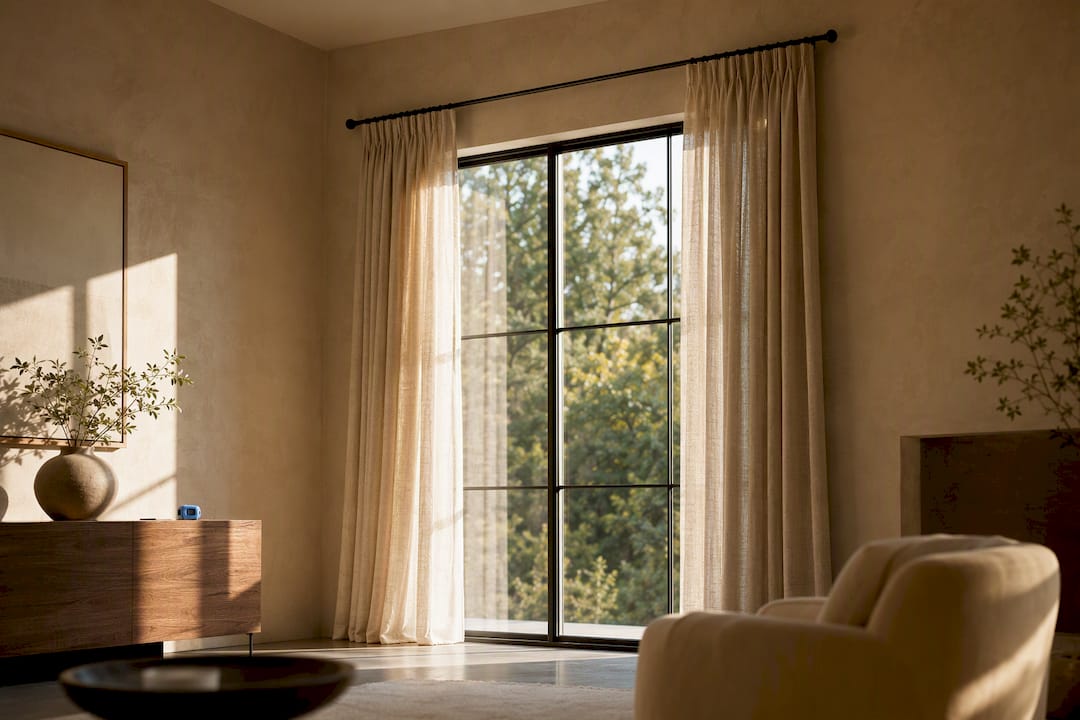
- Hang floor-to-ceiling drapery. Curtains mounted at ceiling height, even in a room with standard windows, make ceilings feel taller and the room feel more formal. Linen or velvet in a deep tone works best.
- Size the rug correctly. As noted above, a rug that extends 24–30 inches beyond the table edge is the standard; anything smaller undermines the room’s proportions.
- Dress the table permanently. A linen runner, a low centerpiece, and cloth napkins cost very little but signal that the room is used and loved.
- Add a statement mirror above the sideboard. A large, leaning or wall-mounted mirror reflects light, adds depth, and fills vertical space in a way that reads as architectural.
- Install tall drapery and a substantial rug simultaneously. These two changes together shift the room’s perceived scale more than either does alone.
Pro Tip: Acoustics are an underrated luxury signal. A room where conversation flows easily — without echo or strain — feels more comfortable and more refined. Veranda’s editorial coverage notes that designers address this from the start: upholstered wall panels, heavy drapery, and a dense rug are the primary tools. For discreet tech, a Lutron smart dimmer system adds scene-setting capability for under $300 per zone and is invisible once installed.
For DIY approaches to several of these upgrades, Artinlifestyle’s home decor ideas guide covers budget-friendly transformations that don’t require a contractor.
Dining Room Trends Designers Are Embracing in 2026
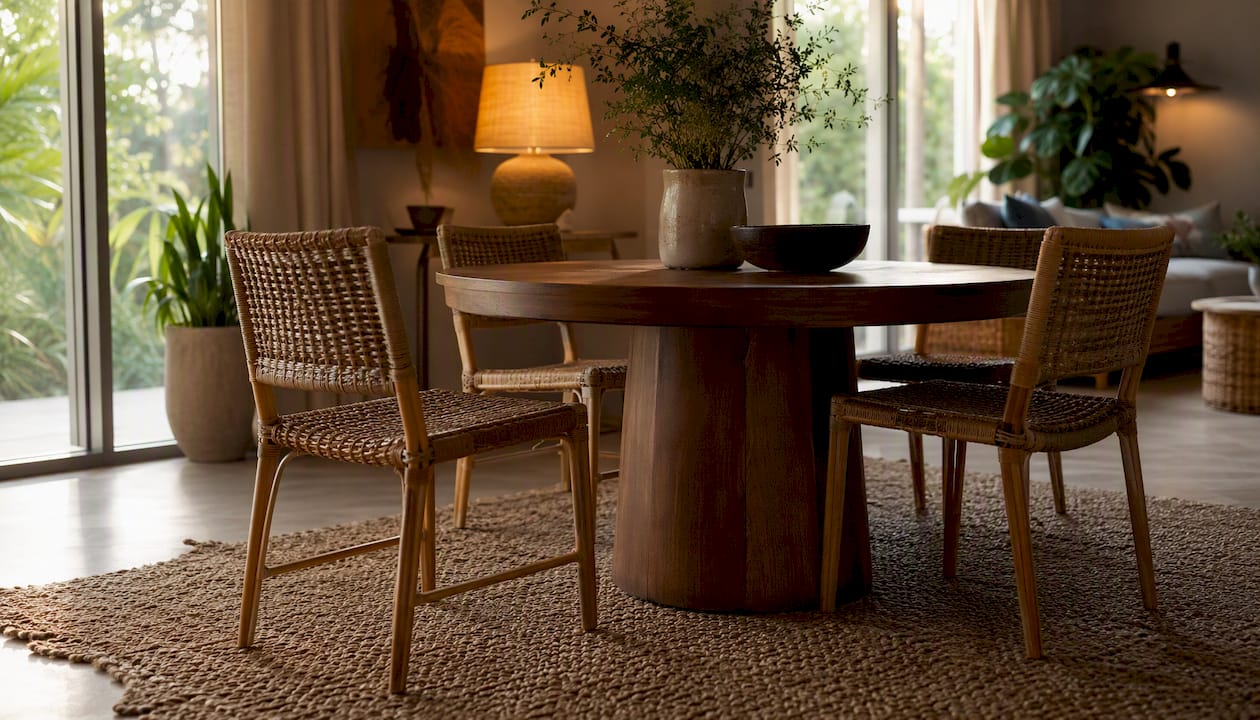
The headline direction for 2026 is material-first, comfort-driven, and bespoke. Boca do Lobo’s 2026 luxury dining report frames the shift clearly: homeowners are investing in one or two custom or artisan-made pieces to anchor a room rather than filling it with trend-adjacent items. The three pillars are sculptural tables, warm tactile palettes, and craftsmanship that shows.
Current trends worth knowing:
- Sculptural dining tables. Organic stone tops, pedestal bases in cast bronze or travertine, and asymmetric silhouettes replace the standard four-leg rectangle. Rockwell Group’s work for Artemest shows how sculptural seating and material contrasts create immersive, memorable dining experiences. Long-term safe.
- Warm, tactile palettes. Terracotta, warm taupe, aged brass, and deep olive replace the cool grays of the previous decade. Material harmony — wood, leather, bronzed brass, travertine — at a warm 2700K lighting temperature creates cohesive luxury schemes. Long-term safe.
- Statement ceilings. Coffered, painted, or wallpapered ceilings are appearing in rooms where the walls are kept relatively quiet. Long-term safe.
- Comfort-first seating. Deep upholstered chairs, curved banquettes, and mixed seating arrangements prioritize lingering over formality. Long-term safe.
- Decorative storage. Glass-front cabinets, open shelving styled like a gallery, and sculptural sideboards replace purely functional storage. Long-term safe.
- Immersive lighting. Layered sources — overhead, sconces, candlelight, and under-cabinet — replace single-point illumination. Long-term safe.
- Bold wallcoverings. Hand-painted murals, maximalist prints, and textured grasscloth are appearing in rooms that previously defaulted to white. Trend-dependent; choose a pattern with personal meaning to avoid dating the room.
For a broader view of where 2026 home design is heading across every room, Artinlifestyle’s interior design trend guide covers the full picture.
The Case for Approachable Luxury (and How to Avoid Over-Styling)
The rooms that feel most luxurious are rarely the most decorated. They are the ones that feel inhabited — where the lighting is warm, the chairs are comfortable, and nothing looks as though it was placed there for a photograph.
Three dos:
- Do leave negative space. A sideboard with three well-chosen objects reads as more luxurious than one crowded with ten.
- Do prioritize comfort at the table. Chairs that guests want to linger in are a luxury signal that no material finish can replace.
- Do coordinate with adjacent spaces. A dining room that shares a paint tone or material with the kitchen and living room feels considered; one that clashes feels like a stage set.
Three don’ts:
- Don’t match everything. Matched sets — chairs, table, sideboard, all from the same collection — read as catalog, not curated.
- Don’t neglect the floor. A beautiful room on a bare floor loses much of its warmth; the rug is the room’s foundation.
- Don’t rush the styling. Live with a temporary arrangement for a week before committing to furniture placement, artwork positions, and lighting heights. The room will tell you what it needs.
One practical step to take immediately: set the table tonight as though guests are coming. Light candles, dim the overhead fixture, and sit in the room for an hour. The gaps between what the room is and what it could be become obvious in that hour in a way that no mood board can replicate.
Key Takeaways
A luxury dining room is built on layered lighting, correctly scaled furniture, premium materials, and one or two anchor pieces that give the room a sense of history and intention.
| Point | Details |
|---|---|
| Lighting is the first upgrade | A correctly sized chandelier on a dimmer, hung 30–36 inches above the table, transforms perceived quality before anything else changes. |
| Rug sizing preserves proportion | Extend the rug at least 24 inches beyond the table edge on all sides so chairs stay on the rug when pulled out. |
| Mix eras, don’t match sets | One antique or heirloom anchor piece, unified by a repeated material or finish, creates a collected look no single-era scheme can replicate. |
| Acoustics are a luxury signal | Upholstered chairs, heavy drapery, and a dense rug reduce echo and make conversation feel effortless in hard-surface rooms. |
| Technology should disappear | Smart dimmers, in-ceiling speakers, and motorized shades add comfort without visual clutter — install during renovation, not after. |
Next steps: Measure the room and photograph every sightline before buying anything. Set a priority list of two or three changes — lighting, rug, and one wall treatment will shift the room more than any other combination.
Sources
A short list of the most useful resources for studying photographed rooms, sourcing signature pieces, and reading deeper case studies:
- Steal This Look: A Modern and Elegant Dining Room in Georgetown - Remodelista
- L’Appartamento by Artemest — Rockwell Group
- Luxury Dining Room Trends for 2026 | Boca do Lobo
- Formal dining rooms | The Spruce
- 95 Sophisticated Dining Rooms Designers Love | Veranda
- 40 Dining Room Ideas, From Statement Wallcoverings to Nontraditional Tables | Architectural Digest
- 100+ Top Designer Dining Room Ideas | HGTV