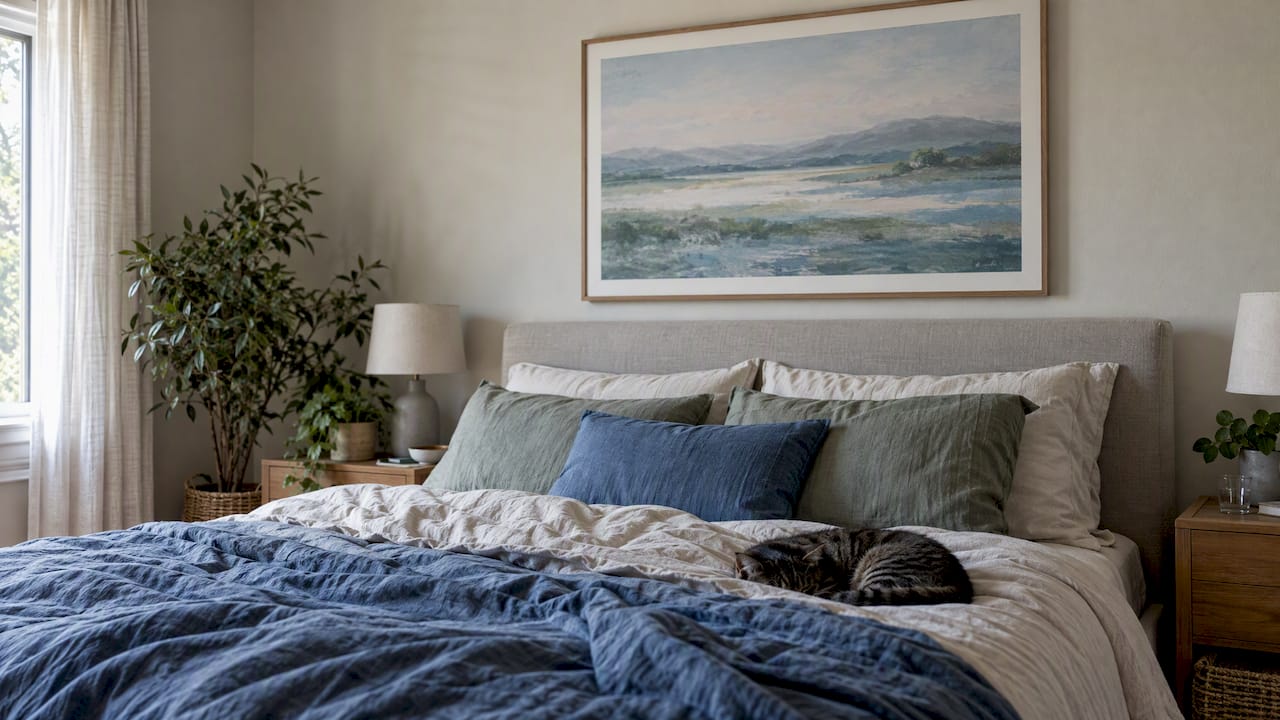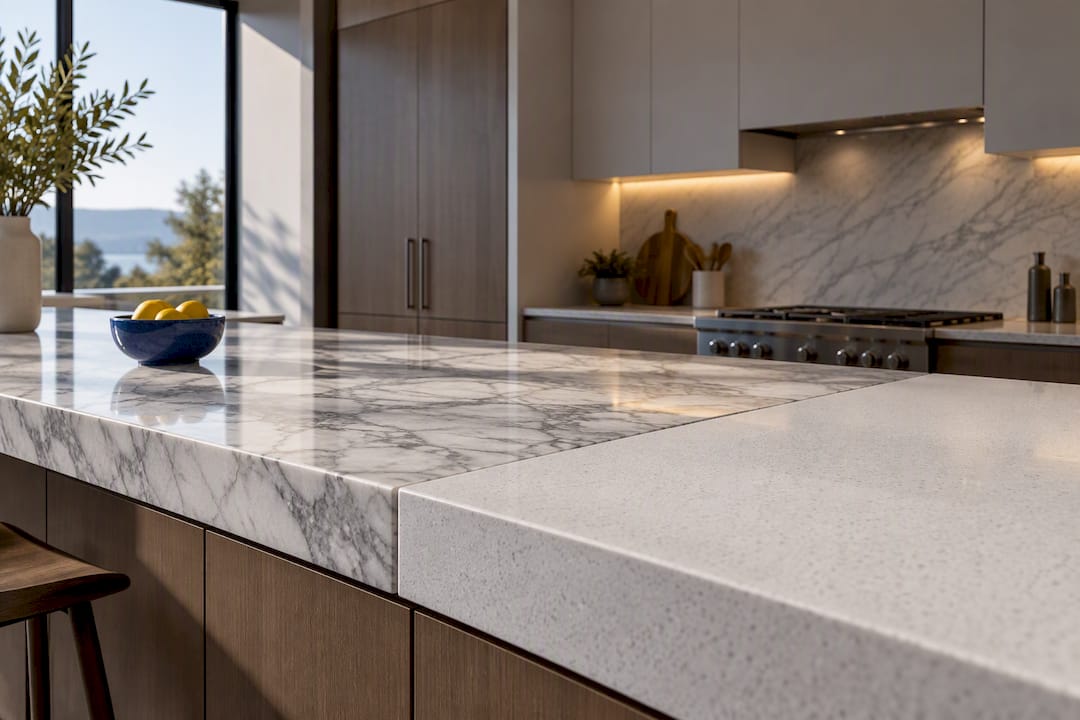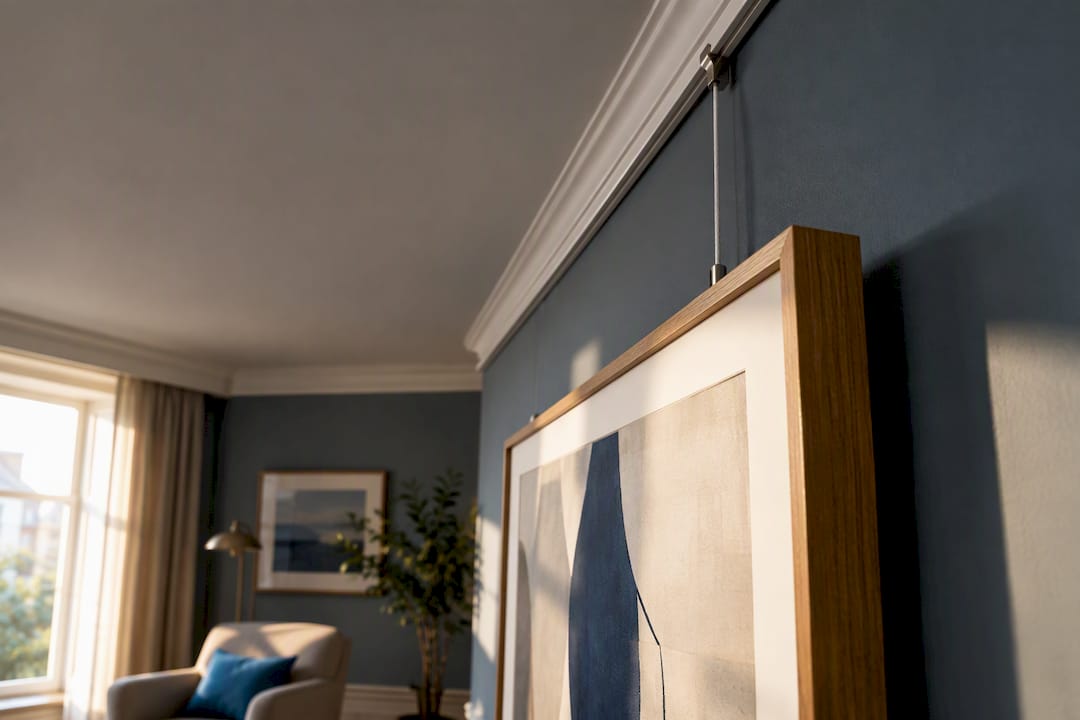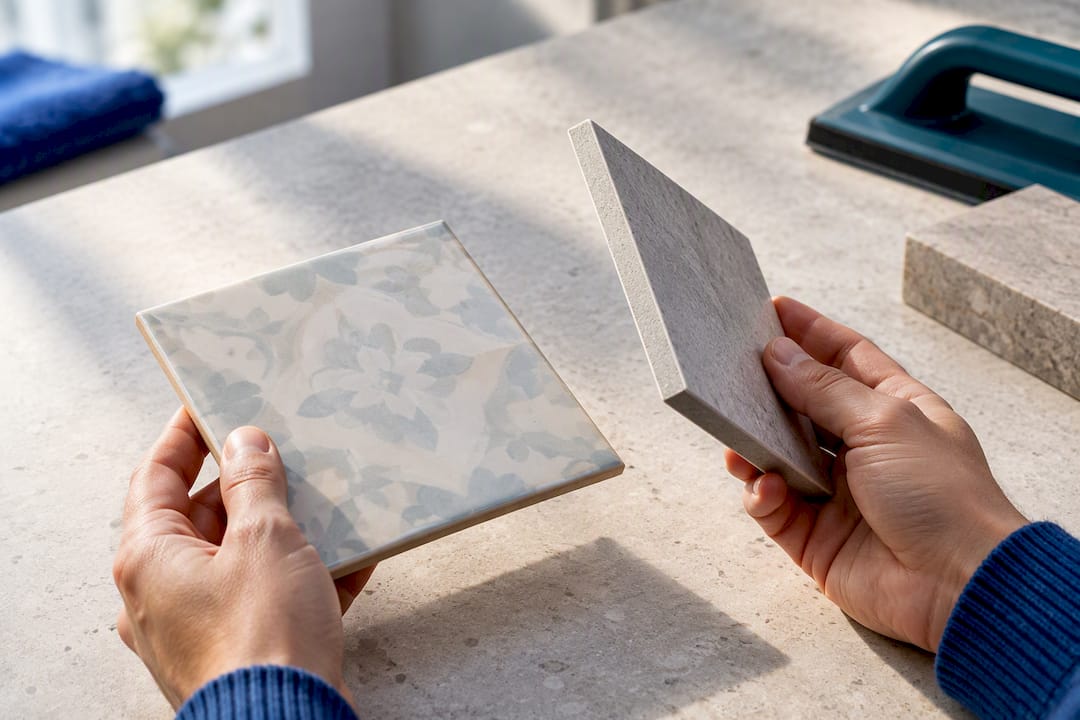
Achieving a hotel-style bedroom at home comes down to eight design moves applied with intention: a calm neutral palette, quality bedding, layered lighting, floor-to-ceiling drapery, balanced furniture layout, rich textural layering, curated finishing touches, and smart budget allocation. These are the hotel bedroom ideas that designers and hospitality pros return to again and again, because each one addresses comfort, visual calm, and sensory richness simultaneously.
Start here, before you shop or repaint anything:
- Neutral, layered palette: Warm whites, soft greiges, and muted tones create the visual rest that makes a room feel composed.
- Bed and linens: A quality mattress and 300+ thread-count sheets are the single biggest comfort upgrade.
- Layered lighting: Dimmable ambient, task, and accent sources shift the room from functional to restful.
- Floor-to-ceiling drapery: Fabric hung close to the ceiling adds height, softness, and acoustic warmth.
- Furniture symmetry: A statement headboard flanked by matching nightstands anchors the room.
- Textural layering: A primary rug, mixed-fabric pillows, and a throw add tactile depth.
- Finishing touches: Trays, curated art, a robe hook, and subtle scent complete the experience.
- Splurge vs. swap: Invest in mattress, linens, and lighting; save on art, accent rugs, and decorative accessories.
Pro Tip: If you can only do one thing this weekend, swap your sheets for a crisp white percale or sateen set and add a dimmer switch to your bedside lamp. The room will feel transformed before anything else changes.
Key Takeaways
A hotel-style bedroom is built on five investments made in the right order: mattress quality, crisp high-thread-count linens, dimmable layered lighting, floor-to-ceiling drapery, and a symmetrical furniture layout anchored by a statement headboard.
| Point | Details |
|---|---|
| Invest in mattress and linens first | A 300+ thread-count percale or sateen set and a quality mattress deliver the highest comfort return. |
| Add dimmable layered lighting | Ambient, task, and accent sources on dimmers shift the room from functional to restful. |
| Install floor-to-ceiling drapery | Mount rods at ceiling height to add perceived scale, softness, and acoustic warmth. |
| Create symmetry at the bedside | Matching nightstands, identical lamps, and a proportional headboard anchor the hotel-suite look. |
| Layer textures and rotate linens | Two sheet sets in rotation, a primary rug, and mixed-fabric pillows maintain the look over time. |
Weekend swap: Swap sheets, add a dimmer, and style a tray. Full project: Allow 4–8 weeks for drapery, headboard, and lighting installation to align.
What makes hotel bedroom ideas work? It starts with color and scale
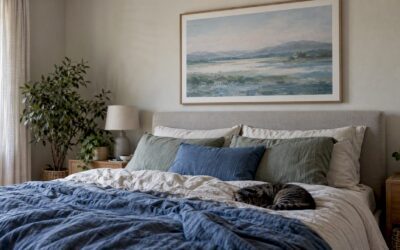
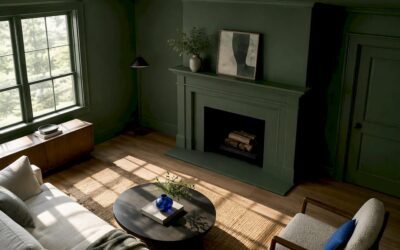
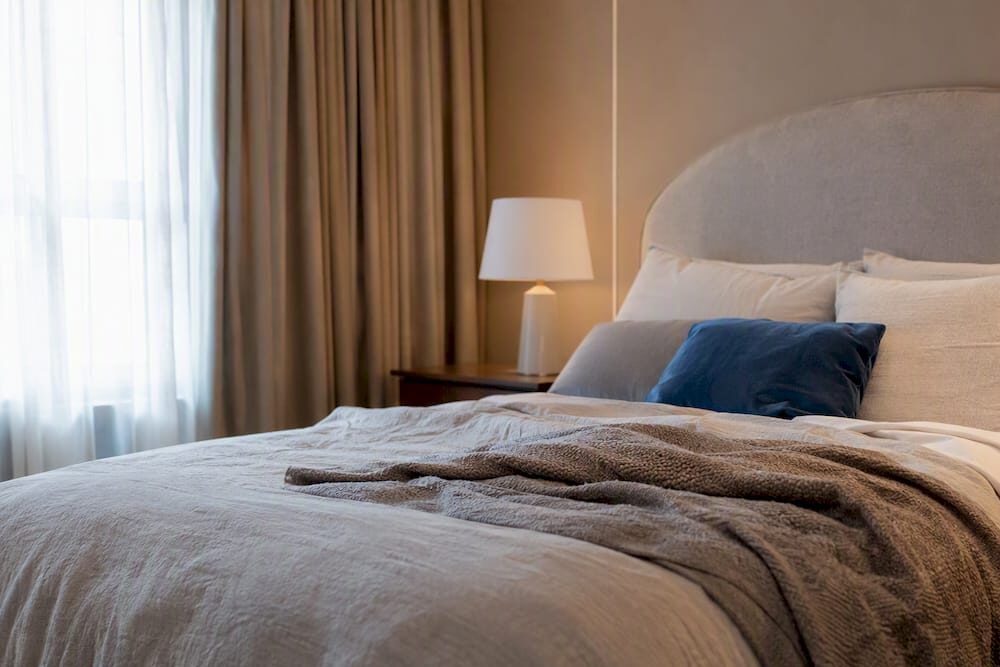
The foundation of any hotel-inspired bedroom is a palette that does nothing to compete with itself. Designers consistently emphasize that neutral, layered palettes create a cocooning atmosphere where textures and lighting read as luxurious rather than incidental. Warm white walls paired with a slightly deeper trim in the same family, or a soft greige with ivory accents, give the eye a place to rest.
Scale matters as much as color. Rooms that feel like suites tend to have one or two architectural gestures that draw the eye upward or outward: a painted ceiling in a tone slightly deeper than the walls, tall trim work, or a continuous wall color that runs uninterrupted from baseboard to crown. These moves cost little but change proportion dramatically.
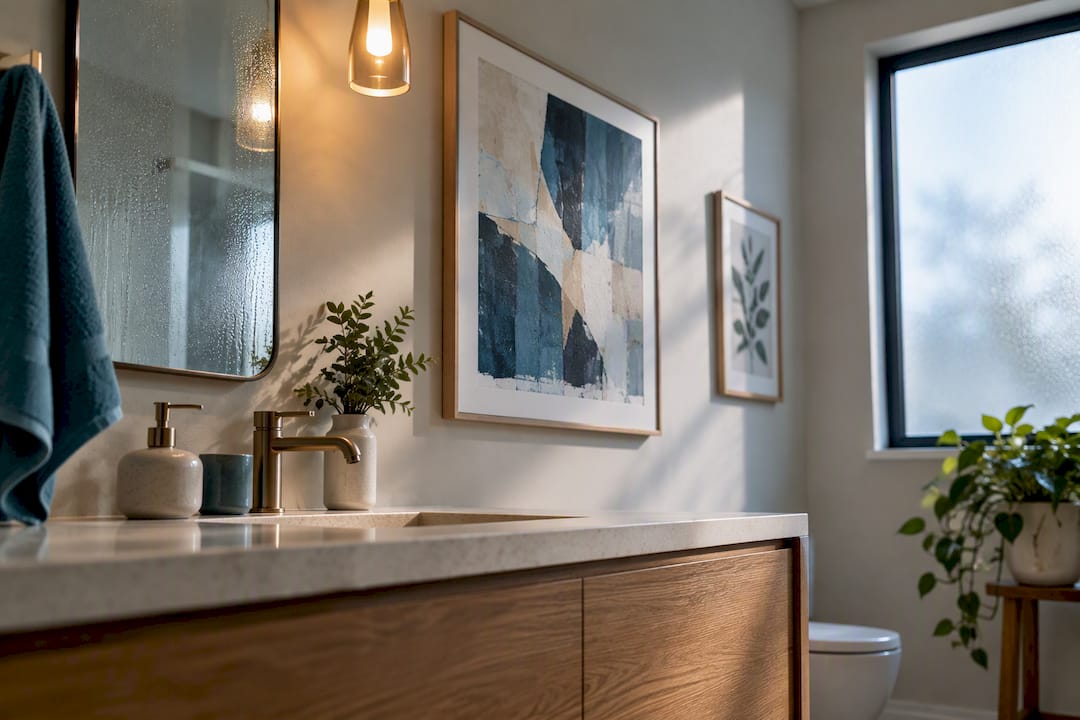
If you want to introduce a deeper hue, explore indigo and navy accent combinations that hold their sophistication against a pale base.
Pro Tip: Test at least three paint samples on 12-by-12-inch boards and move them around the room at different times of day before committing. Natural morning light and warm evening light read the same color very differently.
How do you layer bedding like a hotel?
The mattress and linen choices are the single biggest comfort upgrade in any bedroom, and they deserve the largest share of the budget. Hospitality wellness experts name the mattress as the foundation of the hotel sleep experience, and the logic holds at home: no amount of beautiful drapery compensates for a mattress that no longer supports you.
When selecting a mattress, consider sleep position first. Side sleepers generally need more cushioning at the shoulder and hip; back and stomach sleepers tend to prefer a firmer surface. Look for a trial period of at least 90 nights, and test in-store if possible, spending at least 10 minutes in your actual sleep position.
For sheets, the three main materials each offer a distinct sensory quality:
| Sheet Type | Feel | Recommended Thread Count | Maintenance |
|---|---|---|---|
| Percale | Crisp, cool, matte | 300 | Machine wash cold, tumble dry low |
| Sateen | Silky, warm, slight sheen | 300 | Gentle cycle, avoid high heat |
| Linen | Textured, breathable, relaxed | N/A (weight-based) | Machine wash, air dry for longevity |
Hotels most commonly use percale or sateen at 300+ thread count, kept crisp through professional laundering. At home, a regular wash cadence and two sets in rotation approximates that freshness without dry-cleaning costs.
The layering sequence matters. Build the bed in this order: fitted sheet, flat sheet (tucked hospital-corner style), duvet insert in a duvet cover, a folded blanket or coverlet across the foot, then pillows in three rows: sleeping pillows at the back, euro squares in front of them, and a lumbar or decorative pillow at the front. For current bedding and textile trends, the direction is toward natural fibers and quieter, tonal patterns.
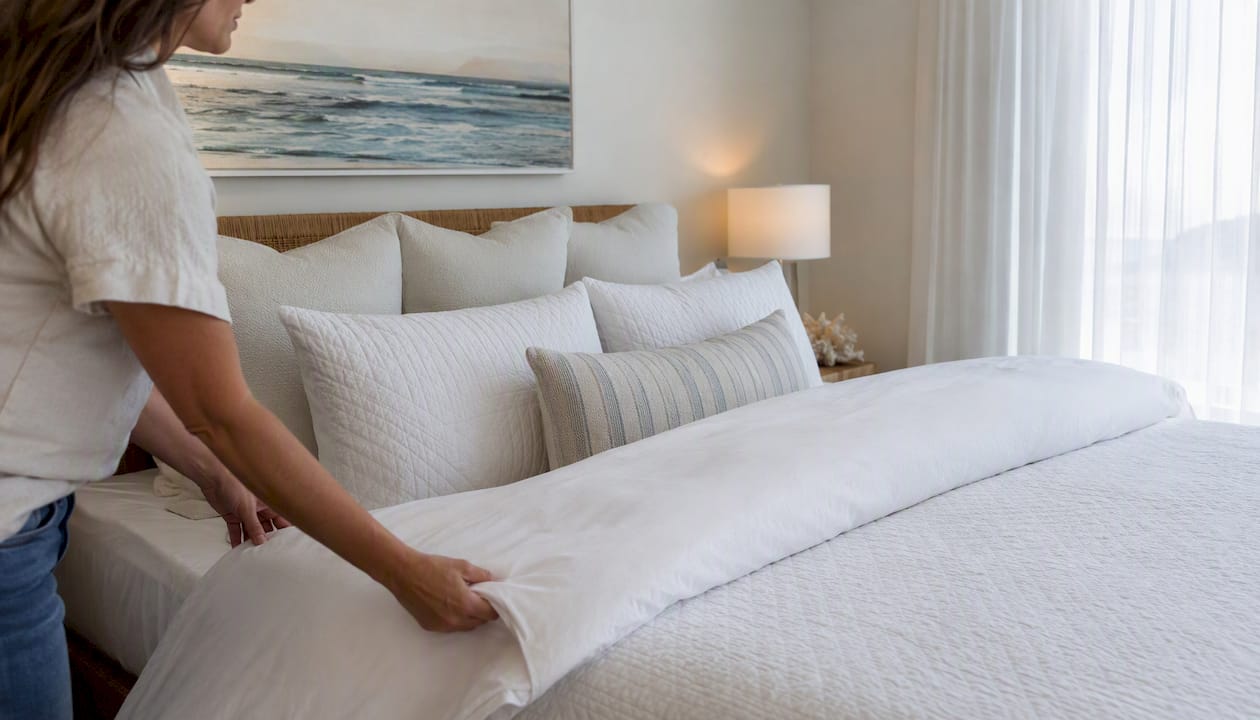
Pro Tip: Iron or steam your flat sheet and pillowcases before making the bed. That single step is what gives hotel beds their signature pressed quality.
Why is layered lighting the fastest upgrade for a hotel feel?
Lighting control is the top non-bedding investment designers recommend for changing a room’s atmosphere. Dimmable, layered fixtures shift a bedroom from a bright, functional space into something warm and enveloping, and the change happens in seconds.
The three layers work together:
- Ambient: The primary overhead source, ideally on a dimmer. A flush-mount or pendant with a warm-white bulb (2700K–3000K) sets the room’s base tone.
- Task: Bedside reading light. Wall-mounted sconces clear the nightstand surface and allow precise directional control; table lamps work equally well when positioned at shoulder height when seated.
- Accent: A low-wattage lamp on a dresser, a backlit mirror, or LED strip lighting behind a headboard adds depth and visual warmth without competing with the other layers.
Wall-mounted sconces are the cleaner hotel-style choice: they free up nightstand space and give each side of the bed its own adjustable light source. If hardwiring is not an option, plug-in sconces with a cord cover achieve nearly the same look. For a curated selection of bedroom lighting fixtures, Artinlifestyle has rounded up options across price points.
Smart bulbs (Philips Hue, LIFX) allow color-temperature adjustment from a phone or voice assistant, which means you can shift from a cool 4000K for morning routines to a warm 2200K for winding down, without touching a dimmer.
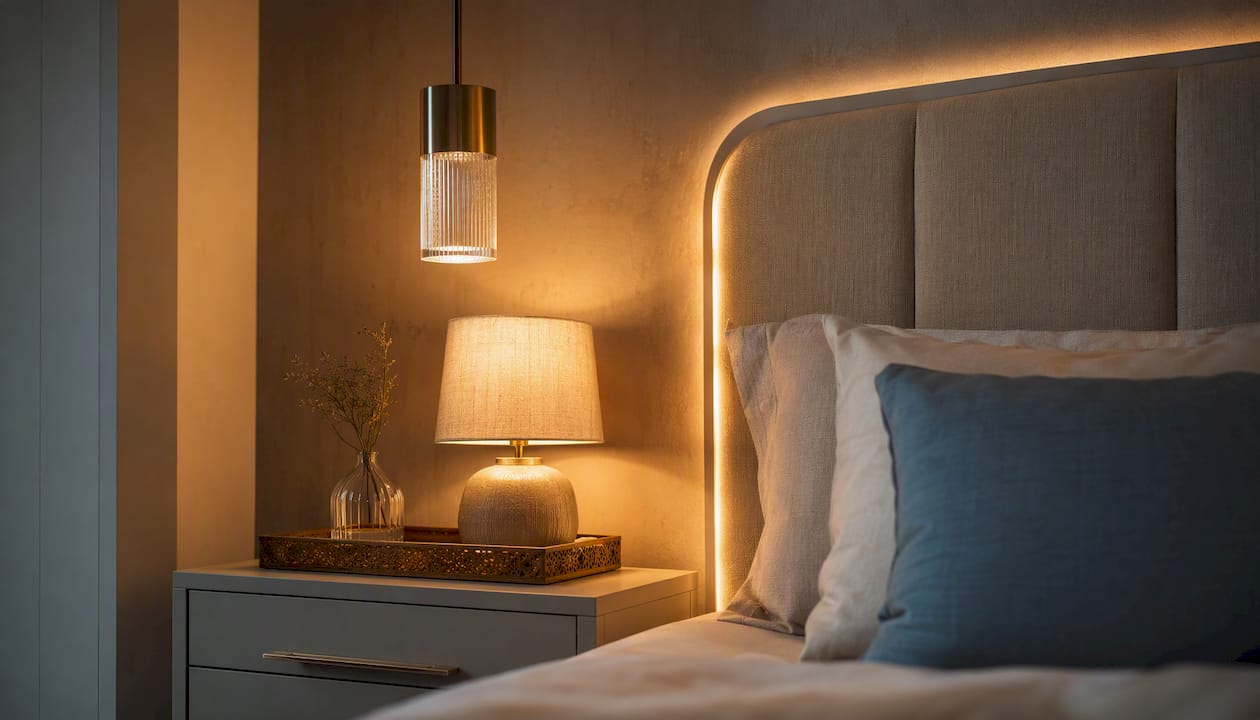
Pro Tip: *Before rewiring anything, swap every bulb in the room to a warm-white 2700K LED.
How does floor-to-ceiling drapery change a bedroom’s feel?
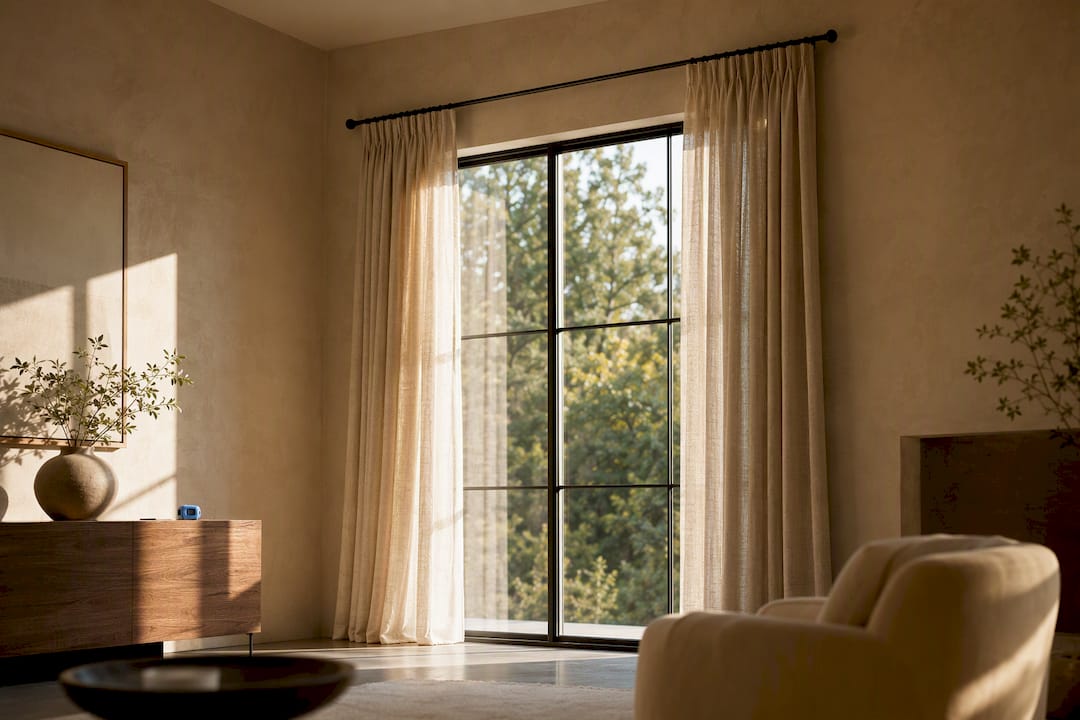
Floor-to-ceiling drapery is one of the highest-impact moves in a hotel-inspired bedroom, increasing perceived ceiling height, softening acoustics, and adding a sense of enclosure that reads as intentional luxury. The key is in the mounting, not the fabric cost.
Installation essentials:
- Mount the rod 4–6 inches above the window frame, or directly at the ceiling line for maximum height illusion.
- Allow panels to extend 6–12 inches beyond each side of the window so the glass is fully visible when the curtains are open.
- Panels should just graze the floor or pool 1–2 inches for a relaxed, editorial look.
- Use a blackout liner behind sheer or lightweight fabric to control light without sacrificing softness.
For practical curtain styling and installation ideas, the approach is the same whether the room is large or modest: the vertical line is what creates the scale, not the square footage.
Maintenance is straightforward. Most linen and cotton-blend panels can be machine washed on a gentle cycle; velvet and silk blends benefit from professional cleaning once a year. Shake panels out monthly and steam them in place to keep the drape crisp.
Pro Tip: For a canopy-like suite effect, mount a ceiling track behind the headboard and hang sheer panels on either side of the bed. The fabric wall adds intimacy without blocking light.
How should you arrange furniture for a calm, suite-like layout?
Boutique hotel design consistently relies on clean furniture lines, symmetry, and a statement headboard to produce a composed, high-design room. The same logic translates directly to a home bedroom, and it rarely requires buying a full new set.
A few rules that hold across room sizes:
- The headboard should be proportional to the bed: for a queen, aim for a headboard 60–65 inches wide; for a king, 76–80 inches. Height between 48 and 60 inches reads as substantial without overwhelming the wall.
- Nightstands should sit at mattress height (plus or minus 2 inches) and be deep enough to hold a lamp, a glass of water, and a book without crowding.
- Leave at least 24 inches of walkway on each side of the bed and 36 inches at the foot for comfortable circulation.
- A bench or upholstered ottoman at the foot of the bed adds a suite-level finishing gesture and practical function.
For smaller rooms, space-saving decor that doubles as art can replace a traditional bench without sacrificing the composed look. When mixing furniture styles, the bobbin furniture trend offers a way to introduce personality through a single vintage-inflected piece without cluttering the room’s calm.
Pro Tip: If your nightstands don’t match, unify them with identical lamps and matching trays. Visual symmetry reads as intentional even when the pieces themselves differ.
What textures and rugs make a bedroom feel hotel-grade?
Texture is the quiet hero of a hotel-style bedroom. A room with a neutral palette and good lighting still reads as flat without layered tactile materials, and the combination of a primary rug, mixed-fabric pillows, and at least one throw is what gives depth and warmth their physical presence.
Rug sizing is where most rooms go wrong. The rug should anchor the bed, with at least the front two-thirds of the bed sitting on it. For a queen bed, a 8-by-10-foot rug is the standard minimum; a king reads best on a 9-by-12. Low-pile wool or a wool-blend is the most durable choice for a bedroom; it holds its shape, cleans well, and adds warmth underfoot without trapping allergens the way high-pile shag can.
For pillows, the mix of materials is more important than the count. Combine:
- Velvet or silk covers for sheen and tactile contrast.
- Linen or cotton covers for a matte, breathable base.
- A lumbar pillow in a textured weave or embroidered fabric as the front accent.
A folded cashmere or merino throw at the foot of the bed adds both visual weight and genuine warmth. For households with pets or young children, performance fabrics (Crypton, Sunbrella indoor) offer the same visual richness with far easier cleaning.
Pro Tip: Layer two rugs of different textures, a flat-weave jute beneath a softer wool or shag, for a depth that reads as considered rather than accidental.
What finishing touches make a room read like a hotel suite?
Finishing touches are the visual currency of hotel design. A curated tray, a robe on a hook, a carafe of water on the nightstand, and a single piece of considered art are what separate a well-furnished room from one that genuinely feels like a suite.
A few practical styling moves with outsized impact:
- Tray composition: A lacquer or marble tray on the dresser or nightstand holds a candle, a small plant, and one personal object. Three items, maximum.
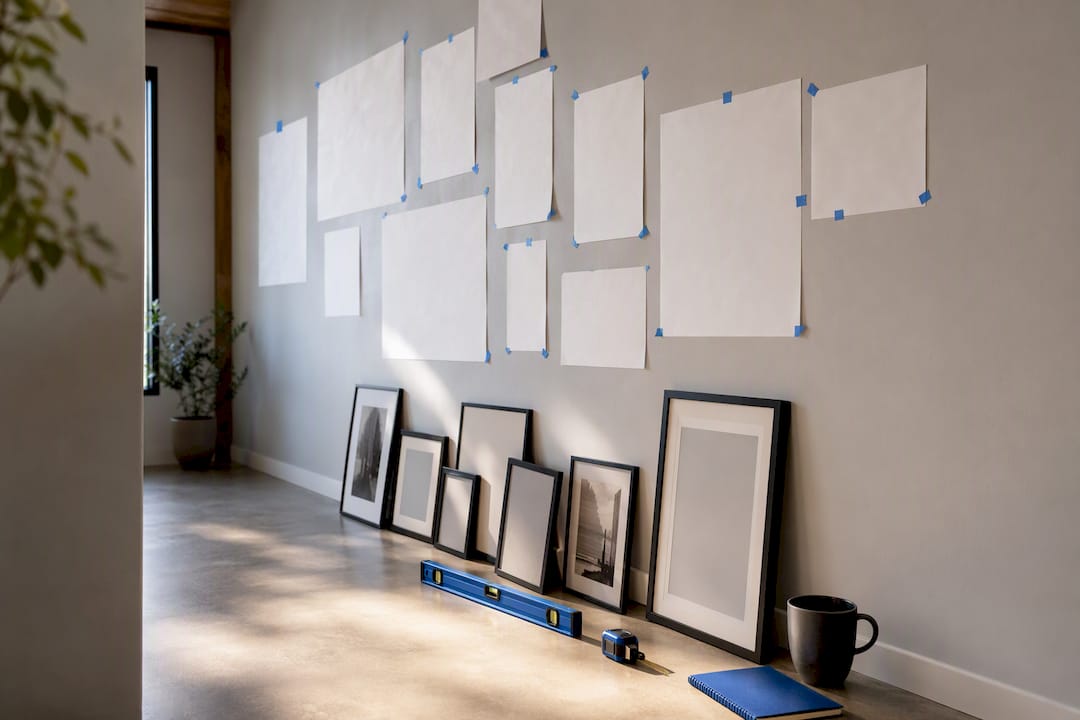
- Art placement: Hang a single large piece centered above the headboard, or create a gallery wall arrangement on an adjacent wall. Scale matters: a piece too small for the wall reads as an afterthought.
- Mirror: A full-length mirror on a side wall, rather than behind the door, expands the room visually and adds a dressing-room quality.
- Robe and slippers: A hook behind the door or a freestanding valet stand with a robe and slippers is a sensory cue that signals comfort before the guest even gets into bed.
Scent is underused in home bedrooms. A reed diffuser with a clean, woody, or linen-fresh fragrance (sandalwood, white tea, cedar) placed near the door creates a subtle arrival moment. For tech touches, a white-noise machine or a smart speaker set to a sleep playlist, plus a hidden charging station built into a nightstand drawer, handles the practical without cluttering surfaces.
Pro Tip: Before photographing your finished room for social sharing or resale, remove all personal items from surfaces, fluff every pillow, and steam the drapery. The room will photograph 10 times better in under 15 minutes.
Where should you splurge and where can you swap?
Prioritize mattress and bedding first, then lighting and drapery. Art, accent furniture, and decorative rugs are where smart sourcing pays off without any visible compromise in quality.
| Category | Approach | Why | Sources |
|---|---|---|---|
| Mattress | Splurge | Largest impact on sleep and comfort | Direct-to-consumer brands with trial periods |
| Sheets and duvet | Splurge | Daily contact; quality shows immediately | White sales (January, July), outlet linen shops |
| Lighting fixtures | Splurge | Dimmers and sconces transform atmosphere | Lighting showrooms, online retailers |
| Drapery fabric | Mid-range | Length matters more than price per yard | Fabric stores, ready-made panels in linen or velvet |
| Headboard | Mid-range | Statement piece; buy once | Upholstery shops, vintage dealers |
| Art and mirrors | Swap | Scale and placement matter more than cost | Thrift stores, estate sales, print-on-demand |
| Accent rugs | Swap | Layering hides wear; rotate seasonally | Outlet stores, vintage rug dealers |
| Decorative pillows | Swap | Recover or re-cover existing inserts | Fabric remnants, discount home stores |
When buying secondhand, check upholstered pieces for frame stability (no wobble, no soft spots in the seat), and inspect fabric for sun-fade along the back and arms. Vintage mirrors and art frames clean up with minimal effort and add the kind of patina that new pieces rarely replicate. Mixing a vintage piece like a Roger Capron-era coffee table with cleaner modern lines is exactly the kind of personality move that distinguishes a hotel-inspired room from a showroom replica.
Pro Tip: Buy two identical sets of sheets at the same time. Rotating them evenly extends their life and keeps the bed looking freshly made without expensive laundering on a tight schedule.
What do designers say to prioritize first?
Designers and hospitality professionals consistently point to the same hierarchy: mattress and bedding deliver the highest return on comfort, while lighting control delivers the highest return on perceived luxury. Condé Nast Traveler’s hospitality experts name mattress quality as the single most important investment for replicating the hotel sleep experience at home.
The designer priority list, drawn from sourced guidance:
- Mattress investment: Take advantage of trial periods (90–120 nights is standard for most direct-to-consumer brands) and test firmness in-store when possible.
- Lighting control: Dimmers and layered fixtures are the top non-bedding upgrade designers recommend.
- Crisp linens: HGTV’s styling guidance points to 300+ thread-count white sheets as the hotel standard most accessible to homeowners.
- Floor-to-ceiling drapery: Mounted at ceiling height, panels add scale and acoustic softness that no other single element matches.
- Symmetry and a statement headboard: A balanced bedside layout reads as composed and intentional regardless of budget.
When sourcing furniture, look for FSC-certified wood in frames and trim pieces for responsible sourcing that also signals quality construction.
Pro Tip: When testing mattresses in-store, bring your own pillow. The store’s demo pillow changes the feel of the surface, and you want to test the mattress, not the pillow.
How do you keep the hotel look over time?
Regular care routines are what preserve the hotel look after the initial styling. A few consistent habits keep linens crisp, upholstery fresh, and the room feeling considered rather than lived-in.
A practical maintenance schedule:
- Sheets: Wash weekly in cold water; tumble dry low. Rotate between two sets to reduce wear.
- Duvet insert: Wash every 3–4 months; dry thoroughly on low heat with dryer balls to restore loft.
- Pillows: Wash every 3–6 months; replace when they no longer spring back after folding in half.
- Rug: Vacuum weekly; rotate 180 degrees every 6 months to even out foot-traffic wear. Professional deep clean once a year.
- Upholstered headboard: Vacuum monthly with an upholstery attachment; spot-clean with a mild fabric cleaner. For full care guidance, upholstered bed maintenance covers the most common issues in detail.
For common problems: pilling on sheets responds to a fabric shaver; sagging upholstery often needs a professional re-stuffing rather than a DIY fix; sun-fade on drapery can be slowed by rotating panels or adding a UV-filtering liner.
Pro Tip: Store off-season textiles (extra throws, seasonal duvet covers) in breathable cotton bags with a cedar block. Plastic storage traps moisture and can yellow white linens over time.
How we approach hotel-inspired bedroom design
The hotel-inspired bedroom is one of the most requested design briefs among homeowners who love art-forward interiors, because it asks for comfort and beauty in equal measure without sacrificing either.
At Artinlifestyle, recommendations are chosen by three criteria: practicality for everyday living, durability over time, and an art-forward sensibility that treats the bedroom as a curated space rather than a functional one. That means prioritizing pieces with genuine material quality, sourcing guidance that points toward responsible makers, and finishing touches that reflect the homeowner’s own aesthetic rather than a generic luxury template.
The approach also means being honest about hierarchy. Not every element deserves equal investment. A beautiful headboard on a poor mattress is a styling decision that undermines the experience it’s meant to create. The sequencing in this article reflects that honesty: comfort first, then beauty, then the small gestures that make a room feel like it was designed for you specifically.
Sources
The following sources informed this article and offer deeper reading on hotel-inspired bedroom design:
- How to Make Your Bedroom Feel More Like a Hotel (2025) | Architectural Digest
- Here’s What You Need To Create A Luxury Hotel Bedroom At Home | Forbes
- 28 Ways to Make Your Bedroom Look Like a Luxury Hotel Room | HGTV
- How to Make Your Bedroom as Comfortable as a Hotel Room | Condé Nast Traveler
- Us