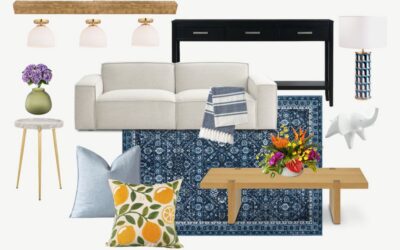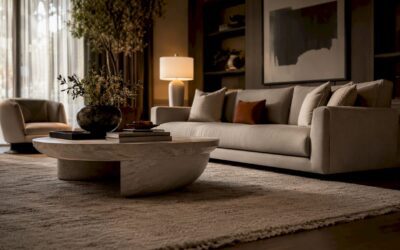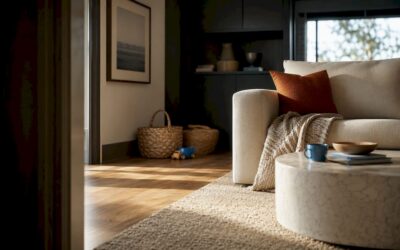
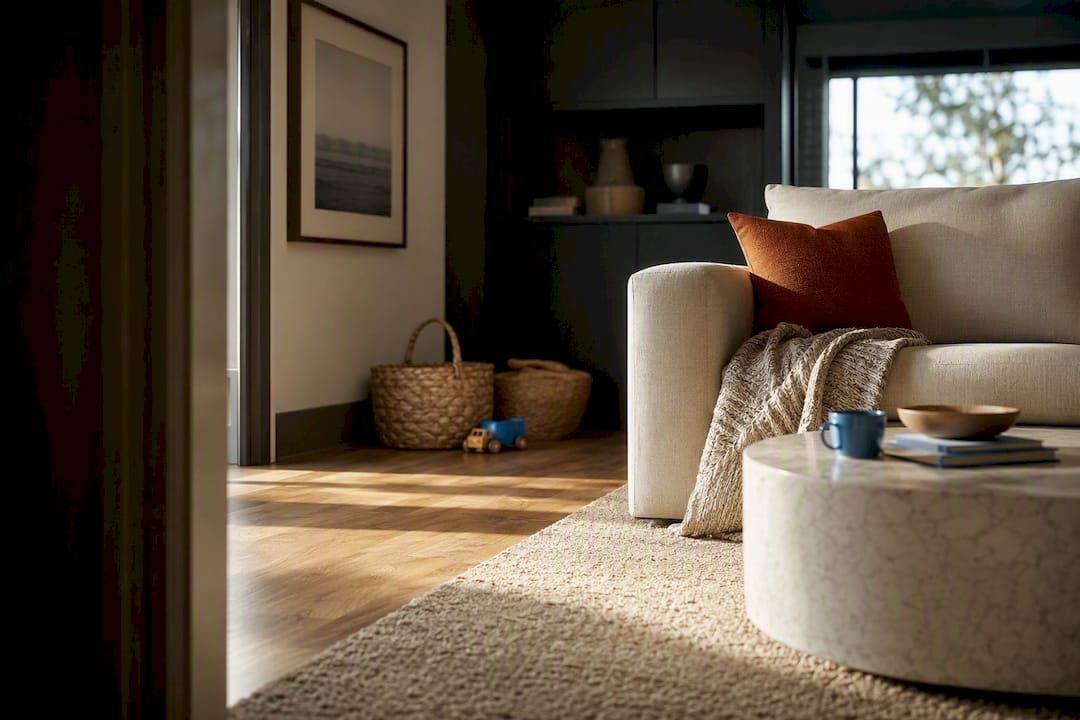
Anchor the room with one oversized, comfortable sofa or sectional, size the rug to sit under at least the front legs of every piece, choose washable performance fabrics over anything precious, and layer three kinds of light instead of relying on a single overhead fixture. Get those four decisions right and the rest of the room, color, art, storage, tends to fall into place around them.
TL;DR:
- A large, comfortable sectional or sofa is essential for open-family rooms, with performance fabrics preferred for durability against spills and pet hair.
- Use the 60-30-10 color rule to create a balanced palette, with 60% neutral walls, 30% mid-tone upholstery, and 10% accent colors in accessories.
- Rug size should be enough to keep the front legs of all major furniture pieces on the rug, with 8×10 or 9×12 being most common for anchoring seating groups.
- Incorporate three layers of lighting — ambient, task, and accent — with dimmers and warm bulbs to support both functionality and mood.
- Prioritize childproofing through furniture anchoring, rounded edges, cord management, and strategic storage to ensure safety without sacrificing style.
Table of Contents
- What Is Family Room Styling, Exactly?
- How Do You Plan Layout and Choose a Focal Point?
- Which Seating and Fabrics Actually Hold Up?
- How Does the 60-30-10 Color Rule Work Here?
- What Rug Size Actually Works for a Family Room?
- How Do You Layer Lighting for Mood and Tasks?
- What Storage Actually Keeps Toys and Cords Under Control?
- How Do You Add Art, Textiles, and Plants Without Clutter?
- Nealda’s Quick Styling Checklist
- How Do You Choose Multifunctional Furniture for a Family Room?
- What Safety Steps Matter Most for Childproofing a Family Room?
- How Do You Clean and Maintain Family Room Upholstery?
- Editor’s Perspective: Lived-In Beauty
- Want a Second Opinion on Your Family Room?
- Sources
- FAQ
What Is Family Room Styling, Exactly?
Family room styling means arranging furniture, color, texture, and light so a space works as hard as the people living in it, without looking like a furniture showroom or a padded playroom. It borrows the bones of formal living room design but trades fragility for durability at every turn. The goal is a room that photographs well and survives popcorn, muddy paws, and Tuesday-night homework in equal measure.
How Do You Plan Layout and Choose a Focal Point?
Start by walking the room and naming what already draws the eye. A fireplace or a view earns automatic focal-point status; if neither exists, the television becomes the honest answer, and there’s no shame in designing around it.
- Identify the anchor: TV, fireplace, or window view, and orient the main seating group toward it.
- Carve out secondary zones: a reading corner near a window, a low table for games, a drop zone near the entry for bags and shoes.
- Check circulation paths measure at least 30 to 36 inches wide so foot traffic never cuts through the seating group.
- Leave 14 to 18 inches between the sofa and coffee table for knees and small feet alike.
Pro Tip: If the TV sits above a fireplace, paint the wall behind it a shade darker than the surrounding walls. The screen recedes into the background when it’s off, and the whole wall reads intentional instead of accidental.
Which Seating and Fabrics Actually Hold Up?
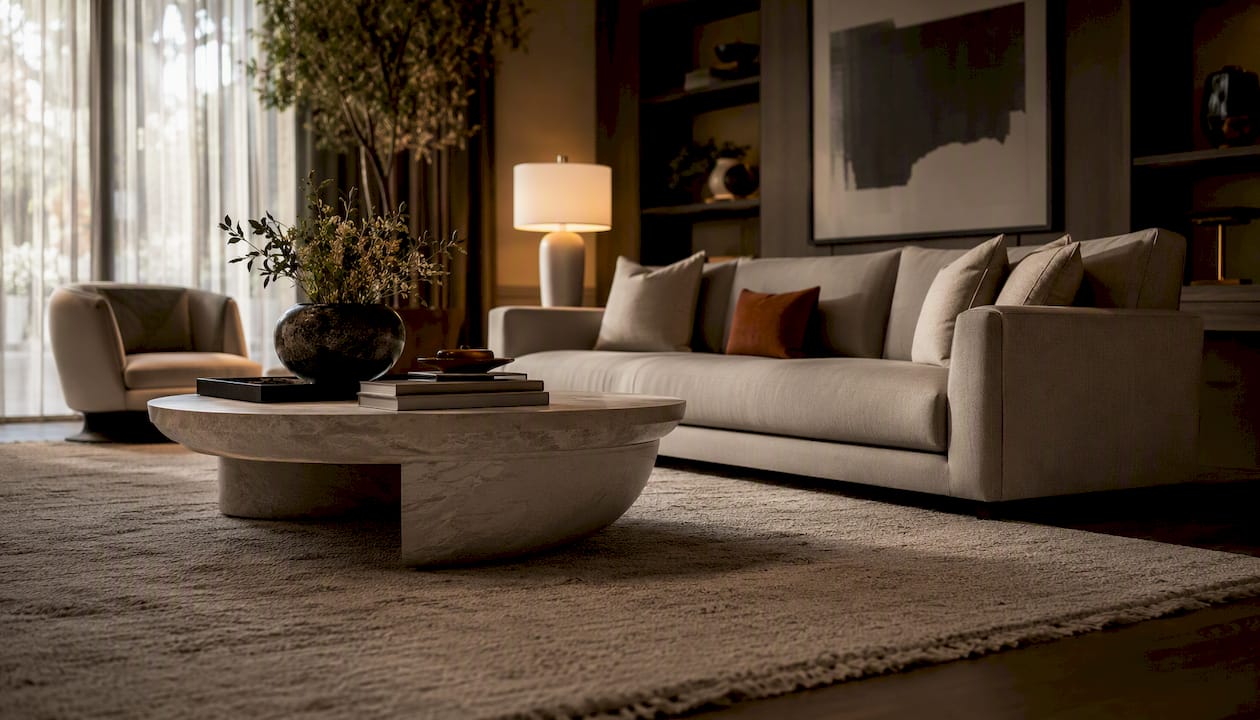
A comfortable sectional or an oversized sofa paired with two chairs is the single most important decision in the room, according to designers featured in Architectural Digest’s family room gallery. Sectionals suit open-plan rooms and households with more bodies than square footage; a sofa-plus-chairs arrangement works better in smaller or more formal rooms because it can flex into two conversation groups.
Fabric choice matters more than color or pattern here.
- Performance fabrics (Crypton, Sunbrella, and similar solution-dyed weaves) resist stains and wipe clean with water alone.
- Slipcovered pieces let you toss covers in the wash after juice spills or muddy dog paws.
- Tight weaves in mid-tone colors hide crumbs and pet hair better than deep solids or pale linens.
- Round or oval ottomans avoid sharp corners at toddler head height while doubling as extra seating.
Pro Tip: Keep side tables and ottomans at seat height or just below. A surface too tall becomes a shin-bruiser; one too short gets used as a step stool.
How Does the 60-30-10 Color Rule Work Here?
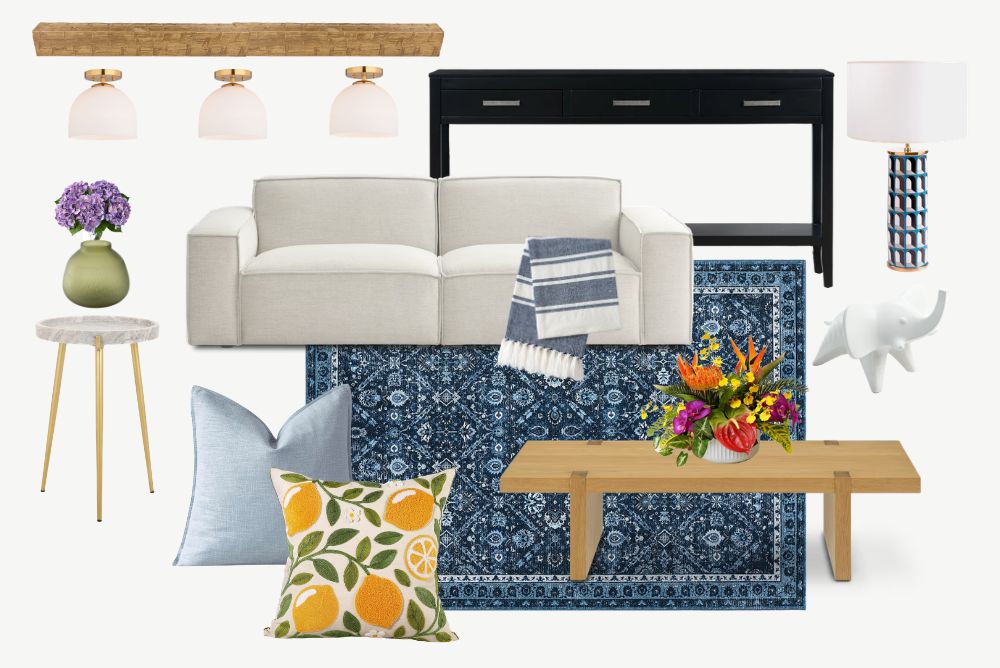
Designers lean on the 60-30-10 rule to keep a family room’s palette cohesive without feeling flat: 60% dominant color on walls and large surfaces, 30% secondary color on upholstery or curtains, and 10% accent color in pillows, art, or accessories.
- 60%: a warm greige or soft white wall color that won’t show every fingerprint.
- 30%: a mid-tone sofa or rug, sage green or warm navy work well in family spaces.
- 10%: mustard, terracotta, or deep red in throw pillows and small decor.
Rooms with limited natural light do better with warm neutrals; bright, south-facing rooms can handle cooler tones without feeling sterile. For a full refresh without repainting, swap only the 10% layer: new pillow covers, a different throw, one new piece of art. Browse living room color palette pairings for combinations that already balance warm and cool tones correctly.
What Rug Size Actually Works for a Family Room?
Rug sizing is where most family rooms go wrong, either a rug too small to anchor the seating or one so large it swallows the zoning entirely. The standing rule: at minimum, the front legs of every major seating piece should rest on the rug, according to guidance in Art in Lifestyle’s rug sizing guide.
- An 8×10 rug fits most standard sofa-and-two-chairs groupings.
- A 9×12 rug suits larger rooms or sectional-anchored layouts.
- All-legs-on placement, where every piece sits fully on the rug, gives the most polished, furniture-store-catalog look, but it requires a bigger rug and a bigger budget.
- Textured, low-pile rugs in mid-tones hide foot traffic patterns and pet fur far better than flat, pale weaves.
Layering a smaller vintage or patterned rug over a large jute base adds visual depth and defines a reading nook without buying two full-size rugs.
How Do You Layer Lighting for Mood and Tasks?
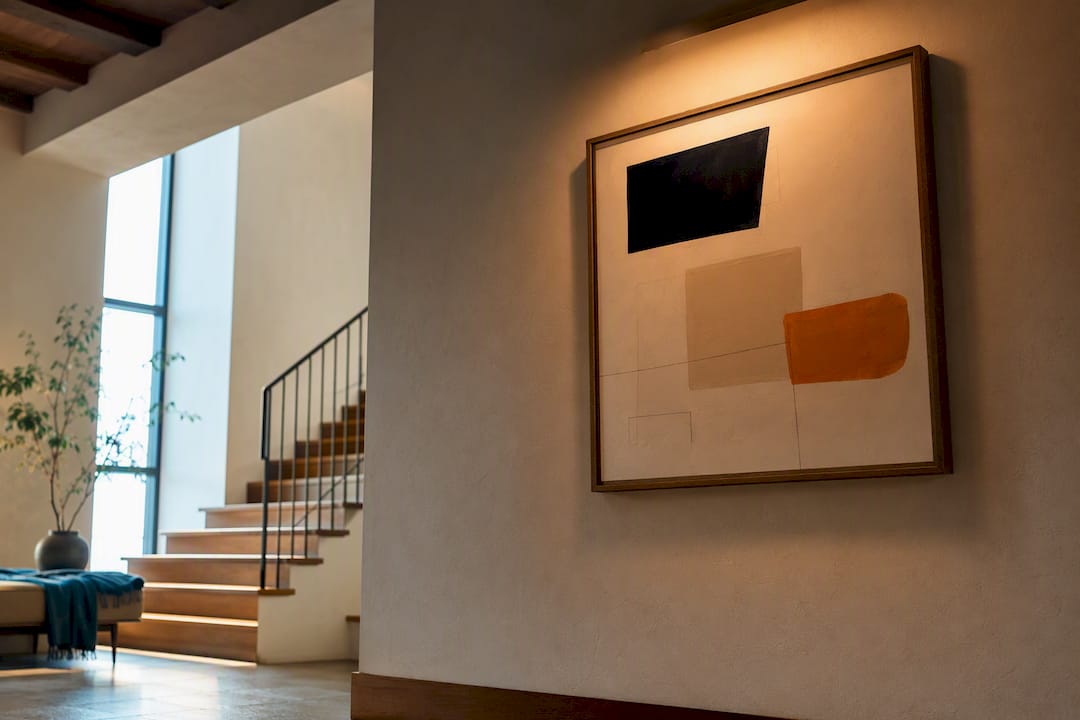
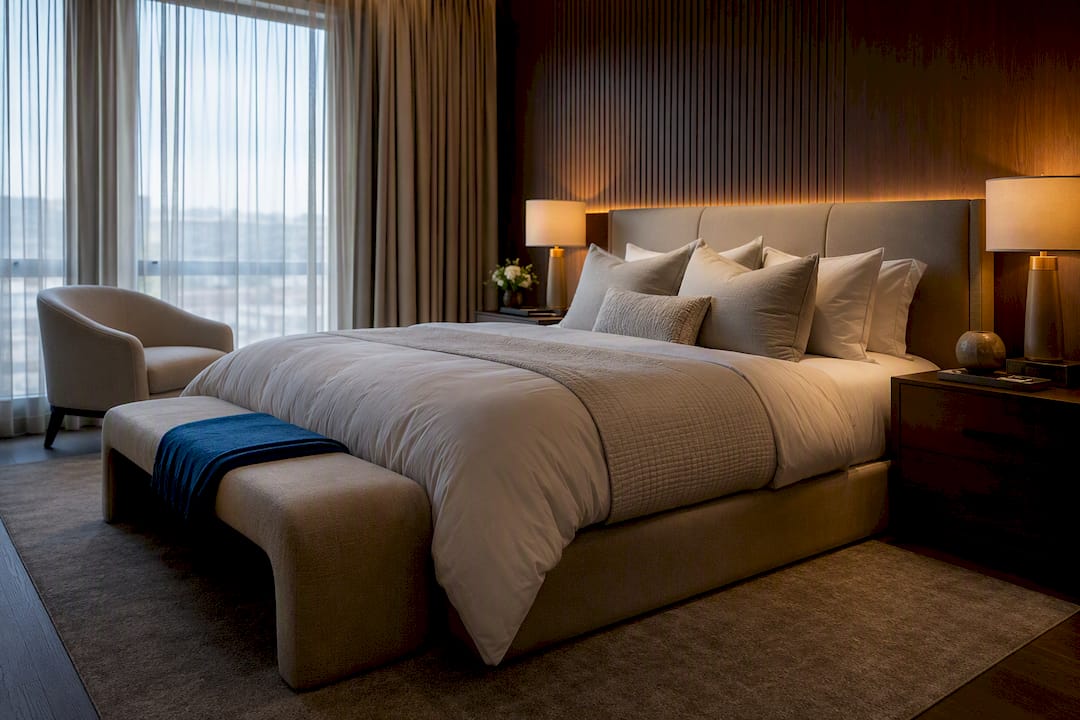
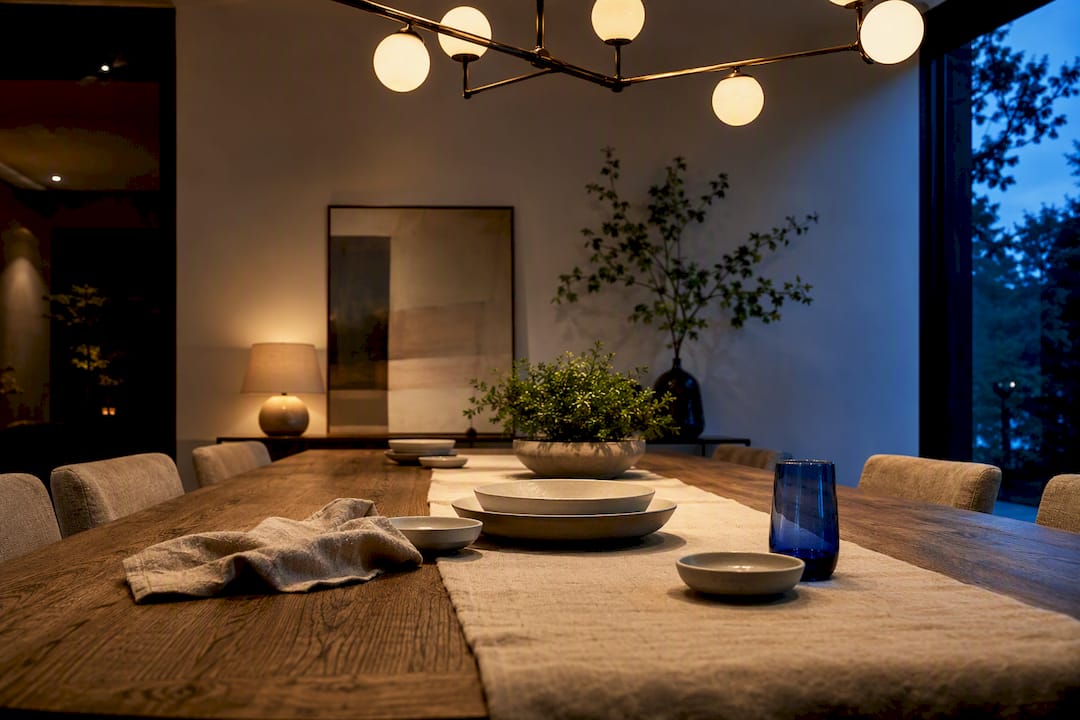
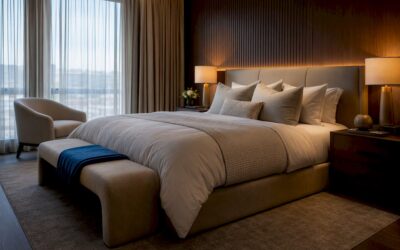
A single ceiling fixture leaves a family room either too bright for movie night or too dim for homework. Three layers solve that: ambient light fills the whole room (overhead fixtures, torchieres), task light targets specific activities (a reading lamp beside the armchair, an under-cabinet strip over a craft table), and accent light draws attention to art or architecture (a picture light, a lamp inside a built-in shelf).
- Put ambient lighting on a dimmer or smart bulb so the room can shift from bright and functional to soft and cozy in seconds.
- Set floor and table lamps at a height that lands just below eye level when seated, that keeps light off the TV screen and out of glare range.
- Angle accent lighting toward art or textured surfaces rather than straight into the seating area.
Pro Tip: Warm white bulbs (2700K to 3000K) make skin tones and wood furniture look richer than cool white bulbs, which tend to flatten a room’s warmth.
What Storage Actually Keeps Toys and Cords Under Control?
Closed storage hides the chaos; open storage displays what’s worth showing off. The best family rooms mix both, cabinets or a media console for electronics and clutter, open shelves for books and a few curated objects, according to design advice from Chic Home Haven.
- Use an ottoman with hidden storage for blankets, remotes, or a rotating toy bin.
- Run cords through a cable sleeve or behind furniture, and mount a power strip inside the media console rather than leaving it exposed on the floor.
- Add two or three woven baskets near the seating area for a five-minute toy sweep before guests arrive.
- Choose washable paint finishes (satin or eggshell) on lower walls and stain-resistant rugs in high-traffic zones.
For families short on built-in storage, a modular home organization system can carve out closed storage even in a narrow or oddly shaped room.
How Do You Add Art, Textiles, and Plants Without Clutter?
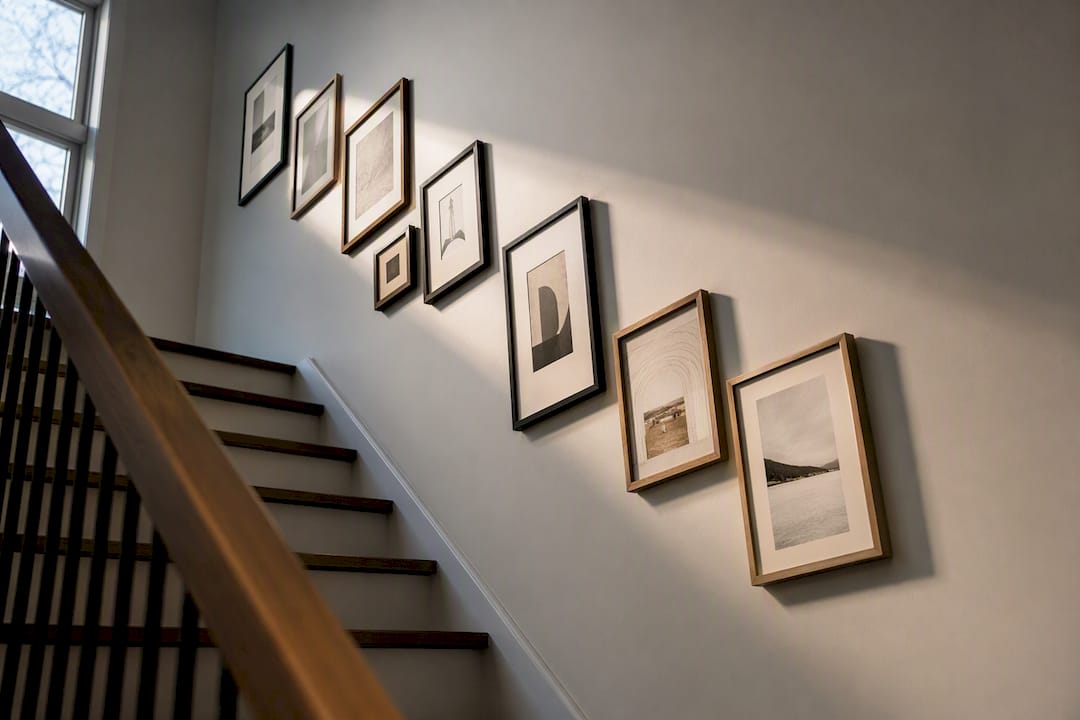
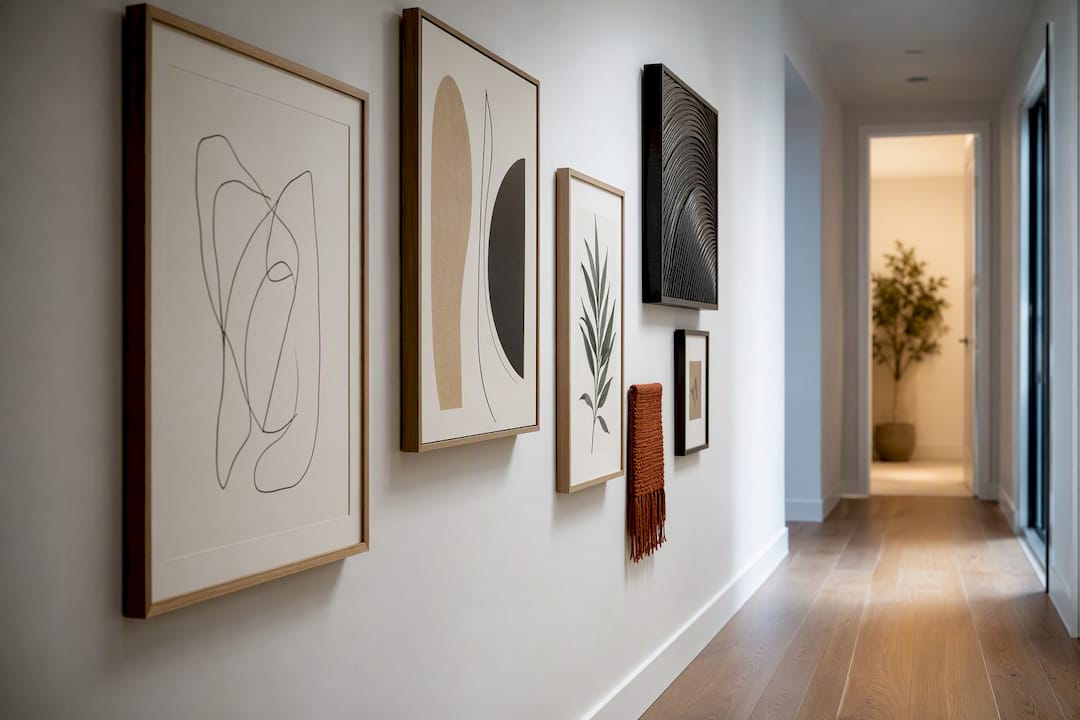
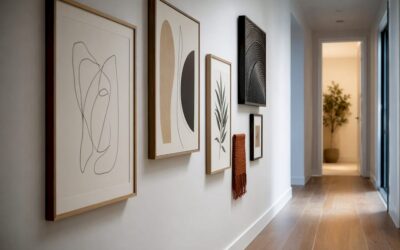
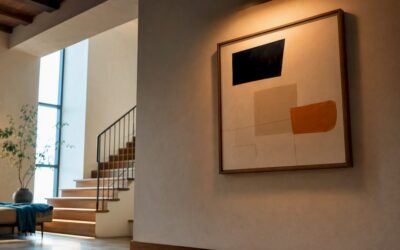
Art and textiles are where the room stops looking like a showroom and starts looking like yours. A gallery wall should sit centered over the sofa, with its bottom edge roughly 6 to 8 inches above the seat back, and its total width should span no more than two-thirds of the sofa’s length for balance. Check living room art scale and placement guidance before committing to frame sizes.
- Mix no more than three patterns in one seating area, one large-scale, one medium, one small, to avoid visual noise.
- Layer textures deliberately: a wood coffee table, a woven basket, a chunky knit throw. That contrast reads as depth rather than clutter.
- Swap two or three accessories seasonally (a new throw, a bowl of pinecones or citrus) instead of redecorating the whole room.
- Choose resilient plants like pothos, snake plant, or ZZ plant. All three tolerate low light and irregular watering, which makes them nearly impossible for a busy household to kill.
Nealda’s Quick Styling Checklist
- Measure the room and mark the focal wall.
- Pick the anchor sofa or sectional first, everything else scales from it.
- Size the rug so it covers at least the front legs of the seating group.
- Set three lighting layers: ambient, task, accent, on dimmers where possible.
- Swap three textiles (pillows, throw, rug runner) for an instant refresh.
A one-day refresh covers steps 4 and 5 alone. A weekend project adds a rug and lighting swap. A full restyle phases the sofa and rug purchases across a season to spread the cost without sacrificing the plan.
Pro Tip: Do the textile swap first, even if you’re planning a full restyle. Seeing the new color story on pillows and throws before buying furniture prevents expensive color regret.
How Do You Choose Multifunctional Furniture for a Family Room?
A family room rarely gets to be just one thing. It’s a movie theater on Friday, a homework station on Tuesday, and a wrapping-paper staging ground every December, and the furniture has to keep up with all three.
Ottomans with lift tops or hidden storage compartments do double duty as a coffee table, extra seating, and a toy chest in one piece. A storage bench along a window wall works as seating for overflow guests and a place to stash blankets or board games. Nesting tables solve the “not enough surfaces during game night” problem without permanently eating floor space the rest of the week.
Sleeper sofas and sofa beds matter more in a family room than almost anywhere else in the house, since it’s often the room where overnight guests, sick kids, or sleepover crews end up. A daybed against a side wall can serve as extra lounging space during the day and a real bed when needed.
Modular sectional pieces deserve a specific mention: sections that separate and reconfigure let a single seating group split into a smaller conversation cluster and a play-adjacent bench, then reassemble for movie night. That flexibility matters more in smaller rooms, where one piece of furniture doing two jobs can be the difference between a cramped layout and a functional one.
Convertible or fold-away desks tucked into a corner or closet let the room absorb a home-office or homework function without a dedicated desk eating permanent square footage.
What Safety Steps Matter Most for Childproofing a Family Room?
Furniture arrangement and safety hardware matter more in a family room than in almost any other space, since it’s usually the room where kids spend the most unsupervised time.
Anchor every tall piece, bookshelves, media consoles, freestanding cabinets, to the wall with an anti-tip strap. Toppling furniture is a real and preventable risk, and the straps cost very little relative to the protection they offer. Mount the television to the wall or onto a low, weighted stand rather than a tall, narrow one that a climbing toddler could pull down.
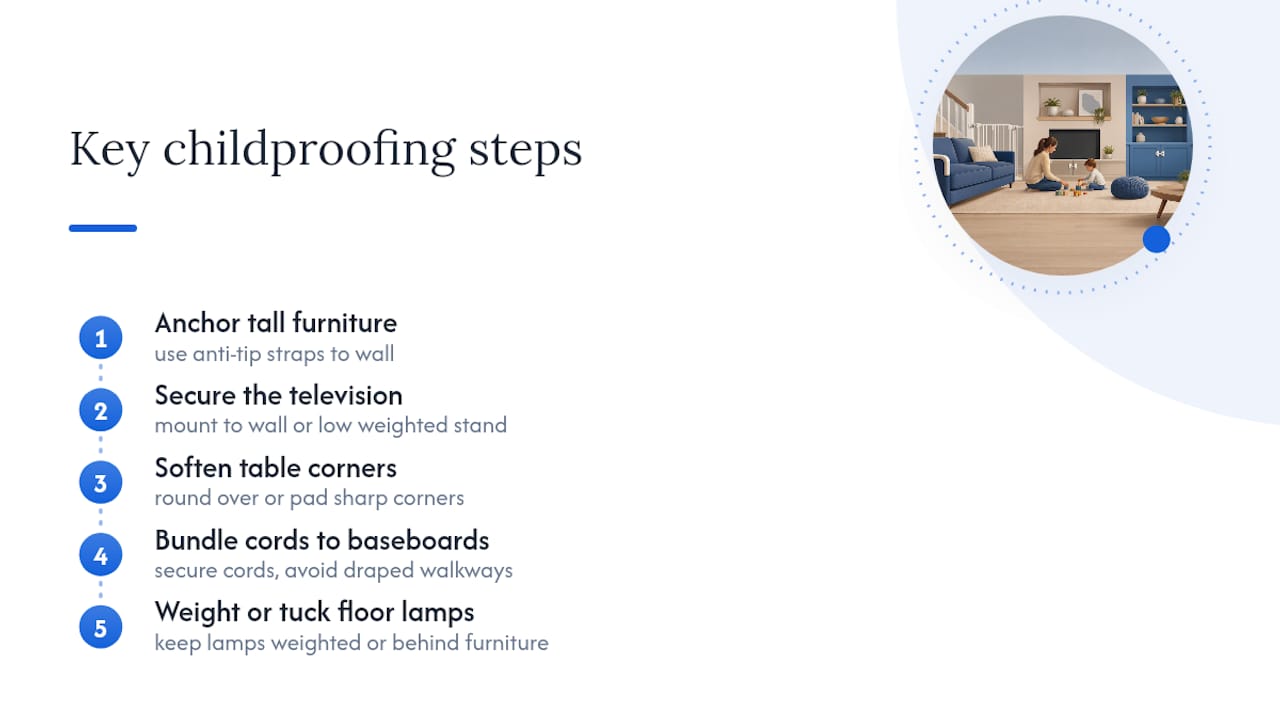
Round over or pad sharp coffee table corners, or choose a table with a rounded or oval top from the start. Keep cords from lamps, gaming consoles, and charging stations bundled and secured along baseboards rather than draped across walkways, where they become both a trip hazard and a tempting chew toy for younger kids and pets.
Store remote controls, batteries, and any small game pieces or craft supplies in closed containers rather than open baskets if there are children under three in the house. Choose furniture with rounded edges over sharp-angled modern pieces where possible, especially for anything at toddler head height like ottomans and low tables. Keep floor lamps weighted at the base or tucked behind furniture, where a swinging arm or a light cord won’t catch a running kid mid-stride.
How Do You Clean and Maintain Family Room Upholstery?
Fabric choice at purchase time is the first line of defense, but maintenance is what keeps a family room looking good five years in in stead of five months.
Vacuum upholstery weekly with a brush attachment to lift embedded dust and pet hair before it settles into the weave. Blot spills immediately rather than rubbing, rubbing pushes liquid deeper into the fibers and widens the stain. Check the fabric’s cleaning code, usually found on a tag under a cushion, W means water-based cleaner is safe, S means solvent-based only, and WS means either works.
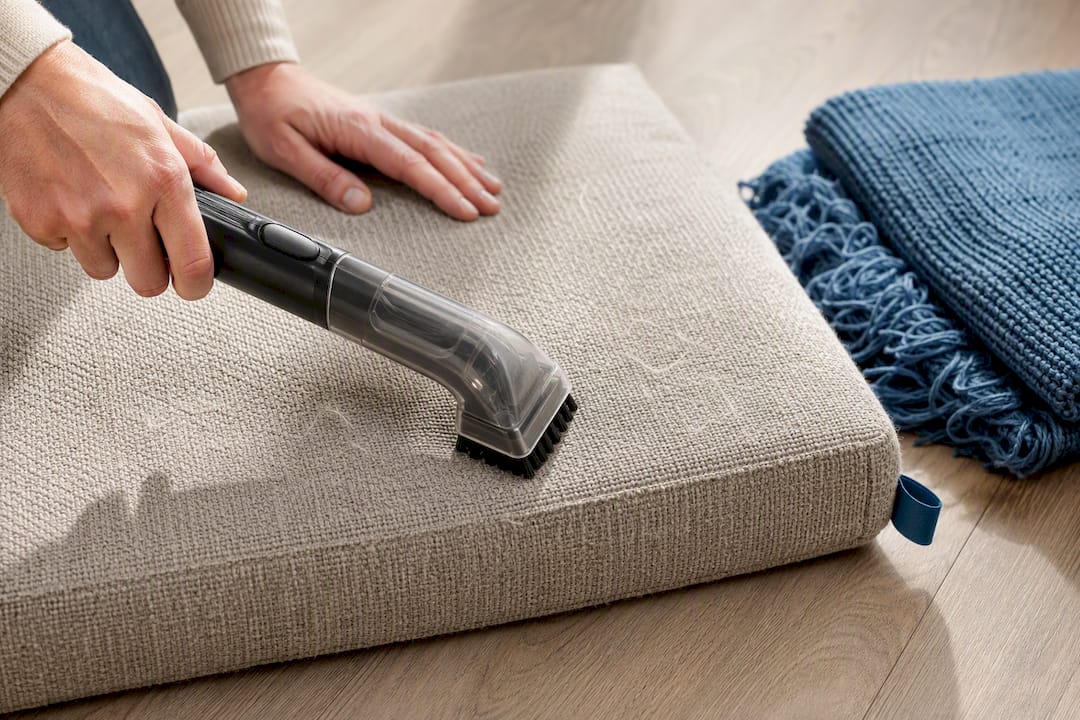
Rotate and flip reversible cushions every few weeks to even out wear patterns, especially on the seats that get used most. Removable slipcovers and cushion covers should go through a gentle wash cycle every four to six weeks in households with young kids or pets, more often after a known spill.
For rugs, vacuum in the direction of the pile at least once a week, and get a deeper professional cleaning every 12 to 18 months depending on foot traffic. Rotate area rugs seasonally if sunlight hits one section more than others, uneven fading is permanent and hard to disguise later.
Editor’s Perspective: Lived-In Beauty
The best family rooms aren’t the ones that look untouched. They’re the ones where a worn leather armchair sits next to a gallery wall with real intention, proof that style and daily life aren’t opposites. A room that survives a decade of family dinners, movie nights, and homework marathons, and still looks good doing it, is the actual design achievement.
— Nealda
Want a Second Opinion on Your Family Room?
Sometimes the four big decisions, seating, rug, palette, lighting, are easy on paper and harder to commit to alone in the actual room. Art in Lifestyle’s Art Concierge pairs you with curated recommendations built around your existing furniture, room dimensions, and family needs, so you’re not guessing at rug sizes or repainting a wall twice.
If you’d rather browse first, the 2026 home trends guide rounds up the palettes, textures, and layouts shaping family spaces this year. Either way, the next step is simple: request a consultation through a professional art concierge service and get a plan built around the room you actually have.
Sources
- 17 family room decorating ideas — Architectural Digest
- How to decorate a family room: step-by-step guide — E-A-A
FAQ
What Are the Trends for Family Rooms in 2026?
Warm, tactile neutrals paired with one bold accent color, mixed natural textures like wood and woven fiber, and multifunctional furniture that flexes between play, work, and relaxing are the dominant directions for 2026 family rooms.
What Is the 60-30-10 Rule for Decorating Living Rooms?
The 60-30-10 rule splits a room’s color scheme into 60% dominant color on walls and large surfaces, 30% secondary color on upholstery or rugs, and 10% accent color in pillows and small decor.
What Is the 2/3 Rule for Living Rooms?
The 2/3 rule generally refers to sizing art or accessories at roughly two thirds the width of the furniture piece they hang above or sit near, a gallery wall over a sofa, for example, should span no more than about two-thirds of the sofa’s length.
What Is the New Trend for Living Rooms?
Layered, family-friendly styling that mixes durable performance fabrics with warm, personal touches, art, plants, textured throws, is replacing the matched, formal furniture sets that dominated family rooms a decade ago.