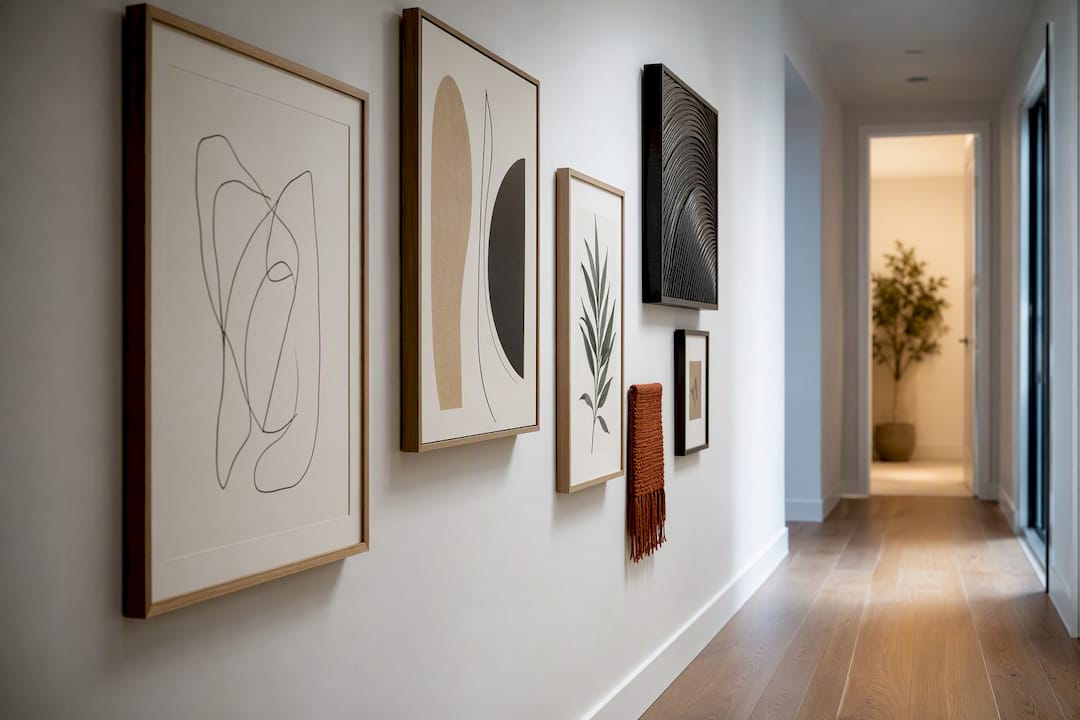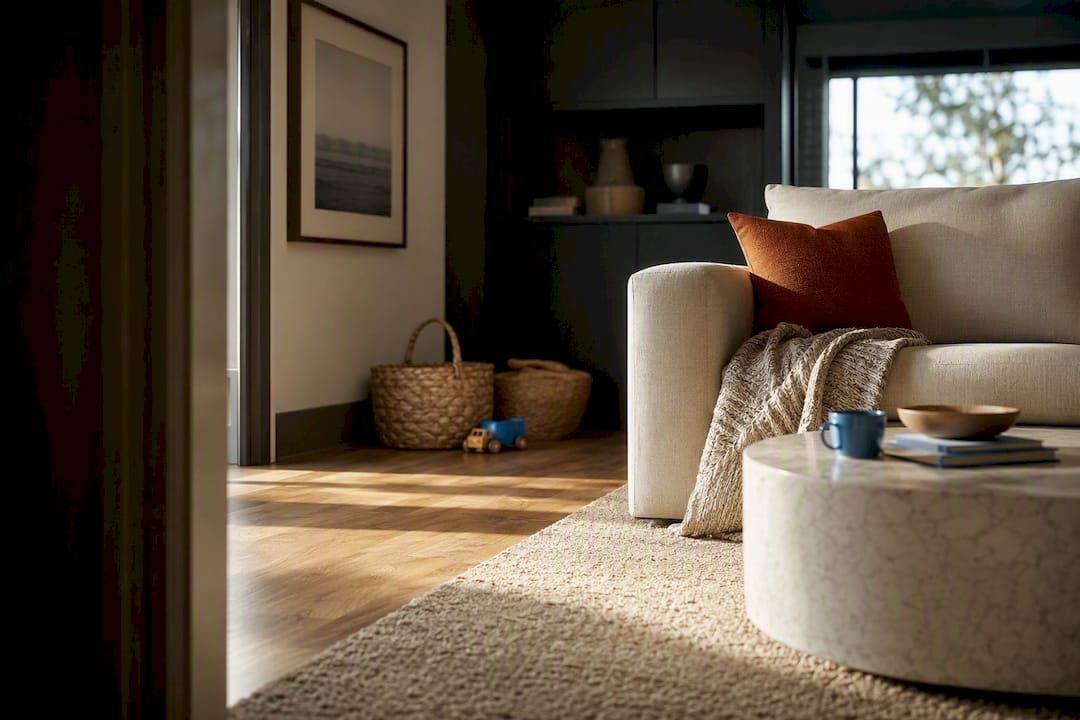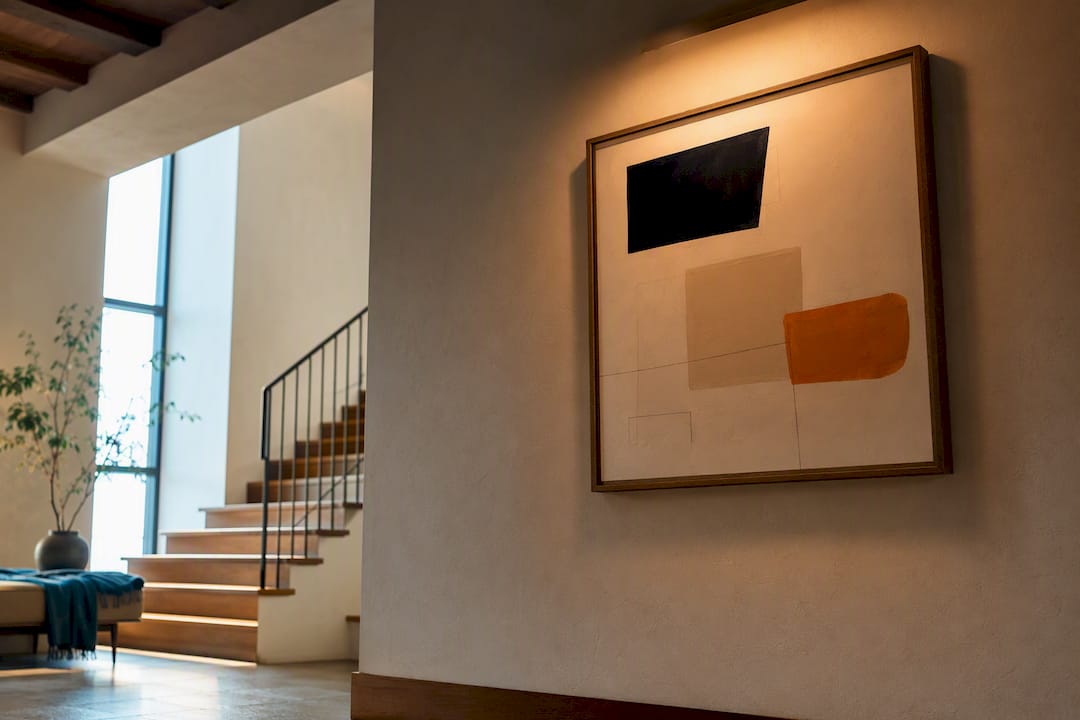
A pedestal is the fastest way to give any object, whether a sculpture, a lamp, or a single trailing plant, the visual weight of a museum piece. Raising it just a few inches above the surrounding furniture line creates instant height, a natural focal point, and breathing room around whatever sits on top. What follows are twelve ready-to-copy pedestal display ideas, plus the placement rules, material choices, and styling tricks that separate a display that looks curated from one that looks like an afterthought.
TL;DR:
- Pedestals should be placed at eye level based on the room’s function, with their height and location carefully chosen to optimize sightlines and stability.
- Material choices such as wood, marble, metal, or acrylic influence both aesthetic and weight capacity, with finishes like mirrored or painted surfaces adding design interest.
- Style pedestals with contrast and layering, pairing formal bases with casual objects and mixing textures to avoid museum-like displays that feel staged.
- DIY pedestal projects can be simple and budget-friendly, using repurposed furniture like boxes or plant stands, as long as weight and stability are verified.
- Proper placement, stable construction, and thoughtful styling transform pedestals from mere supports into integral part of a room’s decor.
Table of Contents
- 12 Creative Pedestal Display Ideas to Try at Home
- How to Place a Pedestal for the Best Sightlines
- Picking the Right Pedestal Material for the Object and the Room
- Styling Rules That Make a Pedestal Feel Lived-In, Not Staged
- DIY Pedestal Projects and Budget-Friendly Buys
- Keeping a Pedestal Display Stable, Safe, and Looking New
- A Designer’s Rule for Making Pedestals Feel Intentional
- The Overrated Advice on Pedestals, and What Actually Works
- Bring These Ideas to Life with Artinlifestyle’s Design Resources
- Sources
12 Creative Pedestal Display Ideas to Try at Home
Pedestals liven up vacant corners and frame a room’s focal point simply by adding height and visual emphasis, according to design guidance from One Kings Lane. Here are twelve ways to put that principle to work in a real home, not a showroom.
- A single sculptural object on a tall pedestal. One striking piece, a carved bust, a ceramic form, a piece of driftwood, on a pedestal at an appropriate height instantly reads as the room’s anchor.
- A cluster of small pedestals in odd numbers. Three pedestals at staggered heights across a console table create rhythm that a single flat surface never achieves.
- A pedestal doubling as a nightstand. A narrow round pedestal beside a bed handles a lamp and a book stack without the bulk of a full nightstand.
- A lamp raised on a pedestal. Lamps often look squat on low furniture; a pedestal fixes the scale and gives the shade proper prominence in the room.
- Staggered plants for a layered green vignette. Three pots at different pedestal heights mimic a tiered garden bed indoors, an easy trick borrowed from small-pedestal styling guides.
- A tray-topped pedestal for bathroom or kitchen essentials is a simple way to combine function and style, as practical small-space furniture ideas from Noble Abode suggest. Corralling soaps, candles, or oils on a tray keeps small items from scattering while still elevating them visually.
- A ghost acrylic pedestal. Clear acrylic makes an object appear to float, a favorite trick for showcasing glass or metal pieces without visual clutter.
- A mirrored or metallic pedestal. Reflective surfaces bounce light back onto small objects, which matters most in dim corners or windowless hallways.
- A painted statement pedestal. A bold color on the base itself turns the stand into the accent piece, even before anything sits on top.
- A seasonal rotation pedestal. Swap out what sits on top by season: a pumpkin in fall, a bowl of citrus in winter, fresh blooms in spring.
- An enclosed pedestal or display box. Fragile heirlooms or collectibles stay dust-free and protected while remaining fully visible under a glass or acrylic cover.
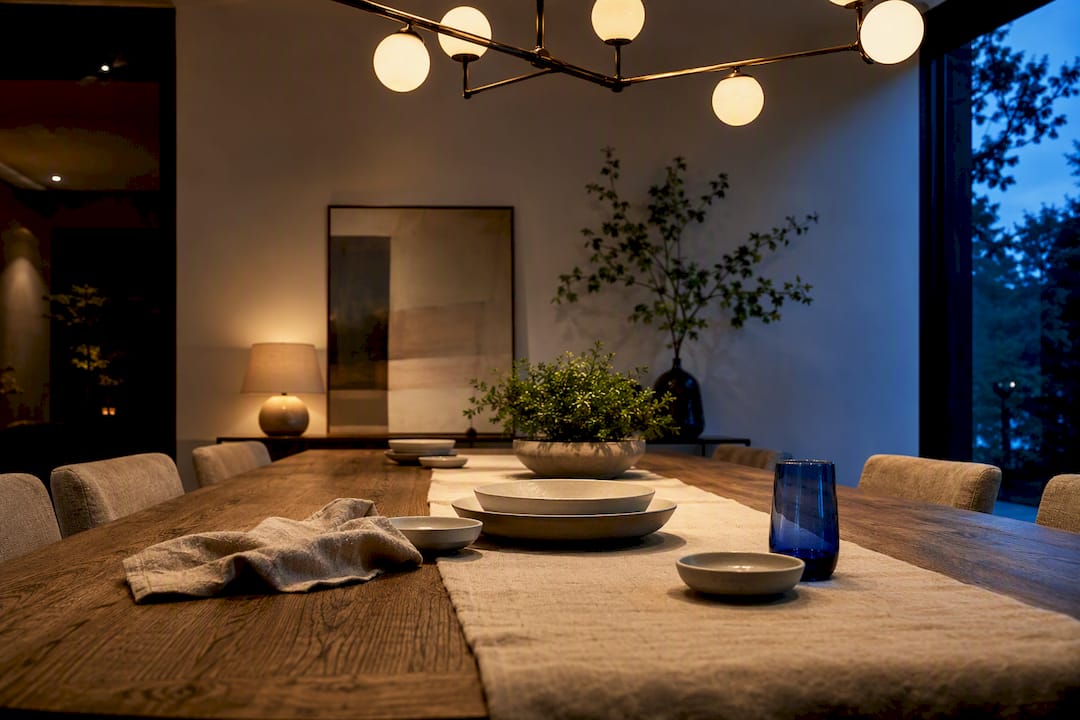
- A pedestal as a dining centerpiece or entryway anchor. A low, wide pedestal holding a bowl or vase gives an entry table or dining setting a clear point of arrival.
How to Place a Pedestal for the Best Sightlines
Effective display design comes down to height, sightlines, and stability. Pedestal height should generally put the object at or near eye level for wherever people stand or sit most often, according to Le Lux Art’s guidance on choosing display pedestals.
- In an entryway, aim for a height that greets people at standing eye level.
- Beside a sofa or armchair, choose a lower height closer to seated eye level.
- On a floor pedestal meant as a room’s main focal point, choose a mid-range height that reads well from across the room.
- Group pedestals in odd numbers and stagger their heights by varying amounts rather than lining them up flat.
- Leave some open space around each object so nothing feels crowded.
Pro Tip: Walk the main paths into the room, the doorway, the hallway, the top of the stairs, and check what your pedestal display looks like from each angle before you commit to a final spot.
Picking the Right Pedestal Material for the Object and the Room
Material determines both how a pedestal looks and how much weight it can safely hold. Wood pedestals feel warm and forgiving of everyday knocks, but check the joinery on anything holding a heavy sculpture. Marble and other stone pedestals bring serious visual weight and stability, ideal for tall or top-heavy pieces, though they scratch and stain if not sealed. Metal pedestals suit a leaner, more architectural look and typically carry the highest weight capacity for their size. Acrylic pedestals disappear visually, perfect for letting an object seem to float, but they’re the easiest surface to scratch.
- Wood: warm, versatile, moderate weight capacity; watch joint stability on taller stands.
- Marble/stone: heavy and stable; requires care to resist stains.
- Metal: slim profile with strong load capacity; can feel cold without a warm object on top.
- Acrylic: near invisible, great for a “floating” effect; prone to scratches and fingerprints.
Neutral finishes let a pedestal recede so the object gets all the attention. Mirrored or metallic finishes amplify light around smaller pieces, and a painted finish turns the base itself into part of the design statement. Retail suppliers also build in features home shoppers can borrow from, including acrylic ghost pedestals and adjustable levelers for uneven floors.
Styling Rules That Make a Pedestal Feel Lived-In, Not Staged
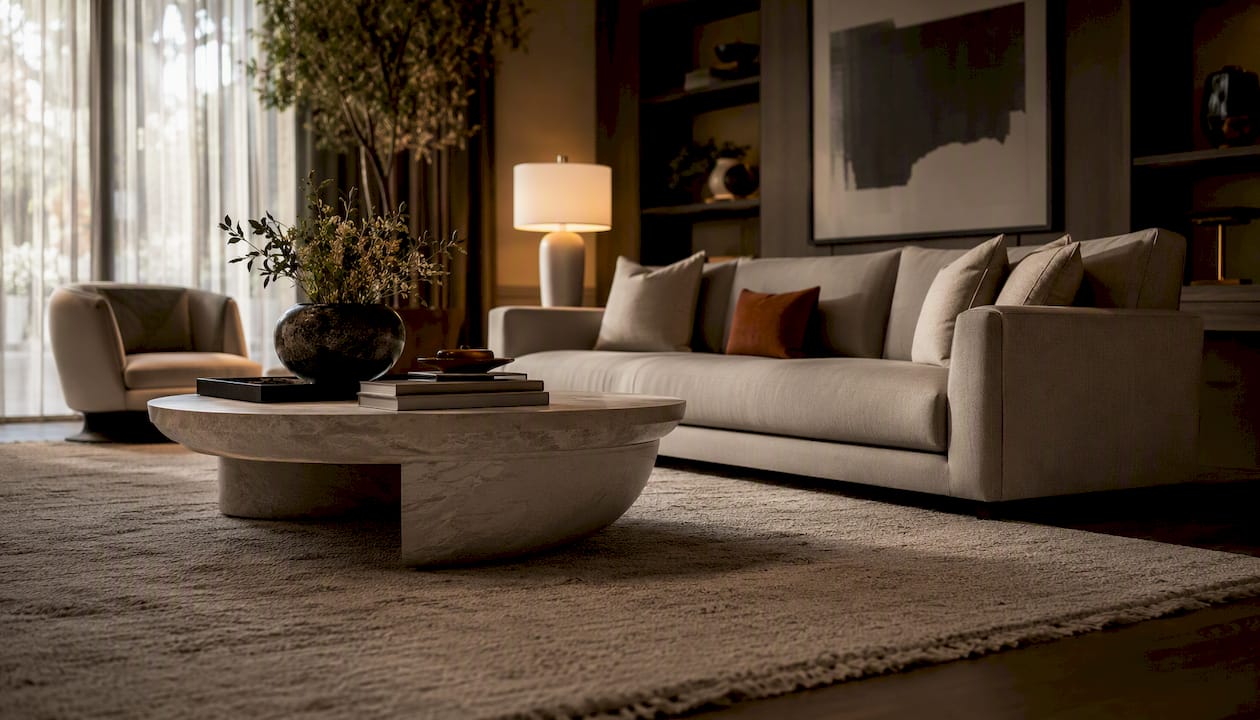
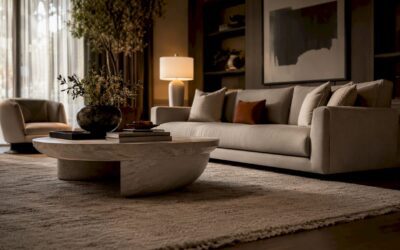
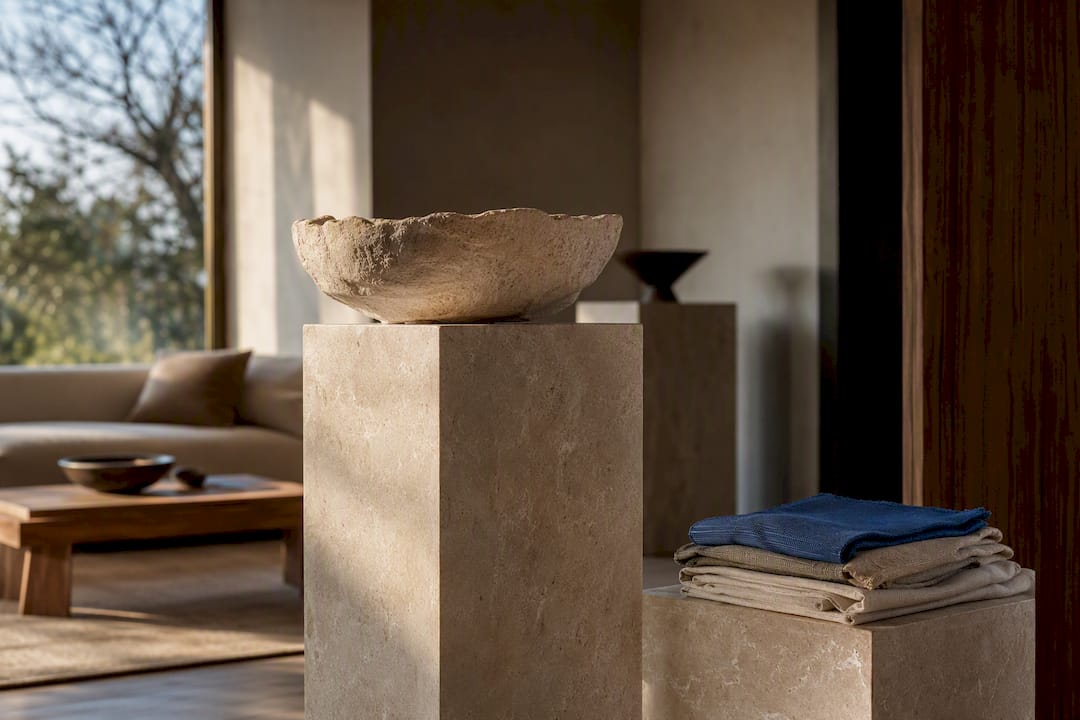
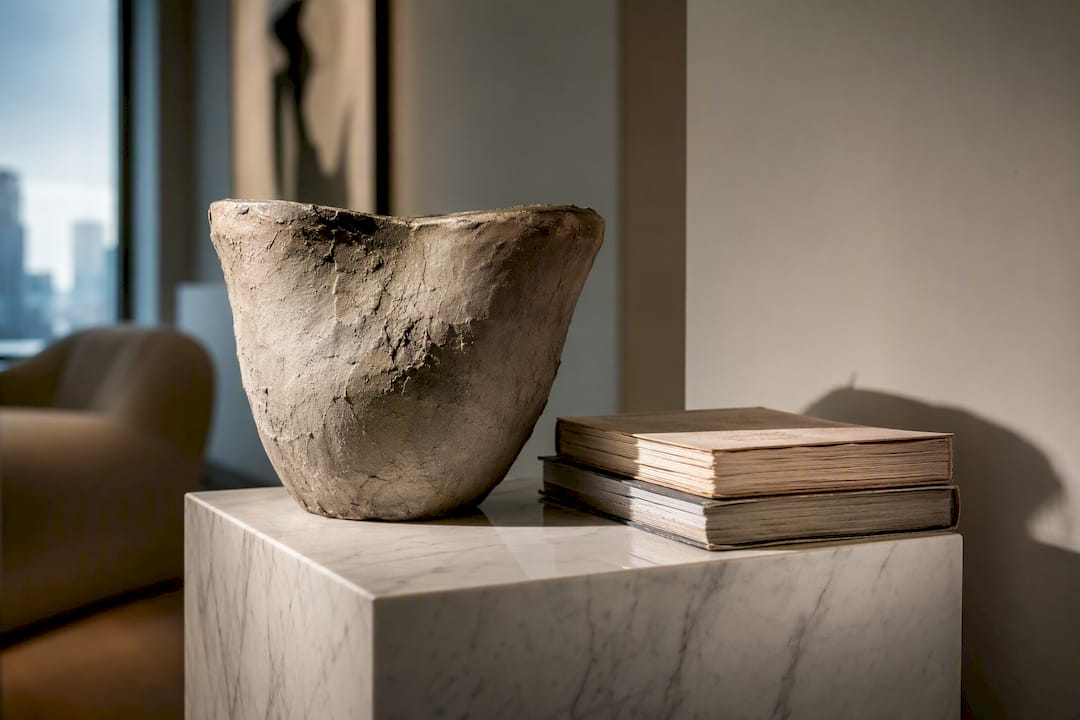
Designers caution against pedestal displays that feel like museum exhibits. Mixing a formal marble base with a relaxed, everyday object, a stack of paperback books, a bowl of citrus, a worn ceramic vase, keeps the whole vignette approachable rather than precious.
- Pair a smooth pedestal with a textured object (rough ceramic, woven basket, matte stone) so the eye has contrast to land on.
- Layer height with a book stack, a small tray, or a riser beneath the main object to add depth without another full pedestal.
- Use symmetry (matching pedestals flanking a doorway) for formal spaces, and asymmetry (staggered heights, mismatched objects) for casual rooms.
- A pedestal is also a scale fix: an oversized lamp or an undersized sculpture both read correctly once raised to the right height.
Pro Tip: If a room feels flat, the fastest fix is often not a new object, it’s raising an object you already own onto a pedestal at the right height.
DIY Pedestal Projects and Budget-Friendly Buys
You don’t need a custom fabricator to get the look. Three simple builds cover most home needs:
- Painted plant stand upgrade. Sand and repaint an old plant stand in a bold or neutral tone, then top it with a tray for stability.
- Stacked box pedestal. Glue two or three wooden boxes of decreasing size together with strong adhesive for an instant tiered stand.
- Repurposed side table top. Remove the top from a small side table and swap in a round wood or stone slab for a custom silhouette.
Before building or buying, run through this checklist: confirm the top surface is securely fastened, check the stated weight rating against your object, and add a wall anchor for anything taller than waist height in a high-traffic room. Shopping for a ready-made pedestal? Compare dimensions, base width, material, weight rating, and whether the feet adjust for uneven floors.
For a broader set of build templates, Artinlifestyle’s DIY ideas for transforming any space covers several other beginner-friendly projects worth pairing with a pedestal upgrade.
Keeping a Pedestal Display Stable, Safe, and Looking New
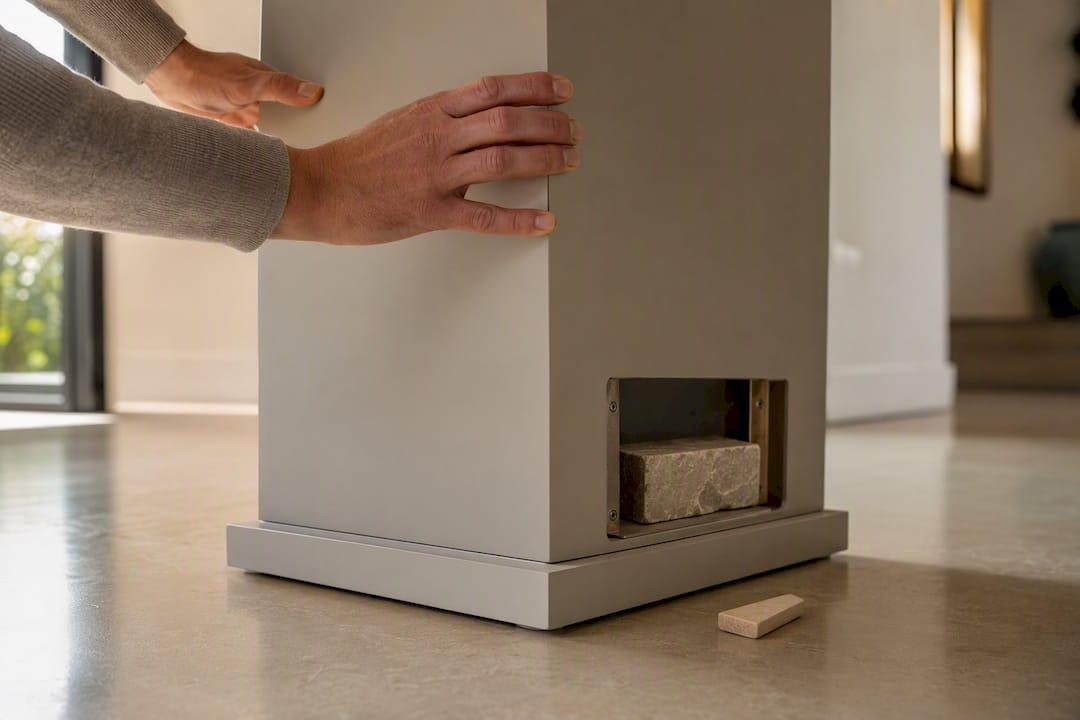
A wide, low base always resists tipping better than a narrow, tall one, so test any pedestal by gently pressing on the top corner before trusting it with a heavy object. Adding a concealed weight, a sandbag or a flat stone, inside a hollow base dramatically improves tip resistance. On uneven floors, clear shims or adjustable levelers keep the pedestal plumb. For care: seal marble annually, keep acrylic away from abrasive cloths, and polish metal with a dedicated metal cleaner rather than an all-purpose spray.
A Designer’s Rule for Making Pedestals Feel Intentional
Nealda’s guiding rule for pedestal styling is simple: treat the stand as part of a room’s texture, not a spotlight stand for a single prized object. That means mixing a formal marble pedestal with something casual, a stack of linen napkins, a lopsided ceramic bowl from a flea market, so the display feels collected rather than staged. In past styling work, pedestals have solved three recurring problems: fixing scale on an oversized lamp that looked lost on a low table, corralling loose bathroom bottles into one tidy tray-topped display, and turning a single framed print into a gallery-like vignette when paired with a plant on a second, shorter stand nearby.
The Overrated Advice on Pedestals, and What Actually Works
Most pedestal advice treats height and symmetry as the whole story. They matter, but they’re the easy part. What conventional guides skip is texture contrast, the thing that keeps a raised object from looking like it’s on a store shelf. A marble pedestal holding a smooth glass vase reads cold. The same pedestal holding a rough ceramic piece or a well-worn book stack reads collected, like it belongs to someone with actual taste rather than a showroom stylist.
The other gap: most articles assume you’re buying new. In practice, the best pedestal in a room is often something repurposed, an old plant stand, a stack of boxes, a side table stripped of its original top. Budget constraints force better editing decisions than an unlimited shopping budget ever does.
If you take one thing from this, prioritize sightlines before you buy or build anything. A gorgeous pedestal in the wrong spot, blocking a doorway sightline or sitting below seated eye level, undercuts every other styling decision you make afterward.
— Nealda
Bring These Ideas to Life with Artinlifestyle’s Design Resources
Reading about pedestal styling is one thing. Getting the height, material, and object pairing right on the first try in your own home is another, and that’s where a second set of eyes helps most. Artinlifestyle’s DIY guides for transforming any space walk through the exact build steps for stands and displays covered above, so you’re not guessing at adhesive types or weight ratings on your own.
If you’d rather skip the sourcing entirely, whether that’s finding a specific sculpture, a marble pedestal in the right proportions, or a custom piece that doesn’t exist in stores yet, Art Concierge connects you directly with curated pieces and sourcing help suited to your space. Browse the DIY resource first if you’re building your own stand this weekend, or reach out to Art Concierge if you’re ready to commission or source the centerpiece your pedestal deserves.
Sources
- Elevate Your Aesthetic: 11 Ways to Decorate with Pedestals — One Kings Lane
- 10 ideas for styling small pedestals — Room for Tuesday
- Display Pedestals 101: Height, Sightlines, and Stability — Le Lux Art
- Display pedestals — ShopPOPdisplays