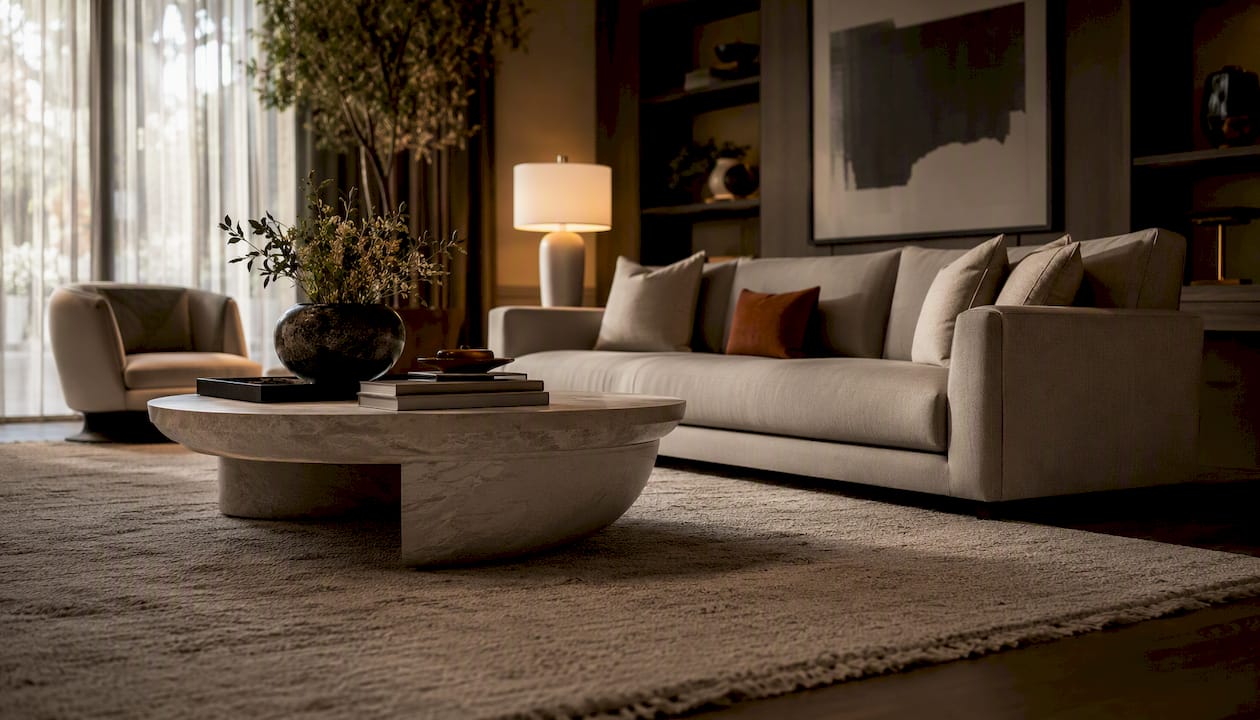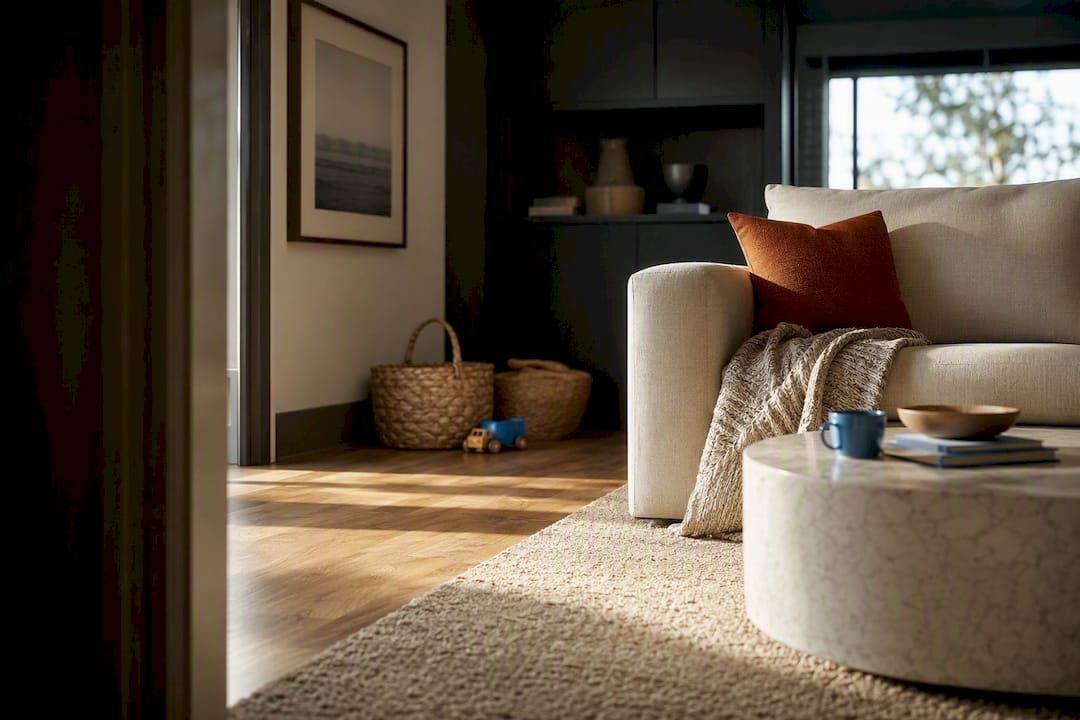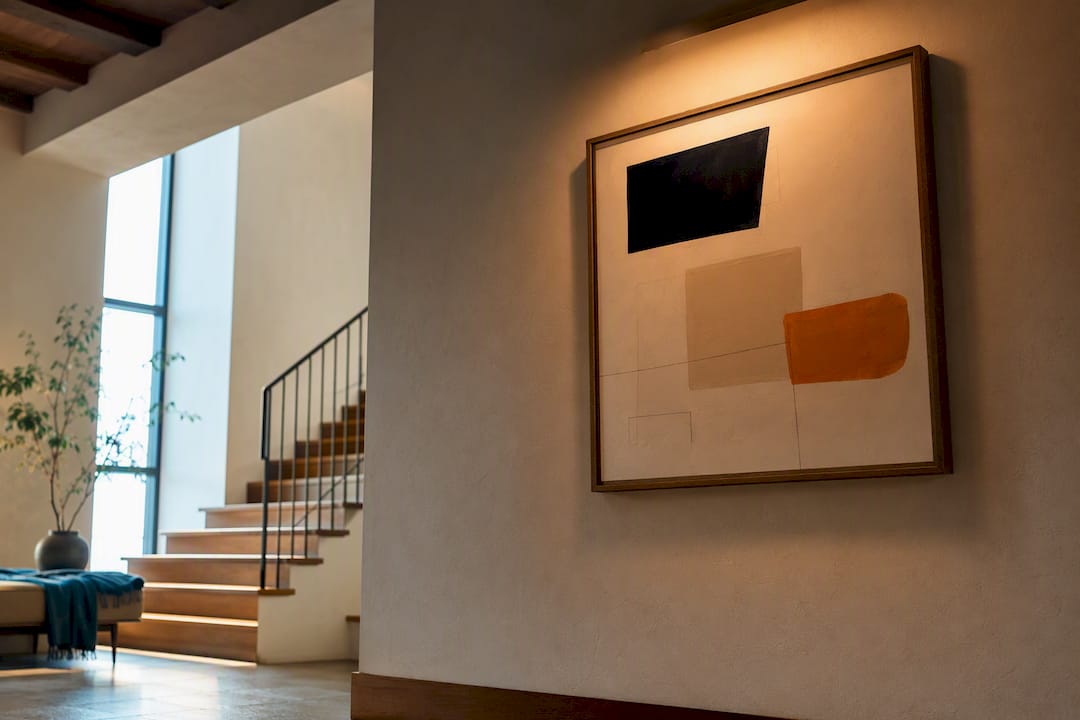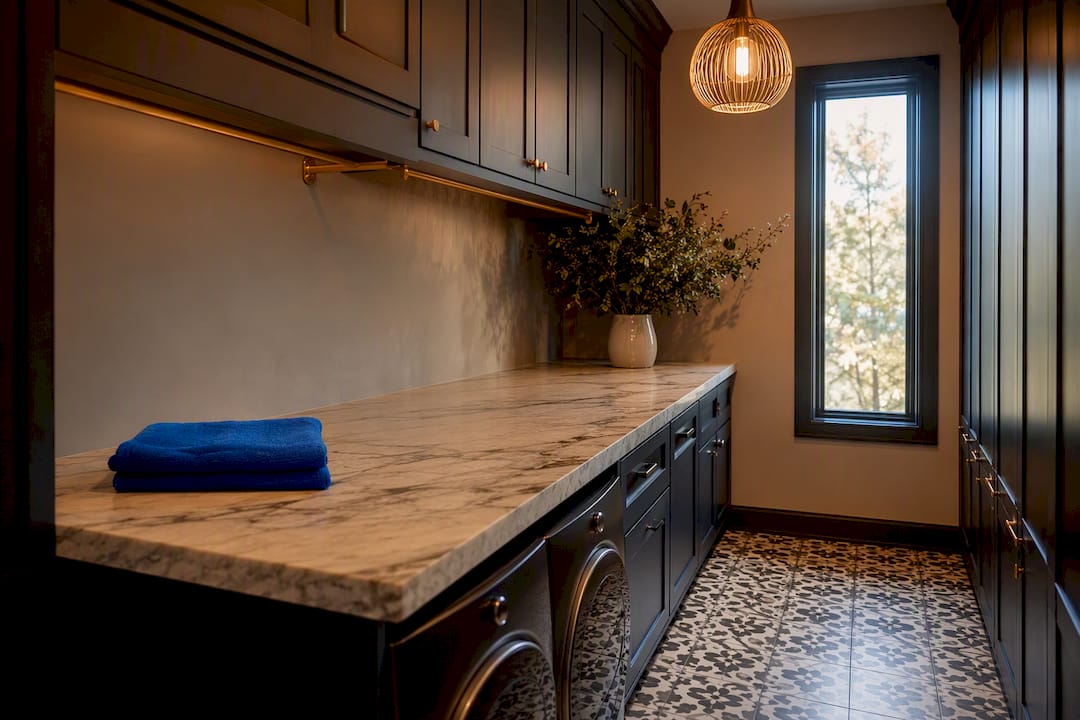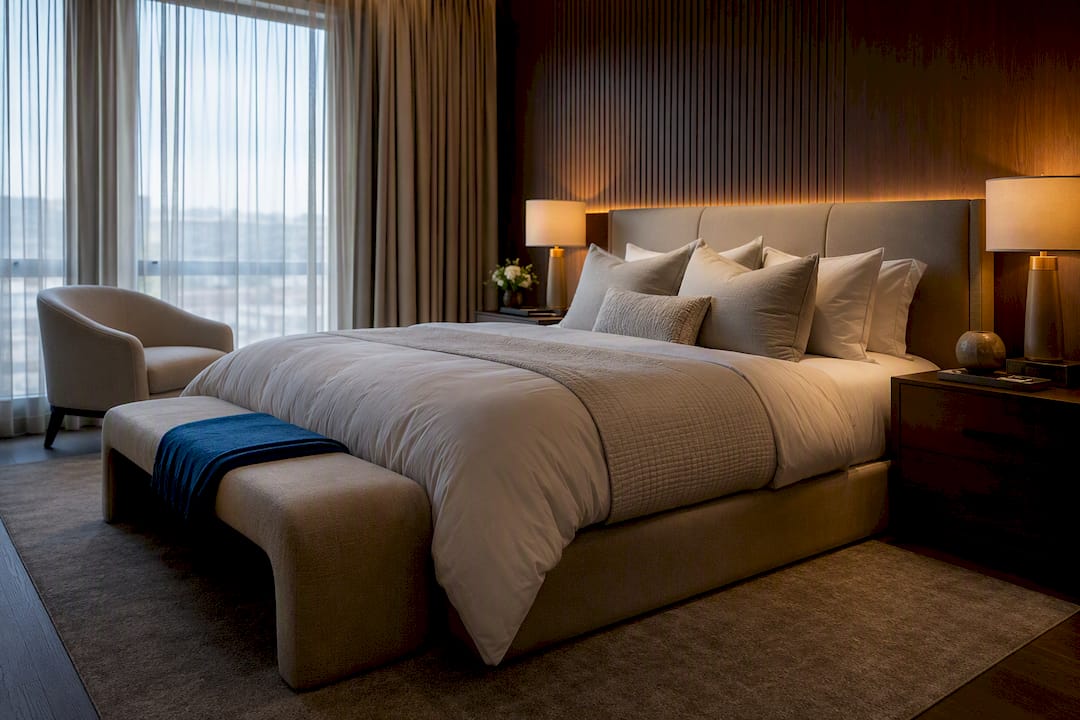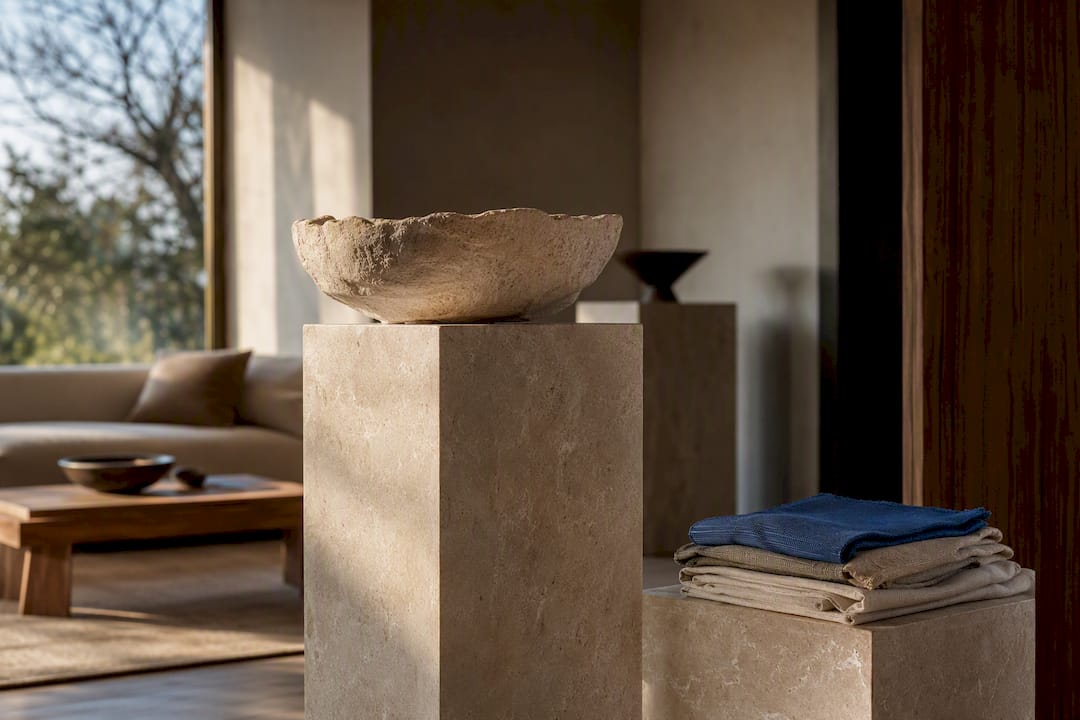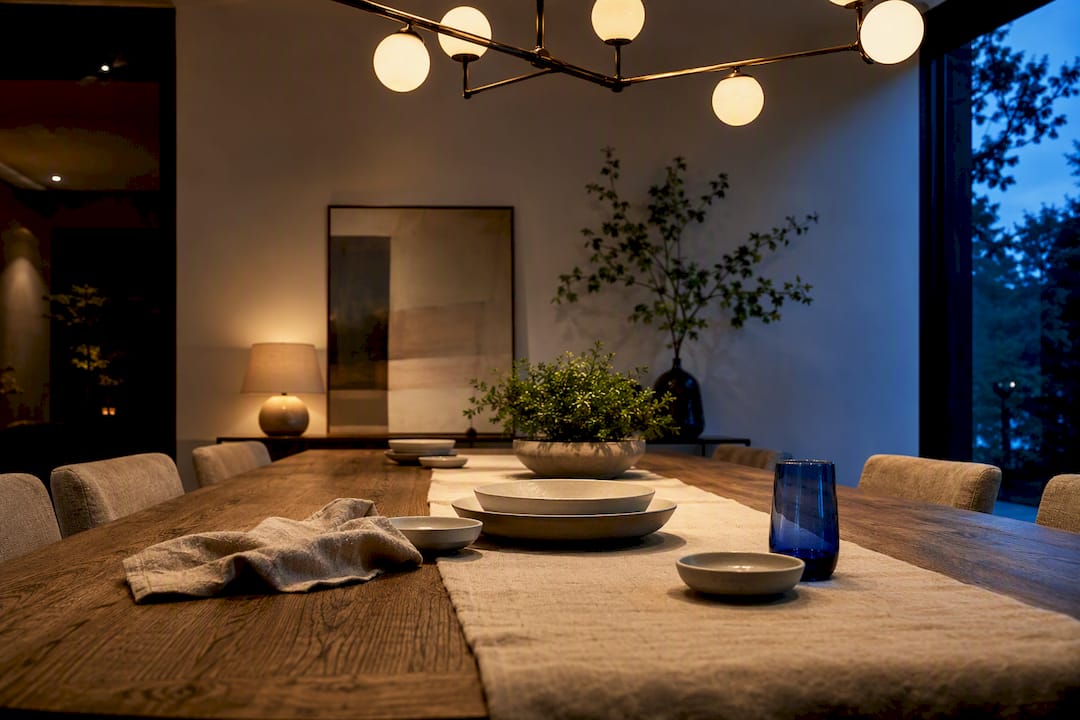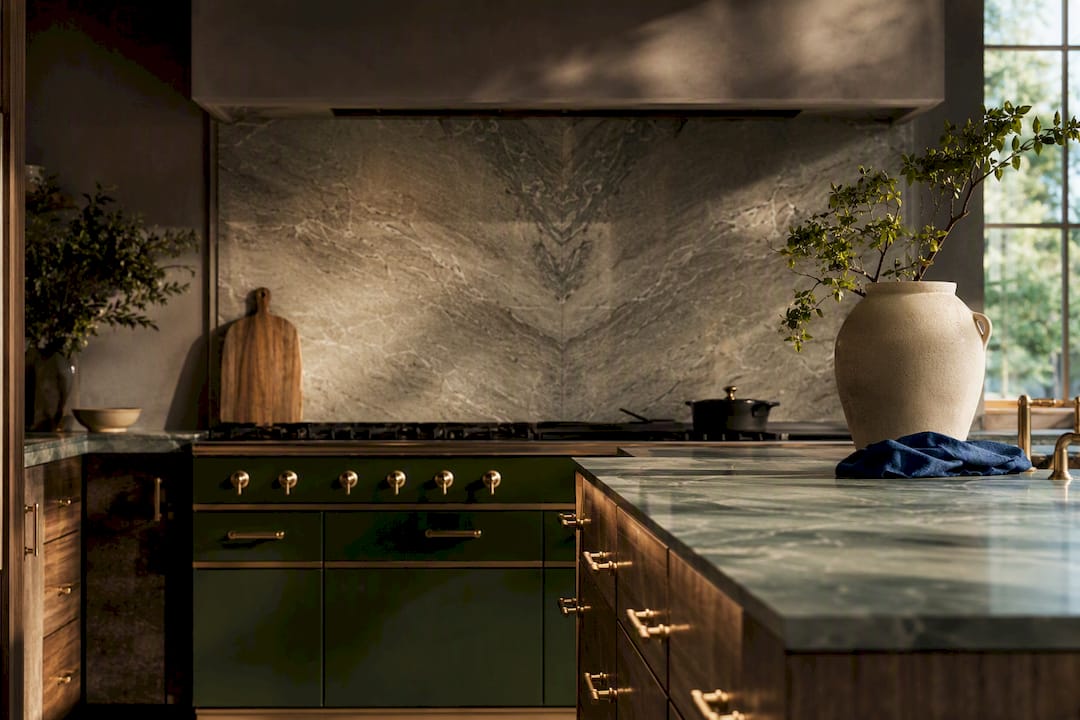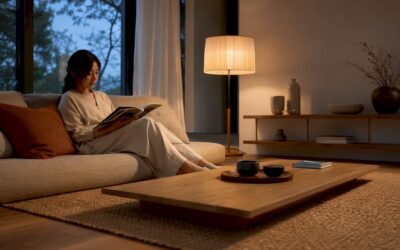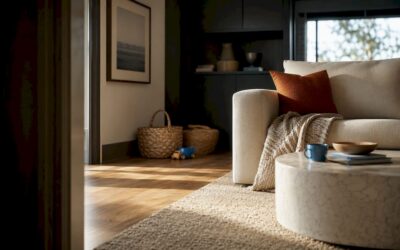
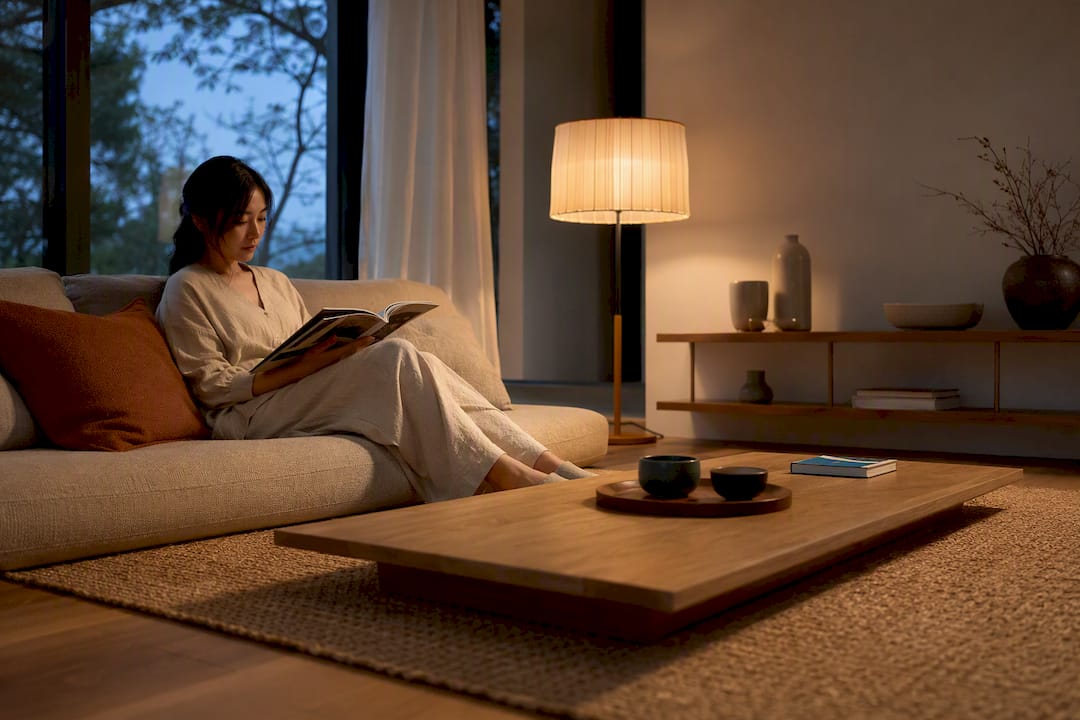
A Japandi living room embodies warm minimalism: neutral, nature-rooted colors, low furniture, layered light, and a handful of handcrafted materials arranged with purposeful breathing room. The style fuses Japanese minimalism with Scandinavian warmth, favoring natural materials and restrained accents over trend-driven decor. Every successful room follows the same core recipe: warm palette, low-slung silhouettes, layered lighting, natural textiles, and a few well-placed plants.
TL;DR:
- Use warm neutrals like beige, greige, and taupe with a single restrained accent color to create a cohesive Japandi palette, avoiding overly cool or busy schemes.
- Select furniture with seat heights between 14 and 17 inches and low coffee tables to achieve authentic scale and maintain the style’s grounded, minimalist silhouette.
- Layer three types of lighting—ambient, task, and accent at around 2700K—to make the room warm, inviting, and well-balanced without relying solely on overhead fixtures.
- Incorporate natural fibers such as wool, jute, linen, and ceramics in textured finishes, and avoid mixing too many surface finishes to preserve the room’s calm and tactile harmony.
- Prioritize sourcing furniture and accessories through curated collections that follow material and color rules, and follow a recommended order—paint, rug, sofa, lighting, then accessories—to build a cohesive Japandi living room.
Table of Contents
- What Makes a Japandi Living Room Work: The Material System
- Which Colors Belong in a Japandi Color Palette?
- How Low Should Japandi Furniture Sit?
- What Lighting Layers Does a Japandi Room Need?
- Which Textiles and Rug Sizes Suit a Japandi Living Room?
- How Do You Style Plants and Accessories in Japandi?
- How Do You Finish the Room Without Cluttering It?
- What Are the Most Common Japandi Mistakes?
- What Should You Buy First for a Japandi Living Room?
- How Do You Keep Natural Materials Looking Their Best?
- An Editor’s View on Japandi Living Rooms
- Where to Find Japandi Pieces That Actually Fit This Style
- Sources
- FAQ
What Makes a Japandi Living Room Work: The Material System
The materials do the emotional work in a Japandi room, more than color or layout ever will. Wood, stone, linen, wool, jute, and ceramics form the primary palette, and each one earns its place by contributing a distinct texture rather than competing for attention.
- Wood: wide plank white oak or light ash, matte finish, no high gloss
- Stone: honed (not polished) surfaces on side tables or plinths
- Linen: loose-weave upholstery and drapery for softness without shine
- Wool: rugs and throws for warmth underfoot and on the sofa
- Jute: woven baskets or floor coverings for grounded texture
- Ceramics: matte, hand-thrown vessels over glossy factory pieces
Mixing too many finishes in one space creates what designers call texture clutter, a room that feels busy despite a quiet color scheme. The fix is complementary grain and finish: pair a matte wood table with a nubby wool throw, not a glossy lacquer piece. Get the material relationships right and the modern organic decor mood follows almost automatically.
Which Colors Belong in a Japandi Color Palette?
Warm whites, sandy beiges, greige, and taupe form the backbone of a Japandi color palette, with charcoal or near-black reserved strictly as a grounding accent. Cool blues and pink-toned neutrals break the effect immediately. Designers recommend testing paint swatches in your own room light before committing, since a shade that reads warm in a showroom can turn gray under north-facing windows, according to Apartment Therapy’s palette guide.
Two working rules keep the palette from feeling flat or chaotic:
- Three-tone rule: limit the room to three core tones (a base neutral, a mid-tone wood shade, and one accent)
- Single-accent rule: choose one restrained color, usually sage or terracotta, and repeat it in two or three spots
Named pairings make this easier to shop for. Oat & Oak works well in living rooms because it keeps warm undertones consistent across walls and furniture, while Charcoal & Cream suits rooms that need more visual weight. Explore Artinlifestyle’s living room color palette guide for more combinations that hold up in real homes, not just photographs.
How Low Should Japandi Furniture Sit?
Furniture height is the detail most homeowners skip, and it’s the one that separates an authentic Japandi living room from a generic minimalist one. A sofa seat height between 14 and 17 inches creates the grounded, close-to-earth silhouette the style is known for, according to Quiet Minimal’s design guide. Standard American sofas often run higher, so measure before you buy.
Coffee tables should sit slightly below the sofa seat height, which keeps sightlines uninterrupted across the room. A low platform table with visible legs reinforces the effect far better than a boxy, skirted one.
Storage matters just as much as seating. Open shelving and low credenzas preserve sightlines, while tall cabinets or stacked bookcases break the horizontal calm the style depends on. When in doubt, choose furniture that lets you see the wall behind it.
What Lighting Layers Does a Japandi Room Need?
A room lit by a single overhead fixture almost always feels cold and unfinished, no matter how good the furniture looks. Japandi interiors rely on three lighting layers working together instead.
- Ambient light: a dimmable overhead or wall wash for general illumination
- Task light: a floor lamp positioned beside the reading chair or sofa arm
- Accent light: a small table lamp or picture light to highlight texture
Bulb temperature matters as much as fixture placement. Aim for roughly 2700K, the warm end of the LED spectrum, paired with matte or natural-finish fixtures rather than chrome or brushed nickel. Layered lighting at this temperature is one of the fastest ways to shift a room from sterile to cozy without touching the furniture at all.
Pro Tip: Place floor lamps so the light pools at seated eye level, not overhead. A pendant hung too high reads institutional; one hung at roughly 30 inches above a side table feels intimate.
Which Textiles and Rug Sizes Suit a Japandi Living Room?
Natural fibers anchor the tactile side of Japandi decor. Wool, jute, and seagrass rugs bring warmth underfoot without the visual noise of busy patterns or synthetic flat-weaves, which tend to look flat under warm lighting.
- Rug sizing: front legs of the sofa and chairs should rest on the rug; all four legs on the rug works in larger rooms
- Proportion: the rug should extend a few inches beyond the seating cluster on every side, not just under the coffee table
- Layering order: rug first, then sofa fabric, then throws, then cushions, so each layer adds texture without repeating the last
This build order matters more than it seems. Choosing furniture before testing rug scale is a common reason Japandi rooms end up feeling either sparse or crowded.
How Do You Style Plants and Accessories in Japandi?
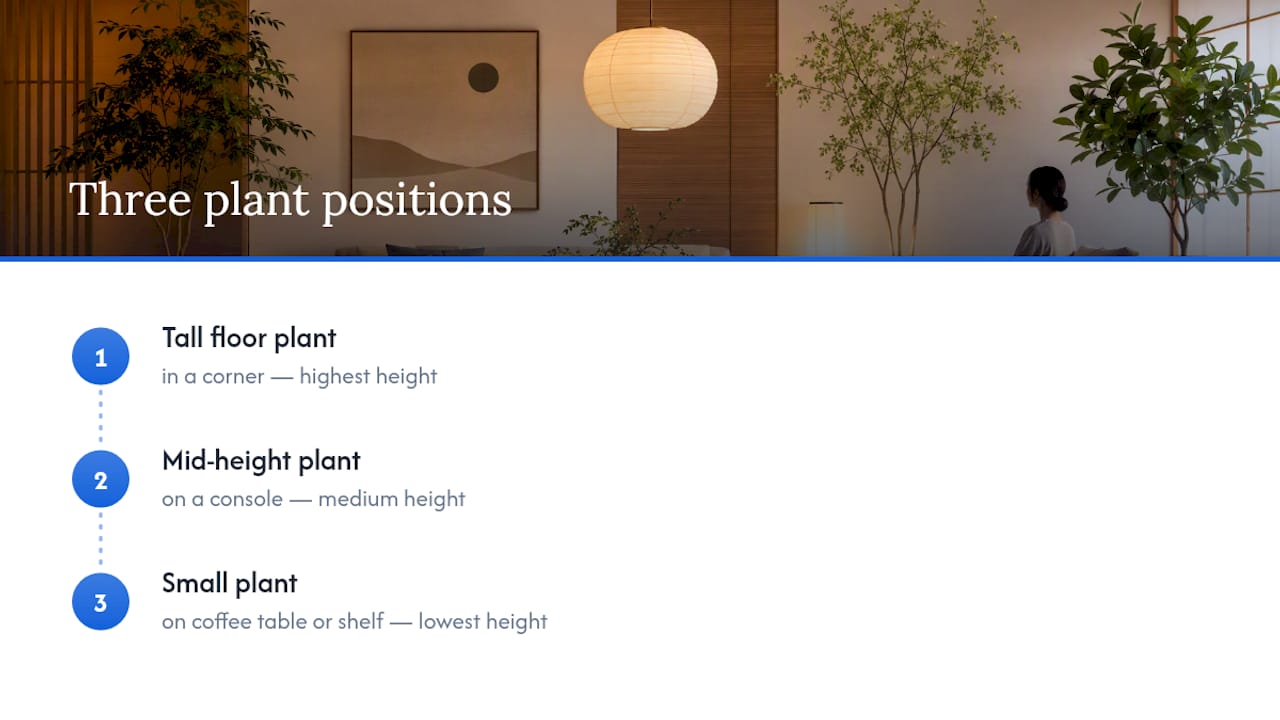
Plants function as material in a Japandi room, not as decoration layered on top of it; for thoughtful plant placement and natural composition, see these helpful articles on Japanese garden design. The most reliable placement method is three positions at three different heights: a tall floor plant in a corner, a mid-height plant on a console, and a small one on the coffee table or shelf.
Stick to plants with sculptural, simple leaf shapes, and pot them in ceramic or stone rather than plastic. Artinlifestyle’s potted house plant guide covers varieties that hold their shape without constant pruning. One or two handmade ceramic pieces, slightly irregular in glaze or form, add the wabi-sabi quality that keeps the room from feeling showroom-perfect.
How Do You Finish the Room Without Cluttering It?
Breathing room is a design choice in Japandi rooms, not an accident of having too little furniture. Fewer, better objects always beat a shelf full of small decor.
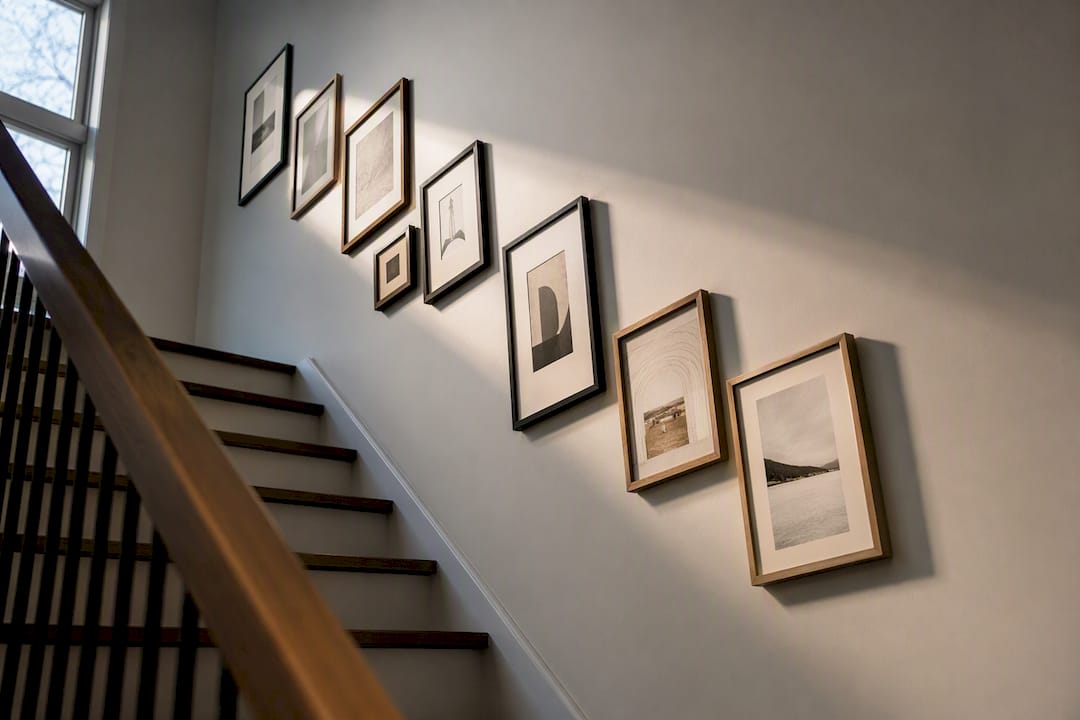
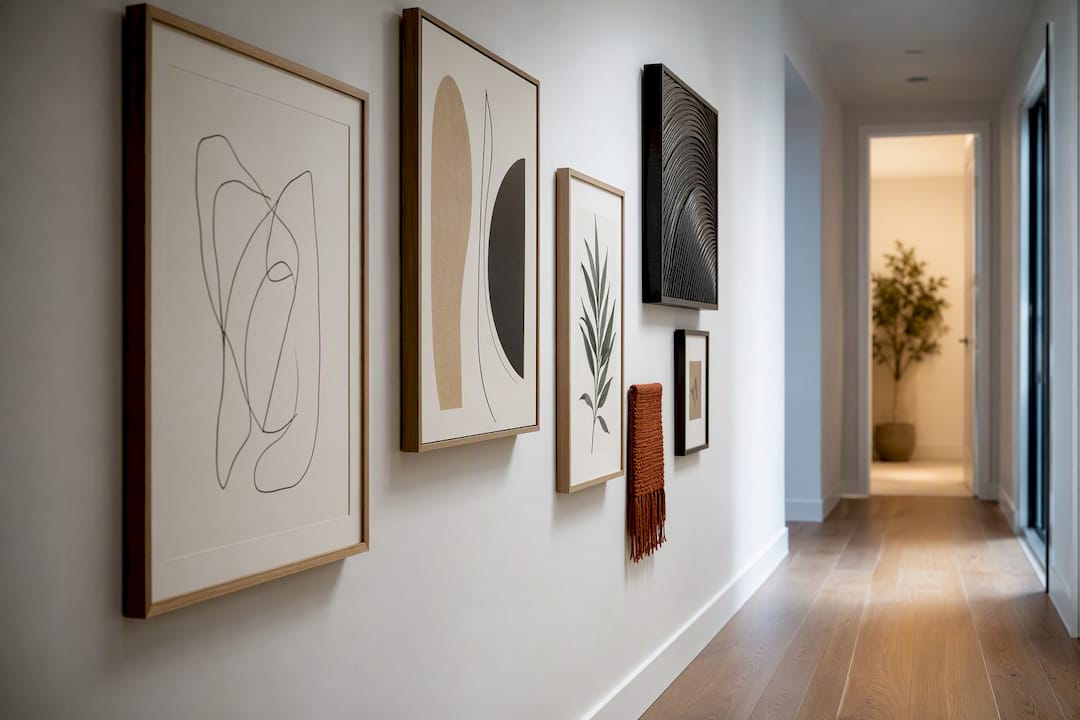
- Hang art at 57 inches to center, measured from the floor to the middle of the piece, and commit to one focal wall rather than scattering frames.
- Edit the coffee table to three objects, a book, a ceramic bowl, and one small plant is a dependable combination.
- Leave visible wood on all sides of the coffee table; nothing should hang over the edges.
- Walk the room and remove one item from every surface that holds more than three things.
A single gallery wall still works in Japandi spaces, provided the frames share a wood tone and the grouping reads as one composition rather than a scattershot collection.
What Are the Most Common Japandi Mistakes?
Most Japandi rooms fail for the same handful of reasons, and every one is fixable without buying new furniture.
- Cool-toned whites: swap for a warm white or greige; test the swatch at night under lamp light, not just daylight
- Too many accent colors: pick one (sage or terracotta) and remove the rest
- High-gloss wood or lacquer: replace with matte or oiled-finish pieces where budget allows
- Sole overhead lighting: add a floor lamp and a table lamp before changing anything else
- Mismatched wood undertones: keep flooring, coffee table, and shelving within the same warm or cool wood family
- Undersized rugs: size up rather than adding a second small rug
What Should You Buy First for a Japandi Living Room?
Sequence matters more than most homeowners expect. Buying a sofa before testing paint color is one of the fastest ways to end up with a room that feels disjointed.
- Paint first. Test two or three warm neutrals in your actual light before buying furniture.
- Rug second. It sets scale for everything else in the room.
- Sofa third. Confirm seat height (14 to 17 inches) before purchase.
- Lighting fourth. Add floor and table lamps at 2700K.
- Coffee table fifth. Choose a height 1 to 3 inches below the sofa seat.
- Accessories last. Ceramics, plants, and art come only after the bones are set.
Splurge on the sofa and rug, since both anchor the room and get the most daily use. Save on accessories like vases and trays, which are easy and inexpensive to swap later. Artinlifestyle’s Store Finds collection is a fast way to source pieces that match these material rules without hunting across a dozen retailers.
Pro Tip: Photograph your empty room in natural light before buying anything. It’s the easiest way to catch a cool undertone in your walls or flooring before it derails the whole palette.
How Do You Keep Natural Materials Looking Their Best?
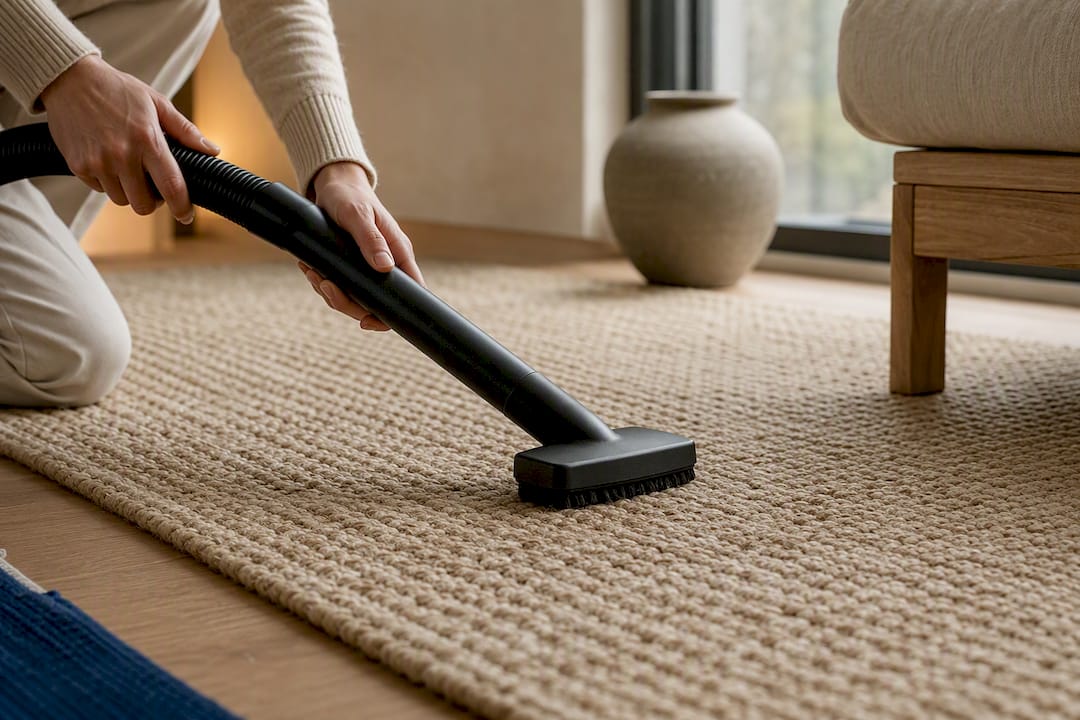
Natural materials reward a little routine care, and skipping it is how a Japandi room starts to look tired within a year. Wool and jute rugs need regular vacuuming on a low-suction setting, since aggressive brush rollers can pull at natural fibers over time. Rotate rugs seasonally if the room gets strong direct sun, which fades wool and seagrass unevenly.
Wood furniture with a matte or oiled finish should be dusted with a dry or slightly damp cloth, never with silicone-based polishes that leave a sheen the style is built to avoid. A light coat of furniture wax once or twice a year keeps oak and ash surfaces from drying out, especially in homes with forced-air heating.
Linen upholstery wrinkles by design, so resist the urge to iron it flat; that texture is part of the look. Spot clean with a mild, unscented soap and let it air dry. Ceramic pieces need nothing more than a soft cloth, but handmade glazes can chip, so keep them away from high-traffic edges.
Jute and seagrass rugs are moisture-sensitive. Keep them away from entryways that see wet shoes or spilled drinks, and blot any spill immediately rather than scrubbing, which can push moisture deeper into the fibers. Treat these materials the way you would a favorite wool sweater: gentle, infrequent, and never rushed.
An Editor’s View on Japandi Living Rooms
Most guides treat Japandi as a color palette. It isn’t. It’s a set of measurable decisions, seat height, bulb temperature, rug proportion, that either hold together or quietly fall apart. Get the materials and measurements right first, and the styling almost takes care of itself. For deeper dives, see Artinlifestyle’s guides on living room color palettes, potted plants, and wabi-sabi styling.
— Nealda
Where to Find Japandi Pieces That Actually Fit This Style
Sourcing the right ceramics, linen textiles, and low-profile accessories takes real hunting, since most retailers mix Japandi pieces in with a dozen unrelated styles. Artinlifestyle’s Store Finds collection solves that by curating picks that already match the material and color rules covered above, warm neutrals, matte finishes, and natural fiber textiles, so you’re not sorting through cool-toned whites or glossy resin dupes to find what works.

Some selections in curated store finds may be affiliate links, meaning the site may earn a small commission if you purchase through them, at no extra cost to you. If you want a coffee table with the right proportions and visible wood grain, the Roger Capron vintage-style coffee table is worth a look, and browsing the full Store Finds shop is the quickest way to find textiles and ceramics that won’t clash with the palette you’ve already chosen.
Sources
- Japandi Living Rooms You’ll Love – The Spruce
- Japandi colour palette: 8 combinations and how to use them – Apartment Therapy
- How to design a modern Japandi living room: A step-by-step guide – Quiet Minimal
- Japandi Colour Palette: 5 Combinations & Wall Colours | Calm & Oak
FAQ
What Is a Japandi Style Living Room?
A Japandi living room blends Japanese minimalism with Scandinavian warmth, using neutral colors, natural materials like wood and linen, and low-profile furniture arranged with deliberate open space.
What Are Common Japandi Decor Mistakes?
The most frequent errors are cool-toned whites, too many accent colors, high-gloss wood finishes, and relying on a single overhead light instead of layered lighting.
Is Japandi Still in Style?
Yes. Japandi’s emphasis on warm neutrals, natural materials, and calm layouts remains a steady design direction, with retailers like IKEA continuing to build curated collections around it.
What Colors Work Best in a Japandi Living Room?
Warm whites, sandy beiges, greige, and taupe form the base, with charcoal or a single restrained accent color like sage or terracotta added sparingly. Artinlifestyle’s Store Finds collection groups pieces by these same warm, muted tones for easy shopping.