Five fairs anchor the U.S. art calendar this year, and each rewards a different kind of collector. Art Basel Miami Beach is the destination for blue-chip contemporary works and international gallery power. Art Miami turns Miami Week into a multi-fair discovery trip alongside CONTEXT and Aqua Art Miami. TEFAF New York brings dealer-level connoisseurship to the Park Avenue Armory. Art Fair Tampa offers free admission to a large, curated roster of working artists. Ann Arbor Art Fair is the country’s great outdoor, artist-juried event, drawing crowds every summer.
- Art Basel Miami Beach: best for high-end contemporary collecting, early December, VIP preview typical.
- Art Miami: best for Miami’s multi-fair discovery week, early December, VIP preview nights.
- TEFAF New York: best for dealer-driven programming and expert talks, held in spring at the Armory.
- Art Fair Tampa: best for a large, free, juried show, held in mid October.
- Ann Arbor Art Fair: best for outdoor, artist-juried browsing, held in July.
Key Takeaways
Choosing the right U.S. art fair comes down to matching your collecting goal, whether high-end acquisition, emerging-artist discovery, or casual browsing, to the correct fair format and budgeting for costs beyond the ticket price.
| Point | Details |
|---|---|
| Match fair to goal | Gallery-driven fairs like Art Basel Miami Beach suit serious acquisitions; juried fairs like Ann Arbor suit discovery. |
| Budget beyond admission | Factor in travel, framing, shipping, and insurance, not just the ticket or booth fee. |
| Use VIP previews wisely | Preview days offer quieter viewing and direct dealer conversation, valuable for first-time buyers. |
| Pair fairs with museums | Visiting the Whitney Biennial or PAFA’s exhibition alongside fair week adds historical context. |
| Get hands-on help | Artinlifestyle’s Art Concierge supports sourcing and acquisition for collectors who want direct assistance. |
Ready to skip the guesswork? Art Concierge connects you with personalized sourcing and acquisition support, whether you’re chasing a piece from Miami Week or want help vetting a purchase before it ships. Once your new artwork arrives home, our gallery wall ideas guide can help you decide where it belongs.
Table of Contents
- What Are the Top Art Fairs in the USA Right Now?
- Which Art Fair Fits Your Collecting Goals?
- How to Plan Your Art Fair Visit
- What to Know Before Buying Art at a Fair
- How Art in Lifestyle Helps Collectors Navigate Fair Season
- How Did Art Fairs Become a Fixture in the USA?
- How Do Art Fairs Move the Local Economy?
- How Can Artists and Galleries Get Into a Fair?
- Are Online and Hybrid Art Fairs Worth Attending?
- Where to Find Official Fair and Museum Details
- Why the Biggest Fair Isn’t Always the Right One
- Sources
What Are the Top Art Fairs in the USA Right Now?
Each of these fairs occupies a distinct niche, and knowing the difference before you book a flight or buy a ticket saves both money and disappointment.
-
Art Basel Miami Beach. Held in early December, this is the country’s marquee international art fair, packed with galleries from Europe, Asia, and the Americas showing major contemporary and modern works. It anchors Miami Art Week, the broader citywide push of exhibitions, parties, and satellite fairs that transforms South Florida for one loud week. Expect serious price tags and serious sales, plus a VIP preview day that draws collectors, advisors, and museum curators ahead of general admission.
-
Art Miami. Running concurrently on the waterfront, Art Miami hosts VIP preview nights and sits alongside sister fairs CONTEXT and Aqua Art Miami, giving visitors a full spectrum from established names to emerging talent under one loosely organized umbrella. This pairing is what makes Miami Week function less like a single event and more like an art market convention spread across several venues.
-
TEFAF New York. Held at the Park Avenue Armory, TEFAF New York features more than 90 internationally renowned dealers and leans hard into scholarship. Its talks program is built to connect collectors directly with specialists, making it a fair where conversation matters as much as the walls.
-
Art Fair Tampa. This regional standout runs October 15 through 18 in 2026, bringing together more than 300 curated artists with an expected 20,000-plus visitors, all under free admission. It proves a fair does not need a velvet rope to deliver quality.
-
Ann Arbor Art Fair. A summer institution, this artist-juried street fair draws nearly 500,000 visitors over three days, spread across a downtown transformed into open-air galleries.
Pair any of these with museum programming happening the same season. The Whitney Biennial and PAFA’s A Nation of Artists exhibition both run through the 2026 to 2027 window, and curators specifically recommend visiting them alongside fair week to understand where current trends sit within a longer historical arc.
Which Art Fair Fits Your Collecting Goals?
Not every fair suits every collector, and matching your goal to the right event format matters more than chasing the biggest name on the calendar.
- Building a serious contemporary collection? Prioritize gallery-driven fairs like Art Basel Miami Beach or TEFAF New York, where exhibitor rosters are vetted and provenance tends to be airtight.
- Hunting for emerging artists at accessible prices? Juried street fairs like Ann Arbor or curated regional shows like Art Fair Tampa put hundreds of working artists in front of you without gallery markups.
- Want a taste of everything in one trip? Art Miami’s pairing with CONTEXT and Aqua gives you blue-chip, mid-market, and experimental work within walking distance of each other.
Before committing time or airfare, check the exhibitor list, confirm whether a VIP preview is available, and look at the talks or panel schedule. A fair with strong curatorial programming, like TEFAF’s expert-led sessions, often signals a more substantive weekend than one built purely around booth sales.
Pro Tip: If budget or time only allows one trip, spend it on a major fair week during peak season rather than splitting your visit across two smaller regional shows. You’ll cover more ground, meet more dealers, and see more range in a single dense weekend.
How to Plan Your Art Fair Visit
- Understand VIP previews. These early access days exist for collectors, advisors, and curators who want quieter viewing conditions and first pick before general admission opens. They also open the door to unhurried conversations with dealers.
- Know your admission type. Major international fairs typically charge tiered admission, while Art Fair Tampa remains free to the public, a rarity worth building a trip around if budget is tight.
- Budget beyond the ticket. Factor in travel, hotel, framing, shipping, and insurance if you plan to buy. A modest painting can cost more to ship and frame than it did to acquire.
- Time it right. Preview days are calmer; weekend afternoons at large fairs get crowded fast. Budget at least half a day per major fair and a full day if you’re navigating a multi-fair week like Miami’s.
Ann Arbor alone draws close to 500,000 visitors over its three days, which tells you exactly why arriving early in the morning matters if you want unhurried time with individual booths.
What to Know Before Buying Art at a Fair
Buying at a fair moves faster than buying through a gallery back room, and knowing the mechanics ahead of time keeps you from overpaying or missing paperwork.
- Payment and holds. Most dealers accept a deposit to reserve a piece, usually refundable within a short window, with final payment due before shipping.
- Ask provenance questions directly. Where has the piece been shown, who owned it previously, and does it come with a signed certificate of authenticity or invoice?
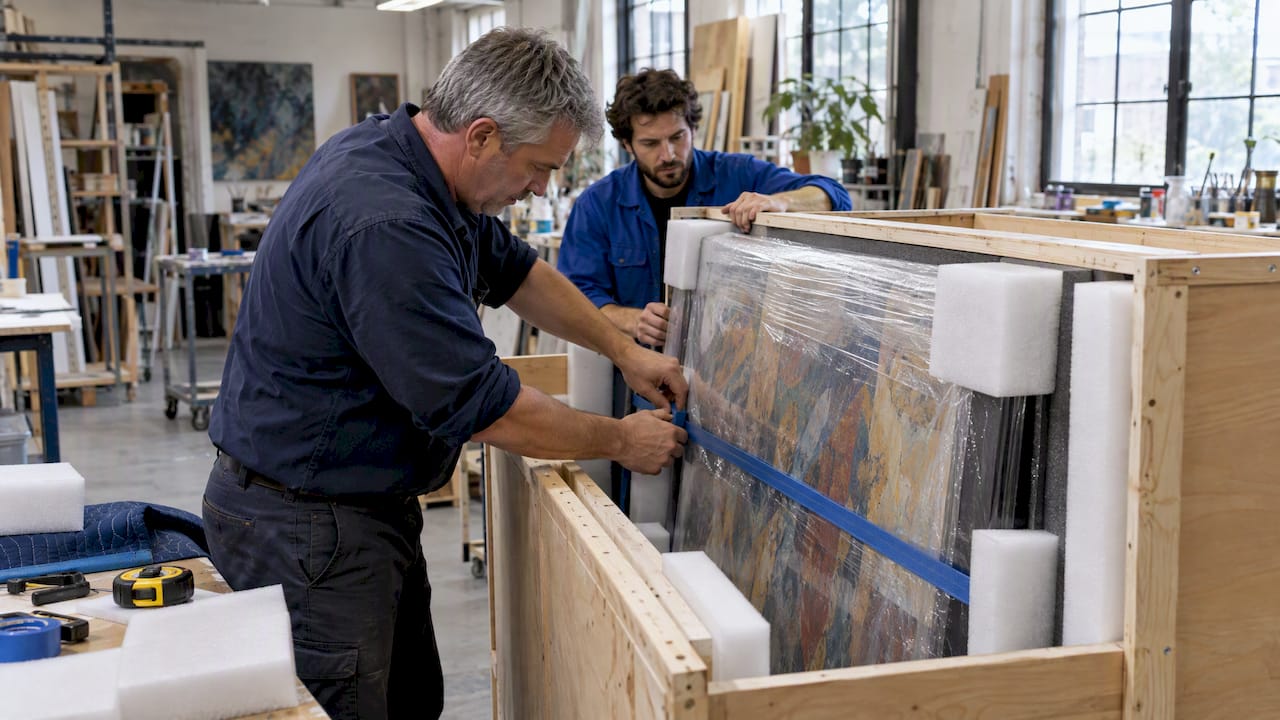
- Confirm shipping costs upfront. Larger works, especially anything requiring crating, can add hundreds of dollars beyond the sale price, and timelines vary by dealer.
- Insure anything significant. A high-value purchase should be added to a homeowner’s policy or a dedicated fine art rider before it leaves the fair.
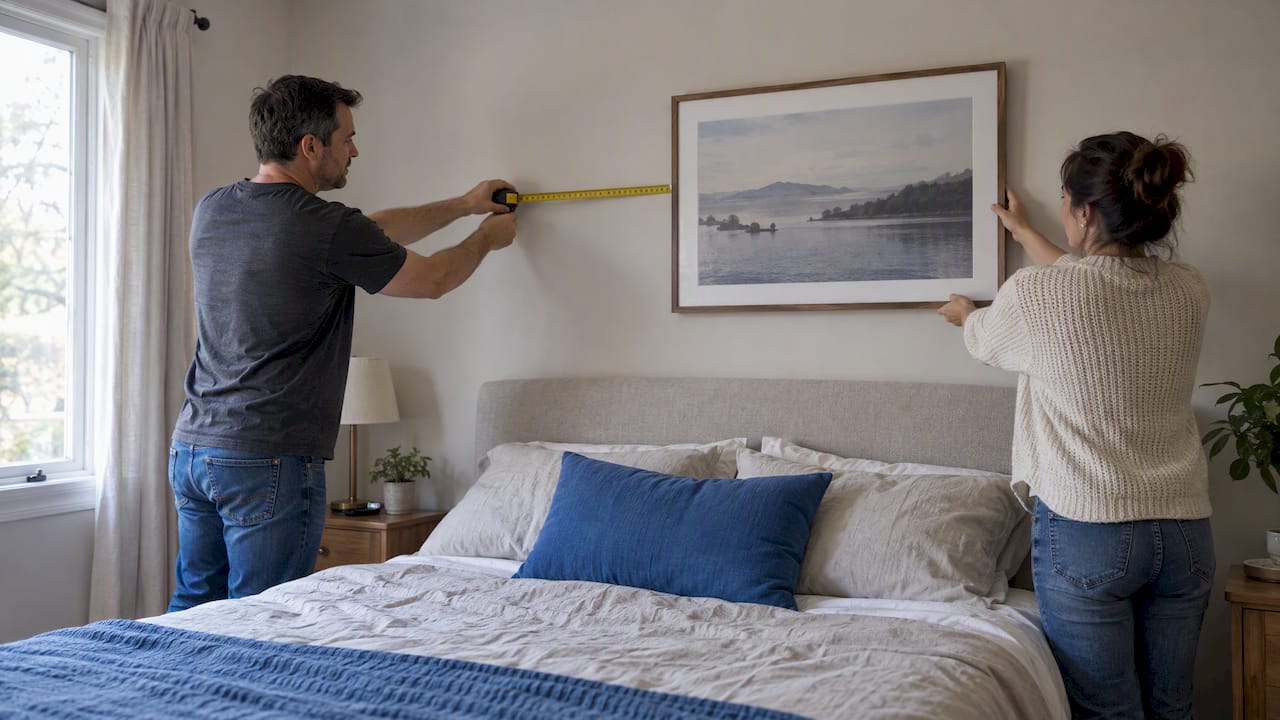
- Plan the wall before you buy. Measure your space in advance so framing and installation go smoothly once the piece arrives home.
Pro Tip: Photograph the dealer’s booth signage and business card the moment you decide to buy. Between fair chaos and a dozen conversations, it’s easy to lose track of exactly which gallery sold you what.
Once the piece is home, framing and placement decide whether it actually elevates a room. Our living room styling guide walks through practical installation choices for exactly this moment.
How Art in Lifestyle Helps Collectors Navigate Fair Season
Artinlifestyle covers the design and art calendar closely, including hands-on reporting from events like NYC Design Week, and curates buying advice for collectors at every level.
- Fair season coverage: ongoing features on major events, museum tie-ins, and emerging artist trends worth tracking.
- Curated buying guides: practical advice on evaluating pieces, from established names to rising talents like the artists profiled in our Frank Stella collecting guide.
- Art Concierge access: direct, personalized help for readers who want sourcing or acquisition support without navigating a fair floor solo.
If reading about five major fairs sounds appealing but attending them in person does not fit your schedule, that’s a real gap Artinlifestyle’s resources are built to close.
How Did Art Fairs Become a Fixture in the USA?
American art fairs trace back to modest outdoor exhibitions in the mid twentieth century, when local artist collectives began setting up temporary displays in college towns and city squares. Ann Arbor’s fair, which started in the 1960s, is one of the direct descendants of that grassroots model, built by and for working artists rather than galleries.
The fair model shifted dramatically once European convention-style events proved a gallery-driven format could work at scale. Miami became the American proving ground for that model starting in the mid 2000s, when Art Basel’s Swiss organizers launched a Miami Beach edition and effectively imported the international fair circuit to U.S. soil. Within a few years, satellite fairs like Art Miami, CONTEXT, and Aqua sprang up around it, turning a single event into an entire week of citywide programming.
TEFAF’s arrival in New York extended that European lineage further, bringing a fair rooted in fine art and antiques connoisseurship to the Park Avenue Armory. Meanwhile, regional juried fairs like Art Fair Tampa kept the older, more democratic model alive, proving that free, artist-forward events still have a place alongside billion-dollar gallery weeks. Today’s calendar reflects both lineages running in parallel, one built on curated dealer commerce, the other on open access and community discovery.
How Do Art Fairs Move the Local Economy?
Art fairs function as economic engines for the cities that host them, not just showcases for collectors. Miami Art Week fills hotels, restaurants, and rideshare demand across an entire week, with spillover benefiting neighborhoods well outside the fair venues themselves. Local galleries often report their strongest sales period of the year during fair week, riding the wave of visiting collectors and press attention.
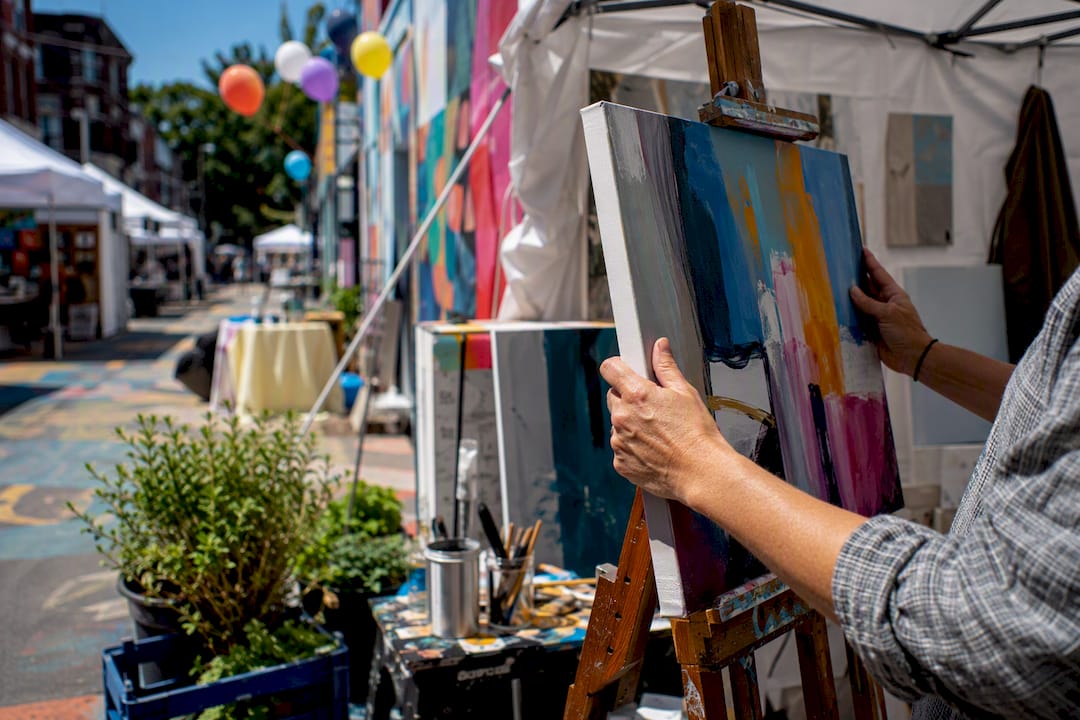
Regional fairs carry a smaller but still meaningful footprint. Ann Arbor’s three-day event, drawing close to 500,000 visitors, turns downtown into a temporary retail district that benefits everything from coffee shops to parking garages. Art Fair Tampa’s free model works differently: by removing the ticket barrier, it widens the buyer pool to include first-time collectors who might never pay for a Miami-caliber VIP pass but will happily spend a few hundred dollars on a piece from an emerging artist they discover in person.
For working artists, fairs represent direct sales channels that bypass gallery commission structures entirely. A juried fair slot can generate a meaningful chunk of an artist’s annual income in a single weekend, particularly at high-traffic events. That direct-to-collector dynamic is part of why juried fairs remain financially vital even as the gallery-driven model dominates headlines. The two systems support different parts of the market, and both keep money circulating through studios, framers, shippers, and host cities alike.
How Can Artists and Galleries Get Into a Fair?
Getting a booth at a major fair is competitive, and the application process rewards preparation over enthusiasm alone.
For artists eyeing juried fairs like Ann Arbor or Art Fair Tampa, the process usually starts months in advance with a digital portfolio submission reviewed by a jury panel. Strong, consistent photography of finished work matters more than an artist statement. Juries look for a coherent body of work, not a scattered sampler, so submit pieces that show range within a clear style rather than five unrelated experiments.
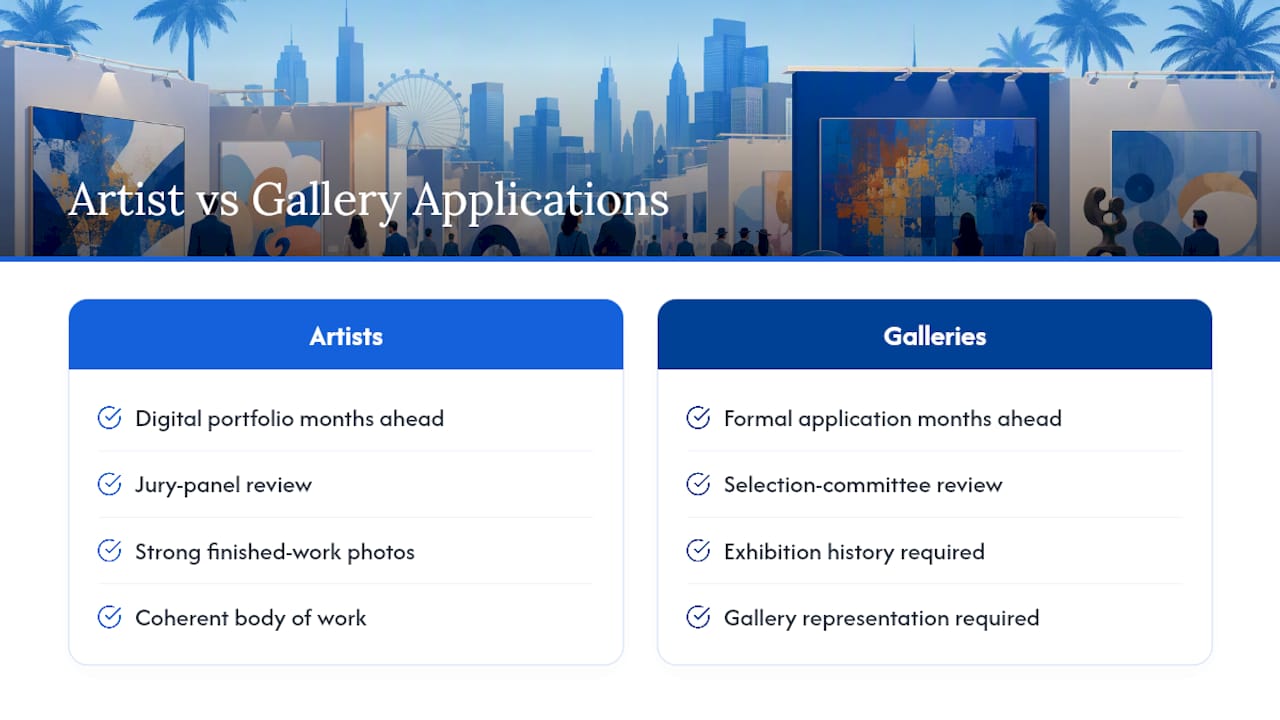
For galleries targeting fairs like Art Basel Miami Beach or TEFAF New York, the application process is steeper and typically requires an established exhibition history, gallery representation credentials, and a proposed booth concept reviewed by a selection committee. These fairs curate heavily to protect their reputation, so first-time applicants often start with smaller satellite fairs, like Aqua or CONTEXT during Miami Week, to build a track record before applying to the flagship event.
Booth costs vary enormously by fair tier, from a few hundred dollars for a juried street fair space to five and six figure investments for prime real estate at an international fair. Both artists and galleries should budget for shipping, insurance, and staffing on top of the booth fee itself, since those costs often rival the entry fee.
Are Online and Hybrid Art Fairs Worth Attending?
Online and hybrid fair formats, accelerated by the pandemic years, have become a permanent fixture rather than a temporary workaround. Many major fairs now run companion online viewing rooms that open before or during the physical event, letting collectors browse and inquire on pieces before or without traveling.
The appeal for collectors is straightforward: a viewing room lets you scout inventory ahead of a VIP preview, so you arrive knowing exactly which booths to prioritize. For galleries, online formats extend reach to buyers who will never make it to Miami or New York but still want access to the same roster of work.
Hybrid formats do have real limits. Texture, scale, and color shift on screen in ways that matter enormously for painting and sculpture, and the in-person conversation with a dealer, the kind that surfaces provenance details or framing recommendations, doesn’t translate well to a chat window. Most serious collectors treat online viewing rooms as a research tool rather than a substitute for standing in front of the work. If you’re weighing a purchase remotely, ask for detailed condition photos and video walk-arounds before committing to anything beyond a modest deposit.
Where to Find Official Fair and Museum Details
For exact dates, ticket tiers, and exhibitor lists, go straight to the source rather than relying on secondhand recaps.
- Art Basel Miami Beach official fair page
- Art Miami and its Miami Week partner fairs
- TEFAF New York exhibitor and programming details
- Art Fair Tampa admission and artist roster
- Ann Arbor Art Fair dates and vendor map
- Whitney Biennial 2026 exhibition details
- For local, smaller-scale events, ExperienceByLocals’ guide to finding art events is a useful starting point.
Why the Biggest Fair Isn’t Always the Right One
The conventional advice tells you to hit the biggest name on the calendar, book a Miami Week trip, and call it a collecting strategy. That advice undersells what regional and juried fairs actually offer. Art Fair Tampa’s free admission and 300-plus curated artists deliver more genuine discovery per hour spent than fighting Miami Week crowds for a glimpse of a booth you can’t afford anyway.
The pairing with museum programming gets underrated too. Visiting the Whitney Biennial or PAFA’s exhibition in the same season as a fair trip sharpens your eye in ways a booth walk-through alone never will, since it shows you where current work sits against a longer trajectory.
Prioritize clarity about your own goal first. Are you hunting a serious acquisition, or are you building an eye for what’s coming next? That answer decides whether Art Basel or Ann Arbor deserves your time this year, not the size of the marketing budget behind either event.
— Nealda