Miami Art Week 2026 runs November 30 through December 6, anchored by Art Basel Miami Beach at the Miami Beach Convention Center. The citywide festival spans more than 20 fairs and over 1,200 galleries, so no single visitor sees all of it, and no single visitor should try. Your first move: pull up the official event map or lock in tickets to your priority fair before hotel rooms and shuttle slots disappear.
- Dates: November 30 to December 6, 2026
- Anchor fair: Art Basel Miami Beach
- Scale: 20+ fairs, 1,200+ galleries citywide
- First step: Check the official Miami Art Week event map and buy tickets early
Key Takeaways
Miami Art Week 2026 rewards a focused plan built around one marquee fair, one satellite fair, and free public art rather than an attempt to see the entire citywide circuit.
| Point | Details |
|---|---|
| Confirm the dates first | Miami Art Week runs November 30 to December 6, 2026, anchored by Art Basel Miami Beach. |
| Pick one marquee fair | Art Basel, Art Miami, or Design Miami each suit a different kind of visitor; buying tickets for all three rarely pays off. |
| Book lodging and dinners early | Miami Beach hotels and top restaurants near the Convention Center sell out weeks ahead of Art Week. |
| Use official shuttles and trolleys | Free Miami Beach trolleys and event shuttles reduce reliance on surge-priced ride-share during peak hours. |
| Consider curated planning help | An Art Concierge itinerary can replace hours of research with a plan matched to your specific art interests. |
Table of Contents
- What Is Miami Art Week, Exactly?
- Which Fairs Should You Actually Buy Tickets For?
- Where Do the Satellite Fairs and Neighborhoods Fit In?
- How Do You Get Around and Where Should You Stay?
- What Does a One-Day or Three-Day Visit Look Like?
- Where Should You Eat and Go Out During Art Week?
- Is Miami Art Week Safe, and What Should You Know About Health Precautions?
- How Do You Meet Local Artists and Galleries Outside the Big Fairs?
- What Should First-Time Attendees Know Before Going?
- Plan Your Visit With Artinlifestyle’s Art Concierge
- What Actually Matters Once the Booths Come Down
- Frequently Asked Questions
- Sources
What Is Miami Art Week, Exactly?
Art Basel Miami Beach launched in 2002 as an American outpost of the Swiss original, and it quickly turned the first week of December into the art world’s winter migration. Satellite fairs followed within a few years, filling warehouses and hotel ballrooms with work priced for collectors who never make it inside the convention center. Two decades later, the official Miami Art Week platform coordinates that sprawl under one umbrella, folding in newer programming like arteNXT, photoMIAMI, and the ARTWEEK Miami Media Festival alongside the traditional fair circuit.
The week concentrates around a few geographic poles:
- Miami Beach — the Convention Center and the Collins Avenue hotel corridor, home to Art Basel and Aqua Art Miami.
- Wynwood and Mana Wynwood — the warehouse district for satellite fairs and street art.
- Coral Gables and Coconut Grove — smaller, gallery-driven programming with a quieter pace.
Each pole has its own rhythm, and understanding that geography matters more than memorizing every fair’s name.
Which Fairs Should You Actually Buy Tickets For?
Five fairs dominate the ticketed circuit, and each rewards a different kind of visitor.
- Art Basel Miami Beach takes place at the Miami Beach Convention Center, with private preview days ahead of public days running December 4 through 6, 2026. Expect blue-chip galleries, museum-caliber installations, and the highest ticket demand of the week.
- Art Miami runs December 1 through 6 at the Art Miami Pavilion on One Herald Plaza, with its own VIP preview ahead of public hours. It leans more collector-focused and accessible than Basel, with a broader price range across modern and contemporary work.
- Design Miami sits adjacent to Basel and covers collectible design, furniture, and functional objects as fine art. It’s the pick for readers more interested in interiors than paintings.
- CONTEXT operates as a mid-market complement to Art Miami, spotlighting emerging and mid-career galleries at accessible price points.
- Aqua Art Miami takes over the Aqua Hotel on Collins Avenue with an intimate, boutique-hotel format that suits visitors who find convention-center scale exhausting.
Every fair splits access into preview/VIP days and public days, and public tickets cost far less. Trying to hit all five in one trip usually backfires. Picking one marquee fair and pairing it with a satellite show or two tends to produce a better day than a rushed sprint across the entire circuit.
Where Do the Satellite Fairs and Neighborhoods Fit In?
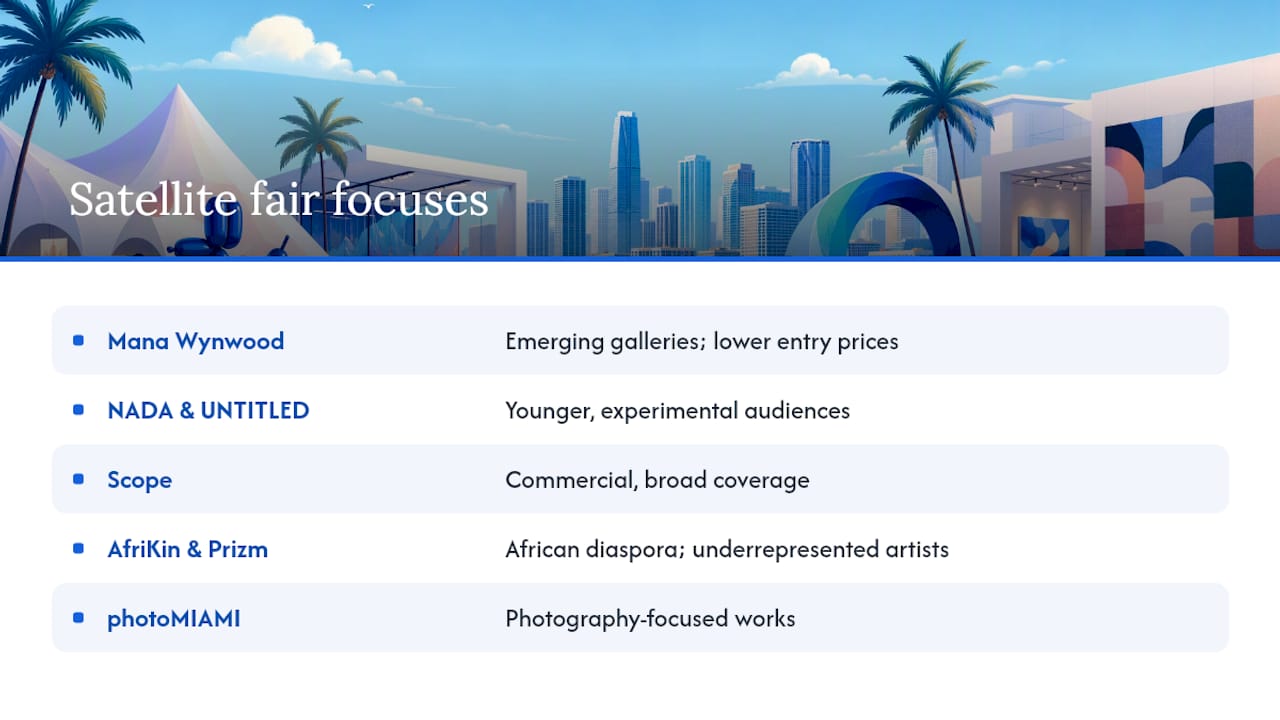
Satellite fairs are where Miami Art Week gets more affordable and, often, more interesting. Mana Wynwood hosts Red Dot and Spectrum, two fairs built around emerging galleries and lower entry prices than the flagship shows. NADA and UNTITLED Art draw a younger, more experimental crowd, while Scope leans commercial and broad in scope. AfriKin and Prizm spotlight African diaspora and underrepresented artists, typically based in Wynwood or North Miami, and photoMIAMI focuses specifically on photography-based work.
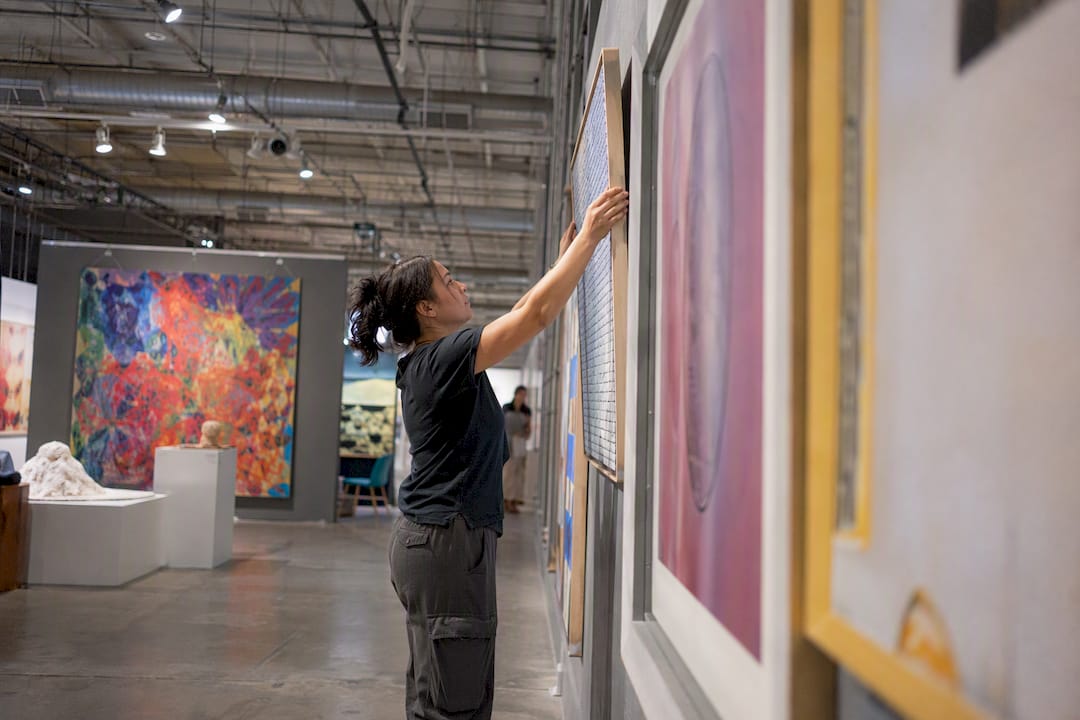
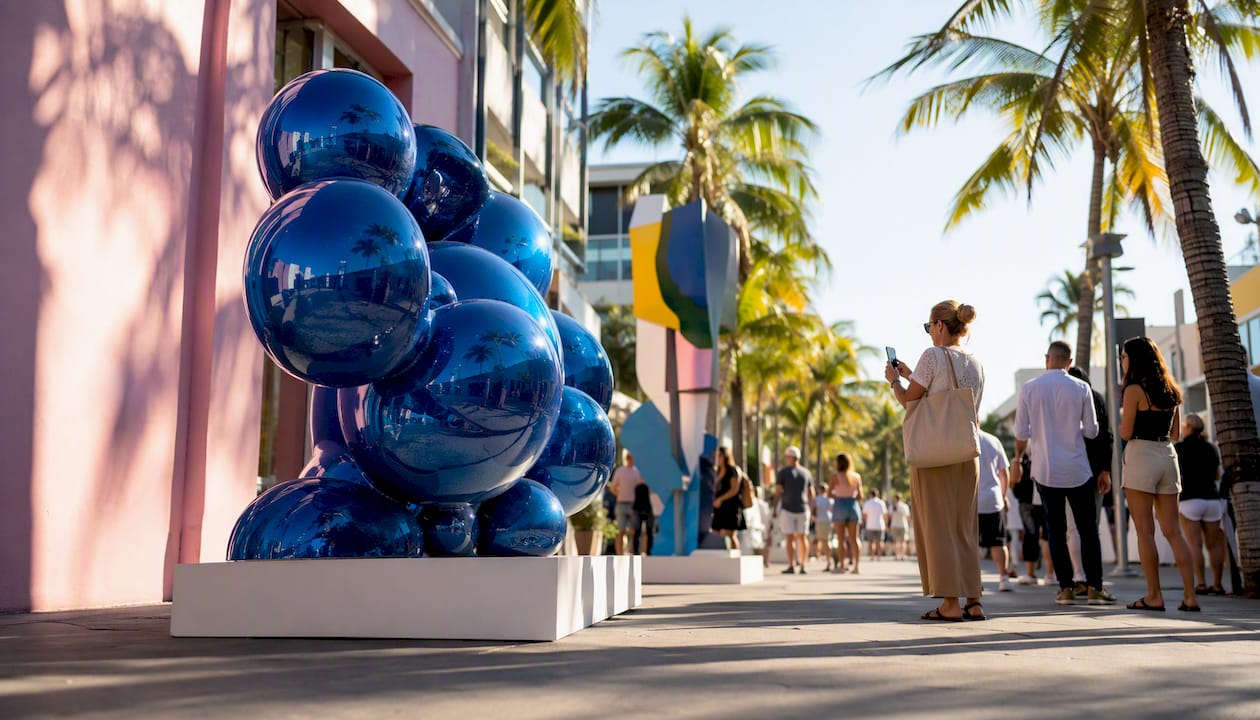
Lincoln Road turns into an open-air gallery of its own during the week, with storefront takeovers and pop-up installations that cost nothing to see. The City of Miami Beach also curates No Vacancy, a hotel-installation program that places site-specific art inside participating properties along the beach.
Museums amplify the week rather than compete with it. The Bass and Frost Science both run extended programming and openings timed to Art Week, and neighborhood galleries in Coral Gables and Coconut Grove often host receptions that never make the official schedule. Following local gallery Instagram accounts in the weeks beforehand is the most reliable way to catch these.
How Do You Get Around and Where Should You Stay?
Logistics make or break a Miami Art Week trip, and transportation is the first thing to plan.
- Use the free Miami Beach trolley for short hops along Collins Avenue; it runs frequently during the week and avoids parking altogether.
- Check for complimentary water taxis and dedicated event shuttles timed to fair hours, which the city adds specifically for Art Week.
- Take Brightline into downtown Miami if you’re staying outside the beach corridor; it sidesteps the worst of the causeway traffic.
- Budget extra for ride-share and expect surge pricing at peak hours, especially right after preview-day events let out.
Lodging comes down to priorities. Miami Beach hotels put you steps from Art Basel and Aqua Art Miami but book up fastest and carry premium rates. Wynwood suits visitors chasing satellite fairs and nightlife, with shorter walks between warehouses. Downtown Miami offers a middle ground for anyone splitting time between the beach and Wynwood on different days.
Weekday mornings, particularly Thursday and Friday before noon, are the calmest windows to see Art Basel without fighting crowds. Weekend afternoons draw the heaviest foot traffic citywide.
Pro Tip: Book your hotel and any timed-entry tickets the moment dates are announced. Rooms near the Convention Center routinely sell out six to eight weeks ahead of Art Week, well before most casual visitors start planning.
What Does a One-Day or Three-Day Visit Look Like?
A single day works best built around one anchor and one evening activation.
- Morning: Art Basel public day at the Convention Center, arriving at opening to beat crowds.
- Afternoon: Lunch on Lincoln Road, browsing the outdoor installations.
- Evening: Wynwood for a satellite fair like NADA or a gallery opening.
A three-day visit lets you spread the load without exhaustion:
- Day one: Art Basel or Art Miami, plus a nearby museum stop.
- Day two: Wynwood satellite fairs (Red Dot, Scope, UNTITLED) and street art.
- Day three: Design Miami or CONTEXT, followed by Coral Gables or Coconut Grove galleries for a slower pace.
Adjust by interest. Collectors should prioritize Art Miami and Design Miami previews; first-timers get more value from a single ticketed fair plus free installations; street-art fans should weight time toward Wynwood; design-focused visitors should build the whole trip around Design Miami. Whatever the mix, resist the urge to see everything on the same day. Curators who cover the week consistently advise against comprehensiveness and toward a deliberate combination of one marquee fair, one satellite fair, and free public art.
Why Trust Artinlifestyle’s Take on Miami Art Week
Artinlifestyle covers art and design events year-round, including annual reporting on NYC Design Week, and applies the same editorial lens to Miami’s fair circuit that it brings to interiors and collectible design.
- A curated, one-fair-plus-satellite approach beats trying to cover the entire week.
- The Art Concierge service exists for readers who want a planned itinerary instead of building one from scratch.
- Editorial coverage of design fairs elsewhere gives useful context for how Miami’s version compares in scale and pacing.
Where Should You Eat and Go Out During Art Week?
Restaurant reservations get scarce fast during Art Week, and the best tables book out weeks in advance. South Beach’s hotel restaurants extend hours and add late-night menus specifically for the fair crowd, while Wynwood’s bar and restaurant scene shifts into after-party mode once satellite fairs close for the evening. Many galleries host opening-night receptions with food and drink included, which doubles as a low-cost dinner if your schedule lines up.
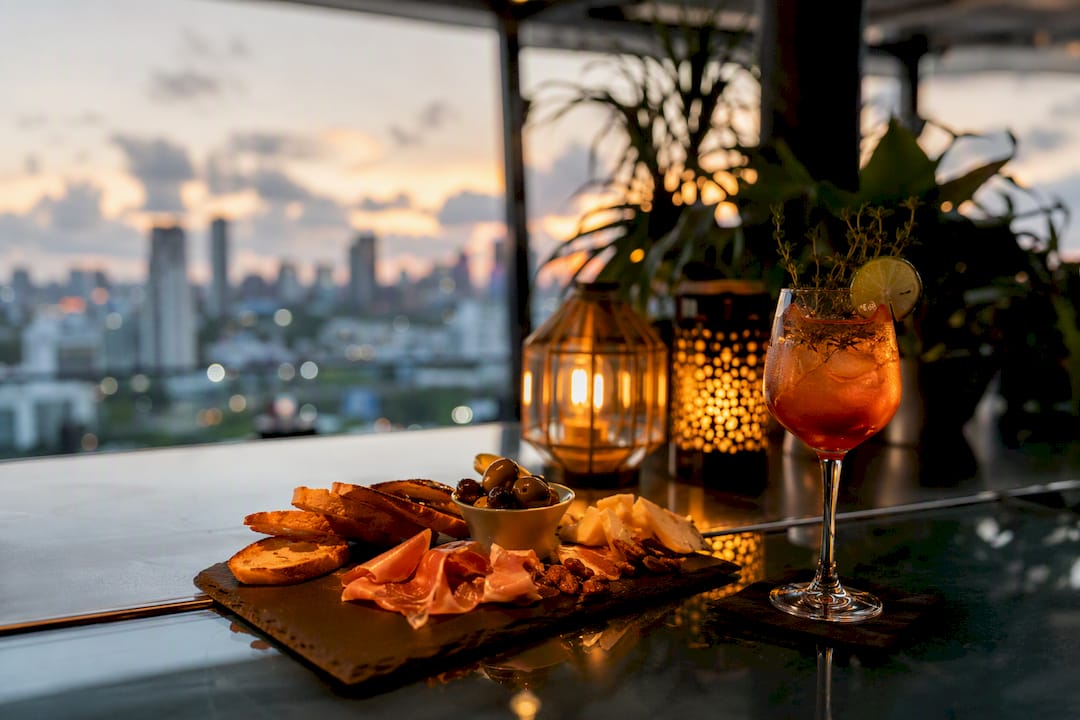
Design District restaurants tend to be quieter and better for a sit-down meal between fair visits, since foot traffic skews toward shopping rather than nightlife there. If your priority is people-watching and industry mingling, Miami Beach’s hotel bars along Collins Avenue fill with collectors, dealers, and artists after preview days wrap, and that informal scene is often where deals and introductions actually happen. Wynwood’s nightlife runs later and louder, with warehouse parties and DJ sets tied to satellite fair openings.
Book dinner reservations before you land in Miami, not after. Popular spots near the Convention Center and in Wynwood fill within the first days tickets go on sale, and walk-in availability during Art Week is close to nonexistent at anywhere with a reputation. If flexibility matters more than a specific restaurant, aim for early seatings (6:00 to 6:30 PM) before the dinner rush hits.
Is Miami Art Week Safe, and What Should You Know About Health Precautions?
Large crowds, heavy foot traffic, and long outdoor lines are the main practical concerns during Miami Art Week, more so than any acute safety risk. Keep valuables secured in crowded fair aisles and outdoor installation areas, where pickpocketing risk rises with crowd density. Miami Beach police typically increase patrols along Collins Avenue and near the Convention Center during the week, and event organizers post security at major fair entrances.
Health precautions worth planning around are mostly seasonal rather than event-specific. Early December in Miami still runs warm and humid, so hydration and sun protection matter if you’re walking outdoor installations on Lincoln Road or in Wynwood for hours at a stretch. Indoor fair spaces are heavily air-conditioned and packed tightly during peak hours, which can be uncomfortable for anyone sensitive to crowds or fluctuating temperatures.
There are no active COVID-19 entry requirements or mask mandates tied to Miami Art Week, and fairs operate under standard public event conditions. If you’re immunocompromised or simply cautious, weekday mornings offer far lower density than weekend afternoons, and an N95 mask remains a reasonable personal choice in the most crowded indoor booths. Check individual fair websites close to your travel dates, since policies can shift with local public health guidance.
How Do You Meet Local Artists and Galleries Outside the Big Fairs?
The main fairs are transactional by design. Galleries staff booths to sell, not to chat, which makes them a poor place to actually connect with working artists. Neighborhood galleries in Wynwood, Coral Gables, and the Design District are the better bet, especially during opening-night receptions where artists frequently attend their own shows.
Following local galleries on social media in the weeks before Art Week reveals openings and studio visits that never make the official event map. Wynwood’s gallery buildings often coordinate joint open houses timed to coincide with the bigger satellite fairs, giving visitors a full evening of smaller, artist-adjacent stops within walking distance. Coconut Grove and Coral Gables galleries, further from the fair crush, tend to have staff and sometimes the artists themselves available for actual conversation rather than a sales pitch.
Community programs like Prizm and AfriKin build direct artist engagement into their format, with panel talks and studio-style presentations rather than pure booth sales. If buying art rather than just viewing it interests you, smaller galleries are also where negotiation and direct relationships with artists happen. Once you’ve brought a piece home, thinking through how it fits your space matters as much as the purchase itself. Artinlifestyle’s gallery wall styling guide is a useful next stop for translating a fair find into a finished room.
What Should First-Time Attendees Know Before Going?
The single biggest mistake first-timers make is trying to see everything. With over 20 fairs running simultaneously, comprehensiveness isn’t realistic, and chasing it just produces exhaustion by day two. Pick one marquee fair, add one satellite fair and a free installation, and call that a full day.
Comfortable shoes matter more than most people expect. Convention Center floors and Wynwood’s uneven warehouse pavement both punish anyone dressed for a gallery opening rather than a full day of walking. Bring a portable phone charger, since navigating between venues, checking the event map, and photographing work drains batteries fast.
Public days are dramatically cheaper than preview or VIP days, and for most first-time visitors, public admission delivers nearly the same experience without the premium. Arrive at opening time rather than midday. The first hour at any major fair is measurably calmer than the afternoon crush, and it’s the best window for actually looking at work instead of navigating around other people looking at it.
Plan Your Visit With Artinlifestyle’s Art Concierge
Building a Miami Art Week itinerary from scratch, across 20-plus fairs, satellite shows, and neighborhood pop-ups, is exactly the kind of overload that turns a promising trip into a blur of half-seen booths. Artinlifestyle’s Art Concierge service exists for readers who’d rather hand off that planning to someone who tracks the fair circuit year-round, matching a visit to your specific interests, whether that’s collector-grade acquisitions, emerging artists, or design-forward work.
If you’re already thinking about what a fair find will look like at home, Artinlifestyle’s coverage of collectible pieces, like Antony Squizzato’s modernist Cubist work and Kat Yew’s abstract line art, offers a preview of the kind of pieces circulating this year’s fairs and how collectors are placing them in real interiors.
What Actually Matters Once the Booths Come Down
Most Miami Art Week coverage treats the week as a checklist: hit these fairs, see these installations, done. That framing sets up first-timers for disappointment, because the fairs themselves are only half the event. The other half, Lincoln Road installations, gallery receptions in Coral Gables, a conversation with an artist at a Wynwood open house, is where the week actually earns its reputation, and it’s the part most guides skip.
The conventional advice to “see Art Basel and a few satellites” undersells how exhausting five ticketed fairs in three days really is. Forbes’ own reporting on the week gets this right: treat it as both a market and a social event, and choose your mix accordingly rather than defaulting to whichever fair has the biggest name.
If there’s one thing worth prioritizing above ticket-buying, it’s deciding what you actually want from the trip, collecting, discovery, or simply a good story, before building the itinerary. That decision should come before you look at a single fair schedule, not after.
Frequently Asked Questions
When is Miami Art Week 2026?
Miami Art Week runs November 30 through December 6, 2026, with Art Basel Miami Beach’s public days scheduled for December 4 through 6.
Do I need a ticket for every fair?
No. Each fair sells separate tickets, and public-day admission is significantly cheaper than VIP or preview access. Most first-time visitors do fine with one or two paid fairs plus free public installations.
What’s the difference between Art Basel and Art Miami?
Art Basel Miami Beach, held at the Convention Center, skews toward blue-chip galleries and the highest-profile exhibitors. Art Miami, at the Art Miami Pavilion, is more accessible and collector-focused across a broader price range.
Is Wynwood worth visiting during Art Week?
Yes. Wynwood hosts several satellite fairs, including Red Dot and Scope at Mana Wynwood, plus street art and gallery openings that run independently of the ticketed fair circuit.
How do I get around during Miami Art Week without a car?
Use the free Miami Beach trolley for short beach-corridor trips, event shuttles and water taxis timed to fair hours, and Brightline if you’re staying downtown. Budget for ride-share surge pricing during peak evening hours.
What should first-timers prioritize?
One marquee fair, one satellite fair, and a free public installation make a realistic day. Arriving at opening time avoids the worst crowds at every major venue.
Sources
- Miami Art Week
- Art Basel Miami Beach
- Miami Beach announcement: Art Week programming and logistics
- Art Miami
- Your complete guide to Miami Art Week – Forbes Travel Guide
Recommended
- NYC Design Week 2026: Your Complete Festival Guide
- Beautiful House Tours for Design Inspiration: Best Picks
- Beautiful House Garden: Art-Inspired Ideas and Weekend Plan
- Architect Mid Century Modern: The Complete 2026 Guide