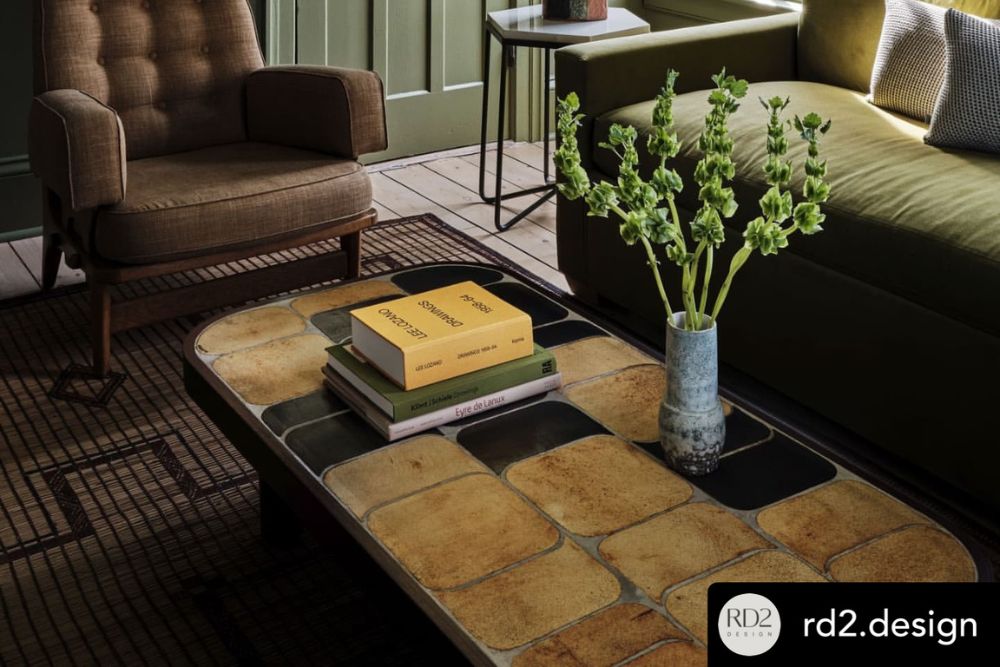
Vintage coffee tables are having their moment. Leading the charge is an unexpected hero from mid-century France: Roger Capron’s hand-crafted ceramic coffee tables.
Once relegated to estate sales and dusty antique shops, these pieces now command premium prices in the world’s most stylish homes. These aren’t just furniture. They’re sculptural pieces that turn ordinary living rooms into curated galleries.
So why the sudden revival? Today’s interiors are moving away from showroom-perfect uniformity. Instead, they’re embracing lived-in luxury. The patina of age, the richness of handcraft, and the weight of history have become markers of sophistication.
In a world of flat-pack disposables, vintage tables embody permanence. They are furniture that carry stories.
The Man Behind the Coffee Table
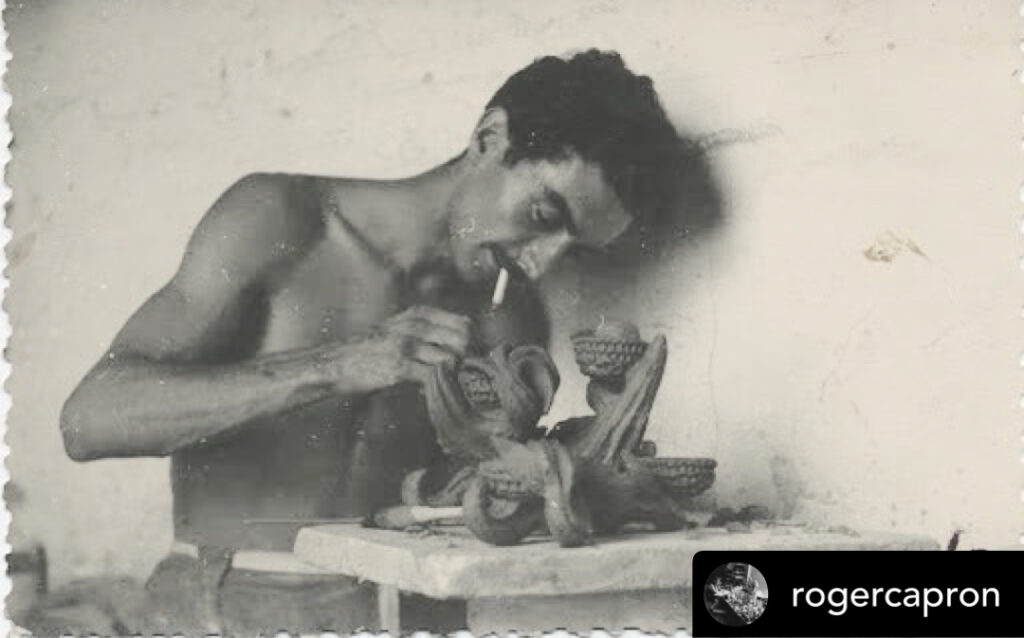
Roger Capron (1922–2006) revolutionised ceramic art from his studio in Vallauris. This was the same pottery town that attracted Pablo Picasso in the 1940s.
While Picasso explored ceramics as artistic expression, Capron saw a different opportunity. He transformed ceramics into functional furniture that served dual roles as utility and art.
Working alongside his wife Jacotte, Capron developed a distinctive style. He merged organic forms with geometric precision. Their collaborative approach resulted in pieces that balanced artistic vision with everyday practicality.
Jacotte’s influence brought playful elements and softer forms to Roger’s more architectural sensibilities. Together, they created furniture that felt both sophisticated and approachable.
Related: 12 Ways to Make Vintage Decor Feel Contemporary in a Modern Home
Why Designers Are Obsessed
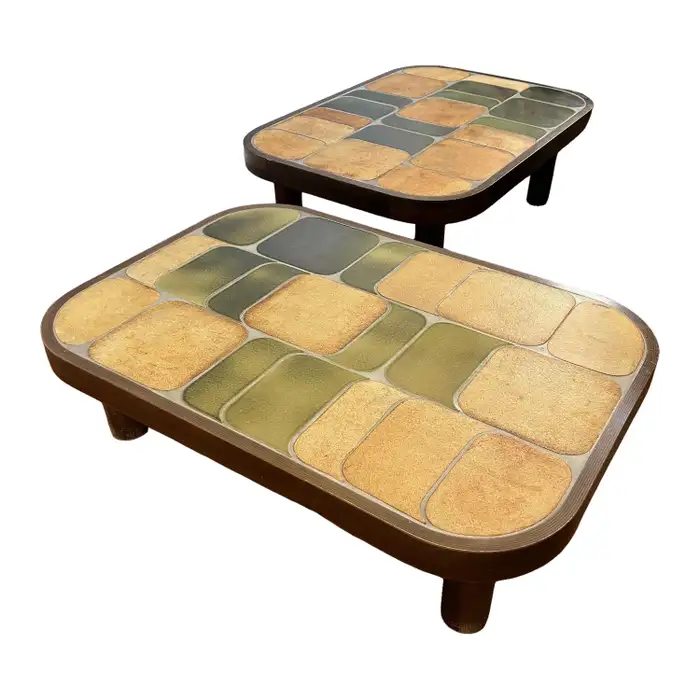
Ceramic coffee table “Shogun” by Roger Capron, France, 1960’s
As the Architectural Digest recently highlighted, Roger Capron’s tables continue to captivate tastemakers. His celebrated Shogun series, in particular, keeps design enthusiasts fired up decades after their creation.
In today’s design landscape, mass-produced furniture dominates. Against this backdrop, Capron tables offer something increasingly rare i.e. authenticity. Each ceramic tile bears the marks of hand-firing. This creates subtle variations in colour and texture that no factory can replicate.
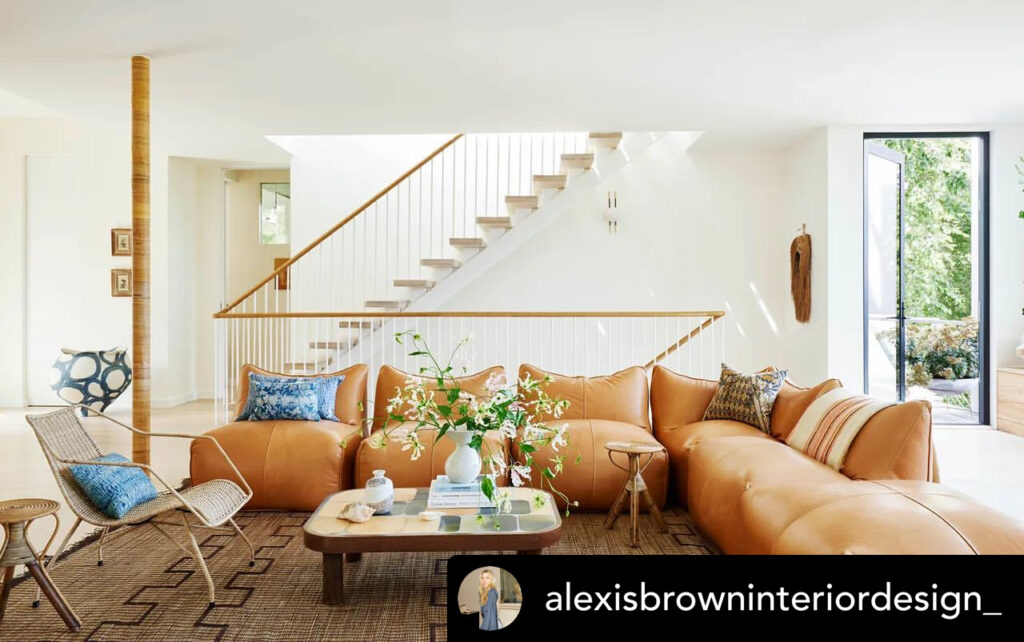
Interior designers prize these pieces for their versatility. A Capron coffee table can anchor a minimalist Scandinavian interior without overwhelming it. Equally, it can complement a maximalist bohemian space by adding sculptural weight.
Related: 10 Stunning Ceramic Vases That Make A Statement In Your Living Room
Iconic Pieces Collectors Chase
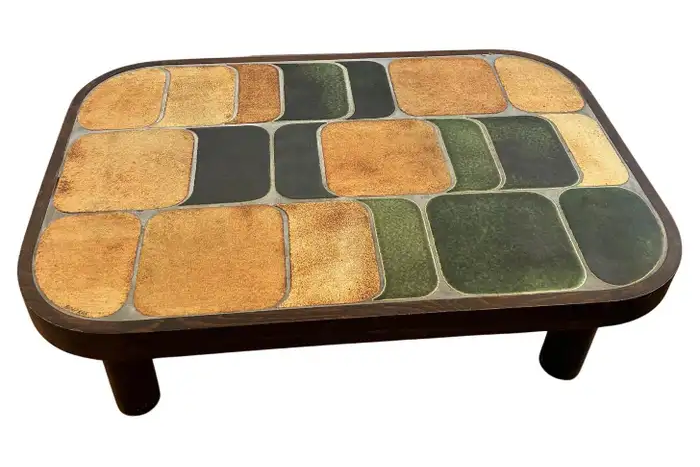
Ceramic coffee table “Shogun” by Roger Capron, France, 1960’s
The Ceramic Shogun Coffee Table represents Capron’s mastery at its finest. These substantial pieces, often measure over four feet in length. They combine intricate ceramic tile work with solid wood bases, creating perfect balance.
The Shogun series demonstrates Capron’s ability to balance complexity with restraint. The ceramic surfaces feature flowing, hand-glazed patterns. Yet the overall composition remains calm and grounding, perfect for modern interiors that need statement pieces without chaos.
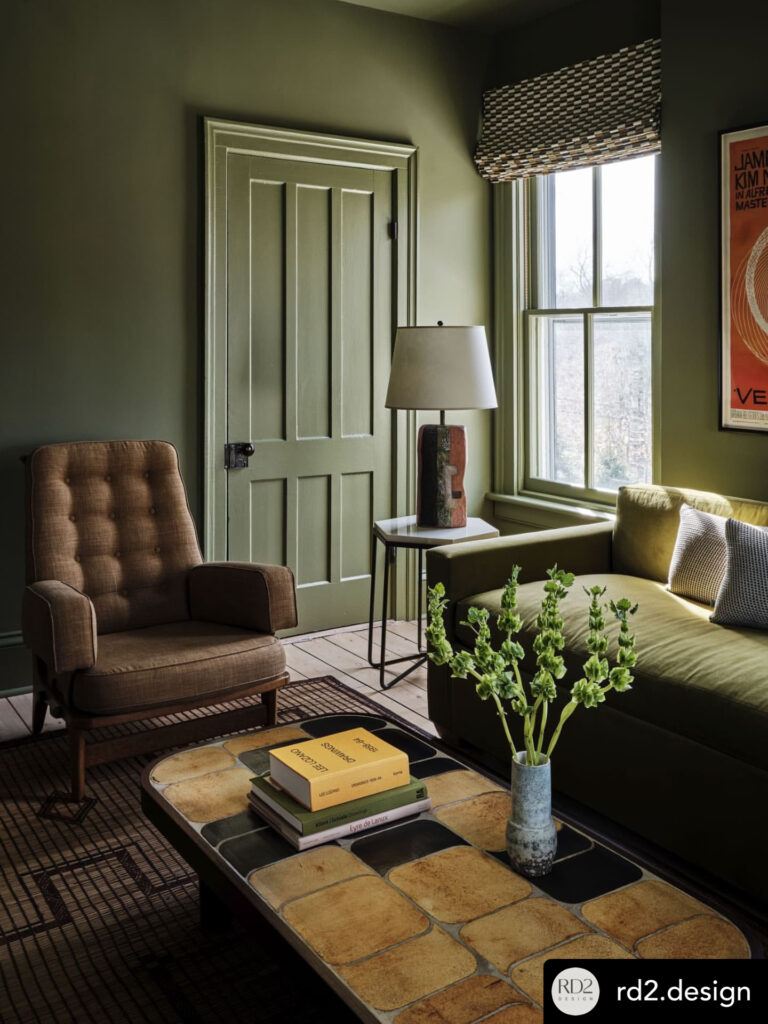
The Shogun tables reflect Capron’s embrace of geometry and cultural dialogue. These pieces incorporate Eastern design philosophies with Western craftsmanship.
The angular ceramic motifs atop organic wooden bases showcase Capron’s talent for balancing precision with warmth. His Shogun series of tables are now highly collectible pieces. Prices rise steadily as availability dwindles.
Related: 10 Easy Ways to Decorate Like a Celebrity Luxury Home
How to Build Your Roger Capron Collection
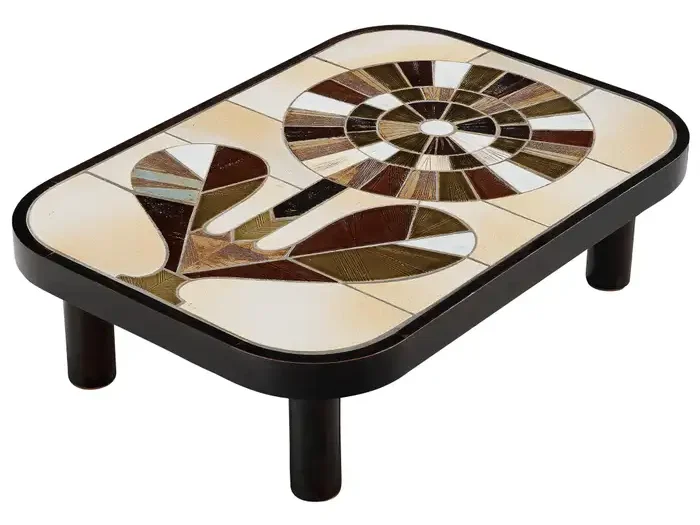
Roger Capron Coffee Table in Ceramic with Floral Motif
Online marketplaces like, 1stDibs, offer a wide selection of Capron pieces. From intimate round designs to grand rectangular centrepieces. Each listing is curated. This ensures authenticity and provides peace of mind when making an investment to purchase a piece.
For serious collectors, Artnet provides auction records and historical pricing data. Tracking these trends helps buyers understand value shifts to help make informed acquisitions.
Beyond Capron: Coffee Table Influences
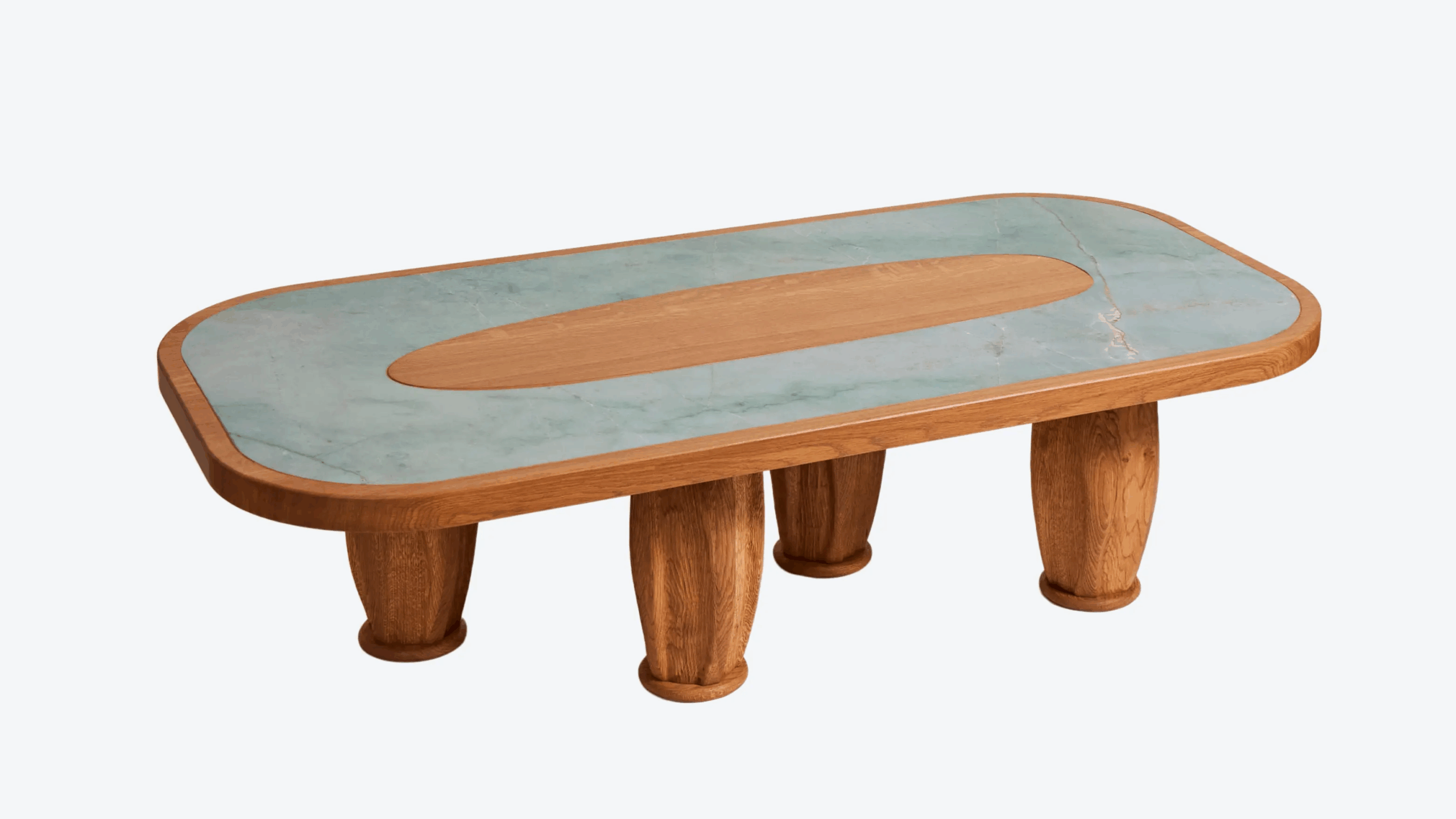
Levant Quartzite Coffee Table
Capron’s influence extends far beyond his original pieces. Contemporary designers like Dorothée Delaye and Fran Aniorte continue drawing on his organic forms and ceramic innovations. Their works show how Capron’s legacy remains vital, not merely nostalgic.
While Capron’s works remain the benchmark, other coffee table artists offer similar artistry and emotion. Lane Furniture’s Monte Carlo collection from the 1970s paired tile inlays with solid wood, echoing Capron in American mid-century form.
More recently, the Levant Quartzite Coffee Table by Dorothée Delaye blends oak and quartzite with wave-like, inlaid motifs. This original piece channels Capron’s reverence for texture and material while telling its own story.
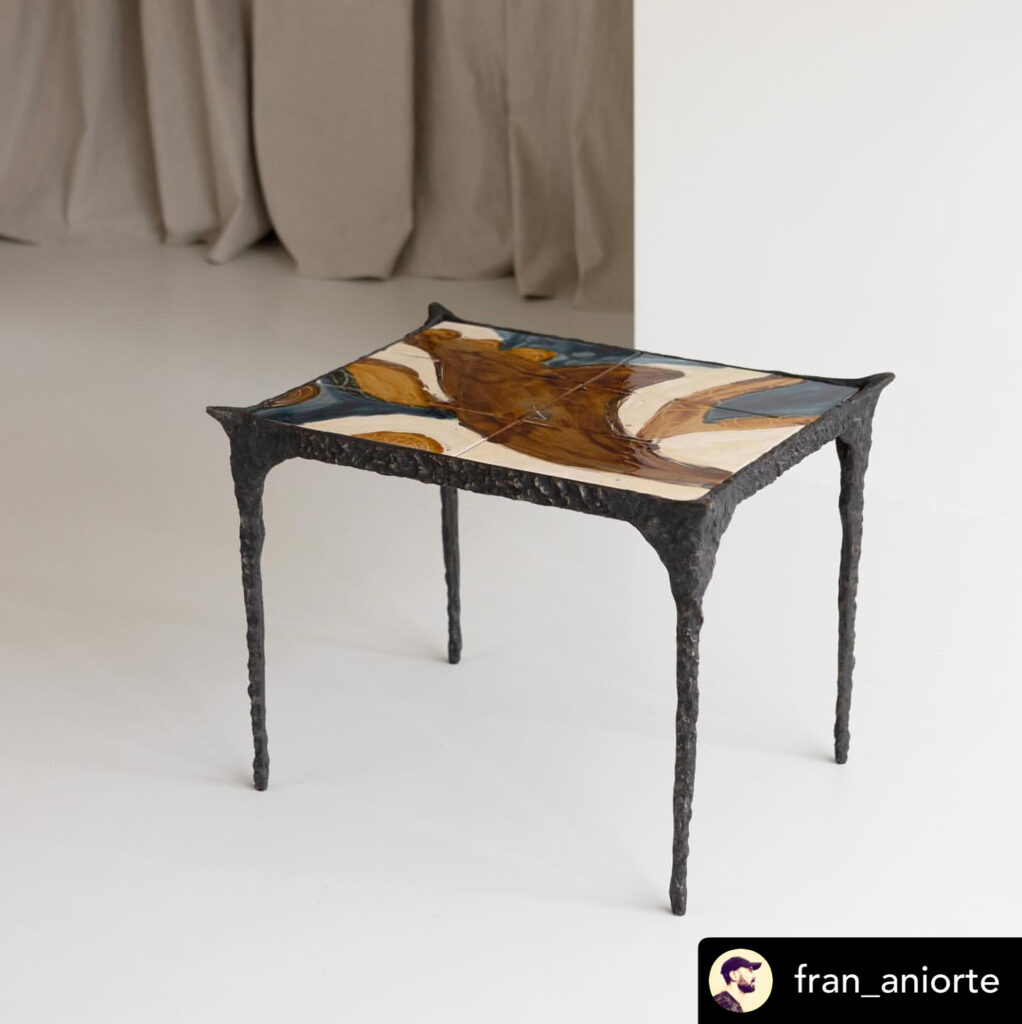
Just like Capron, contemporary designers like Dorothée Delaye and Fran Aniorte, favour earthy materials, textured surfaces, and sculptural presence. This proves his vision remains relevant in modern interiors.
The Investment Angle
Part of Capron’s current appeal stems from scarcity. His studio produced extensively during his lifetime. However, the most striking tables, particularly from the 1950s through 1970s, are becoming harder to source. This scarcity drives both desirability and price.
Unlike purely decorative antiques, Capron tables serve daily functions while appreciating in value. They occupy a sweet spot between accessible vintage furniture and museum-quality art.
When investing in Capron, look for:
- Signature elements: Many pieces bear Capron’s signature or studio stamps.
- Construction quality: Solid wood joinery and substantial weight.
- Glaze characteristics: Subtle, irregular variations that reveal hand-firing.
- Provenance documentation: Labels, exhibition records, or gallery notes add value.
Related: Collect Frank Stella Artwork Before They Disappear Forever