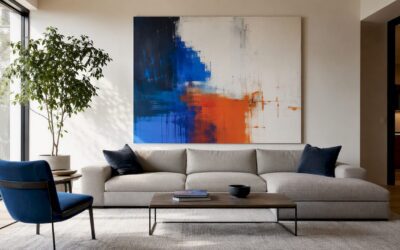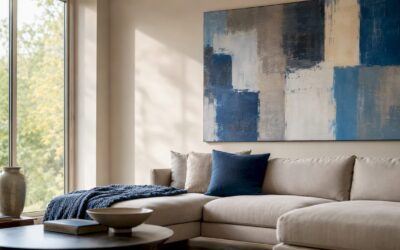
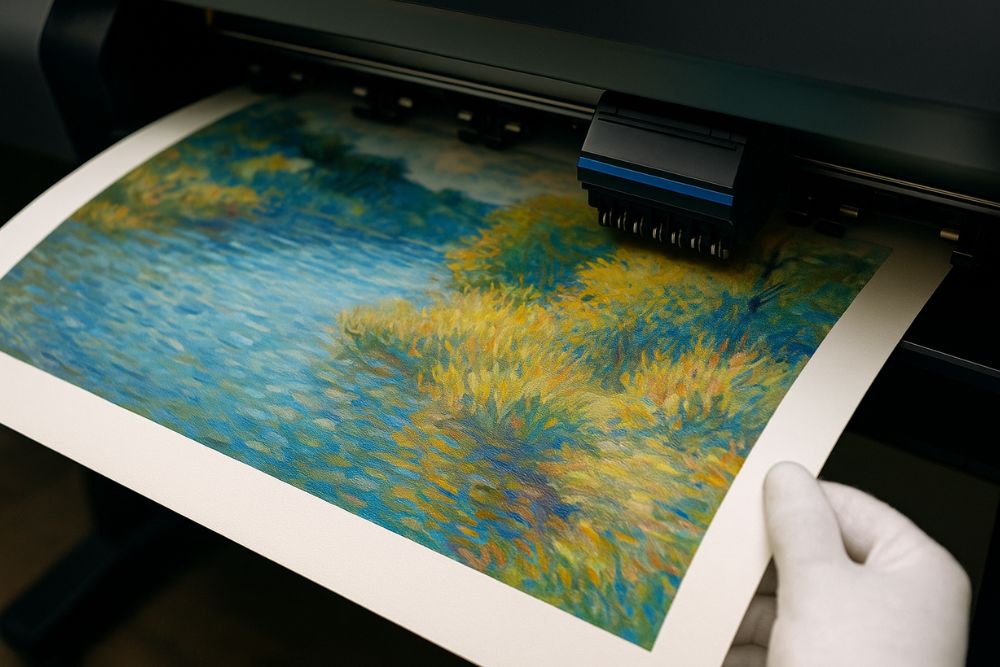
Giclée printing is the gold standard of fine art reproduction. It's a process that creates museum-quality prints with unmatched colour accuracy and longevity.
For collectors and art lovers, it bridges the gap between affordable posters and priceless originals. Unlike ordinary prints, Giclée reproductions use archival inks and museum-grade materials that can last for decades without fading.
Have you ever walked into a gallery and wondered why some prints seem to glow with life? That’s often the power of giclée printing.
What Is Giclée Printing?
The term "Giclée" comes from the French word "gicler", meaning "to spray". It describes exactly how these museum-quality prints are made.
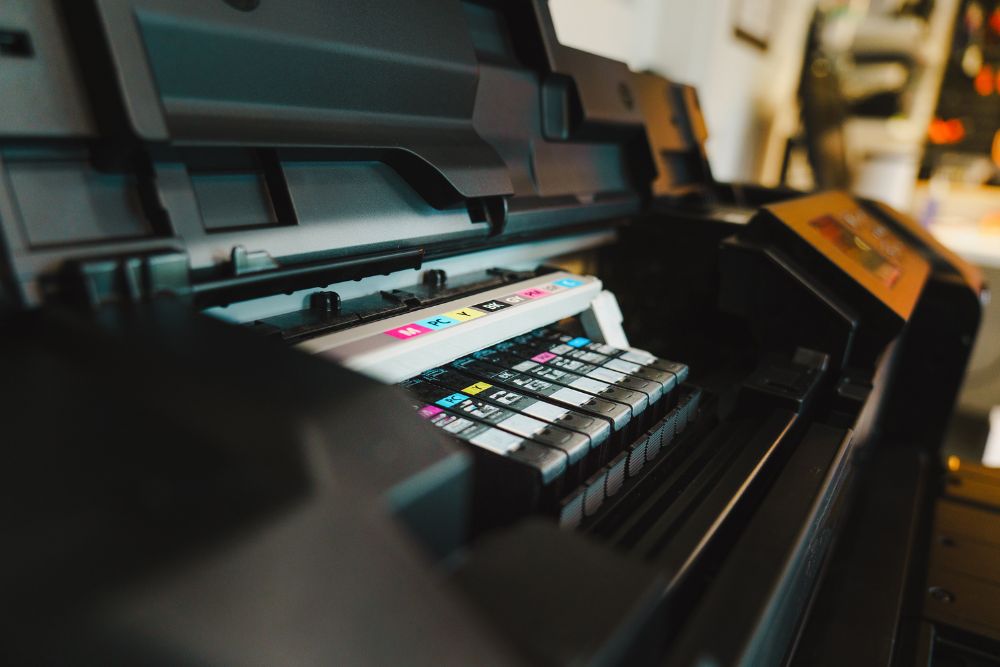
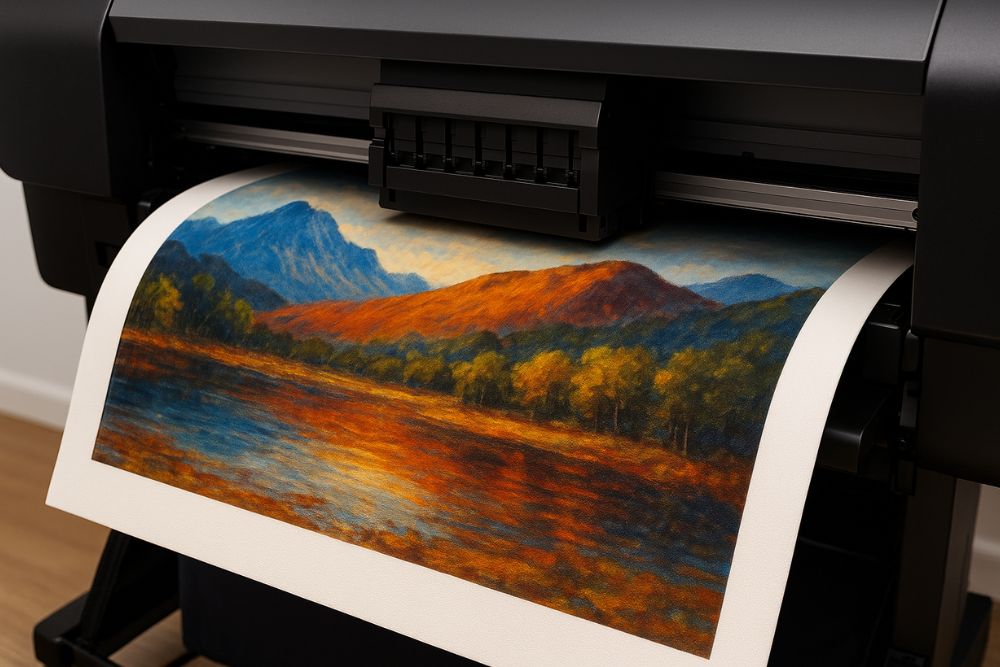
Unlike ordinary posters or standard prints, Giclée uses professional-grade inkjet printers that spray microscopic droplets of archival ink onto carefully selected surfaces.
Giclée printing creates reproductions so accurate and long-lasting that museums use them to display valuable artwork to stand for the originals.
Why Giclée Prints Matter in Fine Art
Giclée printing revolutionised the art world when it emerged in the late 1980s. It bridges the gap between owning original artwork (often unaffordable) and settling for cheap reproductions (that fade quickly).
For art collectors and enthusiasts, Giclée prints offer:
- Museum-quality reproductions at accessible prices.
- Prints that last 75 to 200 years without significant fading.
- Colour accuracy that rivals original paintings.
- Investment potential, especially for limited editions.
Related: Don’t Buy Abstract Art Paintings Until You Read This Expert Guide
How Giclée Printing Works
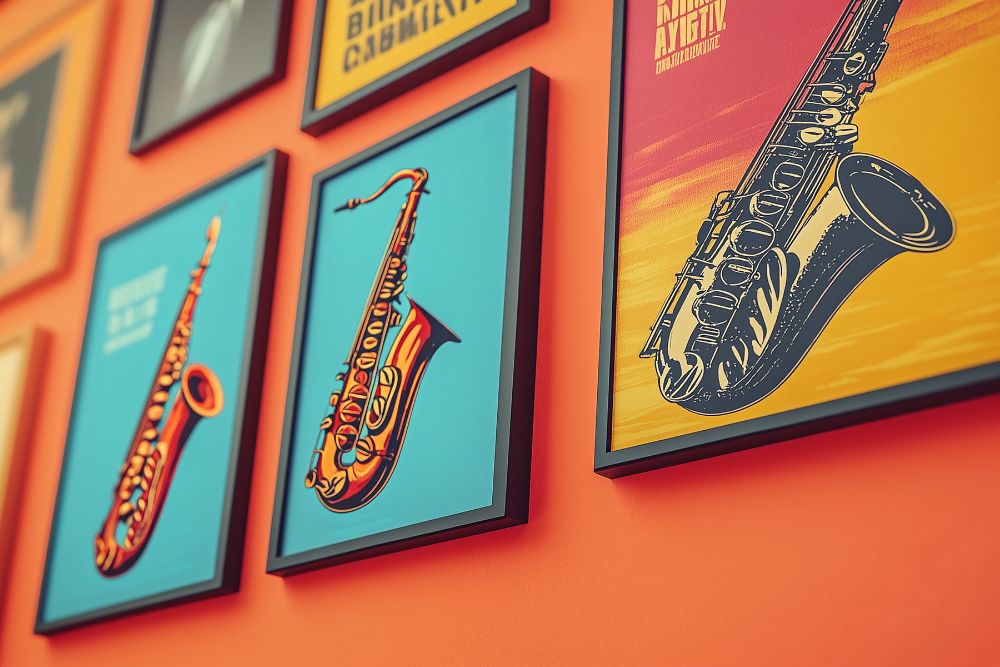
The Technical Process
Giclée printing involves three crucial elements that set it apart:
- High-Resolution Scanning: Original artwork is scanned at 300 to 1200 DPI, capturing every detail, brushstroke, and colour nuance.
- Archival Pigment Inks: Professional printers use up to 12 different pigment-based inks (not dye-based like standard printers). These inks resist fading for decades.
- Museum-Grade Materials: Authentic giclée prints use acid-free papers or archival canvas that won't yellow, crack, or deteriorate over time.
Related: 17 Wildlife Art Pieces That Bring Untamed Beauty Indoors
The Equipment
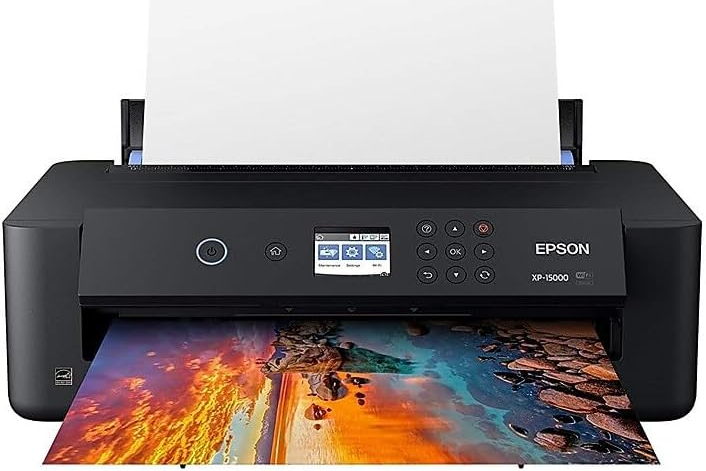
Specialised wide-format printers, such as Epson or Canon, can reproduce over 16 million colours. They deliver smooth gradients without the dots or lines seen in regular printing.
Combined with high-resolution scanning and archival inks, this technology ensures that the print’s beauty lasts for generations.
Why Museum-Quality Materials Matter
The foundation of every exceptional Giclée print lies in its substrate. These materials are specifically chosen for longevity:
- Acid-free fine art papers remain stable for decades.
- Museum-grade canvas won't yellow or crack over time.
- Cotton rag and watercolour papers provide perfect ink absorption.
- pH-balanced, lignin-free materials ensure long-term stability.
This attention to material quality explains why authentic Giclée prints feel substantial and valuable. Premium substrates enhance both the visual impact and tactile experience of owning these printed fine art.
Why Giclée Prints Are Worth Your Investment
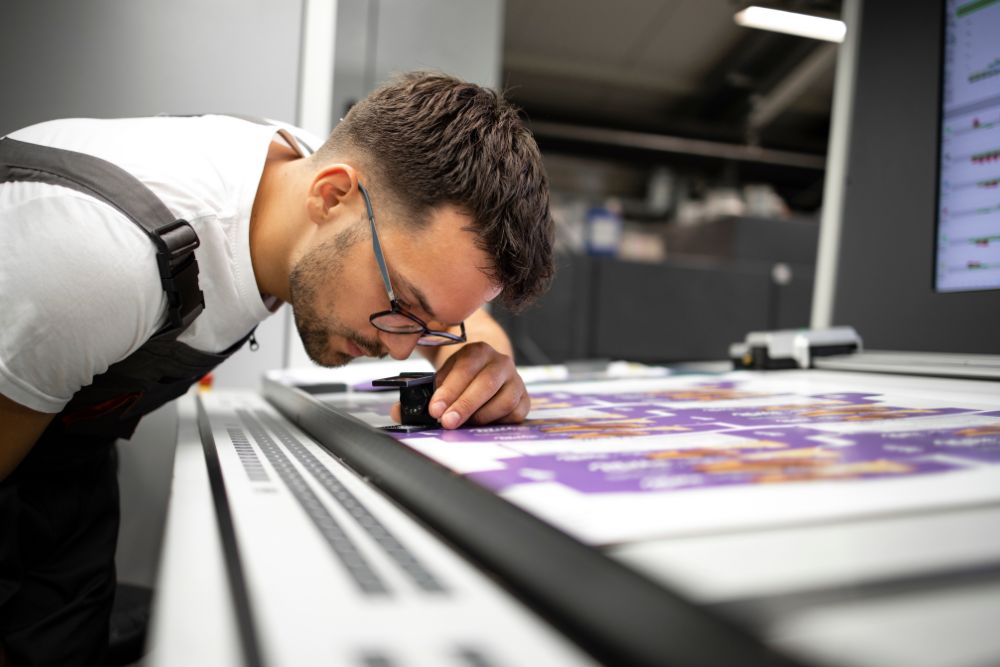
Giclée prints offer art collectors and enthusiasts an affordable way to own high-quality reproductions with museum-grade standards. They are created using advanced inkjet technology and archival pigment inks. This means these prints deliver exceptional resolution, colour accuracy, and long-term durability.
Giclée prints capture every nuance of the artist’s brushstroke, texture, and tonal shift. The depth of colour and precision of detail allow buyers to experience the same visual emotion as standing before the original piece. This translates to an artwork that feels authentic, personal, and alive.
Experts, including Brooklyn Editions, stress that the term “archival digital pigment print” is more accurate than the often-misused “Giclée”. Key quality factors include high-resolution digital files, a colour-managed workflow, expert printing, and acid-free, archival substrates.
As a result, the hues, saturation, and tonal balance of the art print mirror the artist’s intent. So, what you see is truly what you get.
Unlike standard printing methods, Giclée printing uses pigment-based inks that can resist fading for up to 100 years or more. Printique and Print Panoramics highlight the process’s ability to deliver superior longevity and true-to-original colour reproduction.
Companies like Epson note that these wide-format printers produce vivid, lasting results, making them a preferred choice for professional artists.
This longevity makes Giclée prints a smart purchase for anyone viewing art as both décor and a long-term collectible asset. Many artists release Giclée prints in numbered editions, maintaining exclusivity and potential resale value.
This balance of accessibility and authenticity makes Giclée prints a strategic entry point for new art investors.
Related: 17 Art Gallery Wall Ideas That Decorate Blank Spaces Perfectly
How Giclée Compares to Other Print Types
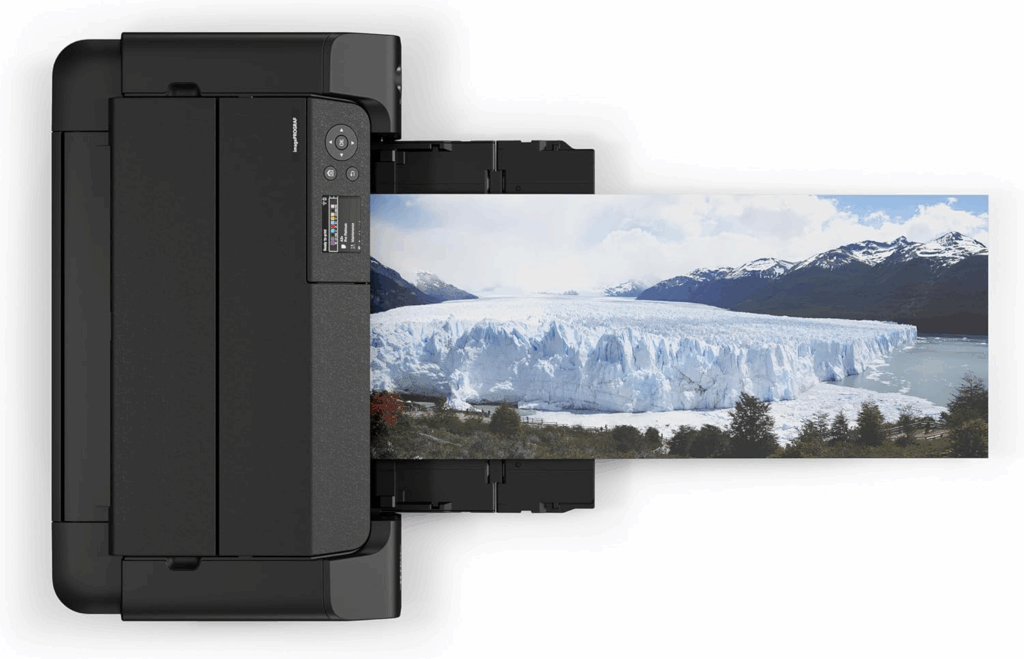
Understanding the differences between print methods is key to making informed art purchases.
Poster prints typically use low-cost paper and dye-based inks that fade rapidly. Lithographs, based on older offset printing techniques, often lack the colour accuracy and detail achievable with modern Giclée printing.
Canvas prints are frequently mistaken for Giclée, but not all are created equal. While true Giclée prints on canvas use archival-grade materials and pigment-based inks, many standard canvas prints rely on dye-based inks and lower-quality substrates.
These differences become visible within months, as inferior prints may fade or show colour shifts. Knowing these differences helps you invest in lasting, high-quality art instead of low-grade reproductions.
Identifying Authentic Giclée Prints: What to Look For (and Avoid)
LOOK OUT FOR:
- Certificate of authenticity confirming archival inks and materials.
- Exceptional detail that remains crisp under close inspection.
- Rich, vibrant colours without pixelation or banding.
- Substantial paper or canvas, not flimsy substrates.
- Artist’s signature and edition number (for limited releases).
AVOID:
- Fakes with suspiciously low prices.
- Sellers who cannot provide printing details or certificates.
- Blurry art prints.
Related: 7 Best Space-Saving Decor That Doubles as Art
Where to Find Trustworthy Giclée Prints
Reliable sources include platforms like Saatchi Art, which vet artists and quality. Minted.com offers curated selections with guarantees. Etsy.com connects buyers with independent artists who often manage their own professional printing.
Singulart also provides high-quality reproductions from contemporary artists. Local galleries and studios allow you to inspect prints in person. Buying from trusted sellers ensures authenticity, quality guarantees, and fair return policies.
Caring for Your Giclée Art Print Investment
To preserve their value, keep prints out of direct sunlight, use UV-protective glass, and maintain humidity between 45–55%. Clean only with a soft, lint-free cloth and avoid touching the surface. Store unframed prints flat in acid-free boxes. Professional archival framing offers the best protection.
Understanding Print Editions and Artist Signatures
Limited editions and artist signatures increase value and authenticity, with numbered editions (e.g. 25/100) indicating scarcity. Open editions, while less exclusive, provide accessible decorative art. Choose according to your budget and whether you’re collecting or simply decorating.
Why Giclée Art Prints Deserve a Place in Your Collection
Understanding Giclée prints transforms how you approach art collecting and home decoration. These museum-quality reproductions bridge the gap between appreciation and ownership, making exceptional artwork accessible without compromising on quality or longevity.
Whether you’re starting your first collection or adding to an established one, understanding Giclée printing helps you recognise authentic quality, avoid costly mistakes, and build a collection that brings lasting joy.
Related: How Pairing Geometric Art with Minimalist Furniture Can Transform Your Small Space