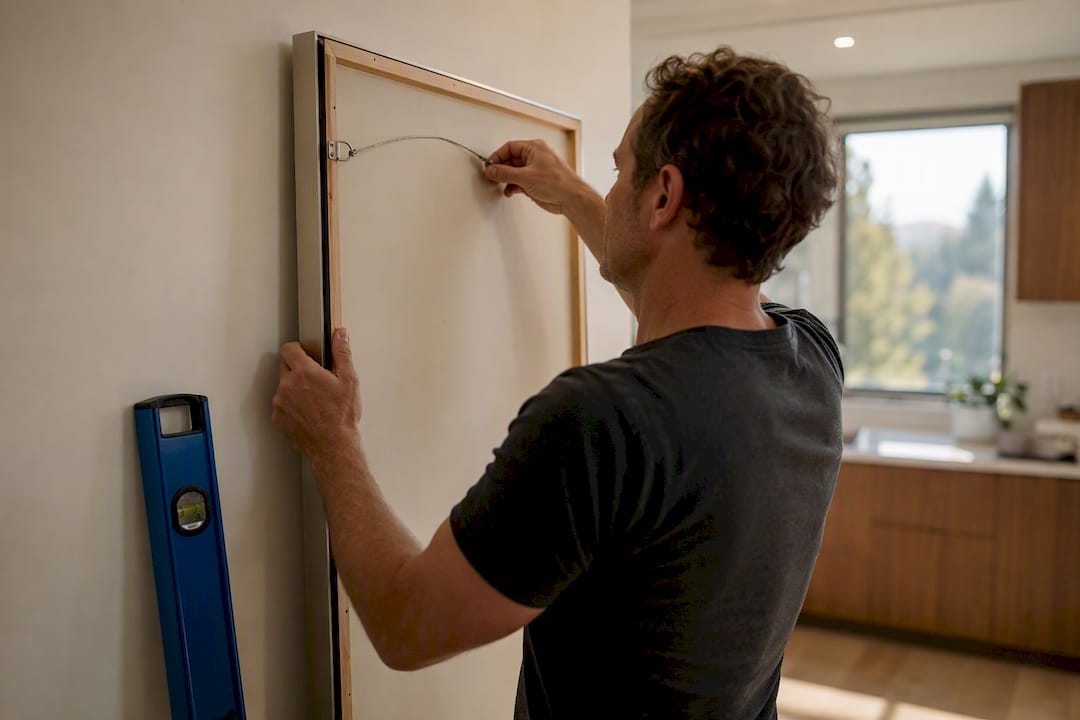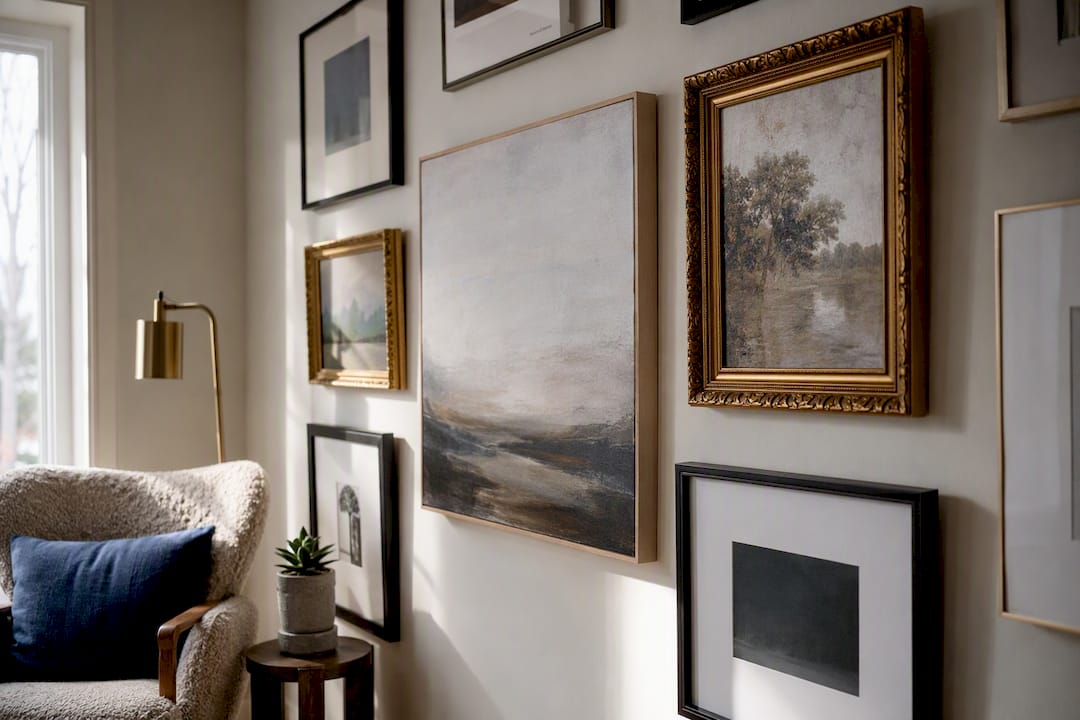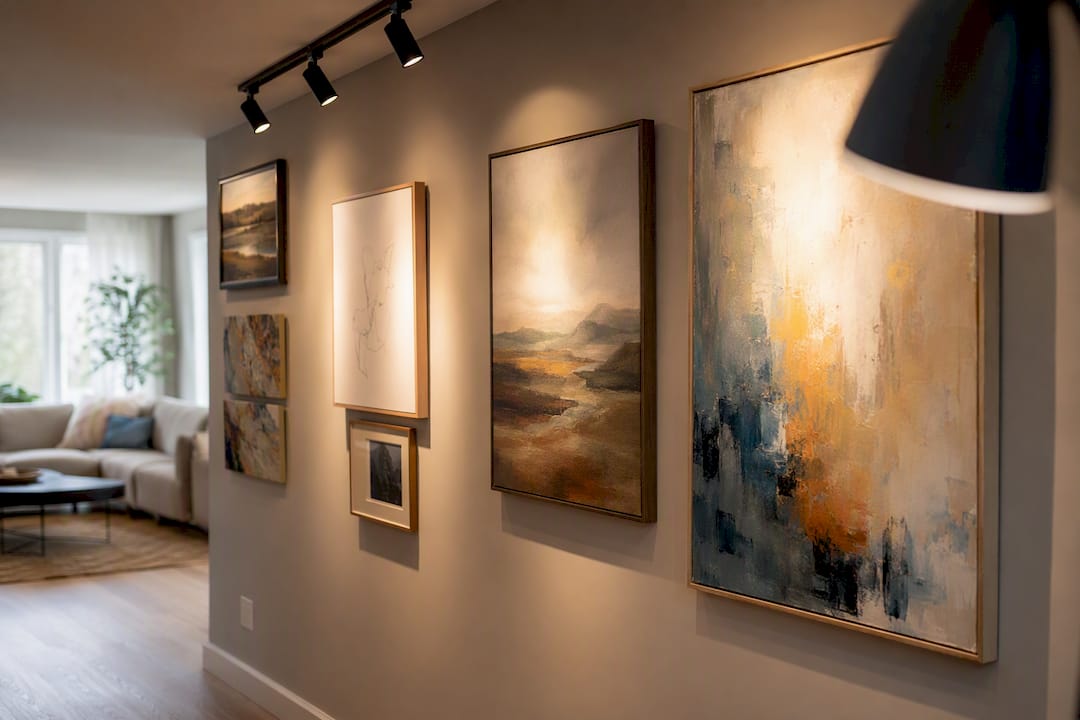
Do you love collecting art but fear that your wall will end up looking like a pincushion?
You’re not alone. Many homeowners shy away from hanging artwork because they fear damaging their walls. In particular, those dealing with tricky surfaces like brick, concrete, or delicate wallpaper are most hesitant about placing artwork on their walls. Meanwhile, some people who’re renting may have a no-nails rule etched into their lease.
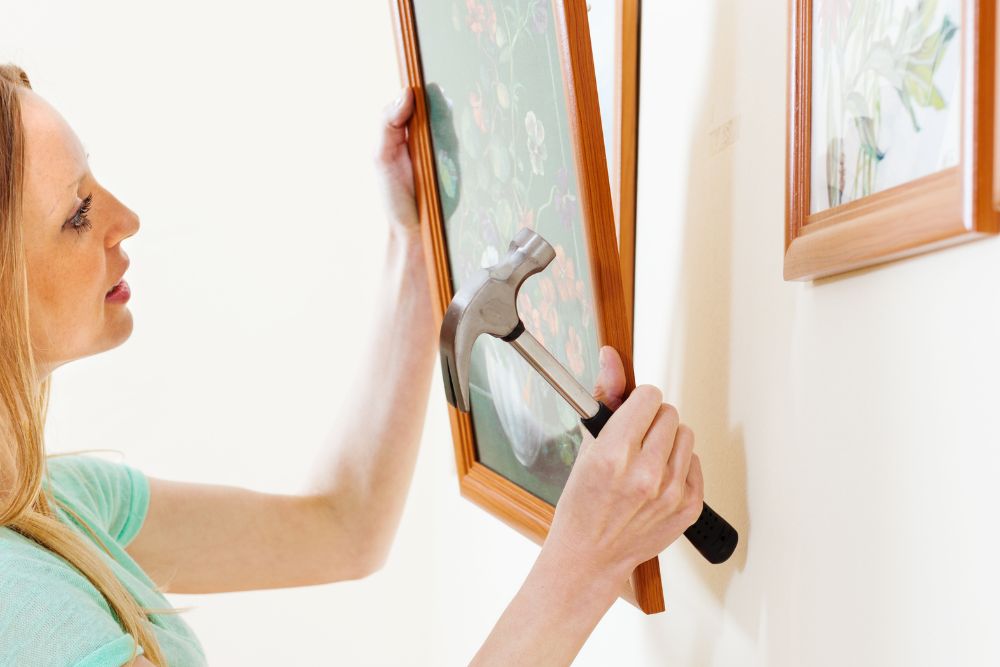
But allow us to break some news: you don’t have to sacrifice style for the sake of your security deposit. Having a few clever tricks up your sleeve lets you hang paintings without nails. No hammer, no holes, and definitely no regrets!
How to Select the Right Art Pieces?

Before we dive into the landscape of damage-free displays, let’s talk about the kind of art that fits well with these no-nail methods. Spoiler alert: size and weight matter more than you think! So not all paintings will qualify.
The best candidates for this nail-free makeover are the lighter, leaner members of the art world. For instance, posters, stretched canvases without heavy frames, foam-mounted prints, and tapestries that flow with the breeze. These are easy to hang, easy to move, and way less likely to tumble down unexpectedly.
Now, if you're eyeing that oversized glass-framed masterpiece or a chunky wall sculpture ... Pause! These heavy hitters need something sturdier than adhesive strips or hooks. Save the no-nail tricks for lighter decor and leave the heavyweights to the professionals (or at least a drill).
Precautions for Using Adhesive Strips
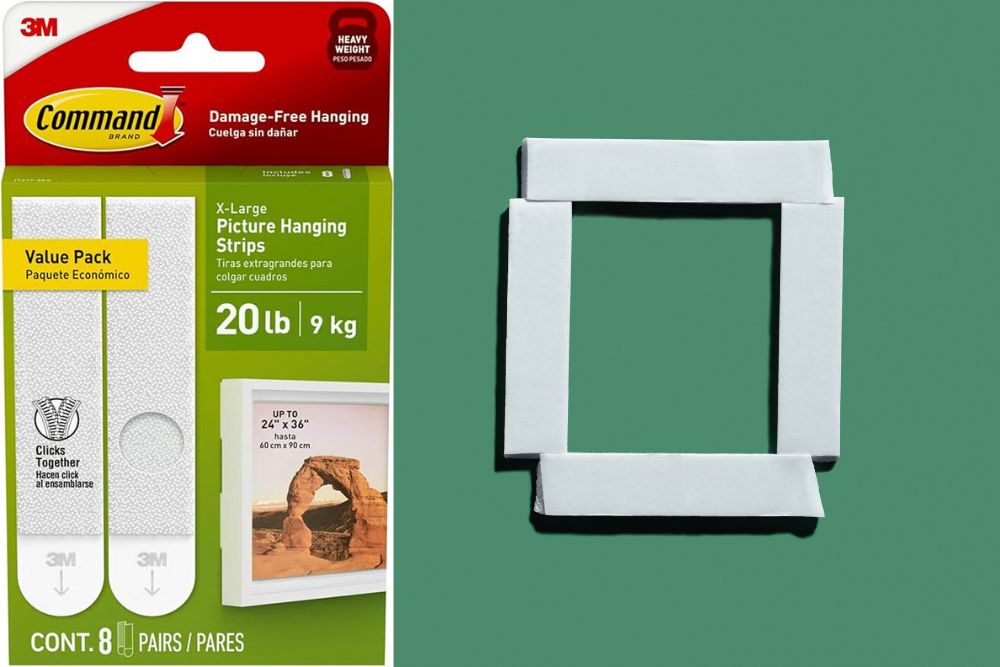
Adhesive strips are a popular go-to solution when you want to hang artwork without leaving a mark. They can be absolute lifesavers when used correctly. But before you start sticking up your favorite pieces, it’s worth knowing a few things.
- These strips work for posters, unframed canvases, or other lightweight pieces. Heavy art is unlikely to stick for long.
- Smooth, clean, and dust-free surfaces give the best hold. If your wall is textured, uneven, or grimy, the adhesive may struggle to stick.
- Wipe the wall down before applying. Even a little dust can mess with the bond.
- Over time, adhesives can weaken. Or, they grip so tightly paint gets pulled off during removal.
- Anything bulky, glass-covered, or made from metal or wood should be hung with proper wall anchors or bolted hardware.
Oh, and while we’re at it. Don’t forget the golden rule: when asking how high to hang a painting, aim for eye level, which is roughly 57-60 inches from the floor to the centre of the artwork. That way, your space feels balanced and your art gets the attention it deserves.
Affordable Nail-Free Hanging Methods
Now, let’s look at the creative ways to hang wall art without breaking your bank (and walls):
1. Use Existing Bookshelves
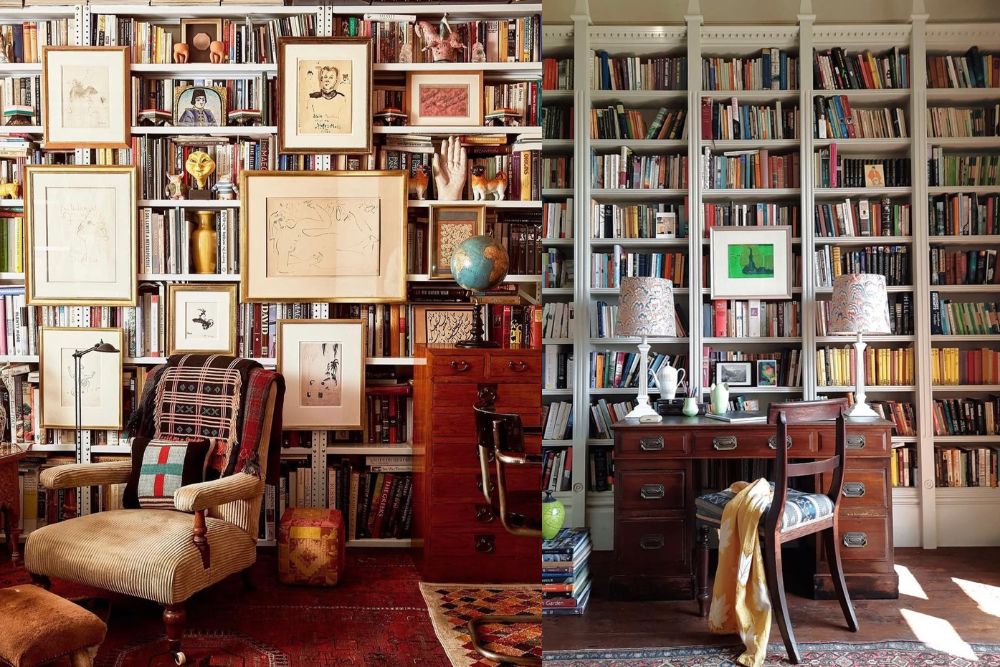
Bookshelves double as a stylish platform for art. Leaning a framed piece against the wall on a shelf creates an effortless, laid-back vibe that feels curated without trying too hard. Lightweight artwork can also hang off the shelf edge using adhesive hooks, adding an unexpected touch of personality.
This method works best in areas where shelves hold decorative or seldom-used items. Trying to squeeze art between your everyday essentials can lead to clutter or accidental bumps. For a cleaner setup, reserve this approach for display zones, like hallways, reading nooks, or that one shelf that never actually holds books.
Let your shelf do the heavy lifting, and turn it into a mini gallery that keeps your walls hole-free.
Related: 17 Art Gallery Wall Ideas That Decorate Blank Spaces Perfectly
2. Curtain Rods as Hanging Rails
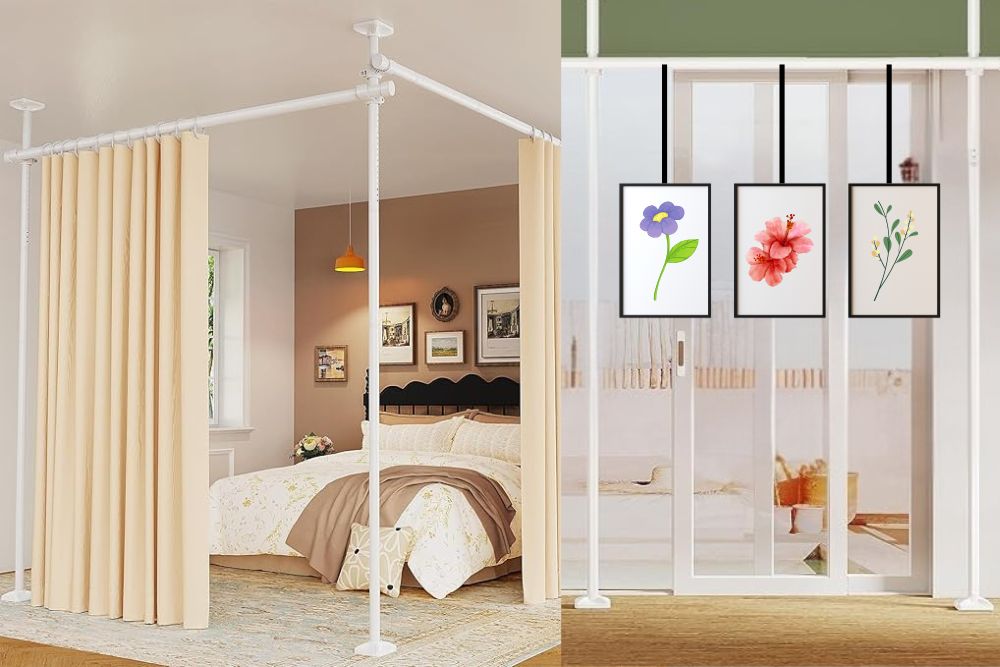
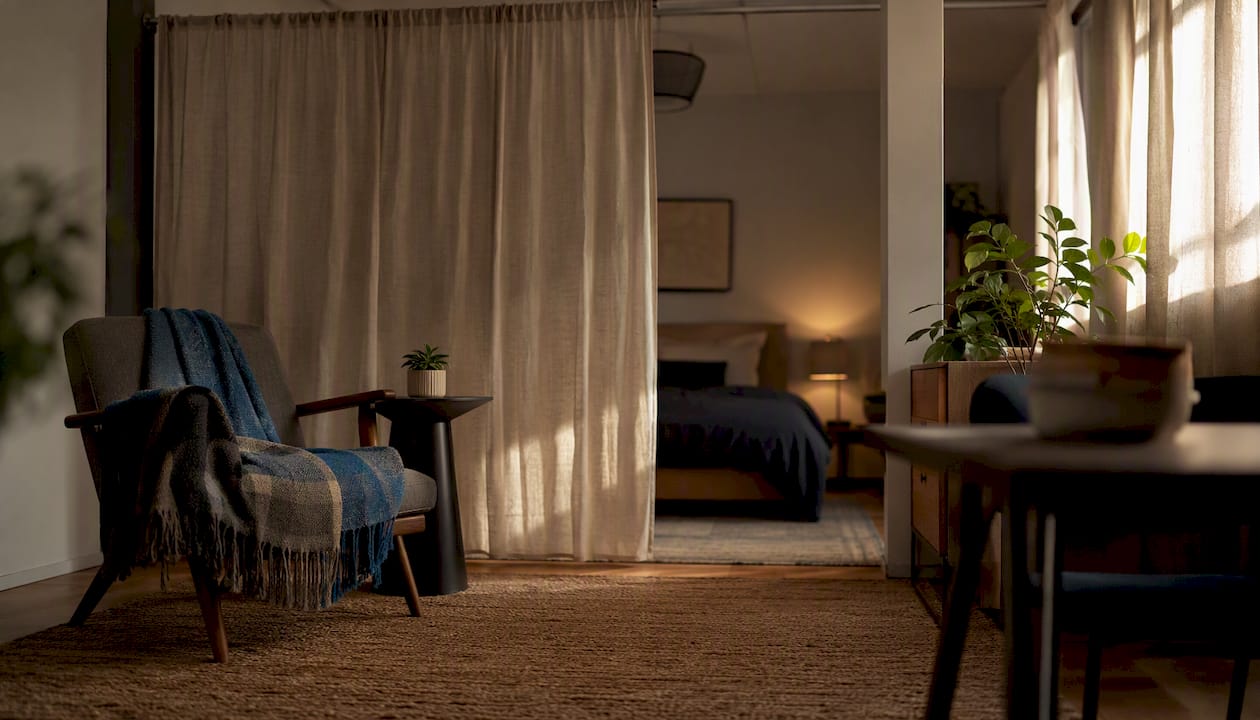
Using curtain rods is an ingenious way to display art. Tension rods placed high up near the ceiling, right against the wall, create an instant hanging rail without a single nail in sight.
Clip on a few hooks, run some clear cord or wire, and voilà, your artwork is floating in style. This trick gives a modern, gallery-like effect much like the rail system but at a fraction of the price.
Just keep it light. Posters, unframed prints, and small canvases work best here. Heavier pieces will weigh the rod down and end up in a dramatic collapse (not the kind of statement you want to make with your art).
Curtain tension rods are easily installed without drilling and also easy to uninstall. It's the perfect solution if you're renting or staying at a student hostel.
3. Folding Screens as Art Displays
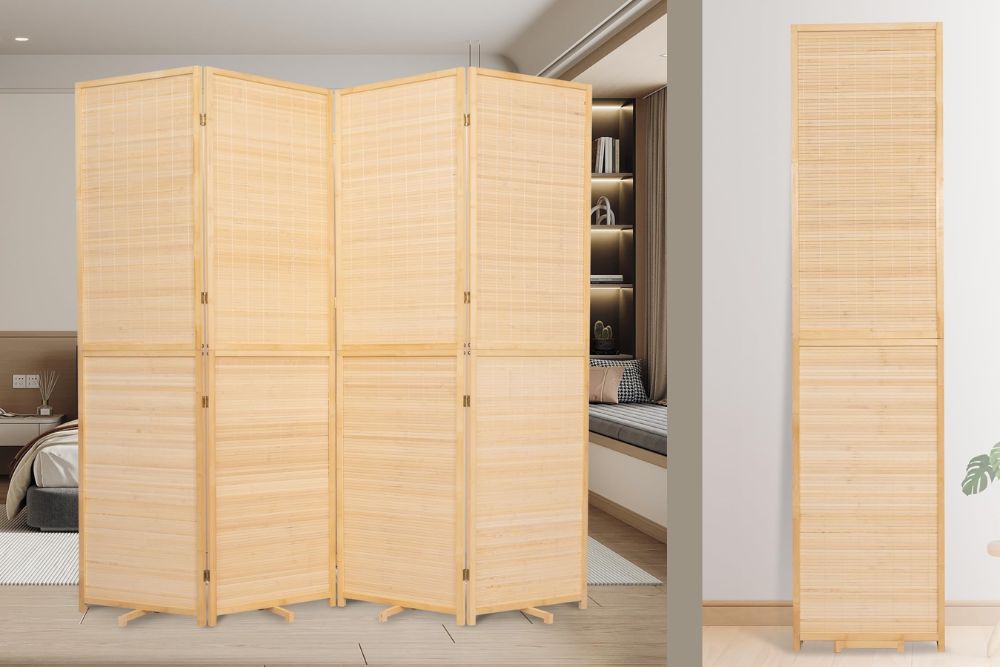
Decorative folding screens can serve as elegant backdrops for showcasing your art collection. The panels offer a perfect canvas for hanging framed pieces or smaller artworks. This can instantly change the screen into a mobile gallery.
Its flexibility allows you to easily rearrange or rotate your collection. And it gives your space a dynamic, evolving feel. Such a setup tends to bring a little extra flair to any room. It also offers a chic, movable divider that doubles as an art display.
Related: 7 Best Space-Saving Decor That Doubles as Art
4. Magnetic Poster Frames
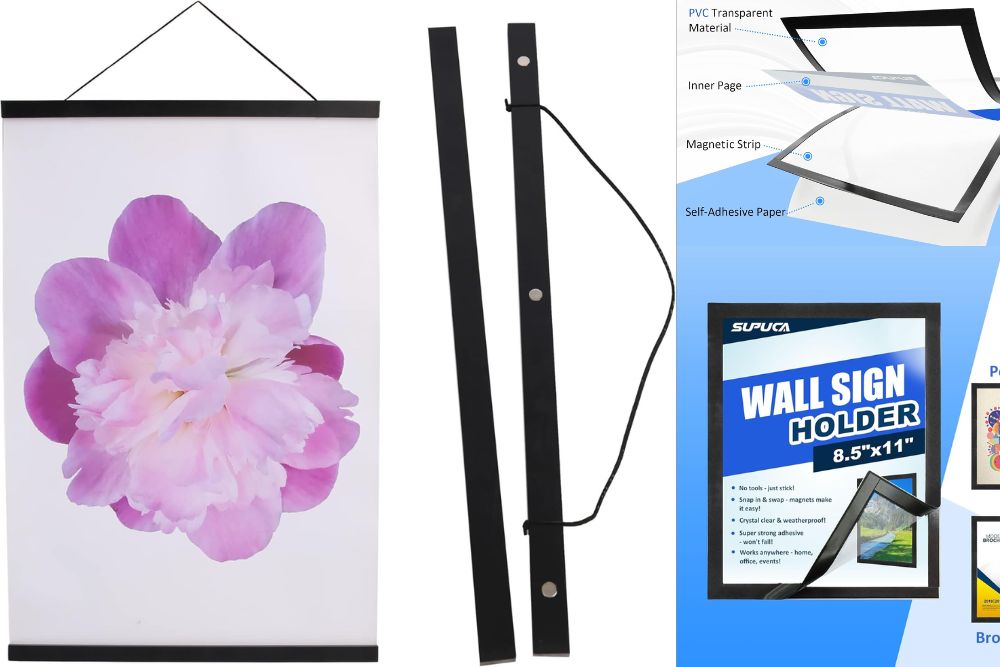
Magnetic poster frames grip your artwork at the top and bottom using slim magnetic bars. They aim to keep the artwork taut without damaging the piece. The end effect looks like a scroll with a string that you can hang from a hook (an adhesive hook no less).
Another version of the magnetic poster frame comprises of 2 clear plastic sheets stuck together by a magnetic strip border. The artwork is placed in between the plastic sheets. Peel off the adhesive backing to stick the frame on the wall. It is easily removable from smooth, glossy surfaces like a whiteboard, glass and tiles, but not recommended for painted walls. The frame easily sticks to magnetic surfaces like the refrigerator without removing the adhesive backing.
Swapping the art is quite easy with these frames. This is an attractive feature for those who love making seasonal changes in their homes (or whenever inspiration strikes). Plus, they’re super easy to reposition, so your gallery wall can evolve as often as you like.
5. Tall, Open Shelving Units

Tall, narrow shelving units without backing panels can do more than store books or baskets. They’re great for showcasing your beloved art pieces, too. These shelves create flexible vertical zones, turning blank corners or tight spaces into mini art displays.
Art can be leaned on the lower shelves for a casual look, or placed on the upper tiers to draw the eye upward and add height to the room. Mantels, sideboards, and even ladder-style shelves work beautifully for this purpose.
This layout works well when wall space is limited or off-limits. By mixing books, plants, and a few well-placed prints, you can build a layered, stylish setup that’s easy to modify anytime.
6. Freestanding Easels
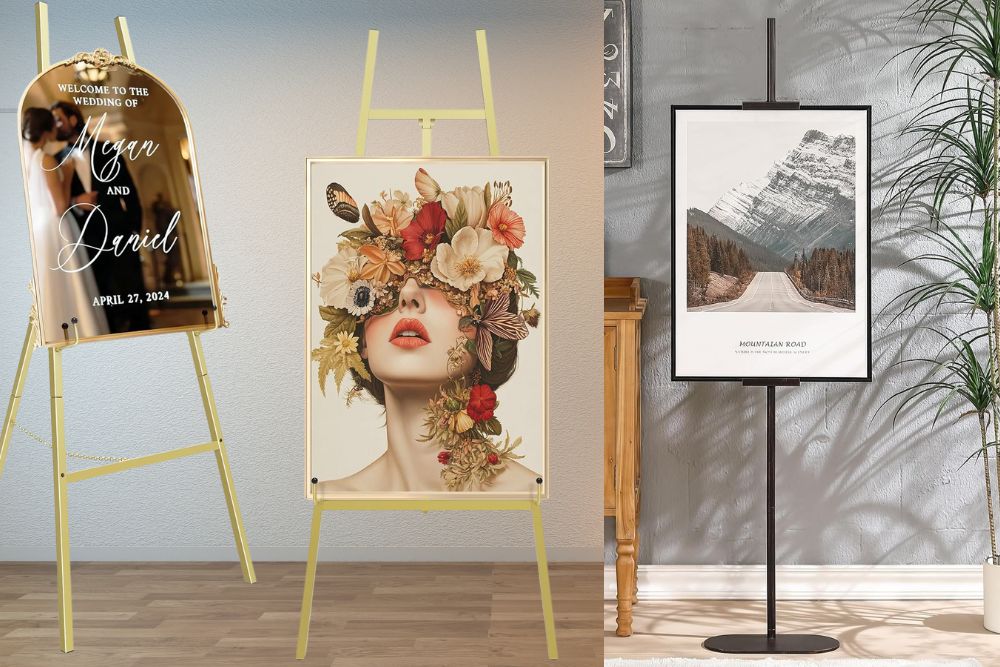
Freestanding easels are a stylish and practical way to hang paintings without nails right inside your home. These easels let your art stand tall, without occupying any wall space. They make it incredibly easy to swap out artwork whenever you like. It also adds instant artistic charm to any corner.
Choose the traditional wooden easel for an eclectic style, metallic easels to dazzle the room or the vertical standing types for a breathtaking modern and minimalist look.
7. Leaning Art on the Floor

Big, bold artwork doesn’t always need to be hanged. It can make a strong statement by simply leaning against the wall. This look is relaxed, modern, and perfect for interiors that are not taken too seriously.
Oversized frames or large canvases are a viable option here. All you need to do is prop them up on the floor, angle them slightly against furniture, or fill an empty corner and let them bring character to the room. Try layering two or three in a corner for a creative, collected feel.
This approach adds a stylish care-free edge without the hassle of mounting. And it’s super easy to move around when you're cleaning or rearranging.
Nails or No Nails?
No-nail art displays are a clever way to bring personality into your space. While these methods work well for light and breezy pieces like posters, unframed canvases, and tapestries, they aren’t built for the heavyweights. When it comes to oversized or glass-framed art, traditional hardware still wins for safety and stability.
Some materials may loosen their grip over time. Factors like humidity, textured walls, or too much weight can all play a part. That’s why it's smart to check on your displays now and then, give them a quick adjustment, or switch things up altogether.
Avoid placing no-nail displays directly above beds or seating spots. Safer zones like above sideboards, in hallways, or simply leaning on the floor make great alternatives. Art should feel fun, flexible, and personal. Try out different methods, mix things up, and turn your walls, shelves, easels, and screens into a creative extension of you!