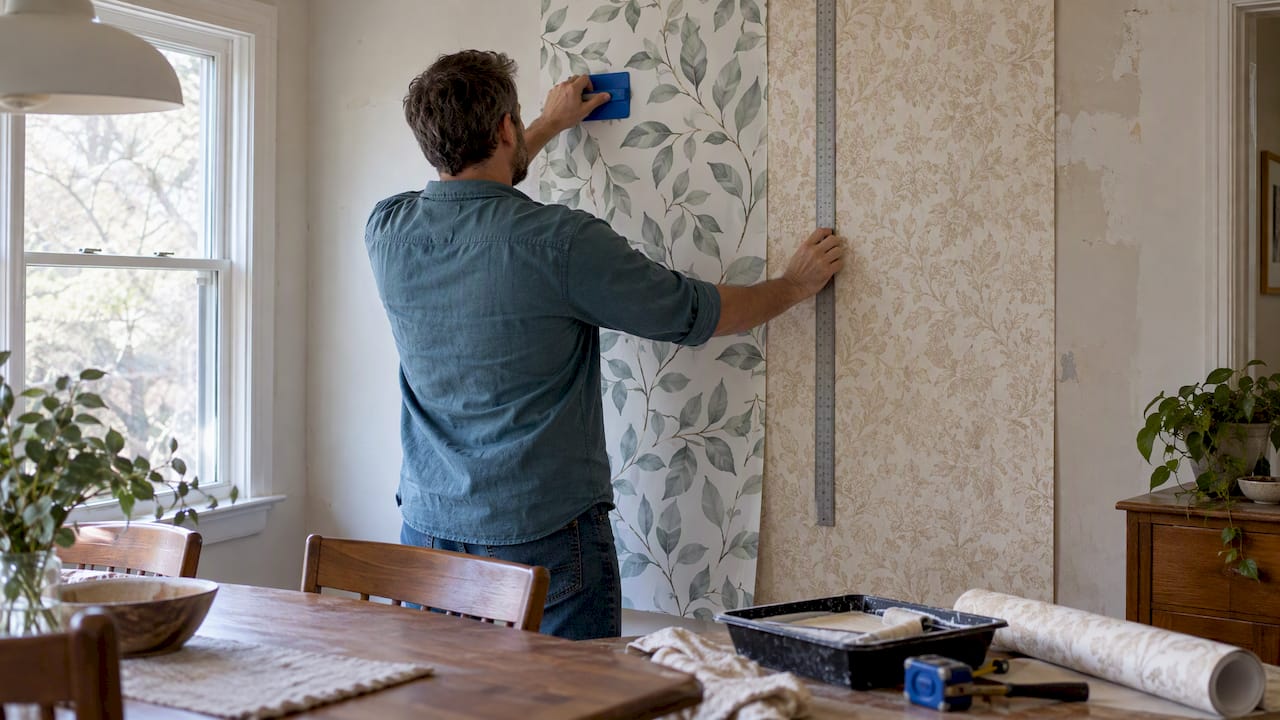
For a short-term, budget-friendly update, peel-and-stick wallpaper is the practical choice; for a long-term, moisture-resistant finish, traditional wallpaper wins. The decisive factors are lifespan and moisture tolerance: peel-and-stick typically lasts 5 to 7 years under good conditions, while professionally installed traditional paper can last 10 to 20 years or more.
TL;DR:
- Peel-and-stick wallpaper typically lasts 5 to 7 years and costs between $0.50 and $5 per square foot for installation, making it suitable for short-term or rental use.
- Traditional wallpaper, when professionally installed, can last 10 to 20 years or more and costs between $20 and $35 per square foot, ideal for long-term, high-humidity environments.
- Proper surface preparation and wall cleaning are crucial for both types, with textured or unprimed walls leading to adhesion failures and early replacement.
- Peel-and-stick performs poorly in bathrooms or kitchens with high moisture, whereas traditional wallpaper, if sealed and rated for humidity, is more durable in such rooms.
- Testing a small wall section with a 6-inch strip for 48 to 72 hours can prevent full-wall adhesion issues regardless of wallpaper type.
Table of Contents
- Comparing durability, cost, and installation side by side
- Peel-and-stick: pros, cons, and best uses for DIYers
- Traditional wallpaper: pros, cons, and best uses
- Room-by-room guidance and a decision checklist
- Estimated lifespans and cost comparisons
- Practical steps, time, tools, and what removal looks like
- Essential prep steps and the most common mistakes
- Why you can trust this guidance
- Editor perspective: a short decision flow for homeowners
- A curated shortcut for samples and tools
- FAQ
- Sources
Comparing durability, cost, and installation side by side
The two materials solve different problems, and the gap shows up clearly once you line them up by category. Peel-and-stick favors speed and reversibility. Traditional wallpaper favors permanence and performance in demanding rooms, assuming it is hung correctly.
- Durability: Peel-and-stick lasts 5 to 7 years with quality materials; traditional paper reaches 10 to 20 years or more when professionally installed.
- Cost: Peel-and-stick installation often runs $0.50 to $5 per square foot for DIY jobs, while traditional material plus professional installation can reach $20 to $35 per square foot.
- Installation: Peel-and-stick needs only smoothing tools, a straightedge, and a sharp blade, while traditional wallpaper requires paste, brushes, trays, and often two people.
- Moisture resistance: Traditional wallpaper, properly sealed and installed, handles humidity better over time; peel-and-stick is more vulnerable to heat and moisture swings.
- Removal: Peel-and-stick pulls away cleanly in most cases; traditional paper can require steaming and leaves more wall repair behind.
Peel-and-stick: pros, cons, and best uses for DIYers
Peel-and-stick earns its popularity through sheer convenience. It skips paste, booking, and the two-person choreography traditional paper demands, which makes it approachable for a first-time DIYer on a weekend timeline.
- Affordability first. Material and install costs stay low, especially for renters testing a look before committing.
- Speed matters. A single accent wall can go up in an afternoon with no drying time for adhesive.
- Lifespan has limits. Quality peel-and-stick lasts 5 to 7 years, though cheaper vinyl can fail in as little as a year or two.
- Humidity is the enemy. Direct sun, temperature swings, and steamy bathrooms shorten its working life faster than a dry bedroom would.
- Best fits: rental units, kids’ rooms, and accent walls in studio apartments where change is expected.
When shopping, look for thicker vinyl and manufacturer guidance on wall compatibility. Thinner, low-end papers stretch and show seams sooner, so the extra few dollars for a heavier roll usually pays off.
Pro Tip: Apply a 6-inch test strip for 48 to 72 hours before committing to full coverage, since that short trial reveals adhesion problems before you have cut a single full panel.
Traditional wallpaper: pros, cons, and best uses
Traditional wallpaper asks for more upfront effort and money, but it rewards patience. Properly pasted, booked, and hung paper holds its finish for a decade or longer, which changes the math for anyone planning to stay put.
- Longevity: Professionally installed traditional paper lasts 10 to 20 years or more, outlasting most peel-and-stick products by a wide margin.
- Cost tradeoff: Material and installation run $20 to $35 per square foot in many cases, a steeper entry cost that spreads out over years of use.
- Best fits: formal dining rooms, whole-home installs, and textured or embossed finishes that peel-and-stick vinyl cannot replicate convincingly.
- Predictability: Installers generally find traditional paper easier to hang consistently, and some professionals decline peel-and-stick jobs entirely because the material behaves less predictably.
Hiring a professional makes sense whenever the pattern requires precise seam matching or the walls have corners, moldings, or uneven sections that complicate booking and alignment.
Room-by-room guidance and a decision checklist
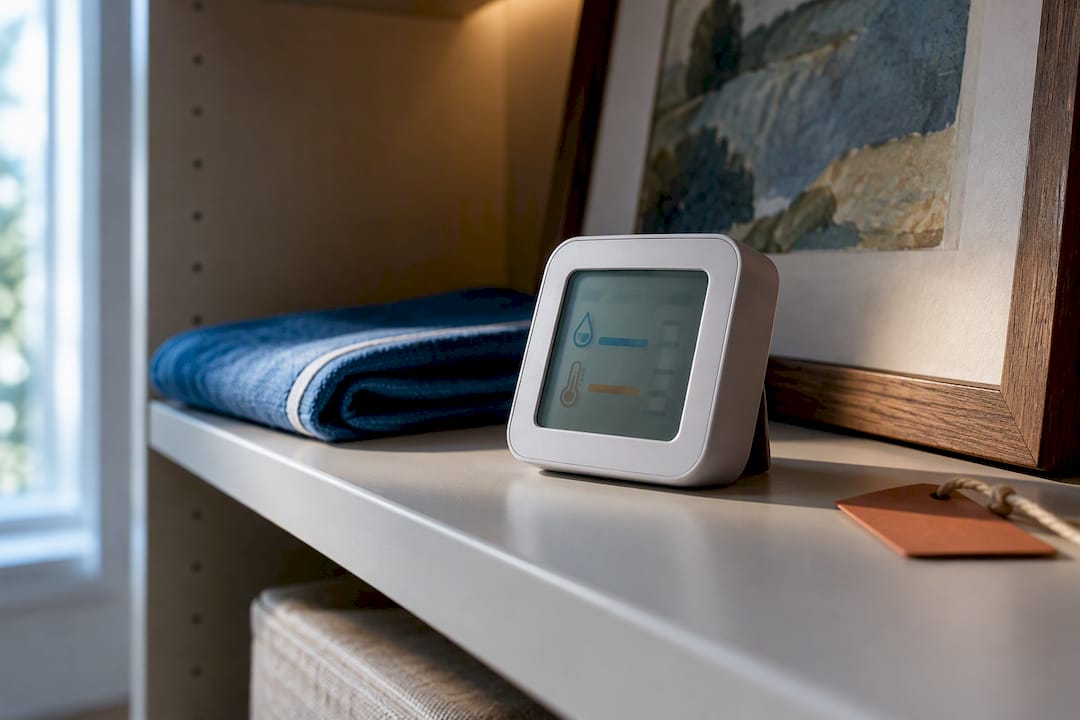
Bathrooms, kitchens, and laundry rooms punish the wrong choice fastest. Steam and splashing favor traditional wallpaper rated for moisture, or a specialist vinyl product built for wet rooms, over standard peel-and-stick.
Bedrooms, living rooms, and accent walls are more forgiving. Either option works, so the decision comes down to how long you plan to keep the look and how much texture you want underfoot, so to speak, on the wall.
- Renters or short timelines: choose peel-and-stick for easy removal at move-out.
- Long-term homeowners: choose traditional wallpaper for durability that outlasts a typical renovation cycle.
- Checklist before buying: permanence of the project, humidity in the room, direct sun exposure, wall texture, and resale considerations.
Estimated lifespans and cost comparisons
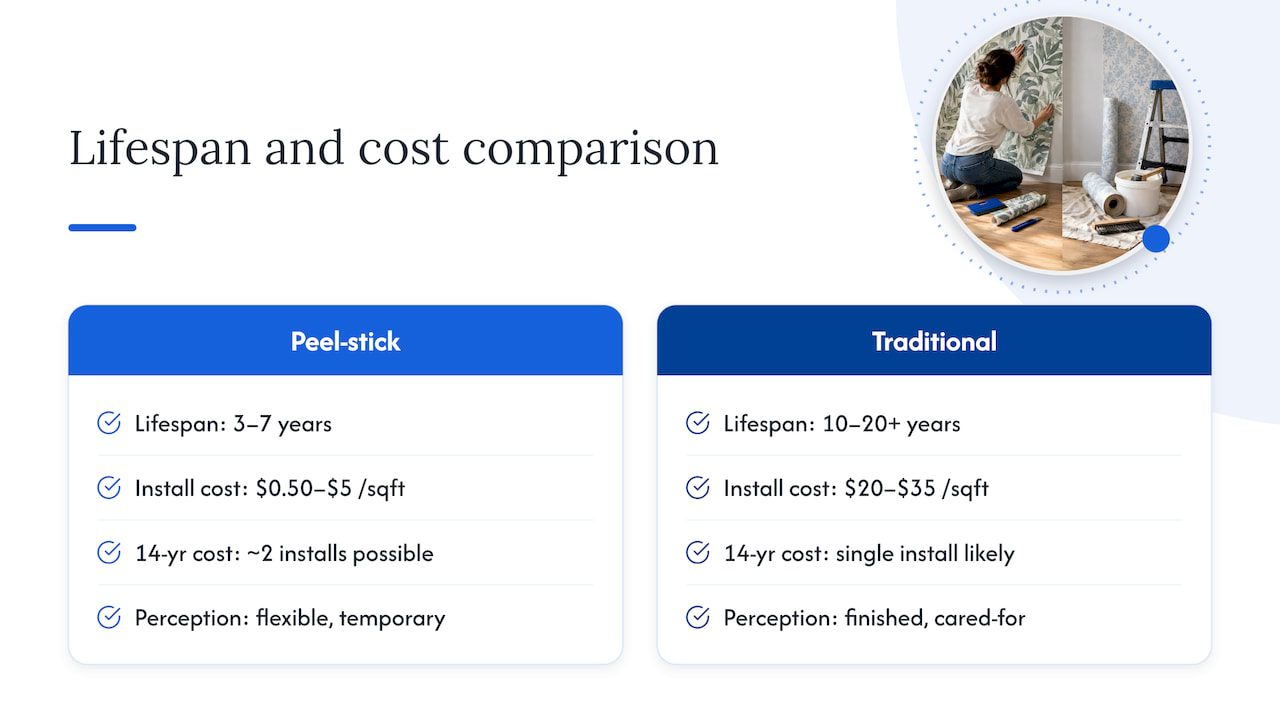
Numbers make the tradeoff concrete. Peel-and-stick wallpaper typically lasts 3 to 7 years, with quality installations on smooth walls reaching the higher end of that range, while traditional wallpaper installed by a professional lasts 10 to 20 years or more.
The gap matters for budgeting: peel-and-stick can cost as little as $0.50 to $5 per square foot to install, compared with $20 to $35 for traditional material and professional labor combined. A homeowner replacing peel-and-stick twice over a 14-year span may spend close to what one traditional install would have cost upfront, though the comparison depends heavily on room size and paper quality. Resale buyers often read traditional wallpaper as a sign of a finished, cared-for room, while peel-and-stick reads as flexible but temporary.
Practical steps, time, tools, and what removal looks like
Both materials reward careful technique, but the steps diverge early.
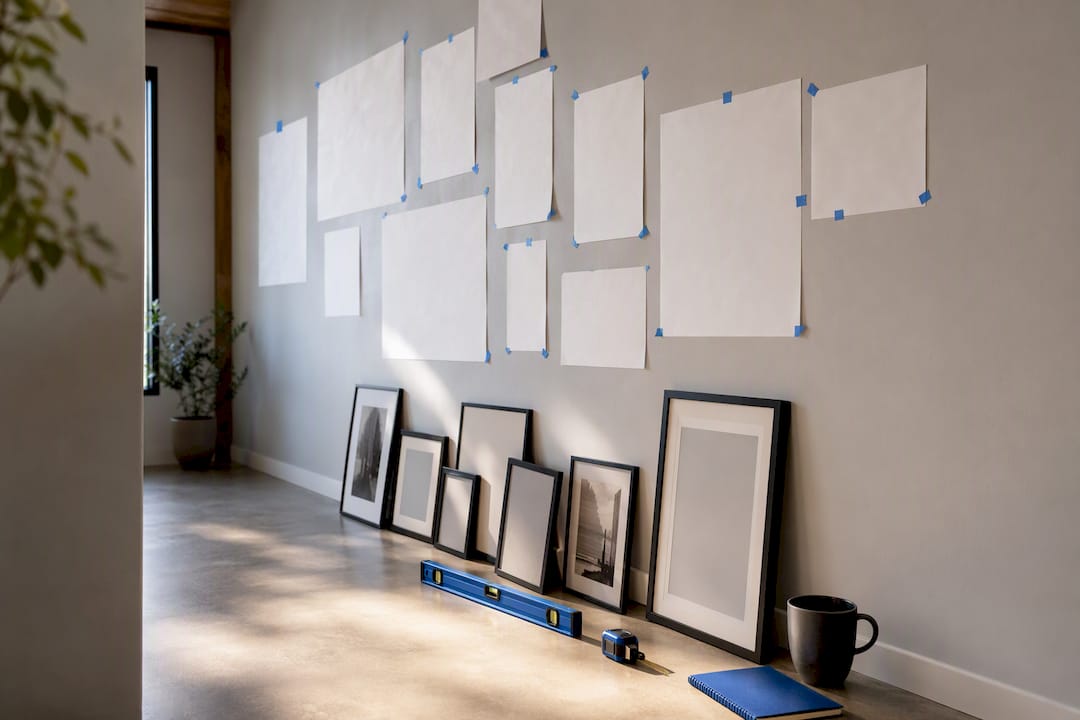
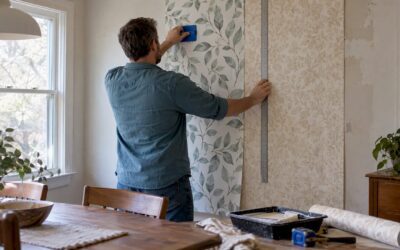
- Peel-and-stick install: prime the wall if needed, align the first panel with a level, smooth out bubbles with a squeegee, and work in manageable lengths rather than one long sheet.
- Traditional install: apply paste evenly, book the paper to let the adhesive activate, match seams carefully, and trim excess at baseboards and ceiling lines.
- Peel-and-stick removal: peel from a corner at a steady angle; most residue comes off without steam or scraping.
- Traditional removal: steam or wallpaper remover solution usually loosens the paste, and wall patching often follows to smooth out any damage.
Call in a professional when a pattern needs exact repeats across a large room or when traditional paper covers uneven walls that complicate booking and seam work.
Essential prep steps and the most common mistakes
Most wallpaper failures trace back to the wall, not the product. Surfaces need to be clean, dry, smooth, and structurally sound before any paper goes up, and poor-quality latex paint can cause adhesive failure if it is not primed first.
A simple test catches this early: cut a small X in the paint, apply tape, and pull it off. If paint lifts with the tape, prime before applying either peel-and-stick or traditional paper. Common mistakes include applying peel-and-stick to textured or stucco-like walls, skipping primer, choosing the wrong paint sheen underneath, and working in a room with poor ventilation or temperature swings.
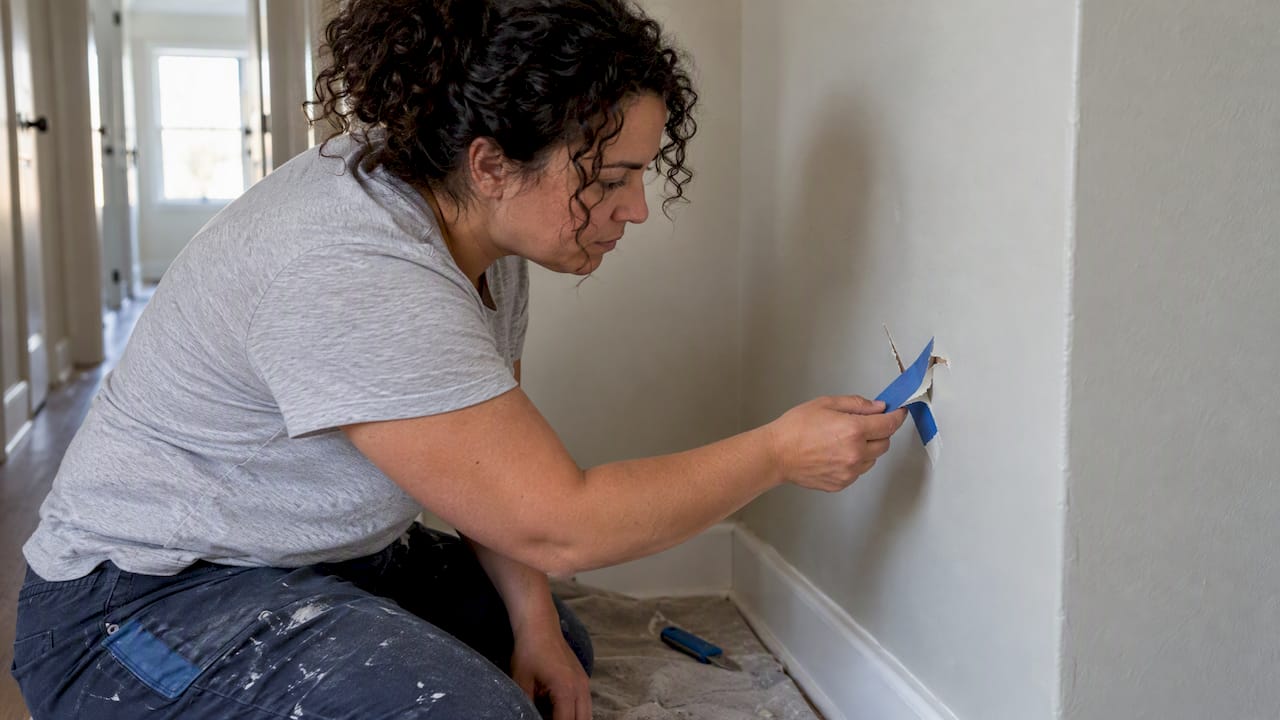
Pro Tip: Run the tape test in a hidden corner first, since a failed adhesion test there saves you from redoing an entire wall later.
Why you can trust this guidance
Art in Lifestyle covers interior design and home decor with an eye toward practical, livable solutions. This comparison draws on installation data from Angi, surface-prep guidance from Roman adhesive technical data, and interior designer perspectives compiled by BobVila, where designers generally steer temporary projects toward peel-and-stick and permanent ones toward traditional paper.
Editor perspective: a short decision flow for homeowners
Start with permanence, then weigh room conditions, then budget. If you are unsure, test a small section first and set aside funds for a professional if long-term durability matters more than this year’s trend. For curated shopping, our Store Finds selections can help narrow the search.
— Nealda
A curated shortcut for samples and tools
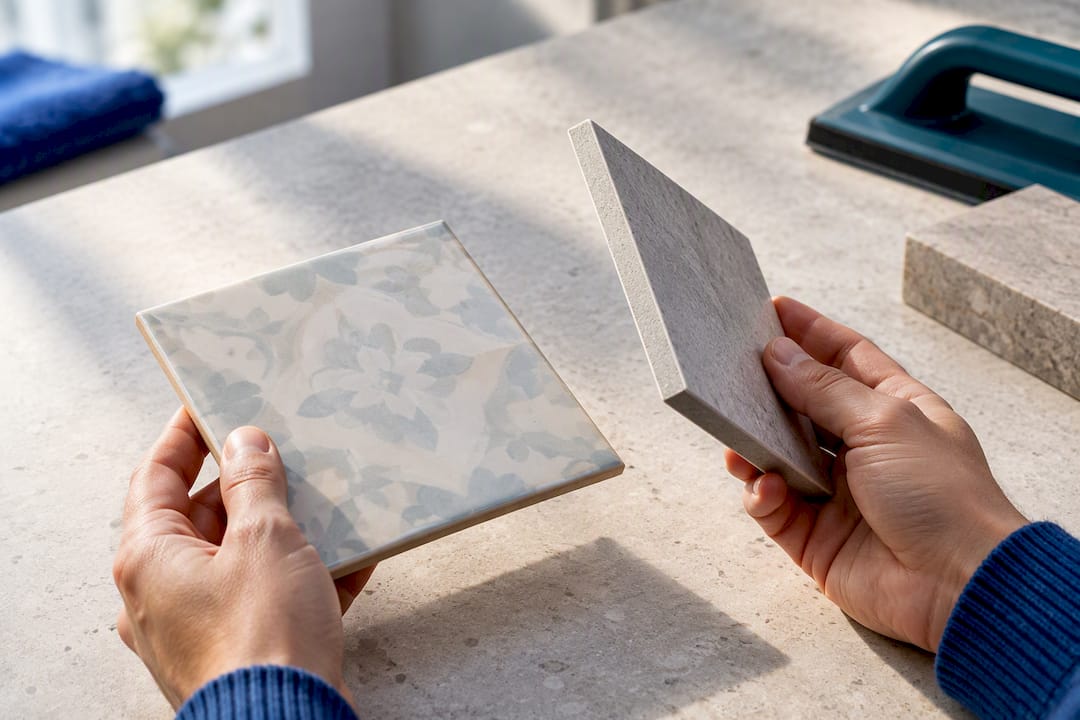
Choosing between these two wallpaper types gets easier once you can see and touch the options side by side. Selected collections gather wallpaper-friendly decor, sample packs, and the smoothing tools, straightedges, and primers this guide recommends, so you are not piecing together a shopping list from scratch.

This is not a competing product line, just a shortcut for readers who want vetted options instead of scrolling endless search results. Visit Store Finds to browse picks that pair well with either a peel-and-stick accent wall or a full traditional install, and check our DIY home decor ideas for more project inspiration. For broader styling context on display and layout, office lobby display ideas offer useful parallels for feature-wall thinking.
FAQ
What are the downsides of peel and stick wallpaper?
Peel-and-stick wallpaper has a shorter lifespan than traditional paper and performs poorly in humid or sun-exposed rooms. Lower-quality vinyl can stretch, show seams, or fail within a couple of years, so checking vinyl thickness before buying matters.
Is wallpaper outdated in 2026?
Wallpaper is not outdated. Both peel-and-stick and traditional options remain popular for accent walls, rentals, and full-room designs, with each suited to different timelines and budgets.
What are common mistakes with peel and stick wallpaper?
The most frequent mistakes are applying it to textured or unprimed walls and skipping a patch test before full installation. Surfaces need to be clean, dry, and smooth for either wallpaper type to adhere properly and last as expected.
Does peel and stick wallpaper look cheap?
Quality peel-and-stick, applied to a properly prepared wall, can look comparable to traditional paper for years. Thinner, low-end vinyl is more likely to show seams or stretch, which is usually what creates a cheaper appearance.
Sources
- Peel-and-Stick vs. Traditional Wallpaper: Which Is Right for Your Space? | Angi
- How Long Does Peel-and-Stick Wallpaper Last? | Angi
- Interior designers reveal their honest opinions on peel-and-stick wallpaper vs. paste | BobVila
- ROMAN UNIVERSAL BORDER/WALLPAPER ADHESIVE (PRO-543) technical data