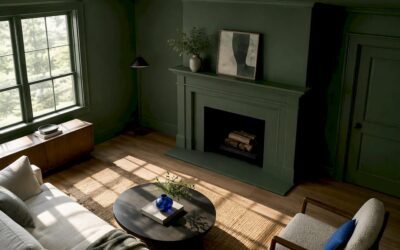
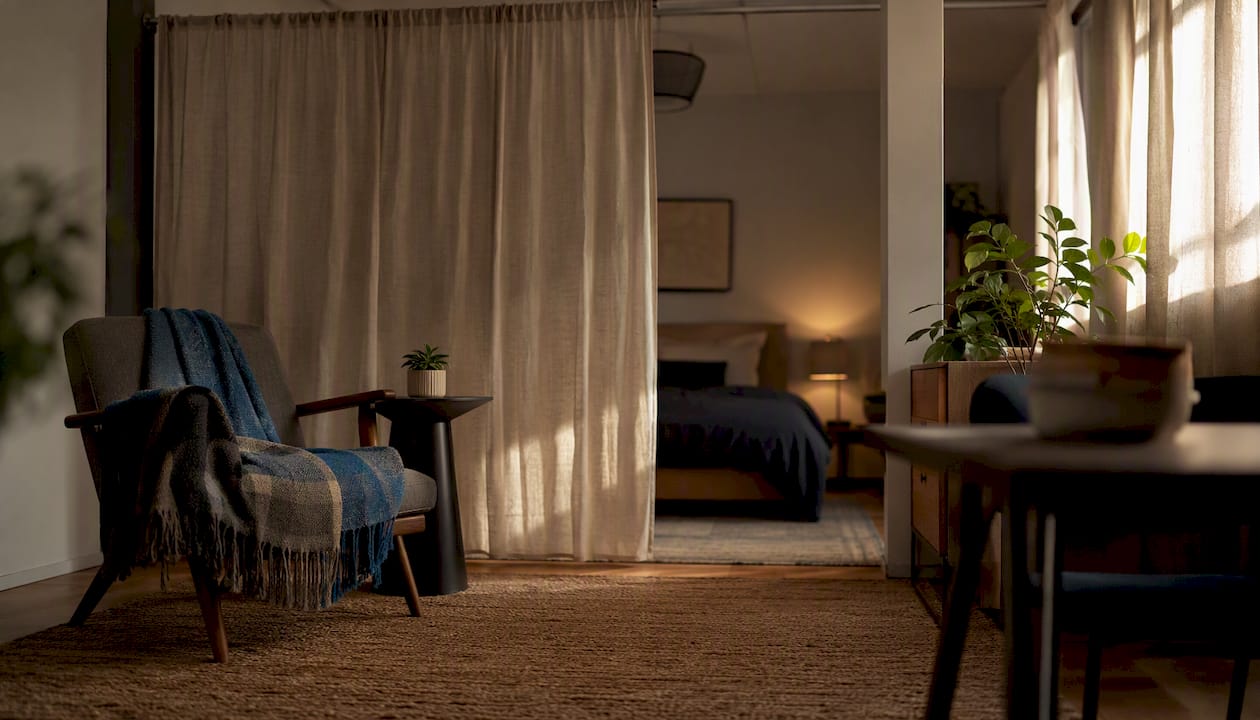
The most reliable studio apartment divider ideas fall into four categories: ceiling-mounted curtains for privacy, open shelving like the IKEA KALLAX for storage, multifunctional furniture such as a Murphy bed for flexibility, and folding or slatted screens for light control. Designers who study small-space layouts consistently point to one method above all others: layering visual, physical, and lighting dividers together rather than betting everything on a single wall substitute.
Which combination works depends on your square footage and what you’re actually trying to solve.
- Under 300 square feet: lean on visual dividers alone, like a rug boundary and a paint shift, so you don’t lose walking room.
- 300 to 450 square feet: mix one physical divider (bookcase or curtain) with a lighting change between zones.
- 450 square feet and up: you can support a semi-structural option, like a sliding panel or a Murphy bed wall, without cramping circulation.
Key Takeaways
Layering a visual boundary, a physical divider, and a lighting shift is the single most effective way to make a studio apartment function like a multiroom home.
| Point | Details |
|---|---|
| Start with measurements | Keep 18 inches for small passages and 36 inches for main walkways before buying anything. |
| Layer, don’t rely on one thing | Combine a rug boundary, a physical divider, and a lighting shift for the strongest effect. |
| Choose renter-safe first | Tension-rod curtains and freestanding bookcases cost $35 to $180 and risk no deposit. |
| Match privacy to your real need | Solid options like wardrobes or half-walls are the only real fix for noise control. |
| Style it like a room, not a barrier | Pick a divider that adds storage or display space so it earns its footprint. |
Table of Contents
- Studio Apartment Layout Ideas That Actually Divide Space
- How Do You Choose the Right Room Divider for a Studio?
- Cost, Difficulty, and Timeline by Divider Type
- When Should You Consider a Semi-Structural Divider?
- Small Styling Moves That Make a Divider Feel Intentional
- A Designer-Backed Checklist for Integrating Your Divider
- Sources
Studio Apartment Layout Ideas That Actually Divide Space
A studio apartment layout only reads as “divided” when at least two senses register the change: your eyes see a boundary and your body feels a shift, whether that’s a change in flooring texture, light temperature, or sightline. Here are ten options worth considering, ranked by how often they show up in real small-space renovations.
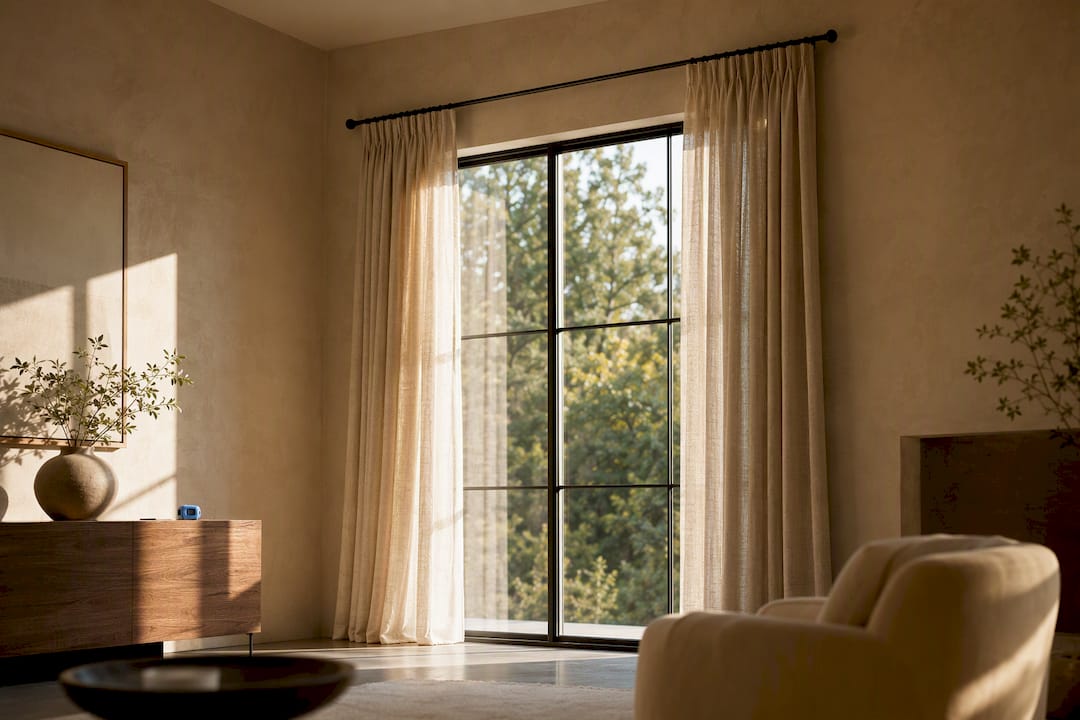
- Ceiling-mounted curtain track. Wraps the sleep zone in full privacy and blocks light completely; best for anyone who needs total darkness to sleep. Cost runs $60 to $200 depending on track length. Requires ceiling anchors, so check with your landlord first.
- Tension-rod curtains. The most deposit-safe option on this list, since it needs zero drilling. Privacy is moderate (gaps at the sides) but it’s the cheapest true room divider you can buy.
- Open shelving or bookcase divider. A freestanding IKEA KALLAX unit turned perpendicular to a wall gives you storage on both faces while letting light pass through the cubbies. It’s the rare divider that pays you back in function.
- Folding screens or shoji panels. Foldable, movable, and genuinely elegant, but they offer partial privacy at best since most fold flat rather than seal a gap.
- Slatted wood screens. Sit between a bookcase and a curtain: light and airflow move through the slats while your silhouette stays hidden.
- Area rugs plus furniture placement. The zero-cost option. A distinct rug boundary paired with a sofa back facing the “bedroom” side does more psychological work than most people expect.
- Platform or raised bed with storage. Elevates the sleep zone visually and adds drawer storage underneath, at the cost of a few thousand dollars for a custom build.
- Murphy bed (wall bed). Folds away entirely during the day, freeing the whole footprint for living space; the tradeoff is a real installation project and a real budget.
- Sliding panel or track systems. Modern, low-footprint, and increasingly treated as design statements in their own right rather than just utility.
- Wardrobe or storage-wall dividers. The most solid option short of construction, and the best choice if soundproofing actually matters to you.
Pro Tip: Pair a see-through divider, like open shelving or slats, with a rug boundary on the floor, as outlined in this plan for first-time renters to budget your move efficiently. You get storage and airflow without sacrificing the visual cue that tells your brain “this is a different room.”
How Do You Choose the Right Room Divider for a Studio?
Measure before you shop. Keep at least 18 inches of clearance for minor passages and closer to 36 inches for main walkways leading to your door or bathroom, and note your ceiling height if you’re eyeing a loft bed or ceiling track.
- Define your real goal. Nightly privacy, extra storage, or just a visual break between “work” and “sleep” each point to a different solution.
- Map the room to scale. A rough floor plan on paper prevents the classic mistake of buying a screen that blocks your only window.
- Rank privacy against light. You can rarely maximize both, so decide which one you’ll trade off.
- Separate renter-safe from permanent. If you might move within two years, skip anything requiring drilling or contractor work.
- Protect circulation and storage. A divider that solves privacy but kills your closet access isn’t a win.
Watch for red flags: dividers that block your only natural light source, screens placed where they create a dead-end walking path, and any option that eats storage you actually need. Before buying, ask yourself: do I need privacy every night, or just occasionally? And is ceiling drilling even allowed in my lease?
Cost, Difficulty, and Timeline by Divider Type
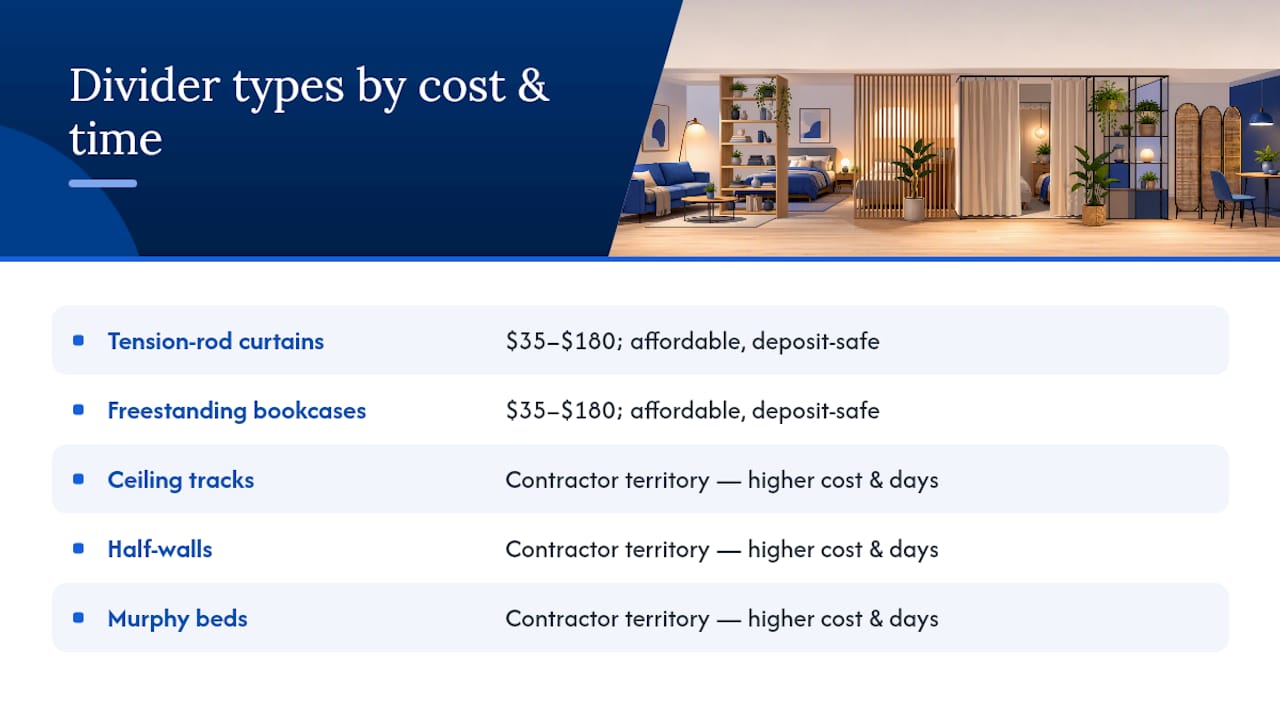
Renter-friendly options typically run $35 to $180, with tension-rod curtains and freestanding bookcases topping the list for being both affordable and deposit-safe. Anything involving ceiling tracks, built half-walls, or a Murphy bed climbs quickly into contractor territory, both in dollars and days.
When Should You Consider a Semi-Structural Divider?
A sliding panel, temporary half-wall, or Murphy bed makes sense once you own the place, plan to stay several years, or need actual sound control, since only solid or sealed options genuinely block noise the way slats and shoji screens never will. If you’re hosting guests regularly or working from home on calls, that noise barrier stops being a nice-to-have.
Before committing, check a few practical details:
- Confirm whether your building requires permits for anything anchored to the ceiling or floor.
- Loft beds and raised platforms need real ceiling height clearance, so measure twice before ordering.
- Ask your contractor for a realistic timeline; Murphy bed installs commonly take a full day once cabinetry is involved.
If your landlord says no to drilling, floor-mounted, weighted tracks are a legitimate substitute for ceiling screws, and they still hold a curtain or panel steady. Anchor any tall freestanding bookcase to the wall regardless of whether you rent or own. It’s a two-minute safety step that prevents tip-over accidents.
Small Styling Moves That Make a Divider Feel Intentional
A divider that looks like an afterthought undercuts the whole effect. A few low-cost moves fix that fast:
- Paint or wallpaper just the sleep-zone wall a different tone so the eye registers a boundary before it even reaches your curtain or shelf.
- Shift lighting temperature between zones: warmer bulbs near the bed, brighter task lighting over your desk or kitchen counter.
- Add a floor-length mirror opposite a light-blocking divider to bounce back what you lose.
- Use tall plants as a soft, breathable screen. Check our apartment flowers guide for picks that thrive in lower light.
- Choose open slats, frosted glass, or translucent curtain panels when you want separation without sacrificing daylight.
Pro Tip: A distinct rug under each zone, recommended by storage specialists as a low-cost zoning trick, does more to signal “separate room” than most people expect from a $50 purchase.
A Designer-Backed Checklist for Integrating Your Divider
Favor a divider that earns its footprint twice, once as storage or artwork, once as separation. Three quick rules keep it cohesive: match its scale to the room, repeat one material or color across both zones, and give each side its own light source.
Layering a divider that also holds books, art, or plants turns a practical fix into a design feature, not a barrier bolted on as an afterthought.
Browse space-saving decor that doubles as art for pieces built to do exactly that.
A Note From Art in Lifestyle
Layering a curtain, a shelf, and a lamp beats any single divider alone. Explore our small-space styling library for more room-by-room ideas.
Sources
- 10 Room Divider Ideas That Add Privacy Without Losing Light
- 25 Room Divider Ideas That Look So Good You’ll Forget Why You Needed Them
- Studio Apartment Ideas with Real Dimensions
- Room Divider Ideas for Studio Apartments: Renter-Friendly Ways to Zone One Room
FAQ
What is the cheapest way to divide a studio apartment?
A tension-rod curtain paired with a distinct rug is the lowest-cost option, typically running $35 to $80 with zero drilling required.
Does an IKEA KALLAX work as a room divider?
Yes. Turned perpendicular to a wall, it separates zones while adding two-sided storage, and it lets some light through its open cubbies.
Is a Murphy bed worth it in a small studio?
If you need the full floor space back during the day and plan to stay in the unit long-term, yes. Installation typically runs $800 to $3,000 or more and involves a pro.
Will a curtain divider block too much light?
A ceiling-mounted curtain blocks significant light when closed. A slatted screen or sheer panel preserves more daylight while still creating visual separation.
Can renters install a room divider without losing their deposit?
Yes. Tension-rod curtains, freestanding bookcases, and floor-mounted weighted tracks avoid drilling entirely and are considered the safest options for renters.
Recommended
- Apartment Flowers for Small Spaces: Easy Picks and Styling
- DIY Ideas for Home Decor That Transform Any Space
- Modern Office Interior Design Ideas for 2026 Workplaces
- 7 Best Space-Saving Decor That Doubles as Art in Small Rooms