The most effective indoor plants for mold prevention are English Ivy, Peace Lily, Boston Fern, Snake Plant, Aloe Vera, Orchid, Areca Palm, and Spider Plant. Each one works differently, whether by absorbing excess moisture, filtering airborne pollutants, or supporting the kind of healthy indoor air quality that discourages mold from taking hold. Think of them less as cures and more as quiet, living guardians of your home’s atmosphere.
Here is a quick overview of what each plant brings to the table:
- English Ivy absorbs moisture through its leaves and reduces airborne mold spores by up to 78% within 12 hours in humid environments
- Peace Lily filters volatile organic compounds (VOCs) and thrives in low-light, high-humidity spaces like bathrooms
- Boston Fern acts as a natural humidity balancer, drawing moisture from the air with its dense, feathery fronds
- Snake Plant tolerates neglect beautifully and filters mold spores while releasing oxygen at night
- Aloe Vera prefers dry conditions, making it a low-risk, low-maintenance addition to mold-prone rooms
- Orchid absorbs moisture through aerial roots and adds sculptural elegance to any space
- Areca Palm regulates humidity across larger rooms with its broad, feathery leaves
- Spider Plant removes toxins and excess moisture from the air, thriving in low to medium light
These plants help manage the conditions that allow mold to grow. They do not remove existing mold from walls or surfaces. That distinction shapes everything about how you use them.
The best indoor plants for mold, profiled and explained
1. English Ivy (Hedera helix)
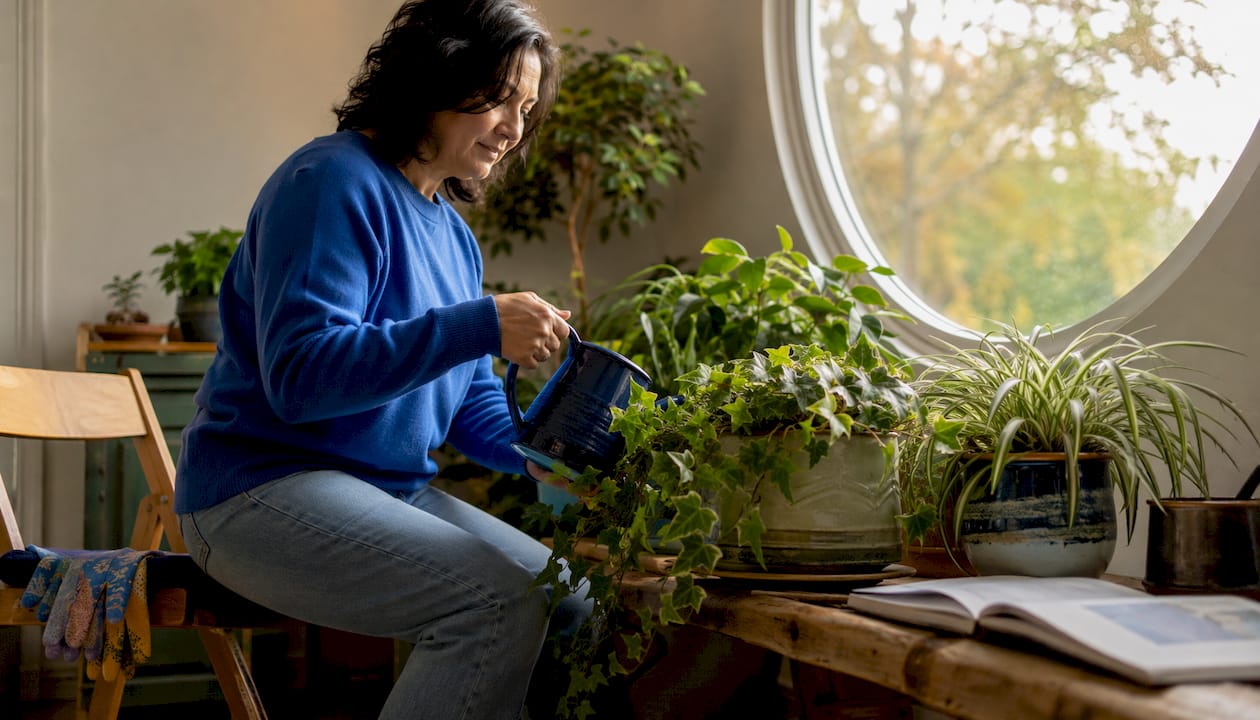
English Ivy is the standout performer among mold-resistant houseplants. Studies show it can reduce airborne mold spores by up to 78% within 12 hours, making it particularly well-suited to bathrooms and other damp-prone spaces. It thrives in lower light conditions, which is a genuine advantage in rooms without large windows.
- Light: Low to indirect light
- Watering: Only when soil has dried out completely, roughly once every one to two weeks
- Best placement: Hanging baskets, high shelves, or windowsills in bathrooms and laundry rooms
- Care note: Avoid soggy soil; overwatering undermines its mold-fighting benefits
2. Peace Lily (Spathiphyllum)
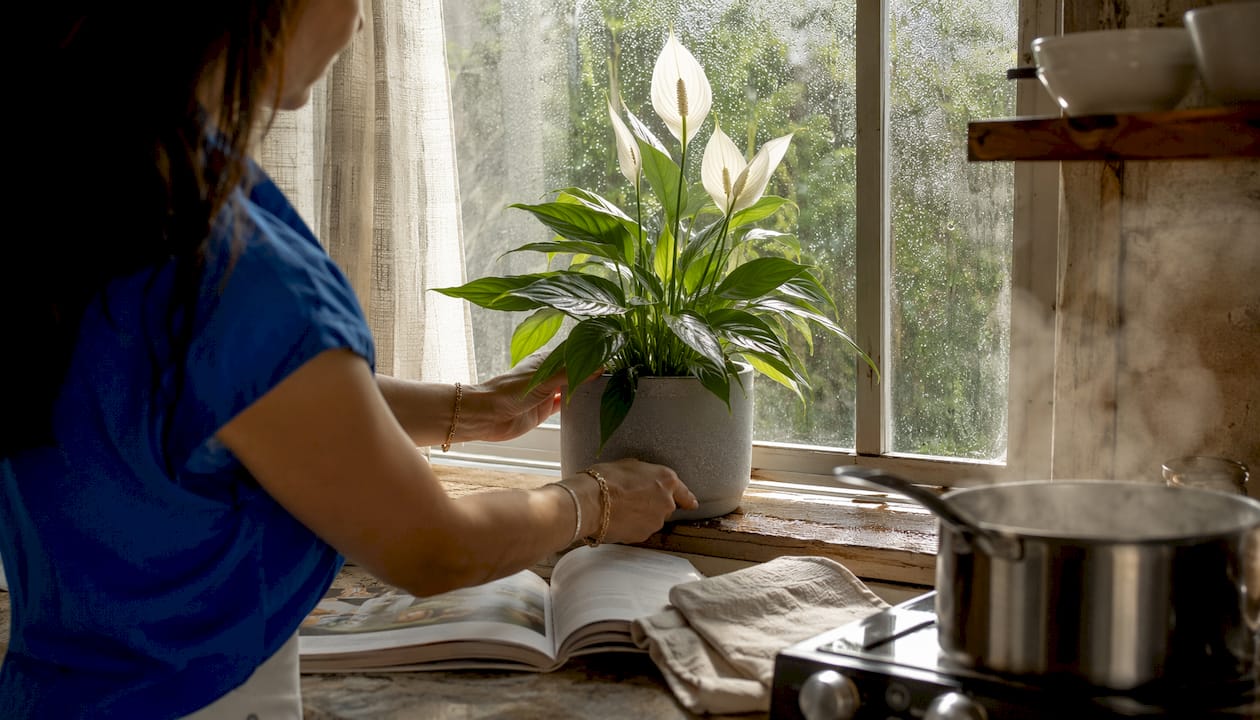
The Peace Lily is one of the most versatile plants that absorb moisture and filter indoor air. Its broad, glossy leaves can trap airborne mold spores, while the microbes living in its root zone help break down bacteria and organic pollutants naturally. NASA’s Clean Air Study identified it as one of the top houseplants for filtering VOCs including benzene and formaldehyde.
- Light: Low to moderate indirect light
- Watering: Keep soil consistently moist but never waterlogged
- Best placement: Bathrooms, laundry rooms, or any room with moderate humidity
- Care note: Keep away from pets and children; the plant is mildly toxic if ingested
Pro Tip: Place a Peace Lily near the shower or washing machine where steam accumulates. It will absorb the moisture before it can settle on walls.
3. Boston Fern (Nephrolepis exaltata)
Boston Ferns are natural humidity controllers, drawing water vapor from the air through their dense, arching fronds. They love moisture, which makes them ideal for bathrooms and kitchens where humidity spikes regularly. The trade-off is that they need more consistent attention than English Ivy.
- Light: Indirect, bright light
- Watering: Keep soil consistently moist; does not tolerate drying out well
- Best placement: Bathrooms, kitchens, or any room with high ambient humidity
- Care note: Mist the fronds occasionally in drier months to keep the plant healthy and effective
4. Snake Plant (Sansevieria trifasciata)
The Snake Plant, also called mother-in-law’s tongue, is the most forgiving option on this list. It filters mold spores and air pollutants while requiring watering only every few weeks. For homeowners who travel frequently or simply want a low-maintenance mold-resistant houseplant, it is hard to beat.
- Light: Tolerates low light but prefers indirect bright light
- Watering: Every two to four weeks; highly drought-tolerant
- Best placement: Bedrooms, living rooms, or any room where you want passive air filtration
- Care note: Avoid overwatering entirely; root rot is the one real threat to this plant
5. Aloe Vera
Aloe Vera prefers dry, well-lit conditions, which makes it a smart choice for rooms that are mold-prone but not perpetually damp. It filters airborne pollutants and releases oxygen, contributing to a cleaner indoor environment without adding moisture to the air. Its sculptural, architectural form also makes it a natural fit for modern interiors.
- Light: Bright, direct or indirect sunlight
- Watering: Every two to three weeks; allow soil to dry completely between waterings
- Best placement: Sunny windowsills in kitchens or living rooms
- Care note: Use a well-draining cactus mix and a pot with drainage holes to prevent root rot
6. Orchid
Orchids absorb moisture through their aerial roots, making them genuinely useful in humid spaces rather than merely decorative. They prefer bright, indirect light and moderate humidity, which aligns well with bathroom conditions. Their elegant, sculptural blooms also make them one of the most visually rewarding choices for a mold-prone room.
- Light: Bright, indirect light
- Watering: Water sparingly; allow roots to dry between waterings
- Best placement: Bathroom windowsills or shelves with good indirect light
- Care note: Avoid standing water in the pot; aerial roots need airflow to function properly
7. Areca Palm (Dypsis lutescens)
The Areca Palm is the best choice for larger rooms where humidity tends to accumulate across a wide area. Its broad, feathery leaves release moisture through transpiration while also filtering airborne pollutants, creating a more balanced indoor atmosphere. A government of India study conducted at the Paharpur Business Centre in New Delhi found that areca palm was among three plant species that contributed to the healthiest indoor air quality in the city, tested over 15 years.
- Light: Bright, indirect light
- Watering: Keep soil moist but not soggy; water when the top inch of soil feels dry
- Best placement: Living rooms, open-plan spaces, or any large room with humidity concerns
- Care note: Wipe leaves occasionally to remove dust, which can reduce the plant’s air-filtering capacity
8. Spider Plant (Chlorophytum comosum)
Spider Plants are among the most adaptable and allergy-friendly plants you can bring indoors. They remove toxins and excess moisture from the air, tolerate low to medium light, and are non-toxic to pets. Research on VOC removal by ornamental plants confirms that Chlorophytum comosum shows strong phytoremediation capacity, removing a meaningful percentage of airborne pollutants in controlled settings.
- Light: Low to medium indirect light
- Watering: Moderate; allow soil to partially dry between waterings
- Best placement: Kitchens, offices, or children’s rooms where air quality and safety both matter
- Care note: Spider plants produce offshoots called “spiderettes” that can be propagated easily, giving you more plants for more rooms
How indoor plants actually improve air quality and reduce mold
Plants improve indoor air quality through several overlapping mechanisms, and understanding which ones are real helps you use them more effectively. The most well-documented process is biofiltration: leaves absorb gaseous pollutants through tiny pores called stomata, while root zone microbes break down contaminants in the growing medium. This means a healthy, well-maintained plant in good soil does more than a stressed one in compacted, waterlogged potting mix.
Transpiration is the other key process. Plants release water vapor through their leaves as part of photosynthesis, which can slightly raise indoor humidity. In a centrally heated home where the air tends to be dry, that added moisture is often welcome. In an already-damp room, though, it is worth pairing plants with adequate ventilation.
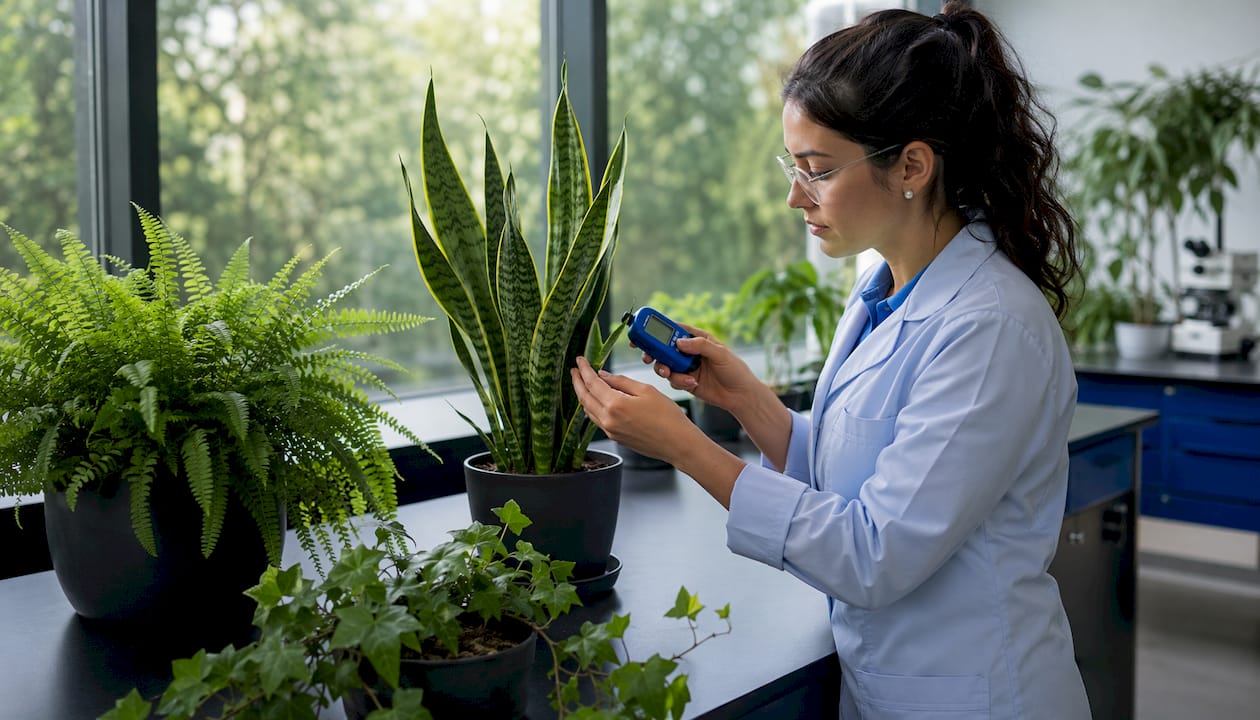
Plants also filter VOCs, the volatile organic compounds released by cleaning products, paints, and synthetic materials, that contribute to the kind of indoor air pollution that encourages mold-friendly conditions. Houseplants including Peace Lily, Boston Fern, Ivy, Palms, and Snake Plant have all been shown to reduce VOC concentrations indoors. A comprehensive scientific review confirms that indoor plants improve air quality and regulate humidity, but notes that meaningful impact requires multiple species, adequate plant density, and consistent care.
One limitation deserves plain acknowledgment: plants cannot remove mold from walls, ceilings, or surfaces. They manage the atmospheric conditions that allow mold to develop. That is a genuinely useful role, but it is a complementary one. Dehumidifiers, proper ventilation, and good building maintenance remain the primary defenses.
Where to place plants and how to care for them to prevent mold
Placement and care are where most homeowners either maximize or undermine their plants’ benefits. A Peace Lily sitting in a dark corner with soggy soil is not fighting mold; it is potentially contributing to it.
Placement guidelines:
- Bathrooms: Peace Lily, Boston Fern, and English Ivy all thrive in steamy, humid bathroom conditions. Place them on shelves, windowsills, or in hanging baskets where airflow reaches the leaves.
- Kitchens: Snake Plant and Spider Plant handle heat and humidity well and work quietly in the background without demanding much attention.
- Living rooms and bedrooms: Areca Palm and Snake Plant suit larger, drier spaces where you want passive air filtration without adding significant moisture.
- Near windows: English Ivy and Areca Palm benefit from natural light while managing moisture near glass surfaces where condensation tends to form.
Care habits that protect against mold on and around plants:
- Use pots with drainage holes. Standing water beneath a pot is one of the fastest ways to create a mold-friendly environment.
- Choose a well-draining potting mix rather than dense, moisture-retaining soil.
- Water on a schedule that matches each plant’s needs, not a fixed weekly routine that ignores the actual soil condition.
- Wipe leaves with a damp cloth periodically to remove dust and keep the plant’s air-filtering capacity at its best.
- Rotate plants occasionally so all sides receive light and airflow evenly.
Combining multiple plant species with different moisture-absorbing characteristics can enhance mold prevention by addressing humidity in more than one way simultaneously. A Boston Fern paired with a Snake Plant in the same bathroom, for example, covers both active moisture absorption and passive air filtration. For additional ideas on integrating plants into your home’s design, Artinlifestyle’s guide on DIY home decor ideas offers practical, visually grounded inspiration.
How to spot and manage mold on or around your plants
Mold on plant soil is more common than most homeowners realize, and it tends to appear quietly before becoming a visible problem. Recognizing the early signs and responding quickly keeps both the plant and the surrounding air quality intact.
Warning signs to watch for:
- White or gray fuzzy growth on the surface of potting soil
- Musty odor coming from the pot or surrounding area
- Yellowing leaves or wilting despite adequate watering, which can signal root rot from overwatering
- Dark spots or powdery residue on leaf surfaces
- Visible mold on the pot’s drainage tray or exterior
Steps to manage mold on plants:
- Remove the top layer of affected soil and replace it with fresh, dry potting mix
- Allow the soil to dry out more thoroughly between waterings going forward
- Move the plant to a better-ventilated spot with more airflow
- Sprinkle a thin layer of horticultural sand or cinnamon on the soil surface, both of which have natural antifungal properties
- If root rot has set in, repot the plant entirely in fresh soil with improved drainage
A note on allergens: some mold-prone environments can aggravate respiratory sensitivities, and certain flowering plants like Peace Lily produce pollen that may affect allergy sufferers. If you or someone in your household has known mold or pollen allergies, prioritize non-flowering options like Snake Plant, Spider Plant, or English Ivy, and consider pairing plants with an air purifier for a more complete approach to indoor air quality.
What the science actually says about plants and mold spores
The most cited figure in this space is striking: English Ivy can reduce airborne mold spores by up to 78% within 12 hours in a humid environment. That result comes from a controlled setting, and it reflects the plant’s genuine capacity to absorb airborne particles through its leaves. The practical takeaway is that English Ivy works best as ongoing prevention, not as a rapid fix for an existing mold problem.
Broader scientific reviews paint a more nuanced picture. Research published in Building and Environment confirms that indoor plants improve air quality by filtering contaminants and regulating humidity, but their effectiveness depends heavily on species diversity, plant density, and care quality. A single plant in a large, poorly ventilated room will have a modest effect. A curated selection of species placed thoughtfully across a home is a different proposition entirely.
The root zone deserves more attention than it typically receives. Research on potted plants and pollutant removal demonstrates that soil microbes and the root zone contribute meaningfully to air purification, sometimes as much as the leaves themselves. This is why plant health and growing media quality are not secondary concerns; they are central to whether the plant actually does what you want it to do.
That perspective from the RHS is worth sitting with. Plants are not a substitute for fixing a damp problem at its source. What they offer is a living, aesthetically rich layer of support that works continuously, even when you are not home to run a fan or open a window. For expert guidance on selecting the right indoor plants for your specific space and climate, a plant specialist can help you build a collection that genuinely performs.
Key Takeaways
English Ivy, Peace Lily, Boston Fern, and Snake Plant are the most effective mold-fighting indoor plants, working best as preventive tools alongside proper ventilation and humidity control.
| Point | Details |
|---|---|
| English Ivy leads on spore reduction | Studies show it reduces airborne mold spores by up to 78% within 12 hours in humid environments. |
| Plants prevent, not cure | These plants manage humidity and filter air but cannot remove existing mold from walls or surfaces. |
| Soil health matters as much as leaves | Root zone microbes contribute meaningfully to pollutant absorption, so plant care directly affects air quality. |
| Overwatering creates the problem it should solve | Poor drainage or soggy soil encourages mold on the pot, undermining the plant’s benefits entirely. |
| Multiple species outperform a single plant | Combining species with different moisture-absorbing traits creates more complete humidity management. |
Plants as living decor: where beauty and mold prevention meet
There is a quiet pleasure in discovering that the things that make a home feel alive also make it healthier. The best mold-fighting plants are not clinical tools hidden in corners. English Ivy trailing from a high shelf, a Peace Lily’s white blooms reflected in bathroom tile, an Areca Palm casting feathery shadows across a living room wall: these are design choices as much as functional ones.
Biophilic design, the practice of integrating natural elements into interior spaces, has gained real traction among architects and interior designers precisely because it addresses both wellbeing and aesthetics simultaneously. A curated plant selection does not just manage humidity; it introduces texture, movement, and a sense of calm that no paint color or fabric can replicate. The Snake Plant’s graphic, upright form suits a minimalist bedroom. The Boston Fern’s lush, cascading fronds soften a bathroom’s hard surfaces. Each plant earns its place visually and functionally.
What Artinlifestyle consistently finds in the intersection of art, design, and everyday living is that the most satisfying interiors are the ones where every element serves more than one purpose. A plant that filters your air, absorbs moisture, and anchors a corner of your room with natural beauty is not a compromise. It is the kind of considered, purposeful choice that distinguishes a thoughtfully designed home from a merely decorated one. The mold prevention is almost incidental to the larger story of a space that breathes well and feels genuinely good to be in.