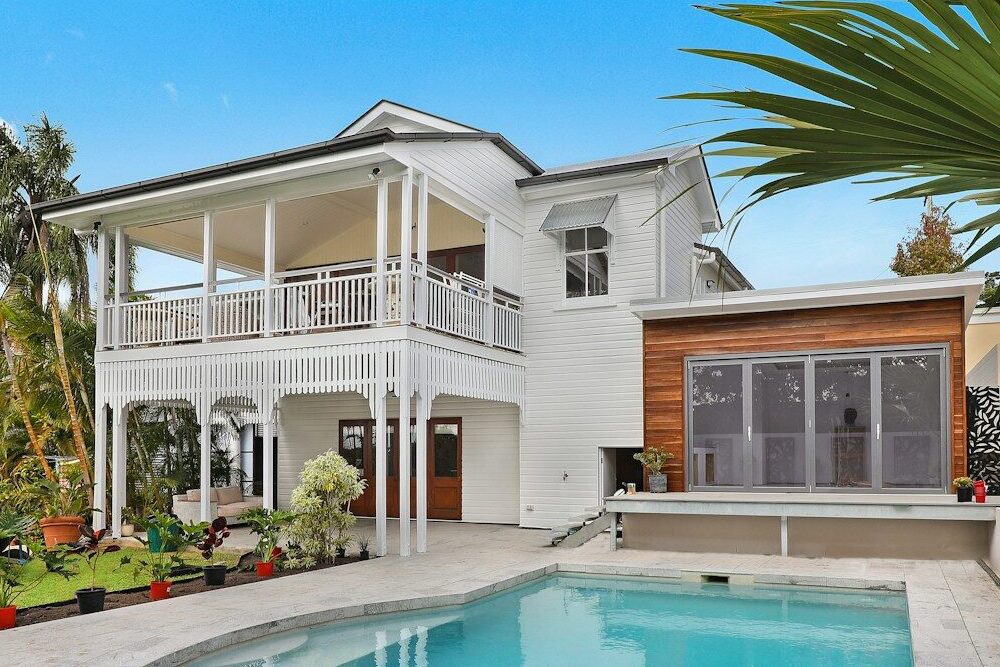

A beautiful house garden emerges from four elements working in concert: architecture-aware structure, layered texture, seasonal sequence, and focused plant roles. Piet Oudolf’s multi-season design philosophy and the American Horticultural Society’s practical guidance both confirm that the most arresting gardens read less like planted beds and more like composed, living rooms. Artinlifestyle brings that curatorial lens to every outdoor space, treating the garden as the quiet extension of your creative life indoors.
The reward for getting these four elements right is immediate. Even a single weekend of deliberate moves, rearranging containers, defining a focal axis, and adding one structural plant, can shift a garden from scattered to considered. The sections below give you the design principles, plant palette, and weekend checklist to make that shift.
Table of Contents
- What can you do this weekend to transform your house garden?
- Core design principles for an art-infused garden
- Which plants create a curated, gallery-worthy palette?
- How to integrate the garden with the house and control key sightlines
- Styling moves that make a garden feel curated
- Affordable tactics to make your garden look fuller
- Realistic timelines, maintenance levels, and budget ranges
- Your one-page launch checklist and shopping list
- Why soil health is the foundation of every beautiful garden
- Water management and irrigation methods for house gardens
- How to attract birds and pollinators to your garden
- Key Takeaways
- The garden as a living artwork
- Artinlifestyle’s resources for your garden design
- Useful sources and further reading
What can you do this weekend to transform your house garden?
A focused weekend delivers visible change. Work through these five steps in order, and the garden will read differently by Sunday evening.
- Assess your sightlines. Stand at each main window and the front door. Note what draws the eye and what feels unresolved. Photograph each view; the camera reveals clutter the eye edits out.
- Clear and define one focal area. Remove anything that competes with the focal point: overgrown pots, mismatched furniture, or weeds blurring the bed edge. A clean boundary reads as intention.
- Rearrange containers and repeat shapes. Group pots in odd numbers, vary their heights, and repeat one color or leaf shape across the group. The AHS-backed tactic of moving existing pots into prominent positions costs nothing and creates instant cohesion.
- Add one structural anchor. A clipped box sphere, a small ornamental tree in a generous pot, or a single sculpture gives the eye a place to rest. Scale it to the house, not the bed.
- Set a seasonal plug-planting plan. Choose three perennials that bloom in sequence and hold sculptural seedheads through winter. Order or source them before the weekend ends.
Tools and materials: hand pruners, a bag of fresh potting mix, a 2–3 inch layer of mulch for exposed soil, a measuring tape, and a delivery contact for a specimen tree or large container if needed.
Time per step: steps 1–3 take roughly two hours combined; step 4 is a half-day including sourcing; step 5 is a 30-minute planning session.
Core design principles for an art-infused garden
The best gardens share a grammar with the house they belong to. A garden that complements its building’s materials and lines, rather than competing with them, creates the sense of a single, considered composition.
- Echo the architectural language. Modern asymmetrical homes call for strong axes and geometric planting; traditional houses suit layered, symmetrical borders.
- Prioritize structure first. Evergreen clipped forms, specimen trees, and bold architectural shrubs anchor the composition in every season.
- Layer texture and scale. Foreground ground covers, midground perennials and grasses, and background canopy create depth that reads as lush even when flowers are absent.
- Design for seasonal sequence. Choose plants that perform in summer and then evolve into sculptural seedheads for winter, sustaining a sepia landscape of form and texture.
- Use repetition for cohesion. Repeating one plant, color, or material at intervals prevents a garden from reading as a collection of unrelated specimens.
- Reserve negative space. A stretch of lawn, gravel, or clipped low planting gives the eye visual rest and makes the planted areas feel more intentional.
Gardens designed to mature over decades reward early investments in structure. Plant the bones first; density follows.
Which plants create a curated, gallery-worthy palette?
Organize your plant choices by role, and a small palette of eight to twelve plants will feel far more considered than thirty species chosen for individual appeal.
Structural plants anchor the composition and hold the garden’s form through winter:
- Clipped box (Buxus sempervirens) spheres or cones for geometric punctuation
- Hornbeam (Carpinus betulus) as a pleached screen or hedge backdrop
- Olive trees in large terracotta pots for warm-climate or sheltered sites
- Architectural shrubs such as Viburnum tinus for year-round foliage mass
Fillers and movement add the sensory richness that makes a garden feel alive:
- Ornamental grasses, particularly Pennisetum spathiolatum, bring movement and soft texture to dry-site plantings
- Euphorbia (Euphorbia characias subsp. wulfenii) delivers sculptural lime-green form from late winter through summer, requiring almost no water once established
- Agastache adds vertical height and is a powerful pollinator magnet through late summer
Seasonal-interest plants follow the Oudolf approach, blooming richly then holding their form:
- Echinacea purpurea for summer color and persistent seedheads
- Pennisetum grasses for autumn plumes that catch low winter light
- Salvia nemorosa for repeat-flowering spikes and reliable structure
Drought-friendly options for water-conscious U.S. gardens:
- Acacia vestita for filtered shade and feathery silver foliage
- Agastache varieties suited to USDA zones 5–10
- Euphorbia species across most zones for near-zero supplemental irrigation
Pro Tip: For containers near the house, choose pots at least 18 inches in diameter. Smaller pots dry out fast, stress plants, and shrink visually against a full-height wall. One large pot reads better than three small ones.
How to integrate the garden with the house and control key sightlines
The garden’s relationship to the house is the single most underestimated design variable. A garden that aligns its axes with doors and terraces strengthens the indoor-outdoor relationship in a way no amount of planting can compensate for if the geometry is wrong.
- Place containers along the house perimeter and threshold to blur the edge between wall and planting.
- Keep plant heights below windowsill level in the immediate foreground so sightlines from main rooms remain open.
- Use a single material to connect house and garden: stone paving that echoes the house facade, warm timber decking that mirrors interior flooring, or a metal sculpture that picks up a window frame finish.
- For modern homes, maintain strong geometric lines in bed edges and clipped forms. For traditional homes, allow softer, curving borders with layered planting.
- Reserve a stretch of lawn or gravel as negative space directly opposite the main window. It frames the planted areas and gives the composition breathing room.
Material pairings that work consistently: stone with clipped hedging, warm wood decking with grassy swathes, and Corten steel sculpture with feathery ornamental grasses.
Styling moves that make a garden feel curated
Artful objects, considered lighting, and furniture chosen for scale rather than convenience are what separate a planted garden from a gallery-like outdoor room. For space-saving pieces that double as sculpture, the same principle applies outdoors as well.
- Sculpture: choose one or two durable pieces scaled to the house, not the bed. A piece that reads well from the main window earns its place; one that only reads up close does not.
- Furniture: select materials that establish an outdoor room. Stone or powder-coated metal for a modern house; teak or rattan for a warmer, traditional setting. Scale furniture to encourage flow toward the house, not away from it.
- Lighting: uplight specimen plants to create drama after dark; use path lighting to reinforce sightlines; add ambient step or string lighting for evening use. For fixture ideas, farmhouse-style outdoor lighting translates well to garden paths and terraces.
- Vignettes: compose a plant-sculpture-seat trio in one corner so it reads as a curated scene. A single chair, a low pot of euphorbia, and a small stone form create a moment that stops the eye.
Affordable tactics to make your garden look fuller
The biggest visual return often comes before any purchase. Rearranging existing containers and dividing overgrown perennials are the two highest-impact, zero-cost moves available to any homeowner.
- Group pots in odd numbers at varying heights to create focal clusters rather than a line of isolated containers.
- Divide overgrown hostas, ornamental grasses, or echinacea in early spring or fall; replant the divisions to fill bare patches and extend the planting across a wider area.
- Add one or two ornamental grasses for movement. A single Pennisetum or Miscanthus in a prominent position shifts the whole garden’s energy.
- Underplant taller containers with low-growing volunteers such as Erigeron karvinskianus or creeping thyme to eliminate bare soil and add a layered, lush quality.
- Repeat one color or leaf shape at three points across the garden. Repetition reads as design intention; variety without repetition reads as clutter.
Pro Tip: Divide hostas and ornamental grasses first. They recover fastest, fill gaps within one season, and their bold foliage reads well even before they reach full size. Stage new divisions in the foreground where they will be seen immediately.
Realistic timelines, maintenance levels, and budget ranges
| Timeframe | What you see | Maintenance level | Ballpark budget (U.S.) |
|---|---|---|---|
| Weekend (days 1–2) | Focal clarity, regrouped containers, fresh mulch | Low (2–3 hrs) | $50–$300 |
| 6 months | Perennials establish, grasses fill out, seasonal sequence begins | Moderate (4–6 hrs/month) | $500–$2,000 |
| 2–5 years | Structural maturity, clipped forms hold shape, garden reads as composed | Active (varies by size) | $2,000–$10,000+ |
Soil preparation and water management shape every timeline above. A basic soil test (available through most U.S. cooperative extension services for under $30) reveals pH and nutrient gaps before you plant. Amend with compost at a 3-inch depth before planting perennials; this single step reduces establishment failure significantly.
For irrigation, a simple drip system or soaker hose on a timer suits most house garden beds and uses water far more efficiently than overhead sprinklers. Drought-tolerant species such as euphorbia and Agastache need supplemental irrigation only during the first season; after establishment, rainfall handles most of their needs in the majority of U.S. climate zones.
Mulch at 2–3 inches depth suppresses weeds, retains moisture, and gives the garden a finished, gallery-like appearance between plants.
Your one-page launch checklist and shopping list
Assessment and planning:
- Photograph all sightlines from main windows and the front door
- Identify one focal area to define this weekend
- Note which existing containers can be regrouped
Weekend actions:
- Clear and edge the focal area
- Rearrange pots into one prominent odd-numbered group
- Add fresh potting mix to any underfilled containers
- Apply 2–3 inches of mulch to exposed soil
- Source or order one structural anchor (clipped shrub, specimen tree, or sculpture)
Shopping list with sizing guidance:
- Potting mix: one 2-cubic-foot bag per large container
- Mulch: one cubic yard covers roughly 100 square feet at 3-inch depth
- Specimen tree or large shrub: minimum 15-gallon pot for immediate visual impact
- Ornamental grass: 1-gallon pots in groups of three for instant movement
- Euphorbia or Agastache: 1-gallon pots, three to five per bed
Sourcing tips: buy specimen plants from a local nursery where you can assess root health and form in person. For planters, furniture, and decorative objects, consider DIY home decor ideas and secondhand sources to keep costs low without sacrificing style.
Why soil health is the foundation of every beautiful garden
Healthy soil is the invisible architecture beneath every lush planting. Without it, even the most carefully chosen plants underperform.
Start with a soil test to understand your pH and organic matter levels. Most ornamental plants prefer a pH between 6.0 and 7.0; outside that range, nutrients become unavailable regardless of how much fertilizer you apply. Amend with aged compost rather than synthetic fertilizers wherever possible. Compost improves drainage in clay soils, increases water retention in sandy soils, and feeds the microbial life that makes nutrients accessible to roots.
Avoid compacting soil around planting areas. Foot traffic and heavy equipment crush the pore structure that roots and soil organisms depend on. Use stepping stones or defined paths to keep weight off planted beds, and top-dress with compost annually rather than digging deeply once established.
Water management and irrigation methods for house gardens
Efficient watering is both a design and a maintenance decision. Overhead sprinklers wet foliage and waste water to evaporation; drip irrigation and soaker hoses deliver moisture directly to the root zone, reducing disease pressure and water bills simultaneously.
For most U.S. house gardens, a zone-based drip system with a simple timer is the most practical setup. Group plants by water need: drought-tolerant species such as euphorbia, Agastache, and ornamental grasses in one zone; moisture-loving perennials in another. This prevents overwatering the drought-tolerant plants while keeping thirstier ones healthy.
Rainwater harvesting, even a single 50-gallon barrel connected to a downspout, supplements irrigation during dry spells and reduces runoff. Pair any irrigation system with a 2–3 inch mulch layer to slow evaporation and extend the interval between watering cycles.
How to attract birds and pollinators to your garden
A garden that draws wildlife feels alive in a way that purely ornamental planting cannot replicate. The movement of birds and the hum of pollinators add a sensory layer that no sculpture or lighting scheme can substitute.
Plant for a long flowering sequence. Agastache blooms from midsummer through fall and is one of the most reliable pollinator plants available in U.S. gardens. Echinacea seedheads feed goldfinches through winter. Native grasses provide nesting material and overwintering habitat for beneficial insects.
Add a shallow water source. A simple stone birdbath or a low dish kept filled and clean attracts more bird species than almost any planting choice. Position it where it is visible from the house for daily enjoyment.
Avoid broad-spectrum pesticides entirely in the ornamental garden. Even a single application disrupts the insect populations that birds depend on for food. Healthy soil and well-chosen plants rarely need chemical intervention once established.
Key Takeaways
A beautiful house garden comes from architecture-aware structure, layered texture, seasonal sequence, and focused plant roles working together as a single composed system.
| Point | Details |
|---|---|
| Structure before color | Plant evergreen anchors and clipped forms first; seasonal color layers over them. |
| Rearrange before you buy | Moving existing pots and dividing perennials delivers instant visual impact at zero cost. |
| Design for winter form | Choose plants like Echinacea and ornamental grasses that hold sculptural seedheads through winter. |
| Echo the house language | Match garden geometry and materials to the architectural style of the house for a unified composition. |
| Artinlifestyle as your guide | Artinlifestyle’s curated design resources connect art-inspired indoor principles directly to outdoor room styling. |
The garden as a living artwork
What strikes me most about the gardens that genuinely move people is how rarely they announce themselves. The best ones feel inevitable, as though the house simply grew outward and the planting arrived naturally. That quality is not accidental. It comes from the same discipline that makes a well-composed interior room work: restraint, repetition, and a willingness to let structure carry the weight rather than filling every gap with color.
The tendency to over-plant is understandable. Bare soil feels like failure. But a garden that matures with intention, one where the structural bones were planted first and the density built slowly, ages with a grace that instant-fill planting rarely achieves. Piet Oudolf’s seasonal-sequence approach is instructive here not just as a planting method but as a philosophy: accept that the garden is always becoming, never finished. The seedheads of November are not the remnants of summer; they are the composition.
For homeowners who also care deeply about their interiors, this is actually good news. The same curatorial instinct that makes you edit a room, choosing fewer, better objects and letting them breathe, works in the garden. Trust it.
Useful sources and further reading
These sources informed the design principles, plant recommendations, and practical guidance throughout this article. Save or bookmark them before your next nursery visit or designer meeting.
- How to Make a Garden Look Fuller — Homes & Gardens, referencing AHS guidance. The primary source for the rearranging-pots and dividing-perennials tactics. Read this before spending anything on new plants.
- Berkshire Garden Feature: Piet Oudolf Principles — Gardens Illustrated. The clearest published articulation of Oudolf’s seasonal-sequence approach and the seedhead-as-winter-sculpture philosophy. Use it when building your plant palette.
- Somers House by Amanda Oliver Gardens — The Local Project. A case study in integrating planting palette and massing with architecture. Useful when assessing how your garden should relate to your house materials and scale.
- How to Plant a Lush Drought-Tolerant Garden — Sunset. Specific plant callouts for low-water U.S. gardens, including Pennisetum spathiolatum, Agastache, and Acacia vestita. Reference this when selecting plants for water-conscious sites.
- Designing a Lush Backyard Retreat — Fine Gardening. Practical guidance on creating enclosed, room-like patio gardens with layered planting and sightline control. Particularly useful for smaller urban or suburban plots.
- Large East Sussex Garden — Gardens Illustrated. A detailed example of garden-room sequencing, structural planting, and axis alignment with the house. Use it when planning a larger rework or a multi-area garden.