For color-critical interiors and trim, Benjamin Moore is the stronger choice. For high-traffic rooms, exterior siding, and budget-conscious projects timed with sales, Sherwin-Williams pulls ahead. Most projects benefit from knowing which brand wins on which axis before you open a single can.
- Interior accent walls and designer palettes: Benjamin Moore Aura, for its Color Lock technology and richer color depth (see source)
- Kitchens, hallways, and kid zones: Sherwin-Williams Emerald, for scrub resistance and self-leveling workability
- Cabinets and trim: Benjamin Moore Advance, a waterborne alkyd that levels like oil but cleans with water
- Exterior siding in demanding climates: Sherwin-Williams Emerald Rain Refresh or Duration, engineered for early-rain resistance and UV stability
- Budget-sensitive large areas: Sherwin-Williams, especially when 30–40% off sales align with your schedule
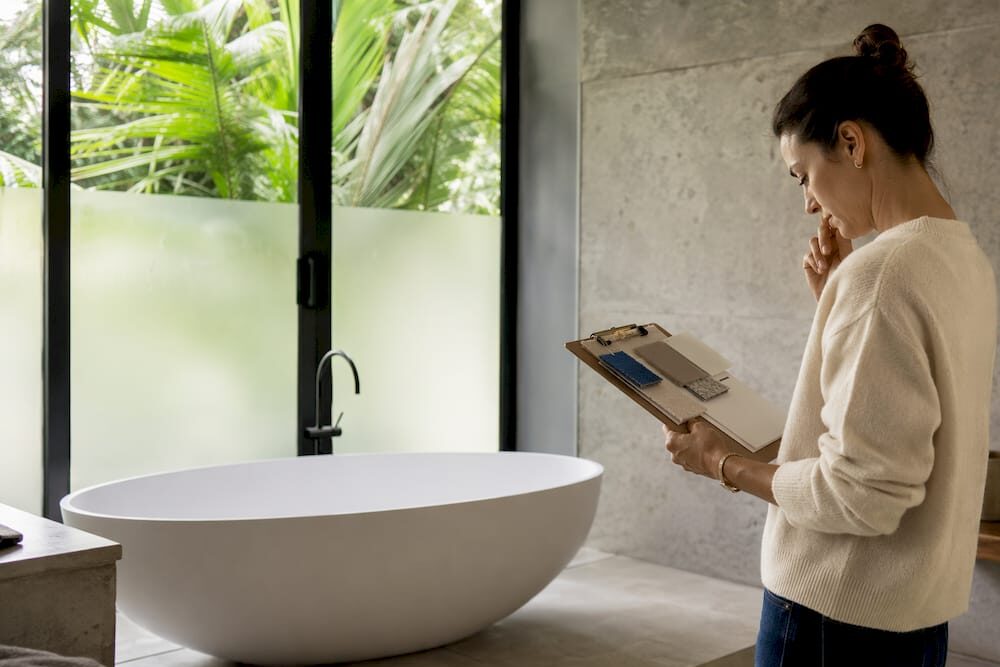
Always buy sample pots and test swatches in-situ across morning and evening light before committing. Where you buy matters too: dedicated brand stores carry the genuine formula, while mass-market retailers may stock reformulated versions.
Table of Contents
- How do Benjamin Moore and Sherwin-Williams actually compare?
- Which brand gives you richer color and truer finish?
- Which brand holds up better in kitchens and high-traffic spaces?
- What do pro painters say about coverage and workability?
- How do the exterior lines perform in real weather?
- Key Takeaways
- The case for choosing both brands on the same project
- Artinlifestyle: where paint choices meet the full design picture
How do Benjamin Moore and Sherwin-Williams actually compare?
The table below maps both brands and their flagship premium lines across the dimensions that change real-world outcomes.
| Dimension | Benjamin Moore Aura | Sherwin-Williams Emerald | Benjamin Moore Advance | SW Duration / Rain Refresh |
|---|---|---|---|---|
| Best for | Saturated color interiors, accent walls | Kitchens, hallways, high-traffic walls | Cabinets, trim, millwork | Exterior siding, doors, demanding climates |
| Color accuracy & depth | Exceptional; 3,500+ color palette | Good; ~1,700 curated colors | Excellent on trim tones | Solid; matches SW interior palette |
| Durability & scrub resistance | Good | Outstanding | Very high (alkyd hardness) | Outstanding UV and moisture resistance |
| Coverage / one-coat | true one-coat on deep tones | — | — | — |
| Workability & finish | High solids; minimal brush marks | Self-leveling; very smooth on verticals | Levels like oil; long open time | Good flow; designed for exterior conditions |
| Availability | Benjamin Moore dealers and independent retailers | SW stores, Home Depot, Lowe’s | Benjamin Moore dealers | SW stores, Home Depot |
| VOC / eco profile | Low-VOC options; Natura line is zero-VOC | Low-VOC options across most lines | Low-VOC | Low-VOC |
A few pricing realities worth noting:
- Sherwin-Williams runs store-wide sales several times a year, which can significantly reduce the price of Emerald compared to Benjamin Moore’s mid-range lines.
- Benjamin Moore does not run comparable blanket promotions, though independent dealers occasionally offer contractor pricing.
- Buying from a dedicated brand store, rather than a big-box retailer, gives you the genuine formula and staff who can match colors with precision.
Statistic to know: Benjamin Moore publishes a significantly larger number of colors than Sherwin-Williams. That difference matters most when you are chasing a specific undertone or working from a designer’s specification.
Which brand gives you richer color and truer finish?
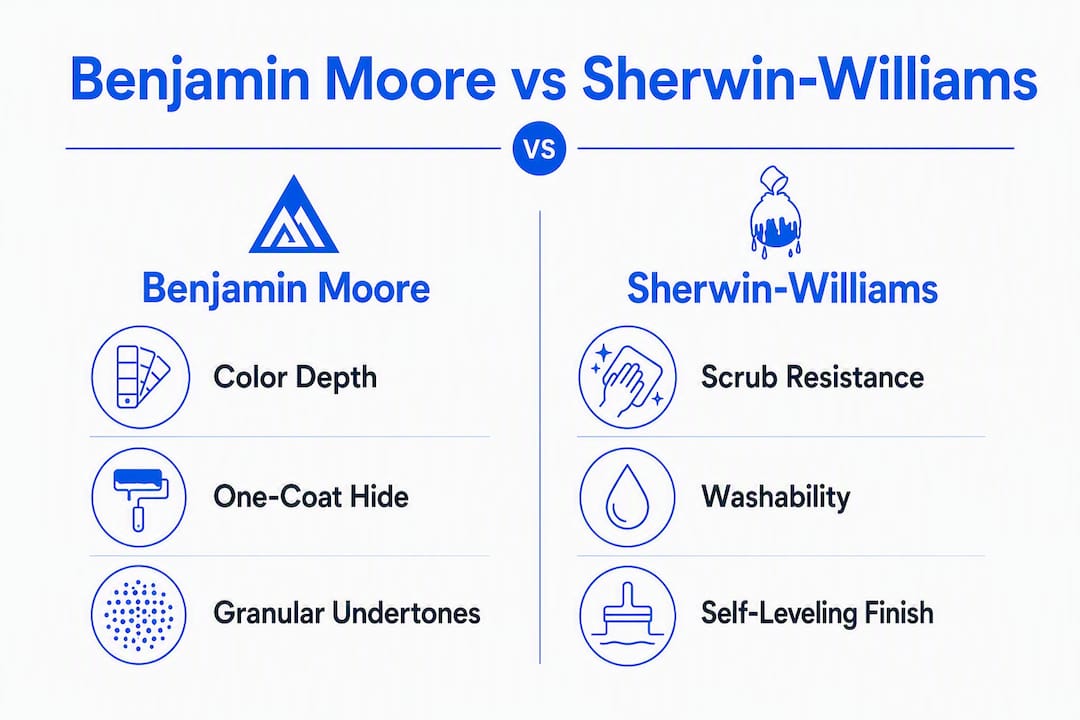
Benjamin Moore is the quieter hero of color depth. Its premium lines carry higher solids content, which means pigment sits closer to the surface and reads truer in both natural and artificial light. Trade comparisons consistently report stronger color depth and better hide for premium Benjamin Moore lines, particularly on saturated shades where a second coat with a competing product would otherwise be necessary.
The palette difference is tangible. With 3,500+ colors, Benjamin Moore offers more granular undertone separation, which matters enormously when you are trying to match a specific warm white or a muted sage that reads green in morning light and gray by evening. Sherwin-Williams’ curated ~1,700 colors are well-edited and easier to navigate, but the range simply does not reach the same depth of nuance.
Finish behavior in natural light also differs. Benjamin Moore’s matte and eggshell finishes tend to absorb light softly, producing that velvety quality designers often specify for living rooms and bedrooms. Sherwin-Williams’ comparable finishes are slightly more reflective, which reads crisper in high-contrast spaces but can expose surface imperfections on older walls.
Pro Tip: Paint two 12-inch swatches of your top candidates on the actual wall, not on sample boards. Observe them at 8 AM, noon, and 8 PM. The color that holds its character across all three windows is the one to commit to. Pair your final choice with complementary tones using Artinlifestyle’s color combination guide for a cohesive result.
- Accent walls with deep, saturated tones: Benjamin Moore Aura
- Rooms with strong directional natural light: test both; Aura’s higher solids tend to hold color better
- Designer-specified palettes from firms like Farrow & Ball crossovers: Benjamin Moore’s palette offers closer matches
- Neutral whites and off-whites: both brands perform well; the choice narrows to undertone preference
“The choice often comes down to project demands: Benjamin Moore for color fidelity and interior finishes; Sherwin-Williams for accessibility and durability.” — Minimal & Modern
Which brand holds up better in kitchens and high-traffic spaces?
Sherwin-Williams is widely cited for superior washability and scrub resistance, and that reputation is earned in the details of its Emerald line. The formula is engineered for repeated cleaning without surface degradation, which is the practical standard for kitchen walls, mudroom entries, and rental hallways where a damp cloth or mild cleaner needs to do real work.
Emerald’s self-leveling thickness also means fewer visible roller lines on large wall expanses, a meaningful advantage when painting a long hallway under raking light. For kid zones and pet-heavy rooms, the scrub resistance translates directly into lower maintenance over the life of the paint job.
Benjamin Moore Aura is not fragile by any measure, but its formulation prioritizes color fidelity over abrasion resistance. In a kitchen that sees daily splatter and steam, Aura will require more careful cleaning and earlier touch-ups than Emerald under equivalent conditions.
Pro Tip: In high-traffic rooms, always choose a satin or semi-gloss finish regardless of brand. Flat and matte finishes, even in durable lines, absorb grease and moisture in ways that no scrub resistance rating fully compensates for.
Checklist for high-traffic surfaces:
- Clean and degrease walls thoroughly before painting; residue prevents adhesion
- Choose satin or semi-gloss finish for walls, semi-gloss for trim
- Apply two full coats; do not skip the second coat even with one-coat-rated products
- Allow full cure (not just dry time) before washing: typically 2–4 weeks for latex, longer for alkyds
- Use a pH-neutral cleaner for routine maintenance to preserve sheen
- Kitchens and bathrooms: Sherwin-Williams Emerald in satin or semi-gloss
- Hallways and mudrooms: Sherwin-Williams Emerald or SuperPaint in satin
- Children’s rooms: Emerald or Benjamin Moore Regal Select in eggshell
- Rental properties: Sherwin-Williams, timed with a sale for cost efficiency
What do pro painters say about coverage and workability?
Aura is frequently cited for true one-coat hide on deep or saturated colors, with its Color Lock technology reducing the number of coats needed on accent walls. Coverage rates reported by contractors place Aura somewhat higher than Emerald and comparable premium lines, reflecting more square footage coverage per gallon on average. On a large room, that difference can mean one fewer gallon purchased.
Emerald’s slightly thicker, self-leveling formula reduces visible brush marks on vertical surfaces, which is why many professional painters prefer it for large open walls where roller texture and lap marks are the enemy. Aura’s higher solids deliver truer color and better hide, but the formula requires a slightly more deliberate application pace to avoid pulling.
Pro Tip: For Benjamin Moore Advance on cabinets, use a high-density foam roller or a fine-bristle brush and maintain a wet edge throughout. The long open time is an asset, not a liability — it gives you time to level, but only if you work methodically.
Application checklist:
- Sand and clean all surfaces; remove dust with a tack cloth
- Apply a tinted primer matched to your topcoat color, especially on new drywall or dramatic color changes
- Use a 3/8-inch nap roller for smooth walls; 1/2-inch for textured surfaces
- Cut in with a quality angled brush before rolling; do not let cut-in lines dry before rolling
- Allow full dry time between coats per the product’s technical data sheet
How do the exterior lines perform in real weather?
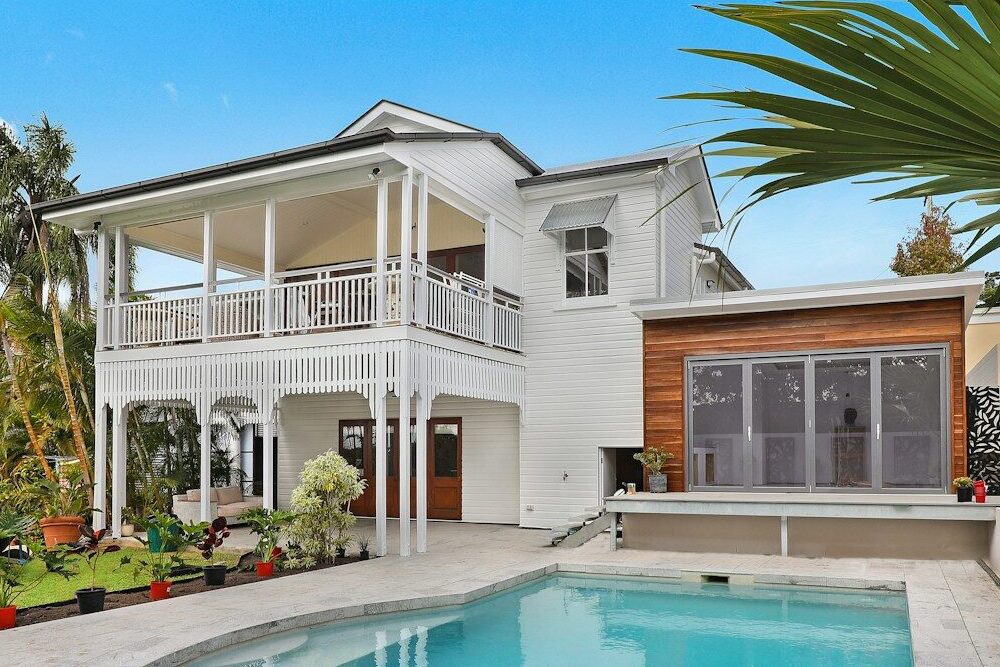
Emerald Rain Refresh and Duration are engineered to resist early rain and provide strong adhesion and UV resistance in demanding climates. Rain Refresh specifically addresses the frustration of a sudden shower washing out a fresh coat, a scenario common in the Southeast and Pacific Northwest. Benjamin Moore’s Aura Exterior is a strong performer for color retention and UV stability, but it does not carry the same early-rain-resistance engineering as Rain Refresh.
For exterior scheduling, products designed for early-rain resistance reduce the risk of rework in unpredictable-weather regions. Both brands recommend surface temperatures between 35°F and 90°F for application, and recoat windows typically run 4–6 hours for latex formulas under ideal conditions.
- Humid climates (Southeast, Gulf Coast): Sherwin-Williams Duration or Emerald Rain Refresh for mildew resistance and early-rain tolerance
- High-UV zones (Southwest, high altitude): Benjamin Moore Aura Exterior for color retention; Duration also performs well
- Freeze-thaw regions (Midwest, Northeast): Both brands’ premium exterior lines handle freeze-thaw cycling; surface prep and adhesion primer matter more than brand choice here
- Front doors and exposed trim: Benjamin Moore Advance or Sherwin-Williams Emerald Urethane Trim Enamel for hardness and sheen retention
For exterior color inspiration and curb appeal ideas, Artinlifestyle’s fence and exterior color guide offers a useful companion resource when finalizing palette decisions.
Key Takeaways
Benjamin Moore leads on color depth and one-coat hide for interiors; Sherwin-Williams leads on scrub resistance, workability, and sale-driven value for high-traffic and exterior projects.
| Point | Details |
|---|---|
| Interior color-critical rooms | Benjamin Moore Aura delivers richer color depth and true one-coat hide on saturated shades. |
| High-traffic and exterior walls | Sherwin-Williams Emerald and Duration offer superior scrub resistance and weather resilience. |
| Cabinets and trim | Benjamin Moore Advance levels like oil and cleans with water; plan for a 30-day full cure. |
| Pricing and timing | Sherwin-Williams’ 30–40% off sales can make premium lines cheaper than Benjamin Moore mid-range options. |
| Artinlifestyle recommendation | Use both brands strategically: color-first lines on visible surfaces, durable sale-priced lines on large areas. |
The case for choosing both brands on the same project
The conventional wisdom treats this as a binary choice. It rarely needs to be. Pros frequently mix brands within a single project, using a high-color-depth line for the surfaces that define the room’s character and a durable, sale-priced line for the expanses that simply need to hold up. That hybrid approach is not a compromise. It is the most considered way to allocate a paint budget.
Where Artinlifestyle would recommend a professional painter: cabinet refinishing with Benjamin Moore Advance, historic millwork requiring oil-based chemistries, and any exterior project where surface prep complexity (peeling, bare wood, masonry) exceeds a confident DIYer’s experience. For bedroom walls, living rooms, and standard hallways, a careful DIYer with the right roller and a quality brush can achieve results that rival professional work, provided they respect dry times and do not skip the primer.
The deeper point is that paint selection is one layer of a larger design decision. The finish, the undertone, the way a color reads against your flooring and furnishings — these are the variables that determine whether a room feels resolved or restless. For that broader picture, Artinlifestyle’s home trends and design guide offers room-by-room context that goes well beyond the paint aisle.
Useful sources and further reading
The claims in this article draw on professional painting comparisons, contractor field reports, and product-level technical analysis. The sources below are worth bookmarking for deeper research.
- Benjamin Moore vs Sherwin-Williams: The Complete Comparison | Pro Chicago Painters — Field-level comparison from professional painters covering durability, color, and project-type recommendations.
- Benjamin Moore vs Sherwin-Williams: The Ultimate Guide | Minimal & Modern — Design-focused breakdown with expert guidance on mixing brands and exterior scheduling.
- Sherwin-Williams vs Benjamin Moore | Paint Color HQ — Detailed product-line analysis covering palette size, coverage rates, and workability differences.
- Sherwin-Williams vs Benjamin Moore | ProFlow Painting — Contractor perspective on sale pricing, coverage rates, and real-world cost comparisons.
- Benjamin Moore vs Sherwin-Williams | Bob Vila — Consumer-facing guide with advice on buying from dedicated brand stores for genuine formulas.
- Artinlifestyle: Home Trends and Interior Design Guide — Artinlifestyle’s broader design resource for pairing paint decisions with room-level styling.