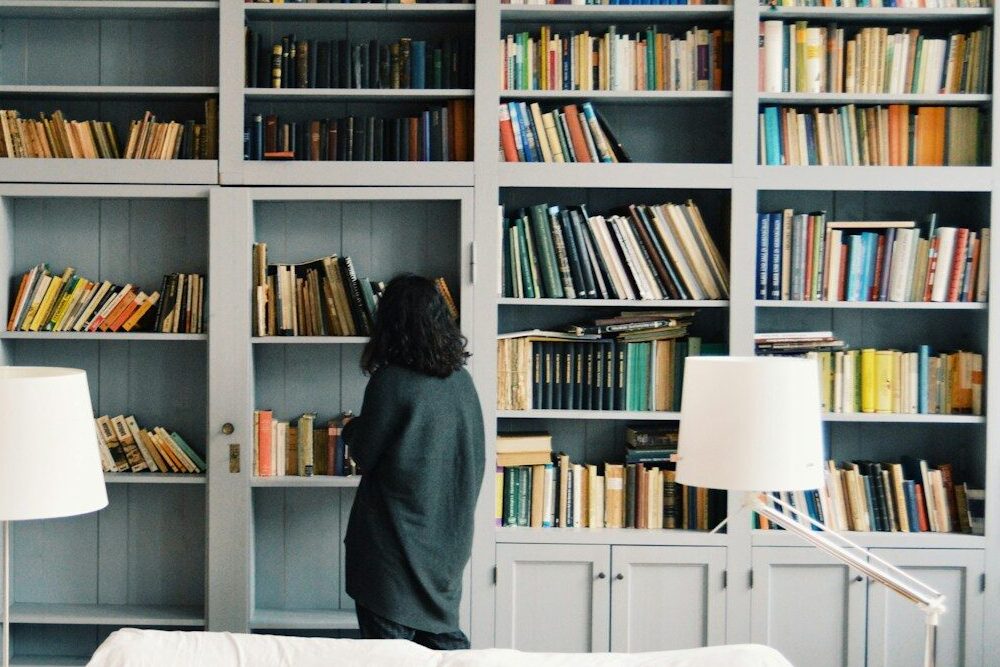
A beautiful home library is more than a room lined with books. At its best, it is a sensory retreat where well-planned storage, inviting seating, and calibrated lighting converge to create a space that feels both purposeful and deeply personal. The most compelling library designs balance aesthetics with usability, drawing you in and encouraging you to linger far longer than intended.
Whether you are working with a grand dedicated room or a modest alcove, the core ingredients remain consistent:
- Book storage that is both accessible and visually cohesive, from floor-to-ceiling built-ins to freestanding cases
- Comfortable seating such as armchairs, chaises, or plush sofas that invite hours of reading without restlessness
- Layered lighting combining ambient, task, and accent sources to serve both function and mood
- A considered color palette that sets the emotional register of the space, whether moody and saturated or airy and neutral
- Personal decorative elements including artwork, collectibles, plants, and curated objects that make the library unmistakably yours
- Thoughtful layout that harmonizes circulation, furniture placement, and architectural features
The most enduring home library designs also weave together traditional craftsmanship and modern sensibility, vintage hardware alongside contemporary finishes, and technology integrated so discreetly it never disrupts the room’s quiet authority. Explore inspiring examples of such thoughtful and impactful designs in this curated library showcase.
Table of Contents
- 15 beautiful home library design ideas to inspire your space
- How to personalize and style your home library
- Integrating technology and maintaining your library’s beauty
- Bring your library vision to life with Artinlifestyle
- Key Takeaways
15 beautiful home library design ideas to inspire your space
1. Floor-to-ceiling built-in shelving
Nothing signals intention quite like shelving that travels from baseboard to crown molding. Built-in floor-to-ceiling shelving creates visual continuity, draws the eye upward, and maximizes every inch of vertical space. It also anchors the room architecturally, giving even a modest space the gravity of a grand library. Plan for adjustable shelves from the start, since book collections reliably grow rather than shrink.
2. Window reading nooks
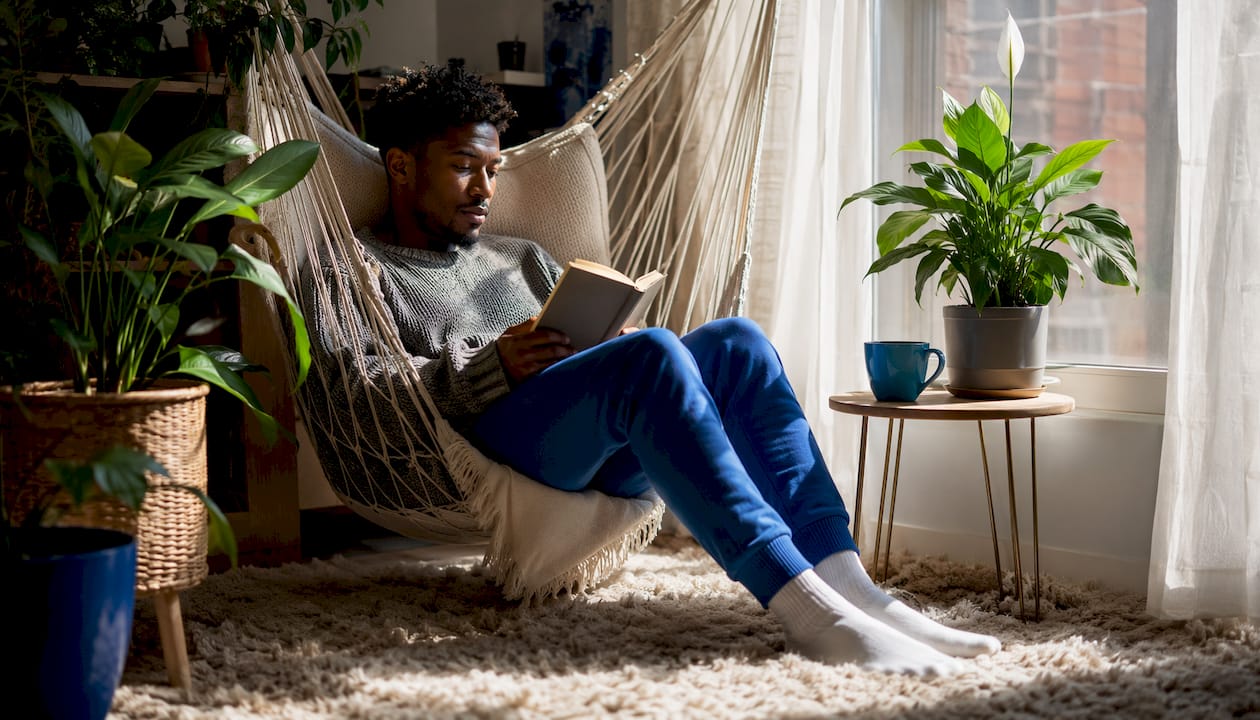
A window seat tucked between built-in bookcases is one of the most beloved configurations in home library design, and for good reason. Natural light floods the reading surface, the built-ins frame the nook like a room within a room, and the seat itself doubles as storage. Interior designer Kate Marker Interiors used deep moody green paint on both walls and bay window trim to make this kind of nook feel like a private world. Even a modest bay window can become the emotional heart of a library with the right upholstery and a well-placed floor lamp for evening reading.
3. Moody, saturated color palettes
Color is the fastest way to give a library its own visual gravity. Deeply colored walls, whether forest green, navy, plum, or charcoal, create a sense of enclosure that feels cocooning rather than claustrophobic. Designer Kate Guinness painted one library in Ethereal Blue by Edward Bulmer, layering it with bolder red and pink accents for warmth. A lilac ceiling paired with deeply colored walls, as seen in a boldly imagined Kansas City library inspired by Parisian lounge culture, proves that ceiling treatments are as powerful as wall color in shaping a room’s mood.
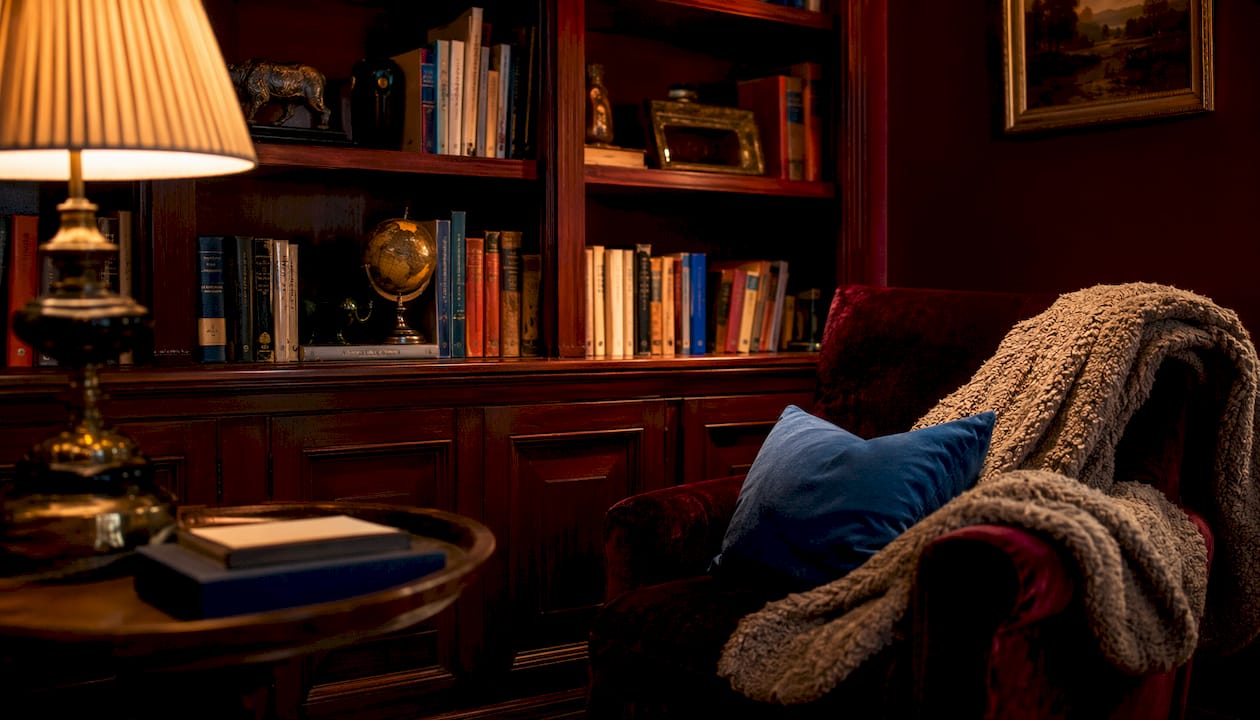
Pro Tip: If a full dark palette feels daunting, paint only the shelving interior in a saturated hue. The books become the foreground, and the color reads as a rich, deliberate backdrop rather than an overwhelming statement.
4. Rolling library ladders
A rolling ladder is not merely a practical solution for high shelves. It is a sculptural centerpiece that introduces vertical movement and signals that the library is a complete, usable system rather than a decorative backdrop. Rolling ladders paired with tall shelving work best when rails are designed with sufficient clearance to glide smoothly without obstructing walkways or seating. Choose solid rungs and smooth-glide bronze hardware for quiet, reliable operation. Wood ladders integrate warmly with shelving; metal designs add contrast and an industrial edge.
5. Vintage and artisanal accents
The character of a library often lives in its details. Artisan bronze hardware on cabinet doors, drawer pulls, and ladder rails ages naturally and holds custom joinery details beautifully. Vintage lamps, stained glass roundels repurposed as lightboxes, marbled paper lining bookcases, and antique objects displayed among books all contribute what might be called tactile authority. These are the elements that make a library feel collected over time rather than assembled in an afternoon.
6. Biophilic design and living elements
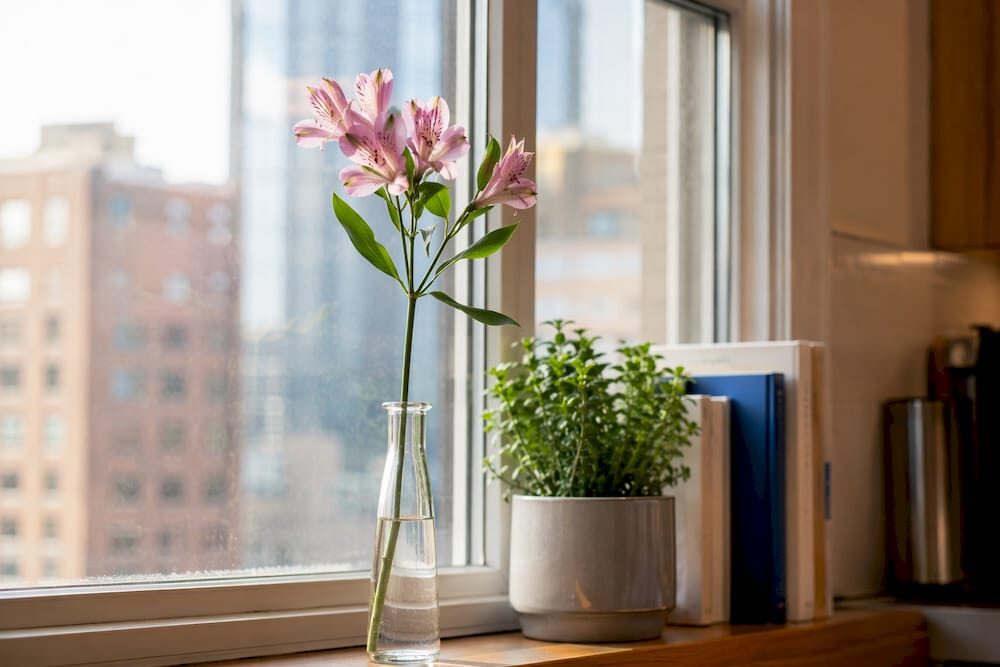
Houseplants are among the most underused tools in library styling. Following the principles of biophilic design, introducing living greenery softens the visual weight of heavy shelving, adds another layer of color and texture, and makes the space feel less spare. A trailing pothos on an upper shelf, a sculptural fiddle-leaf fig in a reading corner, or a collection of small succulents tucked among book spines all bring the outside in without competing with the books themselves.
7. Dual-purpose library and dining room
You do not need a dedicated room to create a library worth lingering in. One of the most elegant multi-use configurations pairs built-in bookshelves with a dining table, flanking a window with shelving and filling the gap with a comfortable bench seat. The result is a room that hosts meals and reading sessions with equal grace, relying on zoning rather than walls to separate its functions. Mentions of “reading nook” in Zillow home listings are up by nearly 50%, reflecting how broadly homeowners are rethinking underused rooms.
8. Hallway and landing libraries
Long corridors and stair landings are among the most overlooked library locations. Shallow linear shelving along a hallway wall creates what designers call a gallery library, where book spines become the artwork and continuous lighting guides movement while illuminating titles evenly. Keep shelving depth modest to maintain clearance, and use a cohesive neutral palette with matching hardware to prevent the space from feeling cluttered. A small stool or step tucked at one end completes the arrangement practically.
9. Jewel box libraries in small spaces
Small alcoves, under-stair zones, and unused corners can become immersive reading environments when treated with the same intentionality as a full room. Built-in shelving wraps walls and creates depth without consuming floor space, while controlled lighting and a single well-chosen chair transform a forgotten corner into a private retreat. The jewel box library concept proves that scale is irrelevant when design is deliberate.
10. Layered lighting schemes
Lighting in a library should function like a well-composed piece of music, with distinct layers that serve different purposes. A central chandelier anchors the room and provides ambient illumination. Wall sconces positioned along shelving walls reduce shadows and create a more comfortable reading environment. Shelf lighting, such as picture lights mounted above shelving runs, highlights books and architectural details without washing the entire wall. Backlit bookshelves add a contemporary glow. Together, these layers allow the space to shift from bright and functional during the day to warm and atmospheric in the evening.
11. Grand multifunctional library rooms
At its most ambitious, a home library becomes the heart of the entire residence. The library at the Vaca Brava Penthouse in Goiânia, Brazil, designed by Studio Andre Lenza, spans 180 square meters and holds a meeting table, a home office corner, and a complete home theater alongside thousands of books. This kind of grand multifunctional library demonstrates that the space need not choose between reading and living. Zoning through furniture placement, lighting, and shelving configuration keeps each function distinct without requiring walls.
12. Texture layering with mixed materials
Texture is the quiet hero of library design. Solid wood shelving introduces warmth and structure; leather seating adds softness in high-use areas; painted metal elements on ladder rails or hardware provide contrast and age gracefully. Layering these materials creates depth without additional ornamentation. For those working within a budget, sourcing bookshelves from thrift shops or online marketplaces and repurposing seating from elsewhere in the home can achieve a high-end layered look at a fraction of the cost. For more DIY home decor ideas that stretch a design budget, Artinlifestyle offers a curated collection of creative approaches.
Pro Tip: Sturdy shelf brackets, when intentionally exposed, add structural rhythm to open shelving runs. Choose brackets with sufficient load ratings for books, particularly on deep shelves, and align them for visual symmetry.
13. Organizing books as a design element
How books are arranged is itself a styling decision. Organizing by color creates a painterly gradient effect across shelves; organizing by genre or subject signals the owner’s intellectual life; arranging by size creates a satisfying visual rhythm. Some designers display books with pages facing forward rather than spines out for a more cohesive, textural look. Mixing books with curated objects, small sculptures, plants, and framed art prevents shelves from reading as purely utilitarian. For curated gifts for book lovers that complement a styled library, Artinlifestyle has thoughtful recommendations.
14. Hidden libraries and secret doors
Few design moves carry more quiet drama than a library concealed behind flush panels or pivot-hinged doors that blend into surrounding walls. The hidden library concept creates a private reading retreat distinct from the rest of the home, preserving visual calm in shared spaces while offering an element of discovery. High-quality hinges, latches, and hardware are non-negotiable here, both for smooth operation and for supporting the load of a door lined with books. Wraparound shelving and controlled lighting complete the effect.
15. Social and lounge-inspired libraries
The most-used libraries are rarely the most formal ones. A library that moves beyond posture-perfect reading chairs to include a discreet wet bar, a games table, or a conversational seating arrangement becomes a social hub rather than a solitary retreat. Designer Regan Romero’s transformation of a Kansas City home office into a library lounge inspired by Parisian hotel salons illustrates this perfectly: deeply colored walls, calibrated lighting, and secondhand furniture reimagined through thoughtful placement created a room that hosts tranquil mornings, evening cocktails, and conversations that stretch well past their intended end.
How to personalize and style your home library
Personalization is what separates a beautiful library from a merely functional one. The goal is a space that reflects its owner’s sensory preferences, intellectual life, and aesthetic instincts.
- Layer textures deliberately: combine wood, leather, linen, and metal rather than defaulting to a single material family
- Curate shelf displays: intersperse books with artwork, collectibles, plants, and objects that carry personal meaning
- Use color coordination: balance visual weight by grouping books by color or alternating light and dark spines across shelves
- Add gallery wall elements to blank wall sections adjacent to shelving, drawing on art gallery wall ideas for arrangement inspiration
- Choose artisanal hardware: bronze, brass, or aged iron on pulls, hinges, and ladder rails adds tactile quality and character
- Introduce accent lighting: a single picture light above a favorite artwork or a small lamp on a side table creates warmth that overhead lighting alone cannot
Integrating technology and maintaining your library’s beauty
Technology belongs in a modern library, provided it is integrated with the same care as every other design decision. Concealed cable management, built-in speaker grilles that match millwork finishes, and discreet screen placement within shelving units keep the room’s aesthetic intact. A home theater tucked into a library, as in the Vaca Brava Penthouse, demonstrates that screens and books can coexist without visual conflict when the surrounding design is strong enough to hold both.
Maintenance matters as much as initial design. Dust shelves regularly using a soft brush rather than a damp cloth to protect book spines. Rotate books away from direct sunlight to prevent fading. For small spaces where every square foot counts, space-saving decor that doubles as art keeps the library feeling curated rather than crowded.
Key Takeaways
A beautiful home library succeeds when book storage, seating, lighting, and personal decor work together as a single, cohesive design system.
| Point | Details |
|---|---|
| Plan shelving generously | Book collections grow over time; floor-to-ceiling or adjustable built-ins future-proof the space. |
| Layer lighting intentionally | Combine ambient, task, and accent sources so the room functions beautifully from morning through evening. |
| Color sets the emotional register | Saturated wall colors and ceiling treatments give a library its own visual gravity and sense of enclosure. |
| Personalization is the differentiator | Curated objects, artisanal hardware, and organized book displays transform storage into a reflection of the owner. |
| Multi-functionality expands possibilities | Libraries can absorb dining, office, and lounge functions through zoning rather than walls. |