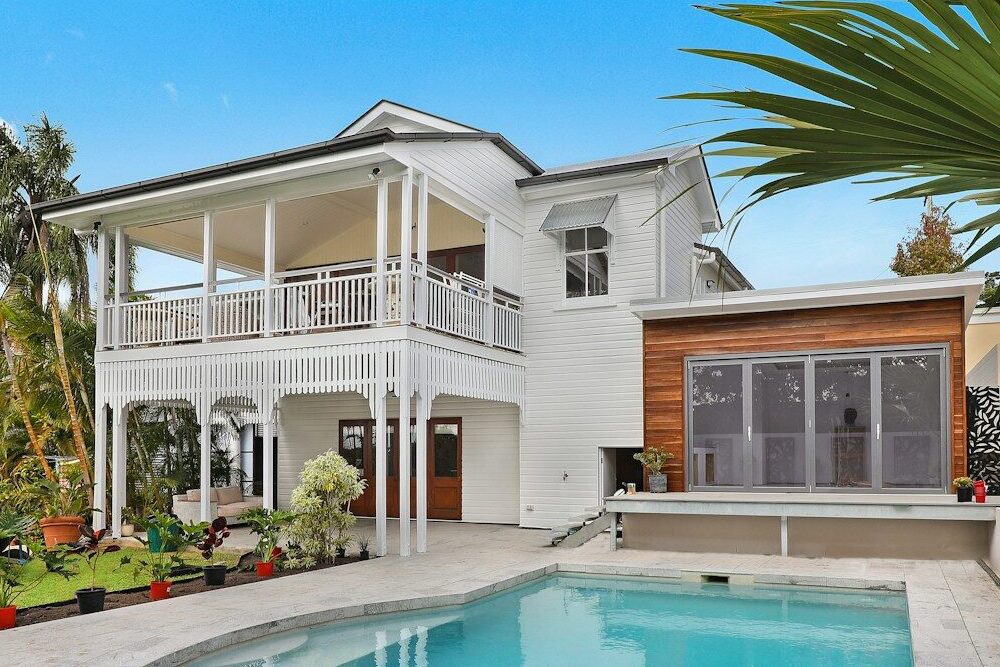
The best beautiful house tours live in three places: curated publisher hubs like Veranda and Architectural Digest, creator channels on YouTube and Instagram, and in-person historic-site events at venues like Biltmore Estate and Hearst Castle. Each format offers something the others cannot, and knowing which to reach for first saves hours of aimless scrolling.
Quick uses for any tour you find:
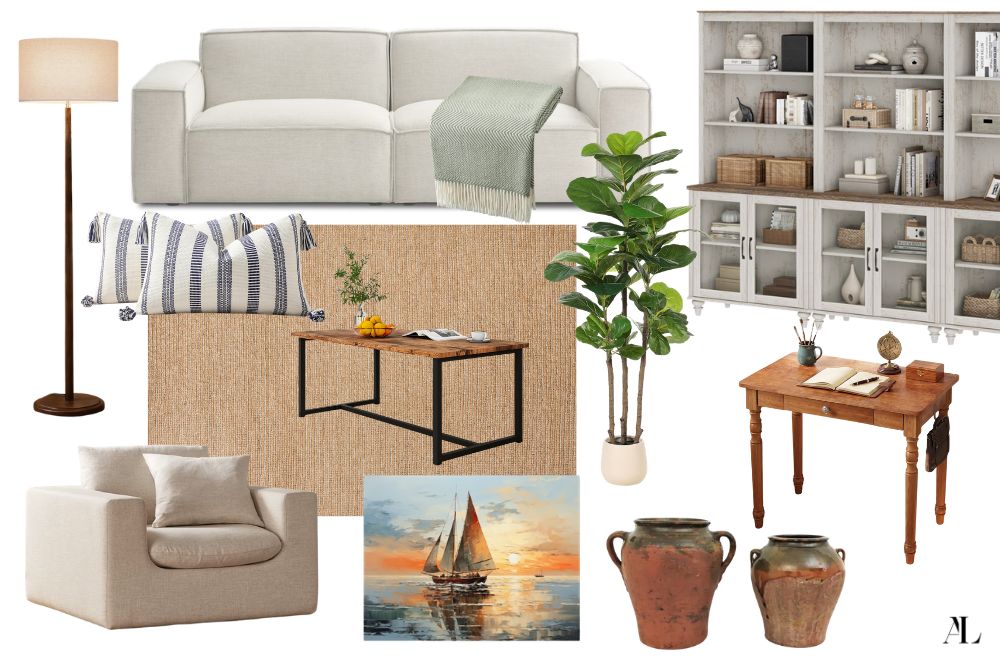
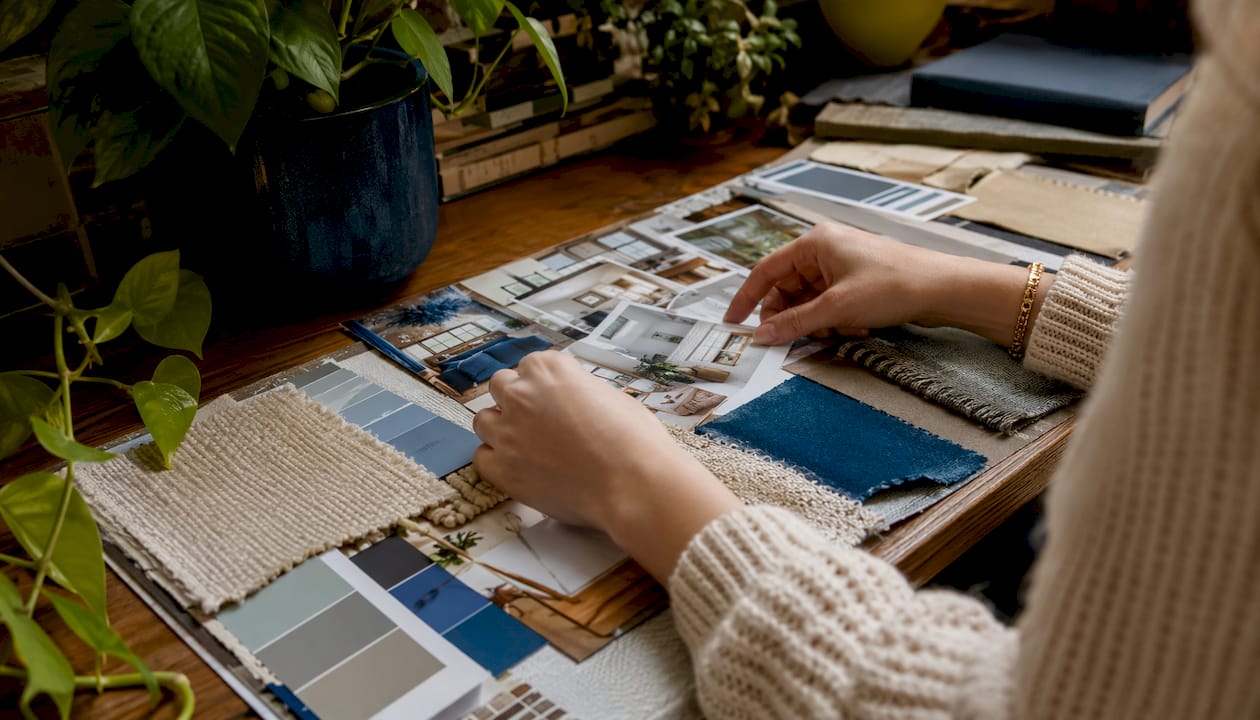
- Build a moodboard from palette and material screenshots
- Pull sourcing leads from captions and linked product credits
- Sketch a rough layout based on how the tour home handles circulation and scale
Three quick picks to start today:
- Virtual hub: Veranda’s house-tours index, organized by style and property type
- Creator channel: Architectural Digest’s “Open Door” YouTube series for celebrity home walkthroughs
- In-person: Biltmore Estate in Asheville, NC, for grand-scale historic interiors
Table of Contents
- Where do you find the most visually rich house tours?
- In-person house tours in the U.S. worth planning a visit around
- How to use a house tour to generate real design ideas
- What to check before attending an in-person house tour
- Which creators and channels deliver steady house-tour inspiration?
- Getting more from virtual tours and video walkthroughs
- How organizing tours by style, room, and season sharpens your ideas
- Virtual tours versus in-person visits: which one serves you better?
- How to find and join exclusive or private house tours
- How social media and influencer tours expand your inspiration sources
- Key Takeaways
- Why curated tours matter more than quantity
- Artinlifestyle resources to put tour inspiration into action
- Useful sources and further reading
Where do you find the most visually rich house tours?
Publisher hubs are the most efficient starting point. Veranda’s house-tours hub groups Paris lofts, country estates, and urban townhouses into a single browsable index, so cross-style comparison takes minutes rather than an afternoon. Architectural Digest and Dwell offer similar depth, with Dwell leaning toward modern and prefab homes while AD covers the full spectrum from minimalist to maximalist.
Long-form photo essays, the kind found on editorial blogs and design magazines, go deeper than a quick gallery. Sites like DesignThusiasm organize tours by style frame — seasonal decor, timeless decor, room-by-room — which makes it far easier to extract one transferable idea rather than feeling overwhelmed by a whole home.
For video, YouTube walkthroughs let you read scale in a way static photos cannot. You can pause on a doorframe to gauge ceiling height or freeze on a shelf to study layering. Instagram carousels work best for quick palette and material reference, especially when creators tag product sources in the caption.
Museum and historic-site tour pages round out the mix. These are the places to check for admission details, booking windows, and photography rules before you visit.
Platform types at a glance:
- Curated magazine hubs (Veranda, AD, Dwell): broad style range, sourcing links, editorial context
- Long-form photo essays (editorial blogs): style-framed, room-by-room, idea-extraction friendly
- YouTube/Instagram creators: scale, mood, and material detail in motion
- Museum and venue event pages: in-person access, historic context, admission and booking info
- 360/virtual interactive tours: floorplan orientation, spatial flow
Pro Tip: Create a dedicated saved collection on Instagram and a YouTube “Watch Later” playlist organized by room type. Reviewing them side by side reveals patterns you would miss browsing one at a time.
In-person house tours in the U.S. worth planning a visit around
Historic-site guided tours are the fastest way to understand how a specific era solved real design problems: circulation through tight corridors, material layering without central heating, or entertaining spaces built for candlelight. The format matters as much as the venue.
Tour types to know:
- Self-guided mansion tours: move at your own pace, ideal for note-taking and photography
- Docent-led guided tours: structured narrative, best for historic context and material provenance
- Ticketed estate tours: premium access, often includes rooms closed to general admission
- Preservation open houses: seasonal, sometimes free, community-organized
Notable U.S. venues:
| Venue | Format | Best for | Admission note |
|---|---|---|---|
| Brucemore (Cedar Rapids, IA) | Free self-guided | Historic detail, photography | Hours until late afternoon; tours close to new entries well before the final closing time |
| Daniel Stowe Conservancy (Belmont, NC) | Free guided docent | Garden design, plant-to-interior flow | Free tour; non-members pay Garden Pavilion admission; Saturdays in the late morning |
| Biltmore Estate (Asheville, NC) | Ticketed guided | Grand-scale entertaining spaces | Paid admission; check official site for seasonal pricing |
| Hearst Castle (San Simeon, CA) | Ticketed guided | Eclectic historic interiors, art collection | State park admission; multiple tour options |
| Vizcaya Museum and Gardens (Miami, FL) | Ticketed self-guided | Mediterranean Revival detail, garden rooms | Paid admission; check official site |
| Cranbrook House and Gardens (Bloomfield Hills, MI) | Ticketed guided | Arts and Crafts architecture, member benefits | Online booking closes 8:30 AM the business day before the tour |
Pro Tip: Brucemore’s free self-guided mansion tours close last entry at 3:30 PM even though the site stays open until 4:30 PM. Arriving after 3:00 PM on a busy day risks being turned away. Always check the event page the morning of your visit.
How to use a house tour to generate real design ideas
Treat every tour as a pattern library, not a blueprint to copy. The goal is to identify recurring moves — a material pairing, a lighting layer, a focal-point strategy — that you can scale to your own space.
Checklist for any tour, virtual or in-person:
- Palette: Note the dominant hue, the secondary accent, and the neutral carrier. Three colors, maximum.
- Focal pieces: Identify what the room is “about” — one artwork, a fireplace, a statement light fixture.
- Circulation and scale: How does the room handle traffic flow? Where does the eye rest?
- Layered lighting: Count the sources: ambient, task, and accent. Most well-photographed rooms use at least three.
- Material pairings: Which two or three textures carry the room? Linen and oak? Plaster and brass?
- Scale adjustments: Which elements would need to shrink or simplify to fit your ceiling height or square footage?
Pro Tip: Before you adapt any idea, identify the tour’s stated design intent — whether the home aimed for “patina over perfection,” “light and natural,” or “indoor-outdoor flow.” That renovation narrative tells you which moves will age well in your own home and which are purely contextual to that space.
Apply one idea today: save three sourcing leads from a single tour and build a one-page moodboard around them. That constraint forces prioritization and produces something usable.
What to check before attending an in-person house tour
Planning mistakes are almost always avoidable. The most common: arriving after last entry, missing a booking window, or assuming photography is permitted everywhere.
Pre-visit checklist:
- Read the full event page, not just the headline date
- Confirm last-entry time (not just closing time)
- Check accessibility notes — many historic homes have steps and uneven ground
- Verify whether registration or membership is required in advance
- Note whether the tour is self-guided or docent-led, since pacing differs significantly
- Confirm photography permissions room by room if possible
The Cranbrook House Tour closes online reservations at 8:30 AM the business day before the event. Miss that window and you may face paid walk-in admission or no entry. Even tours advertised as free can carry admission conditions for non-members — the Daniel Stowe Conservancy’s free docent tour, for example, still requires non-members to pay Garden Pavilion admission.
Basic etiquette: Sign in when asked, keep questions concise, and respect restricted areas. Open-house etiquette guidance recommends letting the docent or agent know your purpose upfront — it improves access and keeps the experience smooth for everyone.
Pro Tip: Bring a small notebook rather than relying solely on your phone camera. Docents often share material and sourcing details verbally that never appear in the printed guide.
Which creators and channels deliver steady house-tour inspiration?
The most reliable feeds combine editorial depth with consistent posting. Here is what each channel type delivers:
- Long-form blog series (DesignThusiasm, Veranda editorial): style-framed posts with room-by-room takeaways and sourcing notes — best for slow, deliberate study
- YouTube full walkthroughs (Architectural Digest “Open Door,” Dwell video): spatial scale and material texture in motion — best for understanding flow and proportion
- Instagram carousel creators: fast palette and product reference, especially when creators tag sources — best for quick moodboard building
- Museum and venue feeds: event announcements, seasonal tour dates, and behind-the-scenes material detail
To keep your feed organized, use Instagram’s saved collections by room type (kitchen, living room, bedroom), YouTube’s “Watch Later” playlists by style, and a simple Pinterest board for cross-platform saves. Reviewing them monthly rather than daily prevents inspiration fatigue and makes patterns easier to spot.
Getting more from virtual tours and video walkthroughs
Virtual tours reward deliberate viewing. Passive watching produces mood; active watching produces ideas.
- Go full-screen to read material texture and scale accurately — thumbnail viewing flattens depth.
- Pause and capture palette swatches using a screenshot, then drop them into a free tool like Coolors or Adobe Color to extract the exact hex values.
- Note timestamps when a sourcing detail appears in a caption or on-screen graphic — return to those moments when you are ready to shop.
- Track furniture scale by using visible door widths and window heights as reference points. A standard interior door is 80 inches tall; use that as your measuring stick.
- Evaluate tour depth before committing time: look for sourcing links in the description, room-by-room captions, and interactive floorplans or 360-degree views. A tour with none of those is mood-only.
Useful free tools for capturing ideas:
- Canva or Google Slides for quick moodboard assembly
- Pinterest boards for cross-platform saves
- Notion or Apple Notes for timestamp logs and sourcing links
For high-quality visual documentation of spaces you want to study in depth, professional editorial photography captures material and light in ways that phone screenshots cannot replicate.
How organizing tours by style, room, and season sharpens your ideas
Browsing tours without a filter produces inspiration noise. Organizing by a single axis — style, room type, or season — produces a usable reference library.
By style: Collect all the Scandinavian tours in one folder, all the maximalist ones in another. Patterns emerge quickly: Scandinavian rooms consistently use three materials maximum; maximalist rooms layer at least five. That contrast becomes a decision tool, not just an aesthetic preference.
By room: A folder of only kitchen tours, or only primary bedrooms, lets you compare how different designers solve the same spatial problem. You will notice that the best-photographed kitchens almost always have a single dominant material and one contrasting accent, regardless of style.
By season: Seasonal framing, the approach DesignThusiasm uses in its multi-tour posts, reveals how the same room shifts with textile swaps and light changes. That is genuinely useful when you are planning a refresh rather than a full renovation.
Virtual tours versus in-person visits: which one serves you better?
Both formats have a clear role. The question is which problem you are trying to solve.
Virtual tours are better for:
- Early-stage inspiration and broad style research
- Studying multiple homes in a single afternoon
- Revisiting specific rooms or details repeatedly
- Sourcing products directly from linked captions
In-person tours are better for:
- Reading material texture, weight, and finish accurately
- Understanding spatial scale and ceiling height in your body, not just on screen
- Absorbing how light moves through a room at a specific time of day
- Gathering historic or provenance context from docents
The practical answer for most readers: use virtual tours to narrow your style direction, then attend one or two in-person tours to pressure-test your instincts against real space. Historic homes like Hearst Castle or Vizcaya Museum and Gardens offer something no video can replicate — the sensory weight of a room that has been lived in for decades.
How to find and join exclusive or private house tours
Private and members-only tours exist at most major historic sites and preservation societies, but they rarely appear in general search results. The access points are specific.
Where to look:
- Local preservation societies and historical societies (many run annual house tours as fundraisers)
- Museum membership programs: Cranbrook, Vizcaya, and similar venues offer member-only access and early booking windows
- Garden conservancy open-day programs, which include private residential gardens and estates not otherwise open to the public
- Architectural and design associations (AIA chapters often organize studio and home tours for members)
- Neighborhood historic district associations, which sometimes organize self-guided walking tours of private homes
The Cox House Summer Tours run by the Nicollet County Historical Society are a good model: free admission, no reservations required, with a printed room-by-room guide provided on arrival. Many comparable programs exist at the county and city level across the U.S. and are worth searching by your state’s historical society website.
How social media and influencer tours expand your inspiration sources
Influencer house tours on Instagram and YouTube have become one of the most practical sources of real-world design ideas, precisely because they show homes that are actually lived in rather than staged for a single shoot.
The most useful accounts to follow are those where the creator documents an ongoing renovation or styling process rather than a single reveal. That longitudinal view shows decision-making in real time: why a rug was swapped, how a gallery wall evolved, which paint color was repainted after three months. That process is more instructive than any finished-room photograph.
On Instagram, use the “Close Friends” or saved-collection feature to separate accounts that consistently deliver sourcing detail from those that are purely aesthetic. On YouTube, turn on notifications only for creators who include room dimensions, product links, and before-and-after context in their descriptions. For readers who want to decorate like a celebrity luxury home, influencer tours often bridge the gap between aspirational and achievable by showing the actual products and price points behind a polished look.
Key Takeaways
The most effective approach to beautiful house tours is to treat them as pattern libraries organized by style, room, and format — then extract one transferable idea per tour rather than trying to replicate the whole.
| Point | Details |
|---|---|
| Start with publisher hubs | Veranda and Architectural Digest index tours by style, making cross-comparison fast and efficient. |
| Check event pages before visiting | Last-entry times, booking windows, and admission conditions vary widely — Cranbrook closes online reservations the morning before the tour. |
| Use the design intent as your filter | Identify whether a tour aims for “light and natural” or “patina over perfection” before adapting any idea to your own space. |
| Organize saves by room and style | Separate collections by room type reveal recurring design moves faster than browsing a mixed feed. |
| Artinlifestyle editorial guides | Artinlifestyle’s curated guides help readers translate tour inspiration into specific, room-ready decisions. |
Why curated tours matter more than quantity
The instinct to collect as many tours as possible is understandable, but it tends to produce a folder of beautiful images that never becomes a decision. What actually moves a reader from inspiration to action is a smaller, more deliberately chosen set of tours organized around a specific problem — a kitchen that needs a material anchor, a living room that lacks a focal point, a bedroom that reads as too flat.
Artinlifestyle’s editorial approach has always been to filter for real-world usability rather than pure visual spectacle. A tour of a $20 million Malibu estate is genuinely beautiful, but a well-chosen tour of a 1,400-square-foot Chicago bungalow, documented with material sourcing and scale notes, is far more instructive for most readers. The 2026 home trends guide on the site applies exactly that filter — translating what appears in high-end tours into moves that work at any scale.
Artinlifestyle resources to put tour inspiration into action
Artinlifestyle publishes the kind of editorial depth that turns a saved screenshot into a finished room. The art concierge service helps readers source specific pieces seen in tours — artwork, statement objects, and curated finds that match a home’s existing palette and scale. For readers ready to act themselves, the DIY home decor guide translates tour-inspired looks into step-by-step projects at accessible price points. And for anyone who spotted a gallery wall in a tour and wants to recreate it, the gallery wall ideas guide covers layout, framing, and spacing in practical detail. Browse the full editorial library at Artinlifestyle and find the guide that matches the room you are working on next.
Useful sources and further reading
Venue event pages (check these for booking windows, last-entry times, and photography rules before visiting):
| Venue | What the page provides |
|---|---|
| Brucemore — Free Self-Guided Mansion Tours | Hours, last-entry time (3:30 PM), accessibility notes |
| Daniel Stowe Conservancy — Free Guided Docent Tour | Tour schedule (Saturdays), admission conditions for non-members |
| Cranbrook House and Gardens — House Tour | Online booking details, reservation close time, member pricing |
| Biltmore Estate — biltmore.com | Seasonal admission pricing, tour options, photography policy |
| Hearst Castle — hearstcastle.org | State park tour schedules, multiple tour types, accessibility |
| Vizcaya Museum and Gardens — vizcaya.org | Admission, self-guided access, garden tour details |
Editorial hubs for ongoing tour inspiration:
- Veranda House Tours — cross-style index, updated regularly
- DesignThusiasm — House Tours — style-framed posts with room-by-room takeaways
- Elle Decor House Interiors — renovation-intent framing and sourcing context
- Redfin — Open House Etiquette — practical visitor behavior guidance
Check all venue event pages directly before visiting — hours, admission, and booking conditions change seasonally.